
Metal, Hardcore, Indie, Rock
Wacken’s 35th: Opening with a bang – Report of day 1
What’s the first thing that comes to mind when you think about Wacken? For me it’s rain — the last few years have left us with nothing but mud, though somehow always a good time regardless.
This year, though, it’s the opposite problem: forecasts are pointing to heat and dust, so pack the bandana and get ready for a different kind of survival mode. Party on! And a quick reminder that this year isn’t just any edition: it’s the 35th anniversary, an odd number to celebrate on paper, but the organisers wanted to mark it anyway and give the fans their due.
As for changes on site, a few areas have had some moves worth noting. The Wasteland got a solid upgrade this year and a different location, more food stalls and a much wider variety than in years past. I remember when we first started coming, the choices there were a lot thinner, so it’s nice to see that variety growing year after year.
Accessibility support is growing too, with more dedicated areas both in the Infield and on the campsite for people who need them.
Before we dive into the day itself, the organisation had a big surprise for us at 9:45pm, already announcing some of next year’s bands. Belphegor bring their Sanctus Bestiam Procession, Brazilian death metal force Crypta joins, and cult favourites Dethklok from Metalocalypse make an appearance. Abbath, Ice Dale and Armagedda will perform the I album Between Two Worlds in full, in an exclusive show. Kanonenfieber bring their Kanonenfest to Wacken, Gaerea and Napalm Death return, and Witch Club Satan round out the announcement.
So let’s dive into day one of this 2026 edition.
Thundermother
As per tradition, we waited for the gates to open at 3:30pm, but before that we caught Thundermother. The Swedish all-female hard rock band, formed in Stockholm in 2009, has been through several lineup changes over the years, and the current incarnation — fronted by the volcanic Guernica Mancini — has turned into one of Europe’s most electrifying live rock acts. Live, they are controlled chaos: Mancini commands the stage with a loose-limbed confidence that recalls classic rock frontmen, while the band locks in tight behind her and hits hard. The crowd could not hold back the moshpit for this very first band of the day and despite the sun hitting all of us at noon, everyone enjoyed every last bit of it.
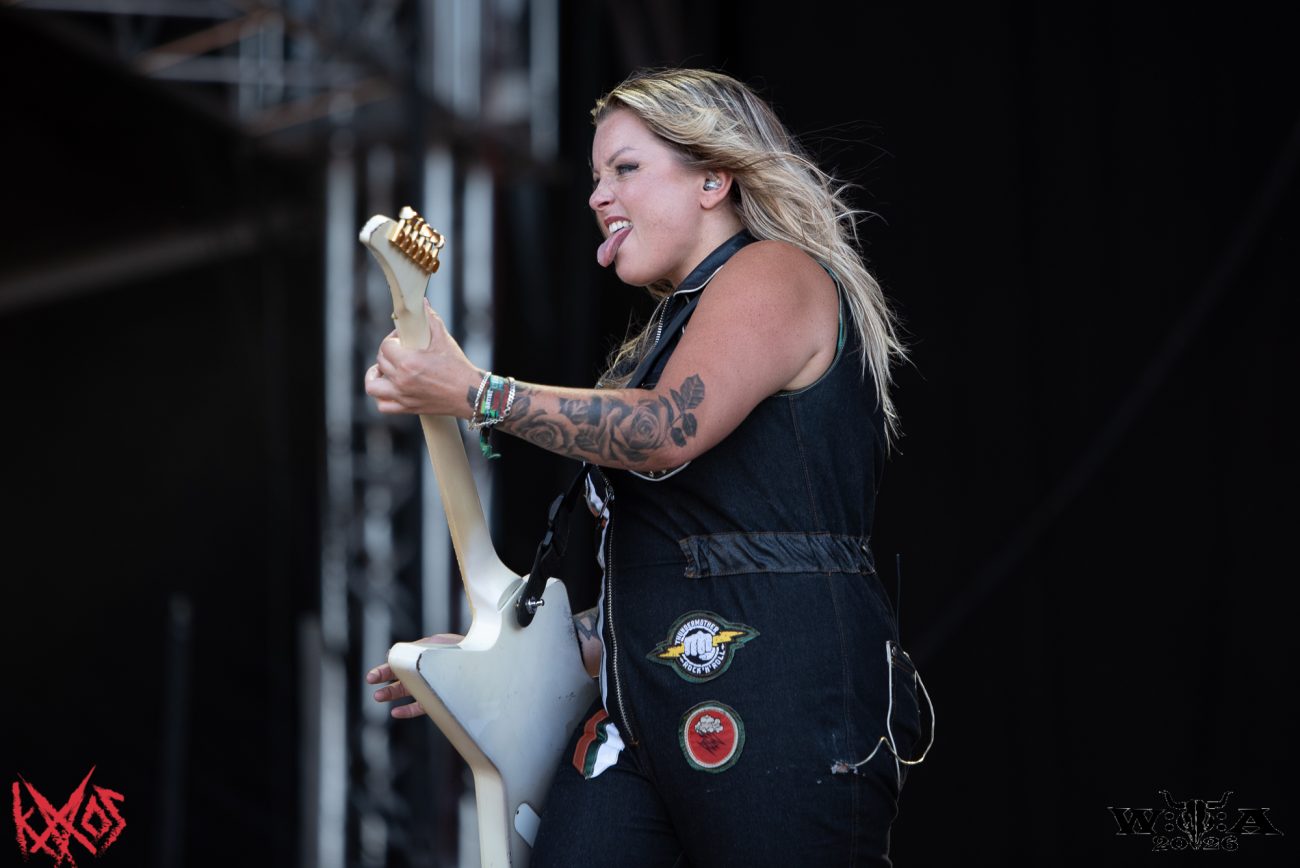
Photo: Dario De Marco.
The gate opening is an experience you can’t skip. For some, it’s really what the festival is about: waiting at the barrier, the run toward the stage, and staking out your spot before the day’s bands even start. That rush of freedom hit differently this year, for some reason I can’t quite put my finger on. Watching people sprint for the stages gave me chills, even in that heat.
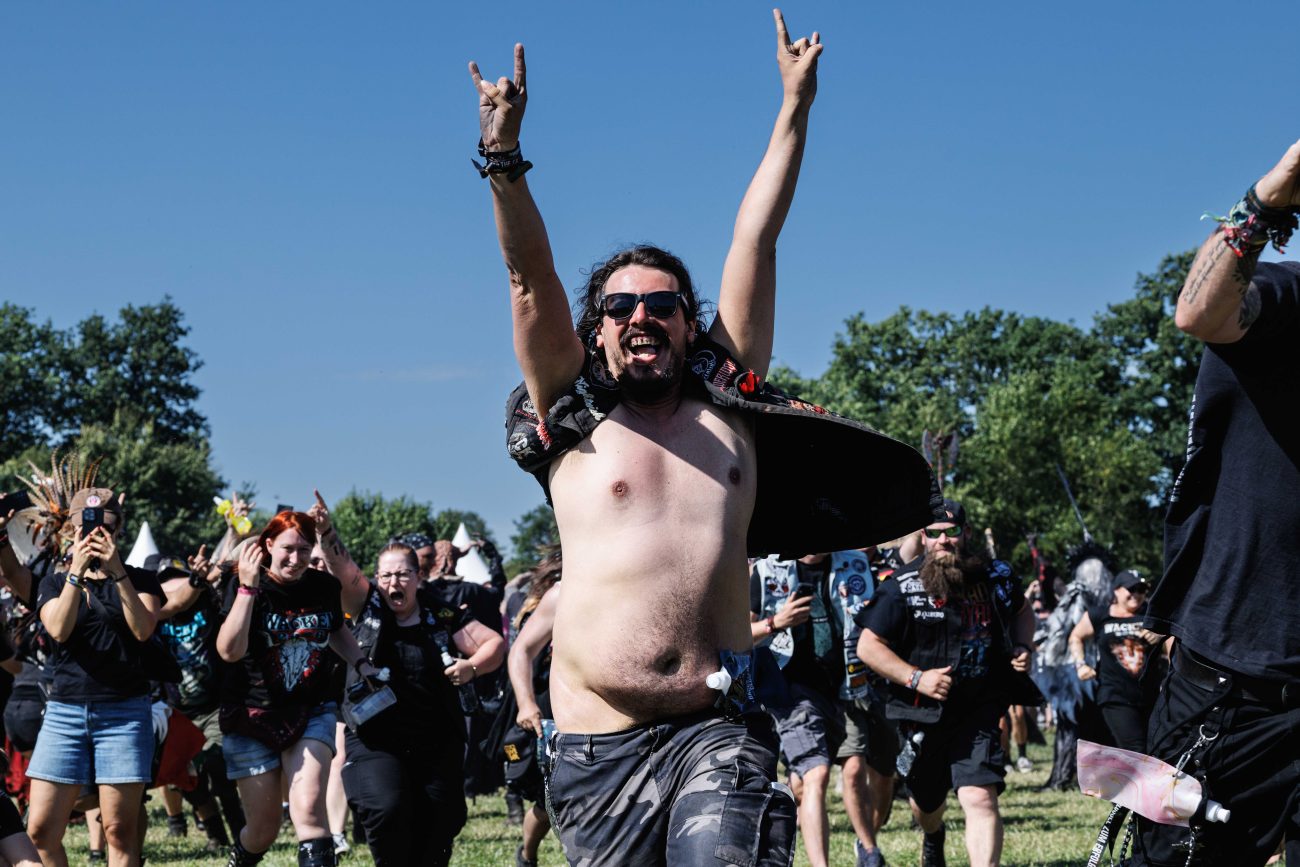
Photo: Peterson Marti.
Lovebites
By contrast, Lovebites opened in white dresses against a heavy red stage wash, the haze still lingering from the opening fumes — a visual contrast that mirrored the music itself: delicate presentation, heavy attack underneath. Their energy was spot on, and they earned their slot as this year’s festival openers. How they held it together through that heat, in those dresses, is beyond me, but live they were jaw-dropping. The technical proficiency alone would be remarkable, but they deliver emotionally too: vocalist Asami has a clear, powerful soprano that soars over the dense instrumental attack. The musicianship from those ladies was on point — the bassline stood out in nearly every song, more than I expected from the band. And honestly, even if not my genre, they won me over — that’s the kind of musicianship that doesn’t need you to be a fan to appreciate it.
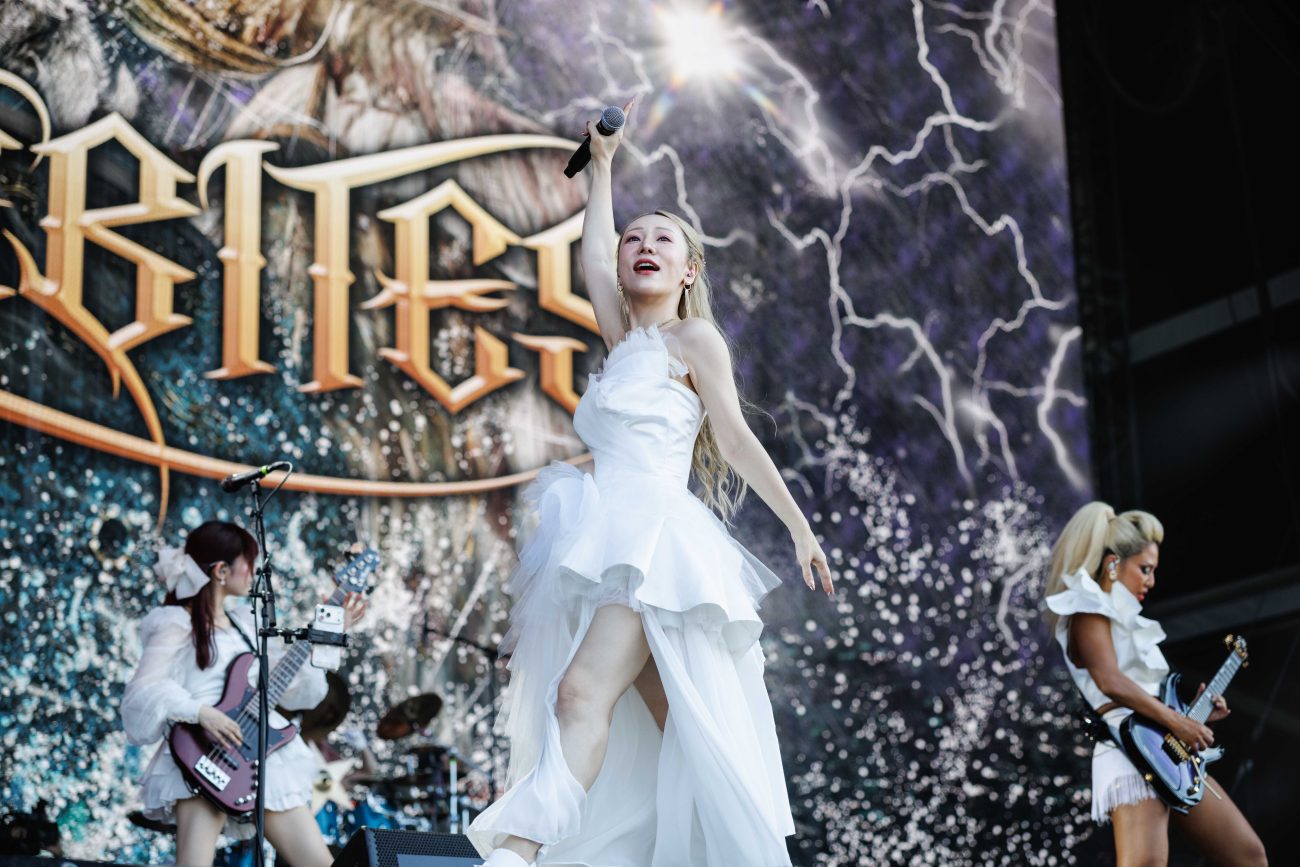
Photo: Peterson Marti.
The Hardkiss
In the spirit of keeping it worldwide, Wacken also welcomed back The Hardkiss, who played at the Church a couple of years back in a performance that’s stuck with me since. The Ukrainian band is pure rock energy — sure, if you ask around, people will tell you they’re not really metal, but Wacken has broadened its net over the last few years to make room for punk and straightforward rock too. Watching them perform in their original language on the Louder stage was a great sight. The production was heavy, with drones and photographers crowding the stage, which felt a bit much at times. Valeriy’s voice and stage presence, including stage outfits, were fantastic
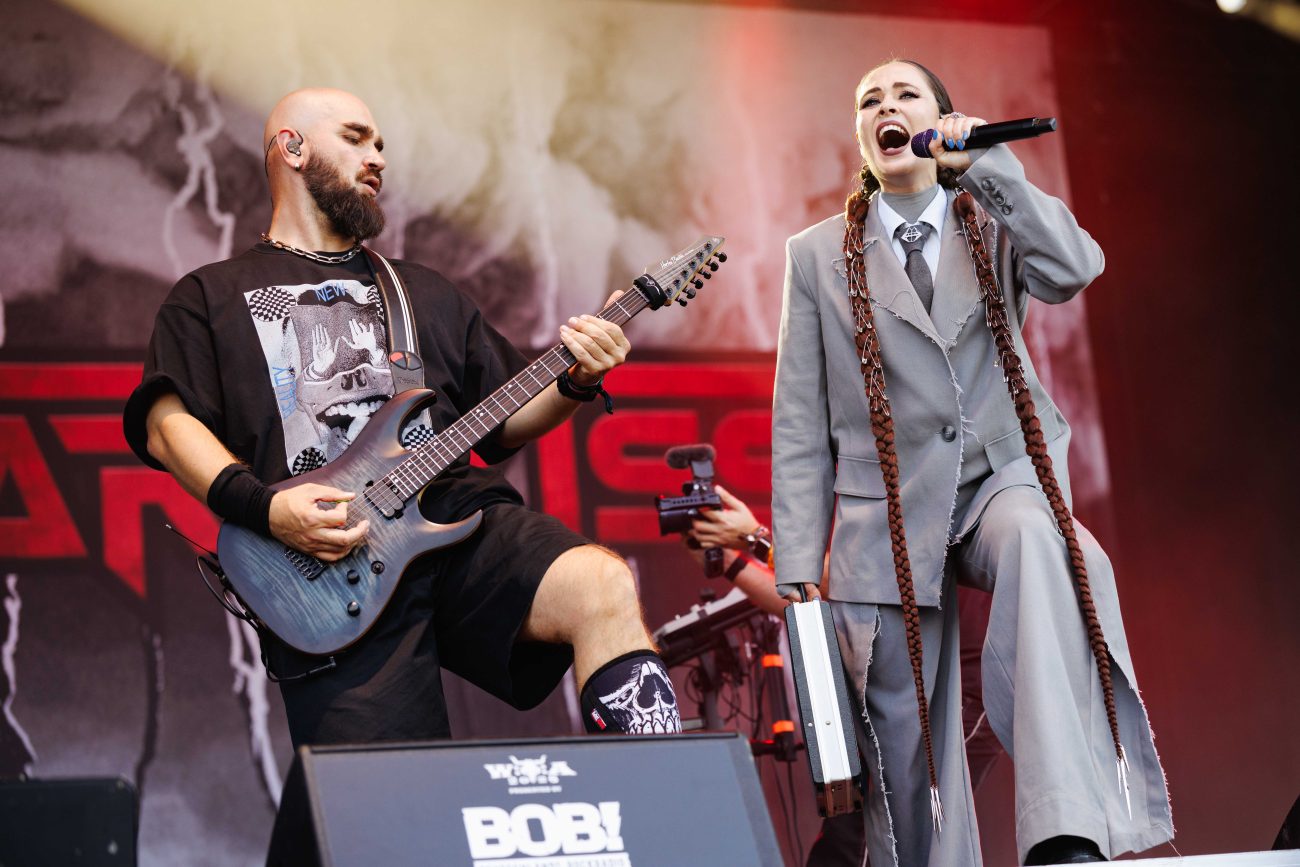
Photo: Peterson Marti.
The Gathering
The legendary The Gathering brought their “Mandylion” 30th-anniversary show, with Anneke van Giersbergen back on vocals. The reunion kicked off with five shows in Nijmegen last August and has since grown into a full tour through 2026, wrapping with a final concert in Amsterdam this coming January. The atmosphere here matched the occasion: nostalgia, tears, the kind of crowd investment only decades of love for a record can produce. Anneke herself was a vision, and the whole set pulled the day to a near-full stop, like the quiet at the end of a beautiful sentence. It felt like a full immersion, a genuine jump back in time, and I couldn’t have been happier to be there for it. Between Anneke’s movement and the band’s synergy, this was one of the day’s most astonishing sets. If you are wondering, yes, I got emotional.
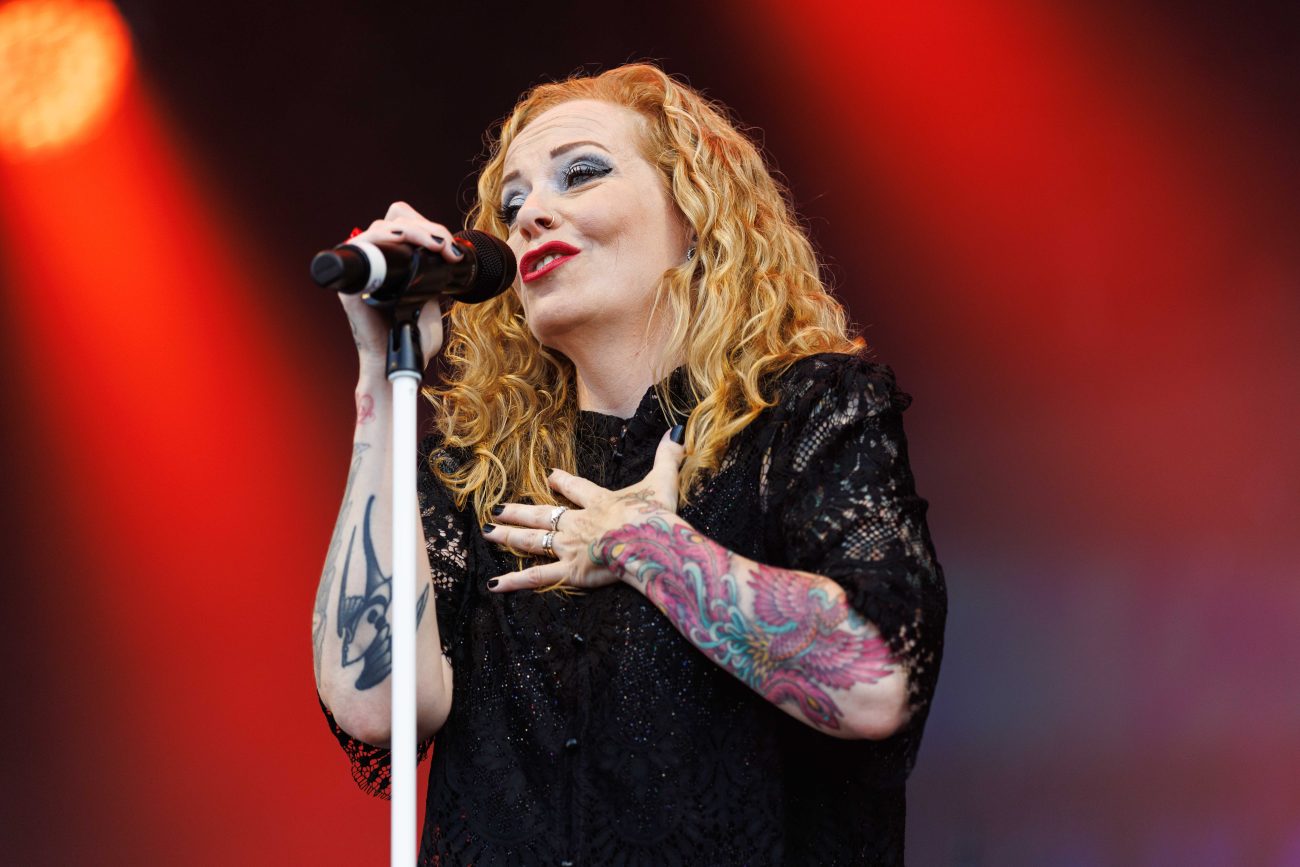
Photo: Peterson Marti.
Crypt Sermon
After that blessing, Crypt Sermon delivered a hard slap back to reality in the Wasteland, dragging us straight back into festival energy. In a metal landscape that sometimes forgets how to be heavy without being fast, Crypt Sermon is a reminder that few things hit harder than a slow, crushing riff played with total conviction. They were introduced by Marcel Schirmer of Destruction, no less, which tells you something about the respect this band commands.
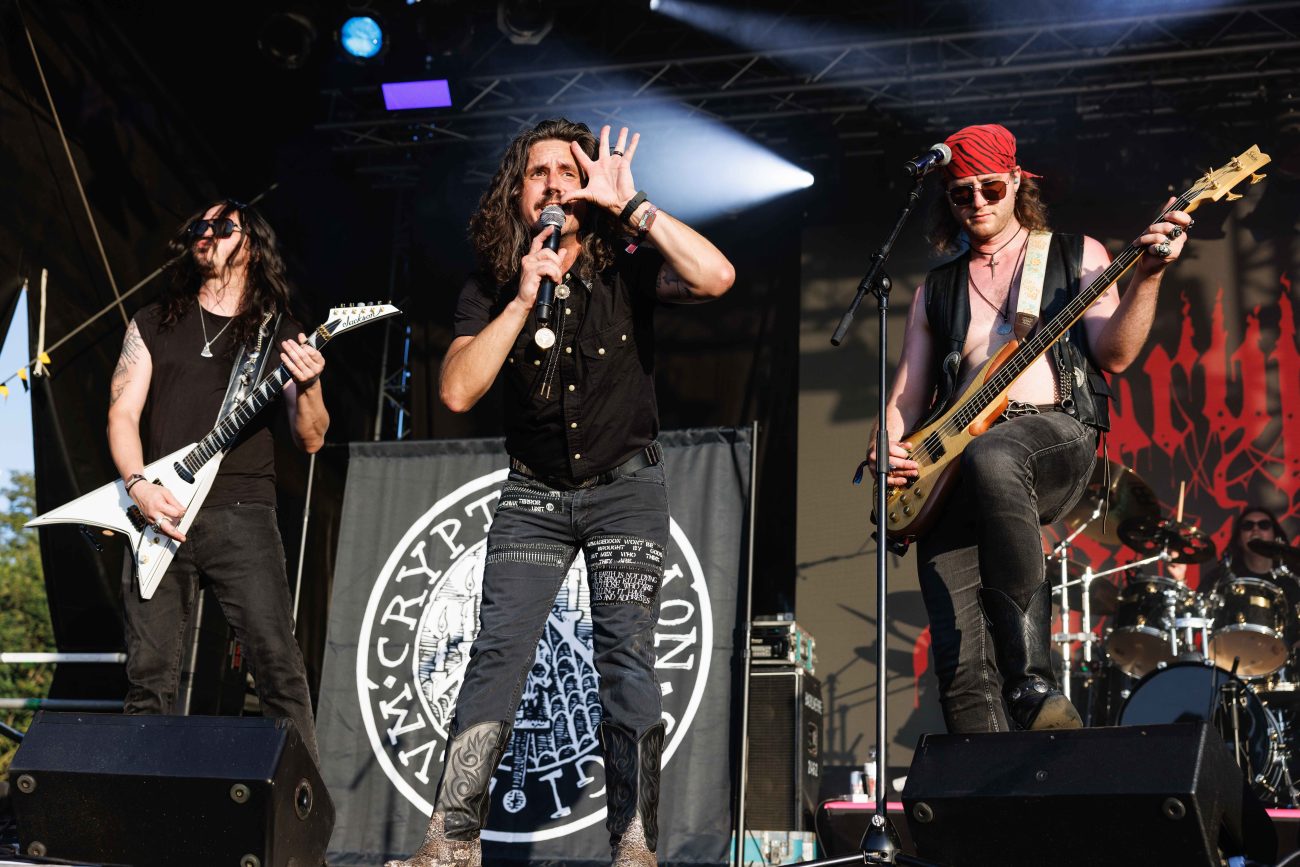
Photo: Peterson Marti.
Kadavar
Kadavar brought serious stage charisma. The psych/proto-metal trio, formed in 2010, dig into the early 1970s — Black Sabbath, Deep Purple, and Blue Cheer — filtered through a modern doom sensibility. Live, they’re a wall of vintage tone and hypnotic groove, playing with the intensity and volume of a much bigger band. The trio format gives every instrument room to breathe, and they filled that space completely. Their set felt like fresh air in a hot field under a setting sun, and their sound was exactly what their look promised — which I loved. Their tunes took me somewhere where time stopped, and the only thing you could do was dive in and let it carry you away. Their chemistry and stage presence added to the whole experience, and I could tell a few people around me were feeling it just as much.
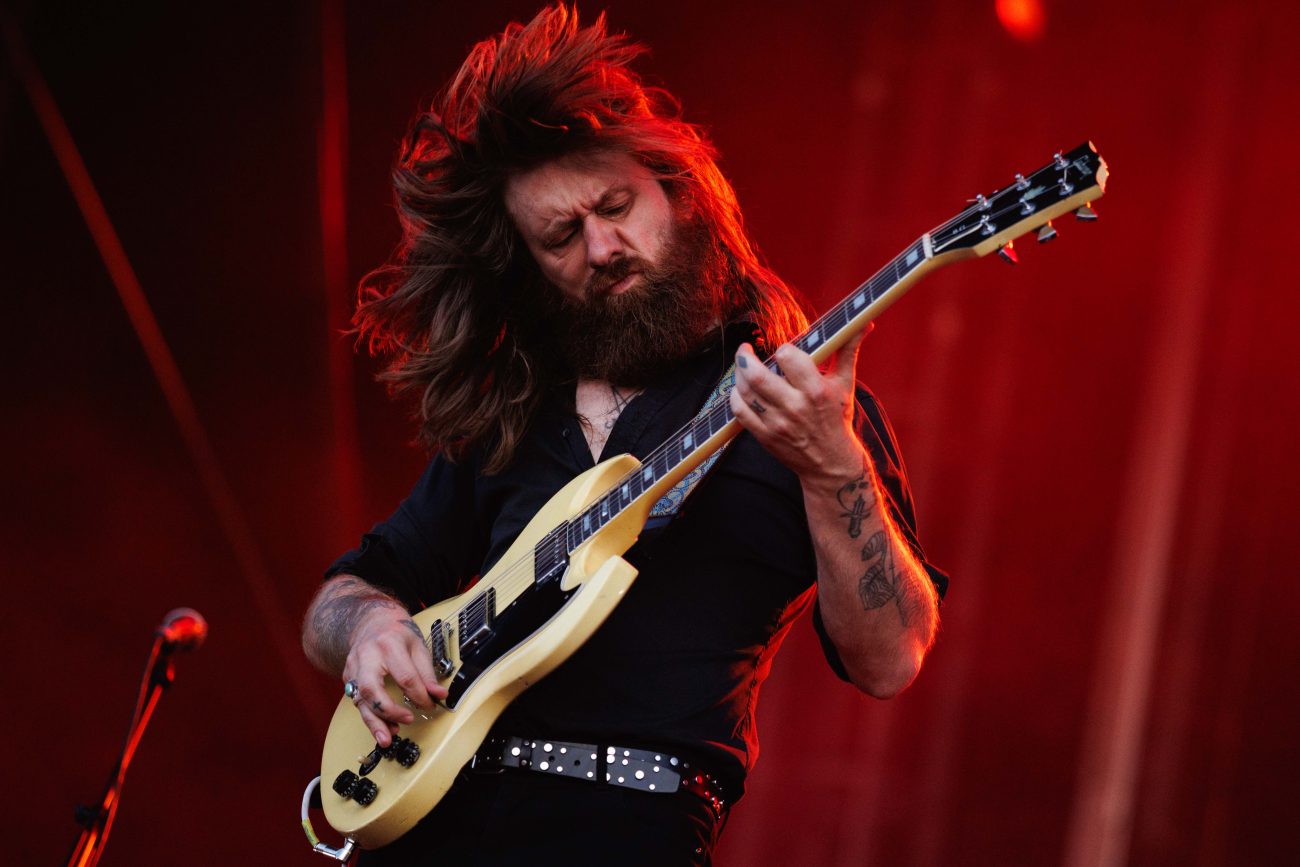
Photo: Peterson Marti.
The Troops of Doom
The Troops of Doom, the Brazilian death/thrash band formed in Belo Horizonte in 2020 and led by guitarist Jairo “Tormentor” Guedz — a founding member of Sepultura’s original lineup — smashed the Wasteland stage right after the sun set. With true believers present to witness the rawness of their set, I even got blessed by the holy fire of the Wasteland, not that I needed more heat, to be fair. Theirs felt like one of the few genuinely extreme sets of the day — this year’s edition felt a little softer on the extreme metal side overall, but hey, it is what it is.
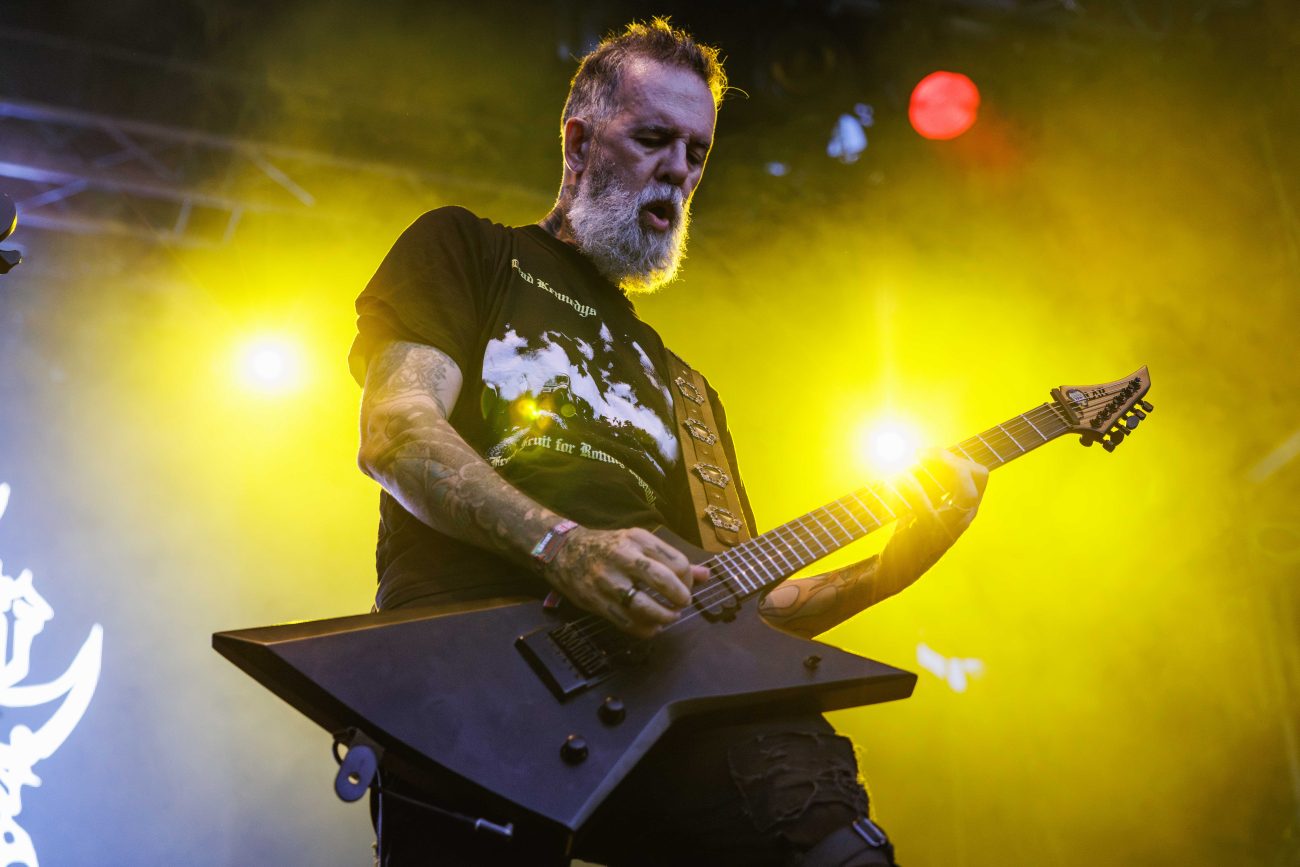
Photo: Peterson Marti.
Rose Tattoo
With softer tunes from Rose Tattoo, we closed out the first day. The Australian hard rock legends, fronted by a small man with a voice like a foghorn and the stage presence of someone twice his size, are history walking, and in Wacken they were well respected by many, as they’re no strangers to this holy ground. Their show was the perfect mellow note to finish the day, more of a wind-down set than anything else. The energy is channelled differently than in their peak years, but Anderson’s charisma and the band’s commitment to the songs mean shows are still worth attending.
We don’t expect anything less from this year’s edition, and if this is any indication of the week ahead, the anniversary edition has plenty to give.
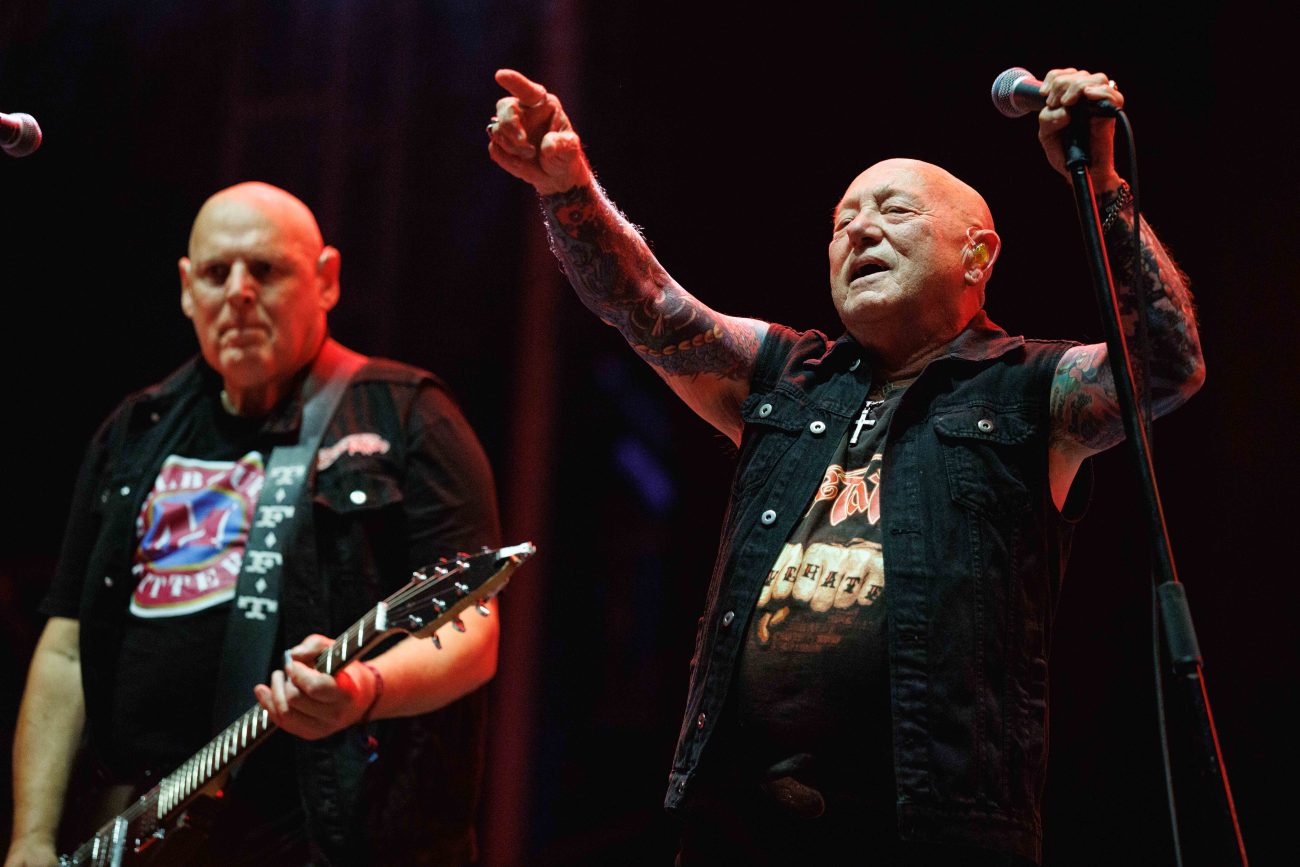
Photo: Peterson Marti