
Metal, Hardcore, Indie, Rock
“We’re three guys and we sound like a kick in the face” — Interview with Code Revenge
“I’m tired of being a slave/Of this monster/Claims to see my head fall/ Like a divine trophy“, roars Venezuelan singer and guitarist Antonio Candedo in “Hollow“, one of the singles from the latest EP by Madrid-based metalcore and post-hardcore act Code Revenge, entitled “Triggered”.
The group, made up of a Venezuelan, an Ecuadorian (bassist Kevin Mena) and a Colombian (drummer Felipe Camero), has begun to make a name for itself in the Spanish capital and other cities thanks to its wild, polished, powerful and refined sound, which blends various influences, and its blistering live shows.
With ambitious expansion plans, Code Revenge is looking ahead to 2026 with the intention of releasing a new EP and the firm intention of continuing to offer concerts and spreading their music far and wide. A few days ago, the band performed at the Barracudas venue in Madrid’s Salamanca neighbourhood, alongside Dip and Nerine, kicking off what is sure to be a busy year for them.
Before entering the studio in early January, Chaoszine sat down to talk with Code Revenge‘s vocalist and guitarist about the band’s plans for this year, their influences, life as Latinos in Spain, the themes of their songs, and other topics. Of course, since he is the Venezuelan frontman, we had to ask him how he felt when US troops attacked Caracas and other strategic areas of the country on January 3, a military incursion in which Nicolás Maduro and his wife, Cilia Flores, were captured. You can find out all about this in the interview with Antonio Candedo.
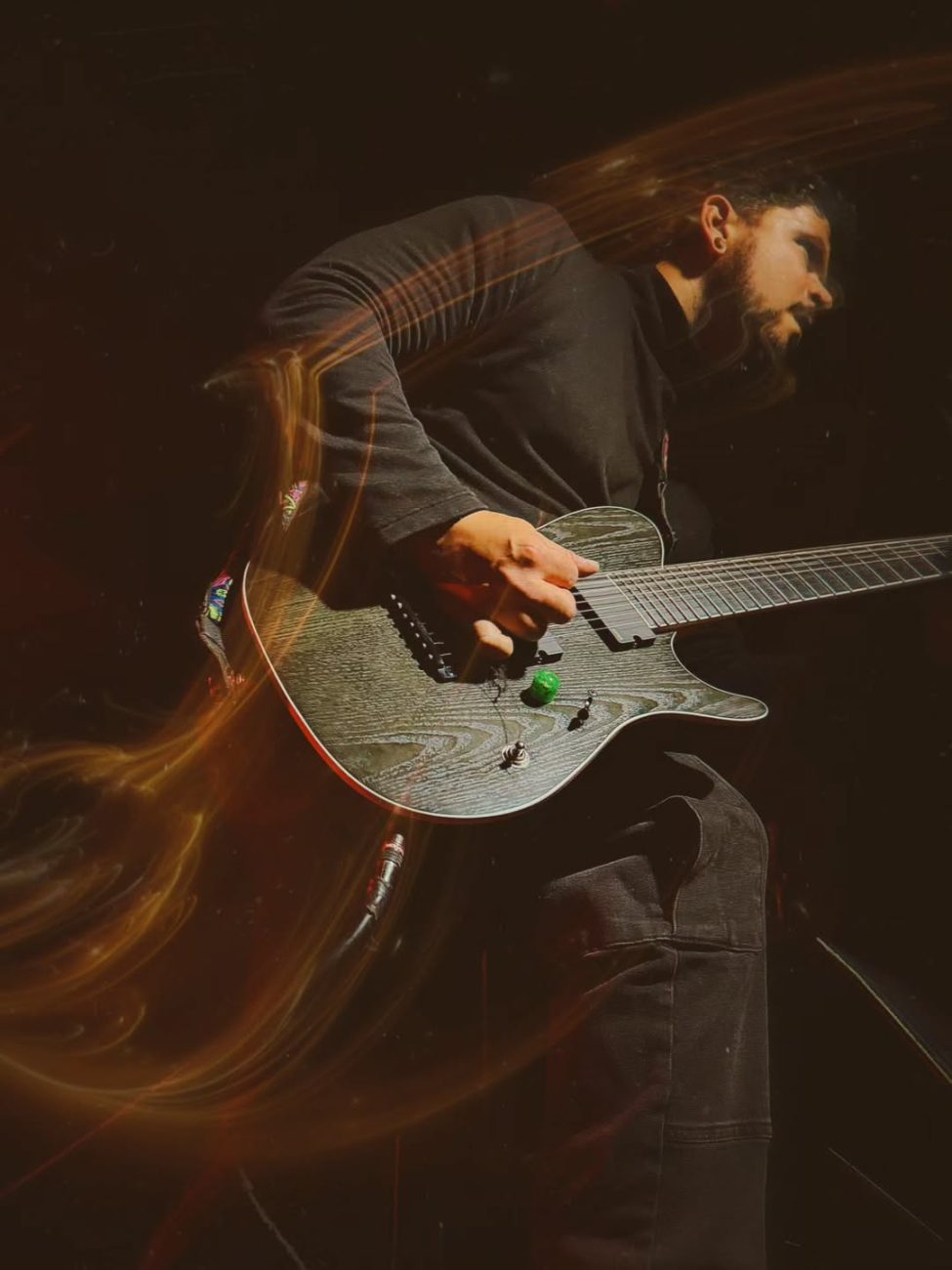
Code Revenge is a Latin band based in Madrid. How and when did you meet, and what was the idea behind forming the group?
We first met in 2021. I met Felipe first, and we started the project together. It all stemmed from a need for catharsis and to expand beyond our musical comfort zones. I came from a melodic metalcore group, while Felipe was the vocalist in another band. This was the first time he was going to play the drums in a group. A mutual friend insisted that we should form an outfit, so we got together. The idea was to create something completely different from what we had been doing before, and to create something powerful that could really take off (chuckles).
Code Revenge’s sound can be described as metalcore and post-hardcore, though I suspect the band draws on varied influences, including elements from other genres. Tell me more about that.
Actually, almost none of us like the same bands. The bassist, for example, listens to a lot of current metalcore bands, such as Architects and Bad Omens. Felipe is more into the underground scene and listens to stoner and hardcore. I listen to more metalcore and djent acts, such as Killswitch Engage and Northlane. We try to make everyone feel comfortable in the band. Although Felipe and I lead the songwriting, we give everyone space. In fact, we’re releasing a new EP this year, and each member has a say in each song, which broadens our musical style. The metalcore and post-hardcore elements emerged from improvisation in the rehearsal space. When you listen to the new EP, you’ll notice that it’s more diverse, with a greater variety of nuances and styles.
Last Friday, January 9, you kicked off the year playing at Sala Barracudas in Madrid alongside Dip and Nerine. How did you find that show?
We didn’t have high expectations, because here in Spain, 6 January is still kind of like Christmas, and it’s also Three Kings Day. People aren’t really in the mood to go back to work yet. We were invited to play on that date with bands of very different styles, and we opened ourselves up to something totally new. Everything turned out amazingly well. We almost sold out a fairly well-known venue, and people really enjoyed it. Something that fascinates me is that people always tell us we sound powerful. That’s what we’re going for, that’s what it’s all about: we’re three guys, and we sound like a kick in the face (laughs).
When you think of a power trio, you usually think of a rock or blues band. But in this case, there are three of you, and you have the vigour of a powerful metal band.
The crazy thing is that this band was originally intended to be a four-piece. Initially, there was a female vocalist, and I didn’t sing. In fact, I learnt to sing and play simultaneously with this project. It was a conscious decision.
What plans do you have for this year besides releasing the EP?
It’s going to be a busy year. We want to promote the video for “Hollow”, which we recently released. We’ll be releasing the songs from the new EP one by one, and we already have several concerts scheduled. Above all, we’ll be focusing on marketing and publicity. It’s all very DIY; we do everything ourselves. I’m the producer, Kevin is in charge of design, and Felipe is responsible for composition and connecting us with the Madrid music scene. We want to improve the band’s marketing strategy. We have a solid work plan that is somewhat automated.
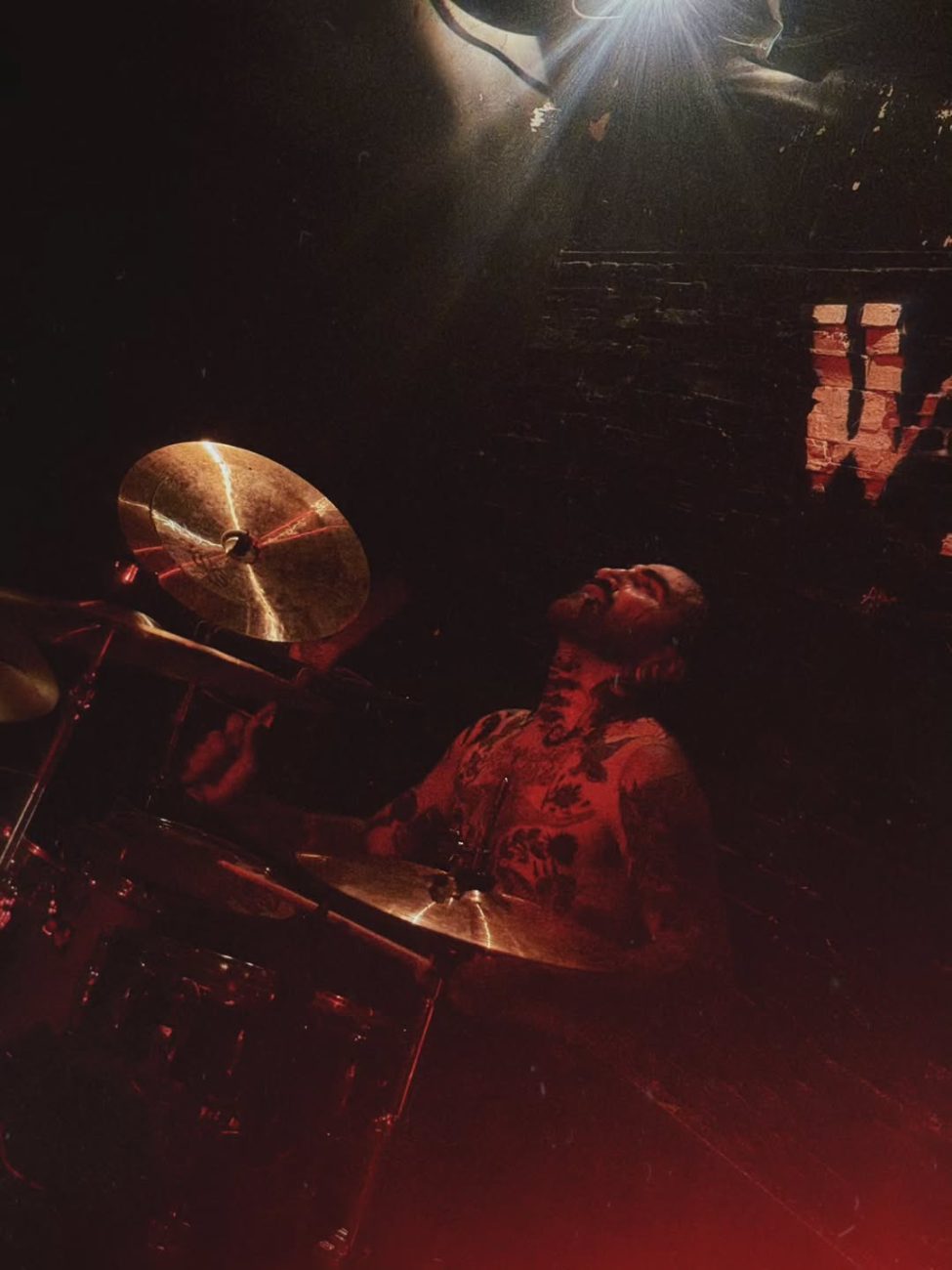
Let’s talk a little about the themes addressed in the songs.
There’s anger and catharsis, but that’s how the band started. The group began with the attitude of “let’s go and smash up a rehearsal studio.” That’s where the name comes from. Felipe listens to his stuff a lot, and I listen to mine, and we find a middle ground in the raw, hardcore part. The lyrics can be about spiritual or emotional revenge. The three of us write the lyrics together. I wrote “Hollow,” for example, and my lyrics tend to be more motivational or about overcoming obstacles. “Punishment” was co-written with Felipe and is about revenge, about letting go of everything. Then Kevin joined, and his lyrics are more about breaking social norms; they address politics and social media. In the end, it’s like a discourse about letting go of everything you have inside you.
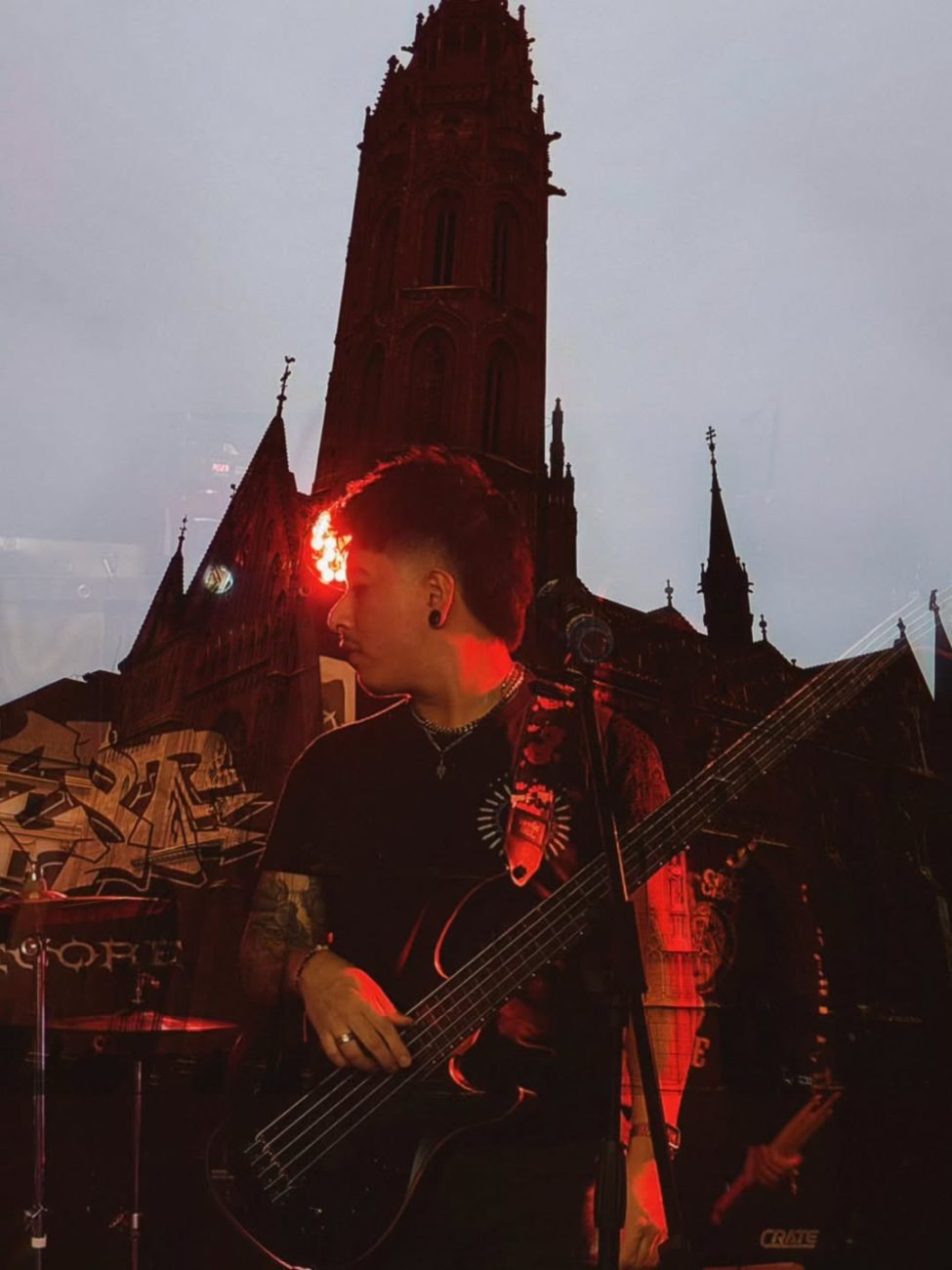
It’s an obvious question for you, being Venezuelan. What year did you leave Venezuela?
In 2016.
Wow, ten years ago. Well, what a mess on January 3 with the surprise attack on Caracas and other strategic areas by the US military. It was a lethal, surgical and precise operation, and they took Nicolás Maduro and his wife Cilia Flores, who were then transferred to New York, United States, to face charges of narco-terrorism and drug trafficking dating back to 2020. What was it like when you found out? How did you experience it?
It was a shock and a strange mix of emotions. We’ve been through so much with that feeling of “now it’s happening,” “now it’s coming,” so you learn to be resilient and cautious with these things. For better or worse, that person is now in prison. Personally, I think we’re getting rid of them one by one. Whether it’s Maduro, Kim Jong Un or whoever. Look, there are still people living there, people suffering. This isn’t over. We celebrate, but we carry on. We can say it’s not pleasant that international law was broken, but at the same time, there was no freedom for the people of Venezuela before. I had to come to Spain at a time when people were being killed, when they were looking for you and persecuting you. I can’t go back, for example.
What city are you from?
Maracaibo. I was at university when everything exploded at its peak and, like all young students, we joined the protests. For me, going back is no longer an option. Thank God I have Spanish identity papers, but I don’t have Venezuelan papers and I can’t get them back, nor can I visit my father, whom I haven’t seen for 15 years. In the end, it’s all politics, and I think people should come together. Let the politicians fight among themselves with their nonsense. The people are what matter. Whether it’s the right or the left… People have already suffered too much for us to start arguing over political flags. We have to support each other.
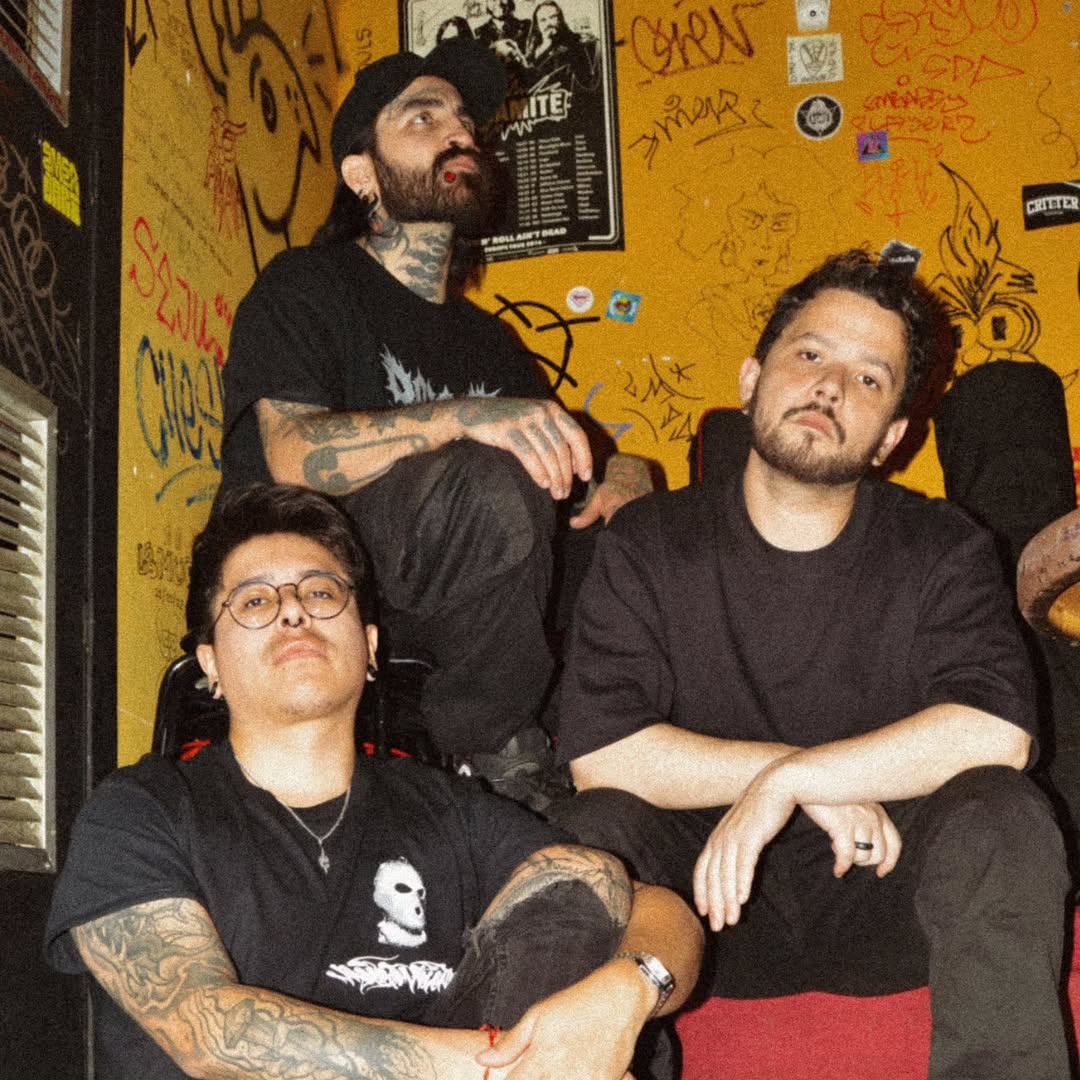
What are the main cultural differences between Venezuela and Madrid, the Spanish city where you live?
Europe is very different from Latin America. In Latin America, people tend to be closer and more open with each other. In Europe, people tend to be more distant, but that’s because their experiences are different to ours. As an immigrant, however, I never felt out of place here. You never feel out of place. Here in Madrid, there are people from all over Spain and the rest of the world. Spain is very open-minded, but it’s also quite individualistic in some ways. Argentinians and Venezuelans tend to want to move forward; we’re always eager to get things done. We’re like that too, but here everything happens in its own time, and that’s something you have to adapt to.
What about the Madrilean scene?
Musically, though, they’ve always opened the door for me. I was able to earn more money from music here than from my regular job. In Latin America, it’s very difficult for musicians. There are more opportunities here, but you still have to work hard.
In Madrid, you can develop a music scene. I recommend Threats, a band that we share a rehearsal space with. The singer is Venezuelan, the bassist is American, the drummer is from elsewhere, and the guitarist is Galician. I’ve never been treated badly in Spain, nor have I ever felt inferior.
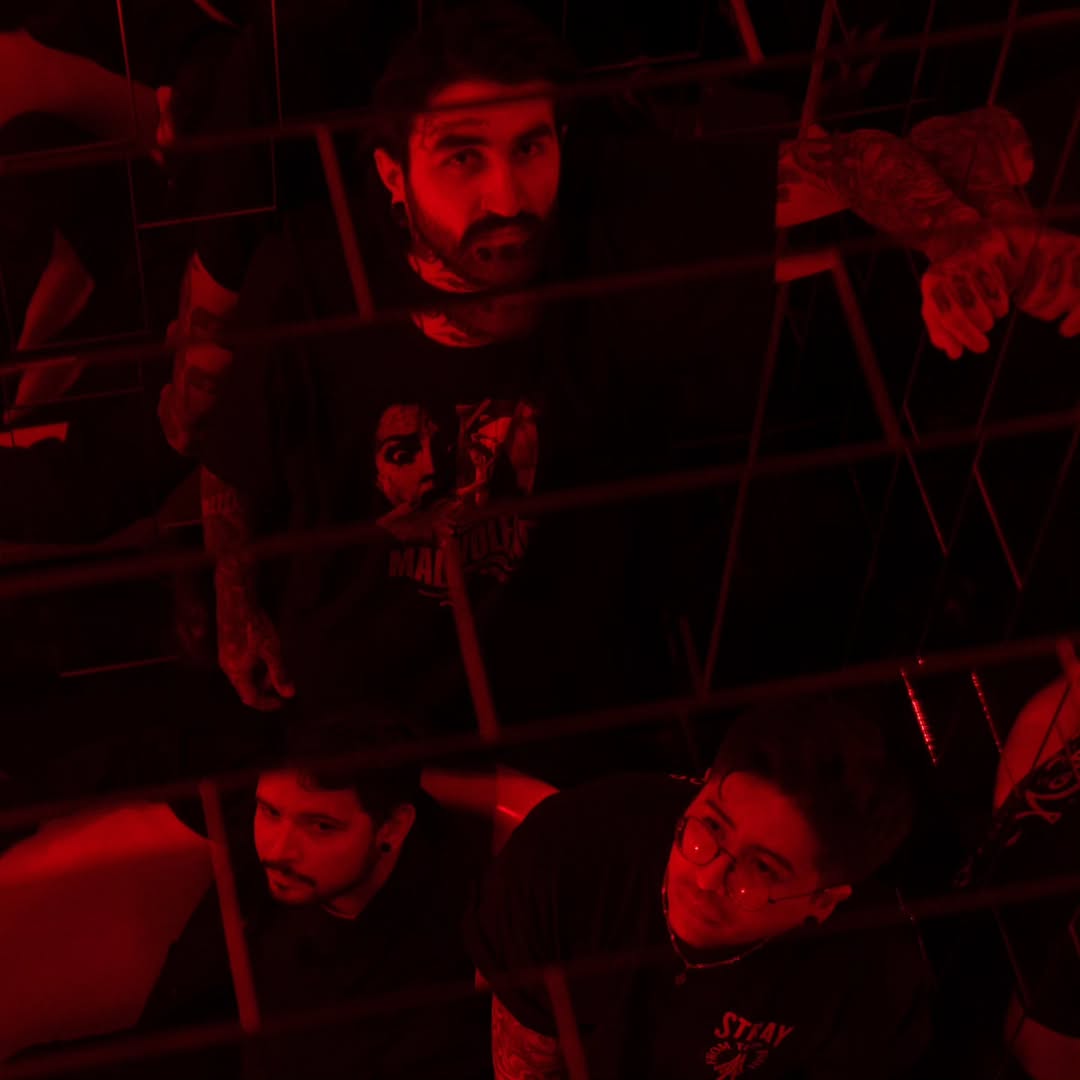
More info about the band here.