
Metal, Hardcore, Indie, Rock
Photo credit: Marko Syrjälä
“Still going on strong after 58 years”: Deep Purple in concert at Metro Arena, Espoo, Finland – Live report
The atmosphere inside Espoon Metro Areena on June 11, 2026, carried the heavy, unmistakable scent of nostalgia, but more importantly, it crackled with the ozone of high-voltage rock and roll. To witness Deep Purple in the current landscape is to engage with a living paradox: a band that practically authored the hard rock blueprint way over half a century ago, 58 years, to be precise. Yet the London-based five-piece-group still approaches the stage not as a museum piece, but as a vital, multi-talented musical beast. Today Deep Purple was here to start their trek of ‘Mad In Europe Tour 2026’ to support their yet-to-be-released, 23:rd studio album, “Splash!“.
As I walked into the arena in the Sports Centre of Espoo, the average age of the attendants was way over forties, but luckily members of younger generations were also present. The opening band, a fiery, Finnish three-piece-rock n’ roll-machine, Sweatwaster handled it’s responsebilities with high-energy precision and humble attitude in it’s 10-song-set. Their songs from latest album, “More!” revived a feeling, that even if years and decades may have flushed away the sharpest edge in the live-shows, the music and sense in writing brilliant tunes has actually lift the band to all new level.
From the moment the house lights died and the opening intro detonated through the PA and space-themed video-montage representing their album artwork back-cataloque on the screen, I felt my knees shaking. As the opening chords of “Highway Star” roared from PA, any sort of slight skepticism was instantly vaporized. This wasn’t a band resting on its laurels; it was a unit operating with a collective urgency that defied their biological clocks. What struck me immediately was the sonic chemistry of the current lineup. While the loss of foundational elements over the decades usually dilutes a band’s core identity, Deep Purple felt remarkably rejuvenated.
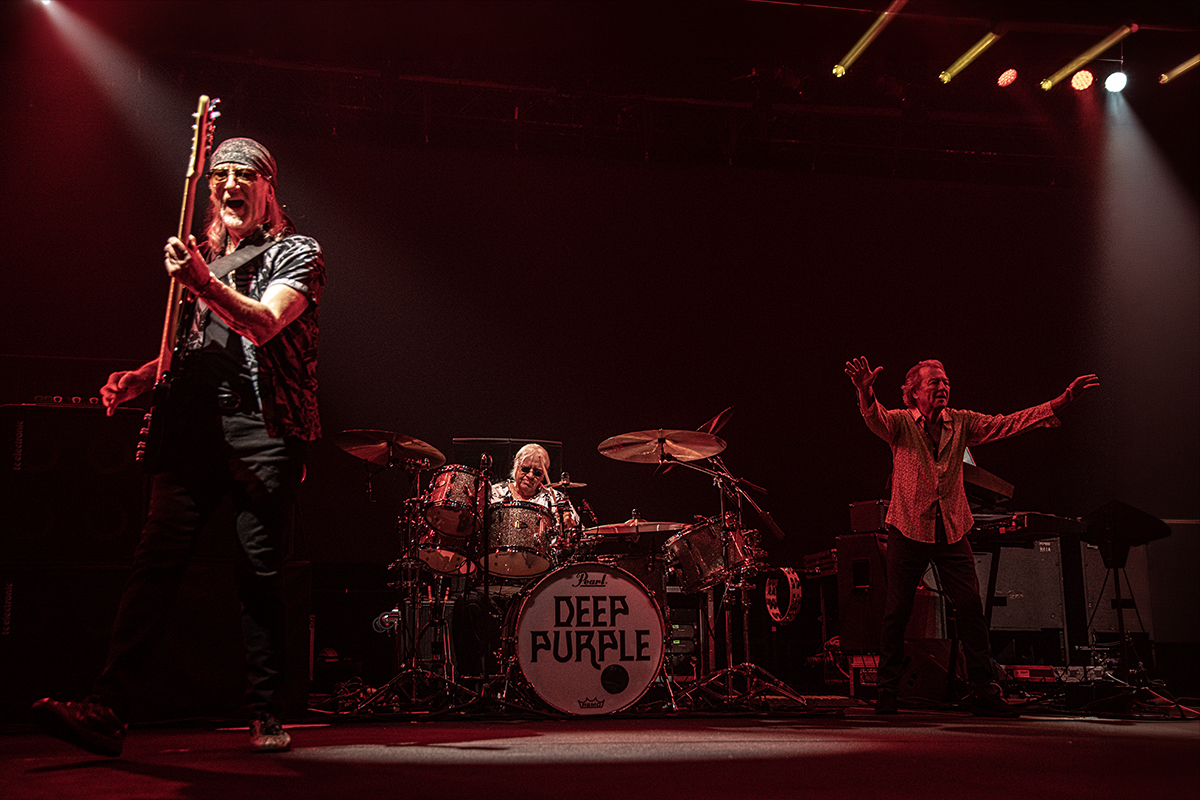
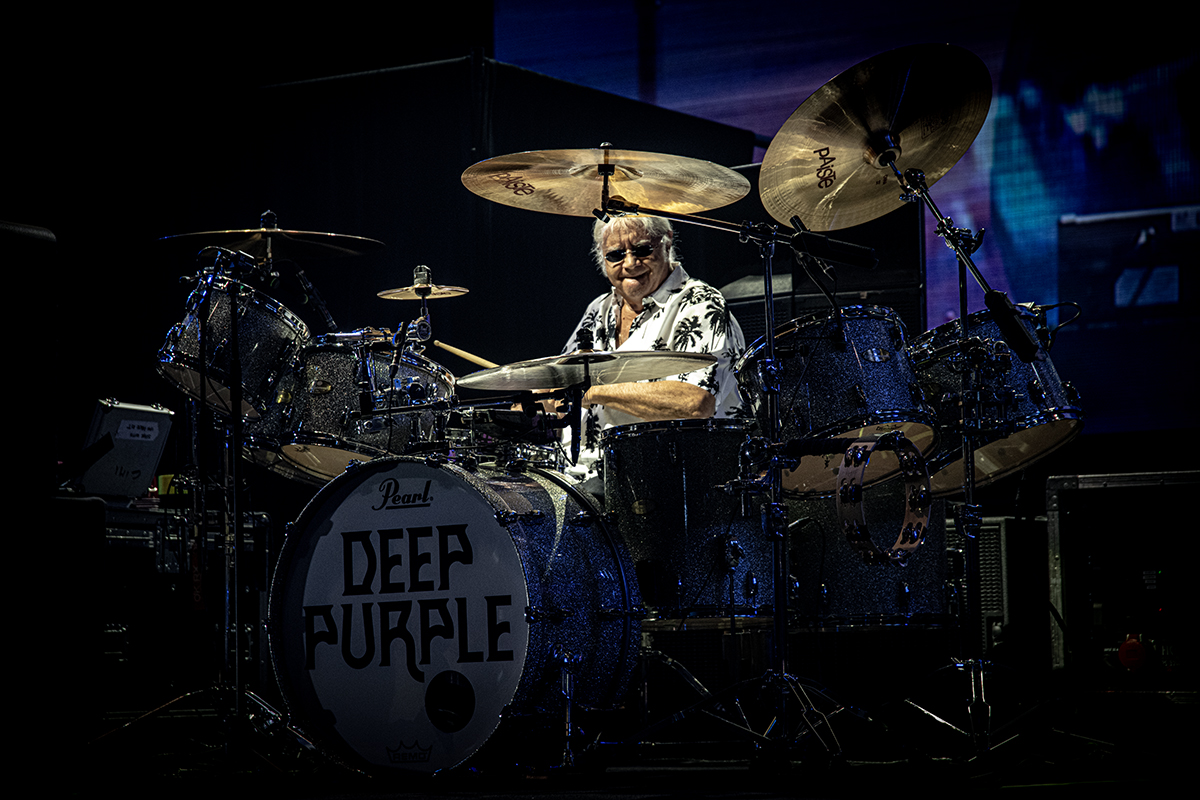
For example drummer Ian Paice, whose groove has defined generations of rock drummers, anchored the evening with a masterclass in swing and power. His snare cracks had the crispness of a man forty years his junior, driving the pocket with that signature, jazz-infused push-and-pull that has always separated Purple from their more rigid peers. The relrntless double-kick drum beat on “A Bit On The Side” bought pure groove metal elements to the elegant hard rock song. Band also threw in live debuts for brand new tunes, thrashy “Arrogant Boy” and more bluesy “Diablo” from the becoming album, “Splat!”
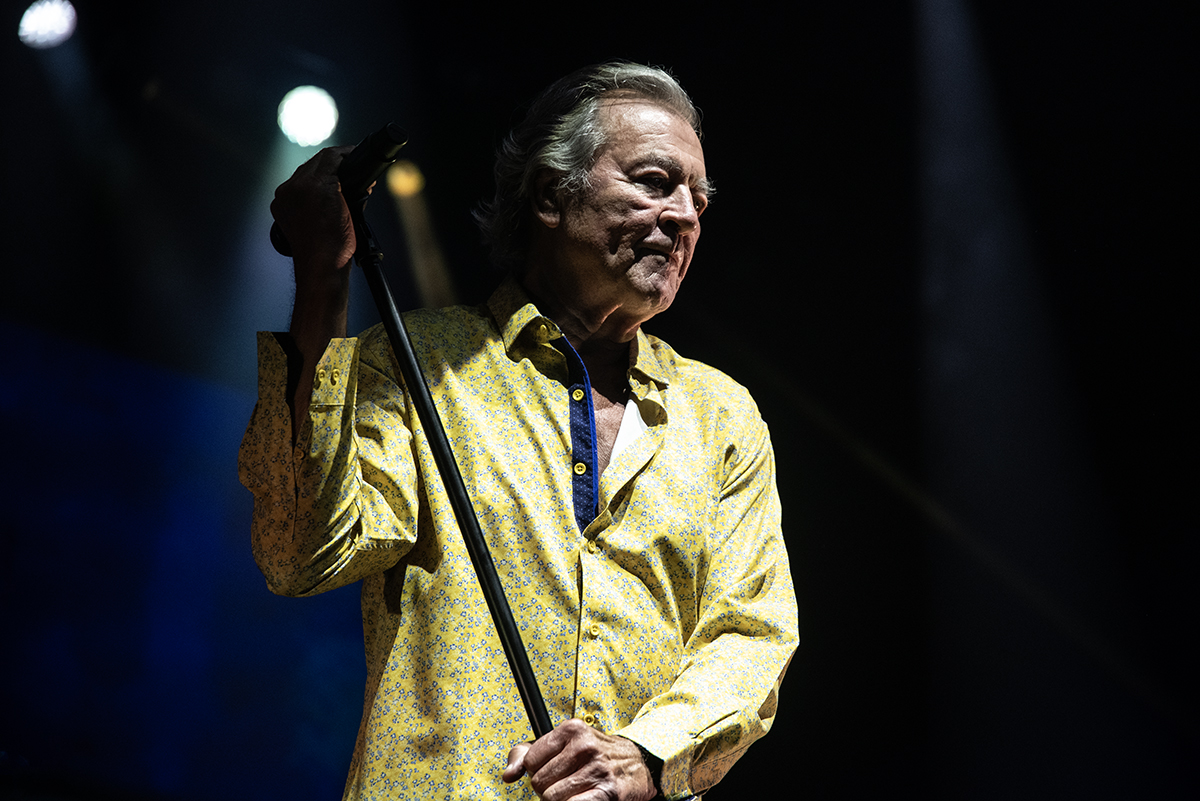
The focal point of much critical scrutiny in recent years has inevitably been Ian Gillan. At this stage in his legendary career, expecting the glass-shattering screams of the early seventies would be both foolish and unfair. Yet, Gillan’s performance was a triumph of vocal intelligence and charismatic elegance. Even if sometimes he suffers from inability to keep the balance when moving on stage, shaky hand when holding a microphone and difficulties in high-pitched screaming vocals.
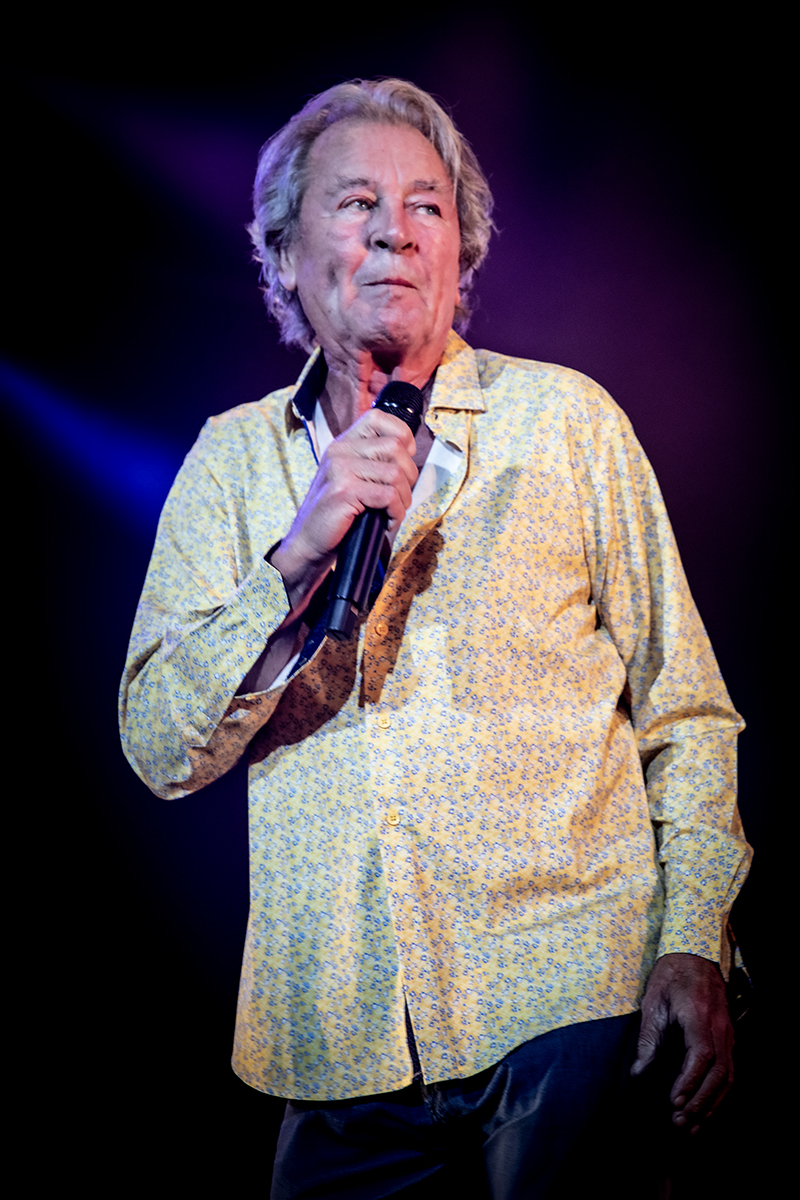
He navigated the melodies with a weathered dignity, leaning into his lower register and utilizing a bluesy, conversational grit that added a compelling layer of emotional gravitas to the material. The band used it’s strengths wisely as he stepped back during the instrumental parts and gave the limelight to his bandmates while disappearing behind the wall of amp stacks. And as he got back on stage, with a proud, enigmatic grin, he looked like a shaman watching his tribe conjure fire.
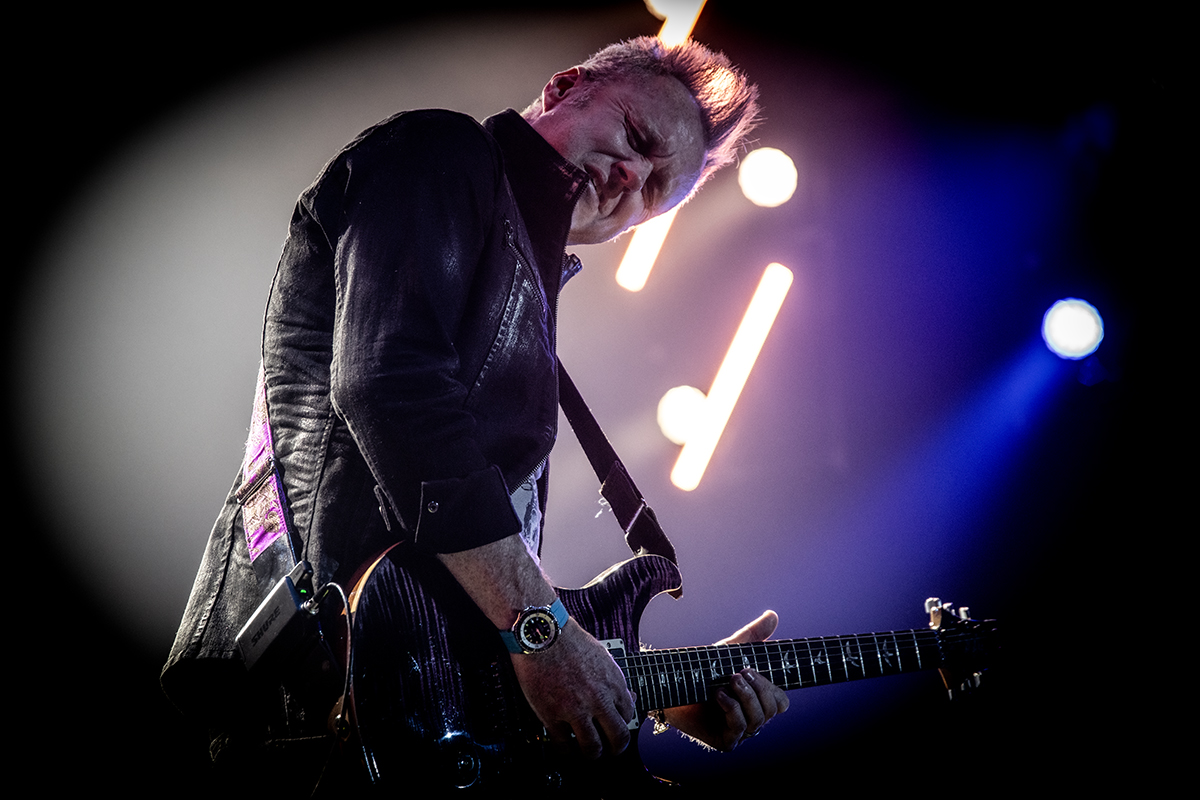
…And fire they did conjure, largely thanks to a great newish guitar hero, Simon McBride. Replacing a virtuoso like Steve Morse, let alone the ghost of Ritchie Blackmore, is a task that would have swallowed lesser guitarist as a whole. McBride, however, hasn’t just filled those shoes; he practically re-made those to fit perfectly in his feet. His tone is pure assault of heavy blues and neoclassical flash, injecting a raw, metallic edge and also sensitive tenderness into the classics while still respecting the architectural integrity of the original compositions.
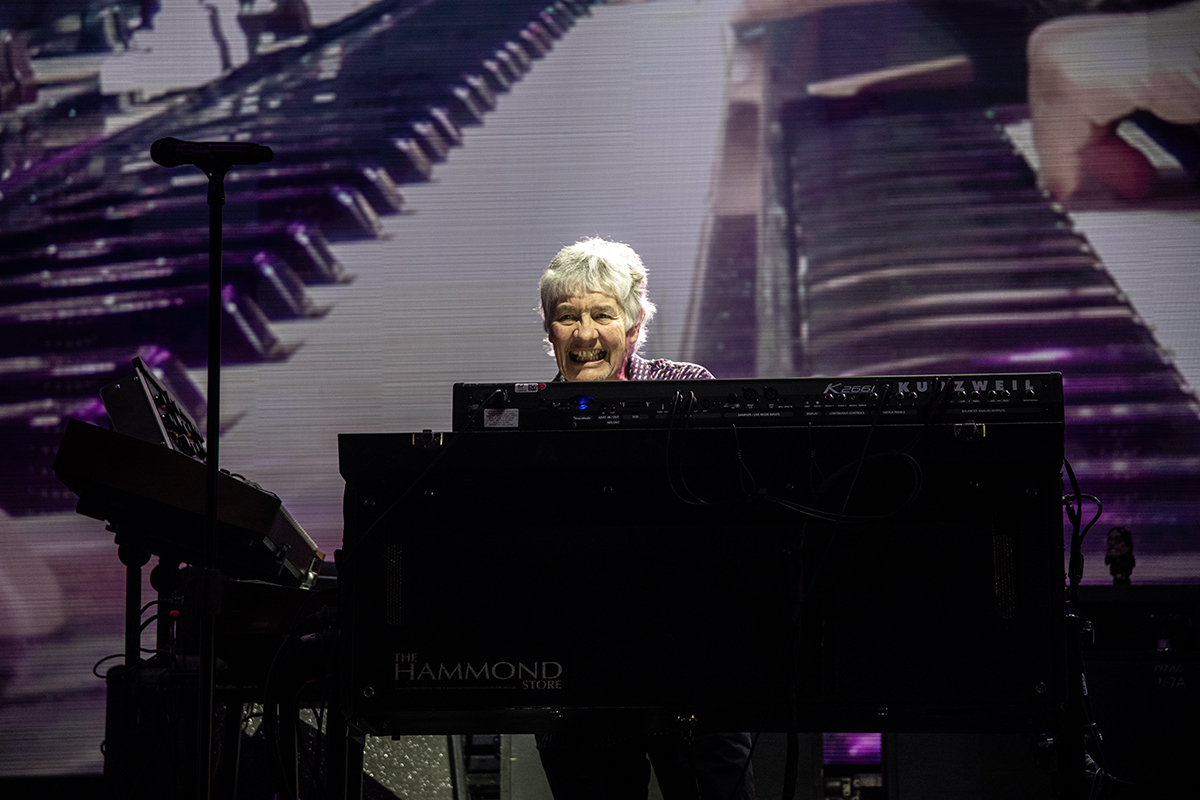
The interplay between McBride and keyboard wizard Don Airey during the extended jams was the absolute emotional peak of the night. Airey, a virtuoso who treats his Hammond organ like a roaring spaceship, traded modal licks from late Jon Lord’s songbook. His trademark solo hereby features also a snippet of “Finlandia” -a classical-music-masterpiece by famous, Finnish classical music compositor, Jean Sibelius. Airey’s solo spot served as a brilliant bridge into the band’s most colossal songs.
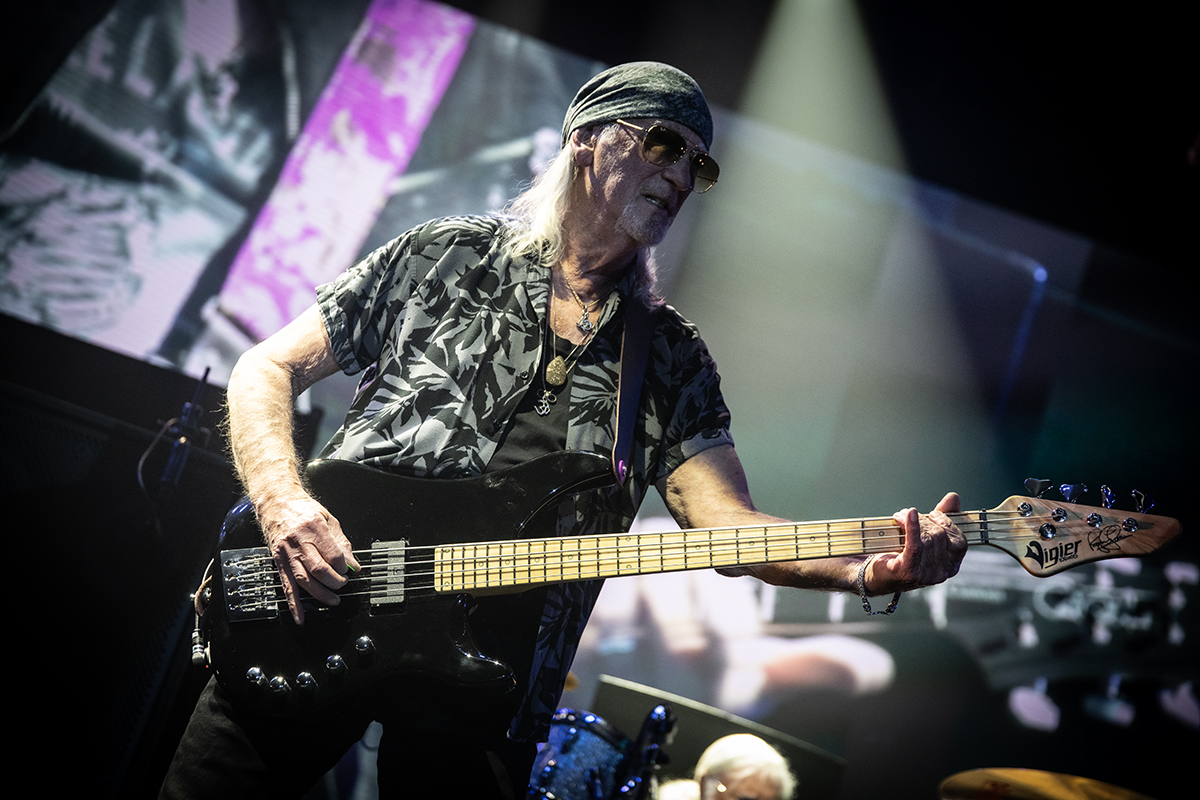
Roger Glover’s solid bass lines held the entire sprawling sonic experiment together, his low-end thundering was seamless with Paice’s highly skilled, groovy beat to create a monolithic foundation. The setlist itself was a finely calibrated journey, balancing the mandatory monolithic anthems with deeper cuts that allowed the band to stretch their improvisational muscles. It is in these extended, jamming territories where Deep Purple truly separates themselves from their arena-rock contemporaries. Breathtaking and bittersweet ballad, “When A Blind Man Cries” brought some authentic bluesy feeling to the set.
In an era where live music is increasingly sterilized by backing tracks and rigid click-tracks, ‘Purple’ remains beautifully natural and not afraid to show it’s aging. They took risks on the Metro Areena stage, missing a microscopic beat here or extending a transition there, which only served to highlight the authentic, human pulse of their music.
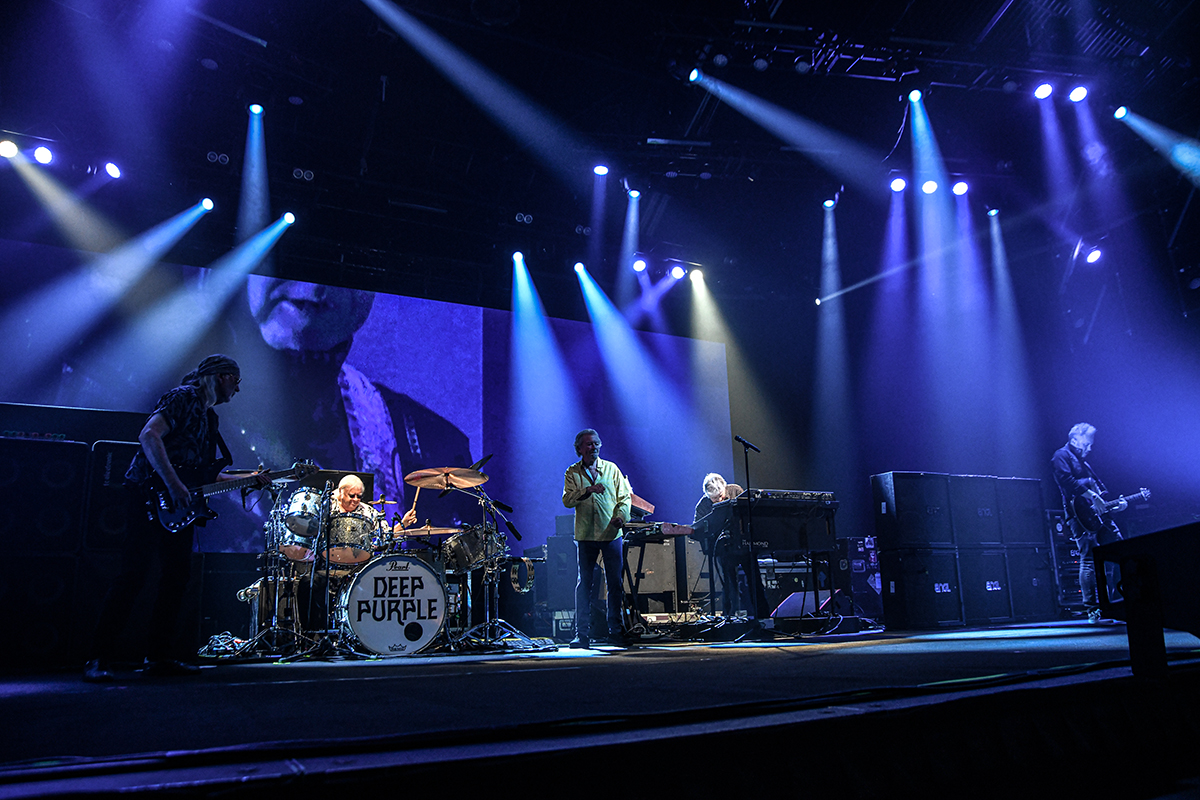
As the opening riff of “Smoke on the Water” inevitably echoed through the concrete corridors of the arena, the crowd went absolutely nuts. Even if the riff has been played a million times, now it felt newer and even primordial.
Deep Purple’s performance in Espoo was not merely a nostalgic trip down memory lane; it was a loud, proud, and defiant statement of artistic vitality in all it’s inabilities. True rock royalty doesn’t fade away into silence without dignity. These elder statesmen of British rock were still able to deliver the goods. – Even at their ’80’s, still.