Metal, Hardcore, Indie, Rock
“We want that every youngster can be who they are and that they have their own voices heard.”
The statement, by Alexander Kuoppala, captures an idea that goes beyond learning to play guitar, singing in a band, or discovering the sound of rock and metal. For the people taking part in Rock Camp in Finland, music can also be a way of creating space for young people to express themselves, connect with others, and feel that they belong.
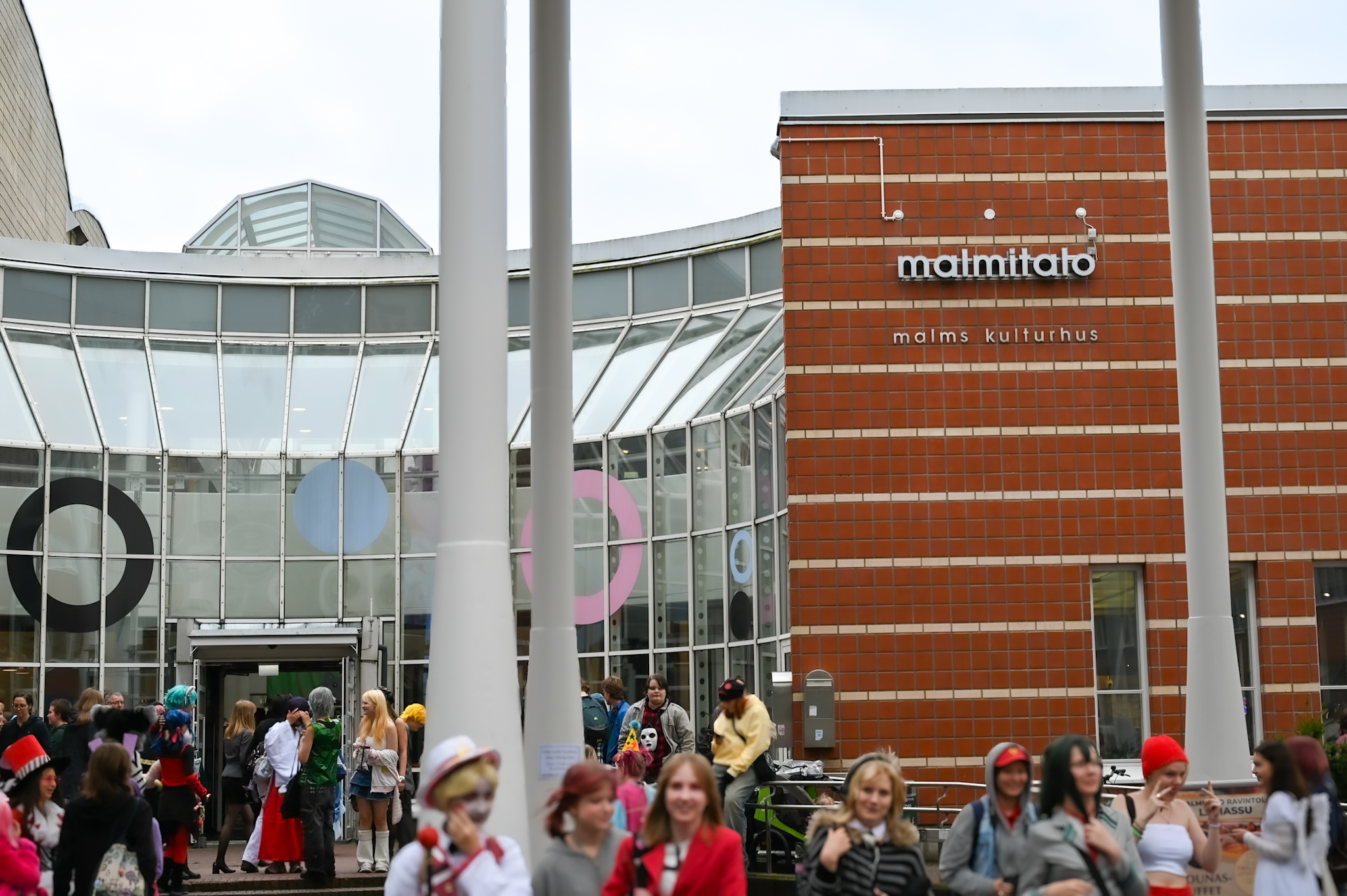
It was a rainy autumn Saturday afternoon when I arrived at the cultural centre Malmitalo, in Helsinki city, to have a chat with Alexander Kuoppala (Children of Bodom and Thyrargo), one of Rock Camp’s instructors, and with Tiina Laukkanen, director of Malmitalo. To my surprise, I was greeted by hundreds of young people dressed in colourful and creative cosplay outfits. They weren’t there for Rock Camp, but for a cosplay megaevent named Nezumicon, organised by a youth initiative. Those youngsters’ energy definitely made for a lively welcome.
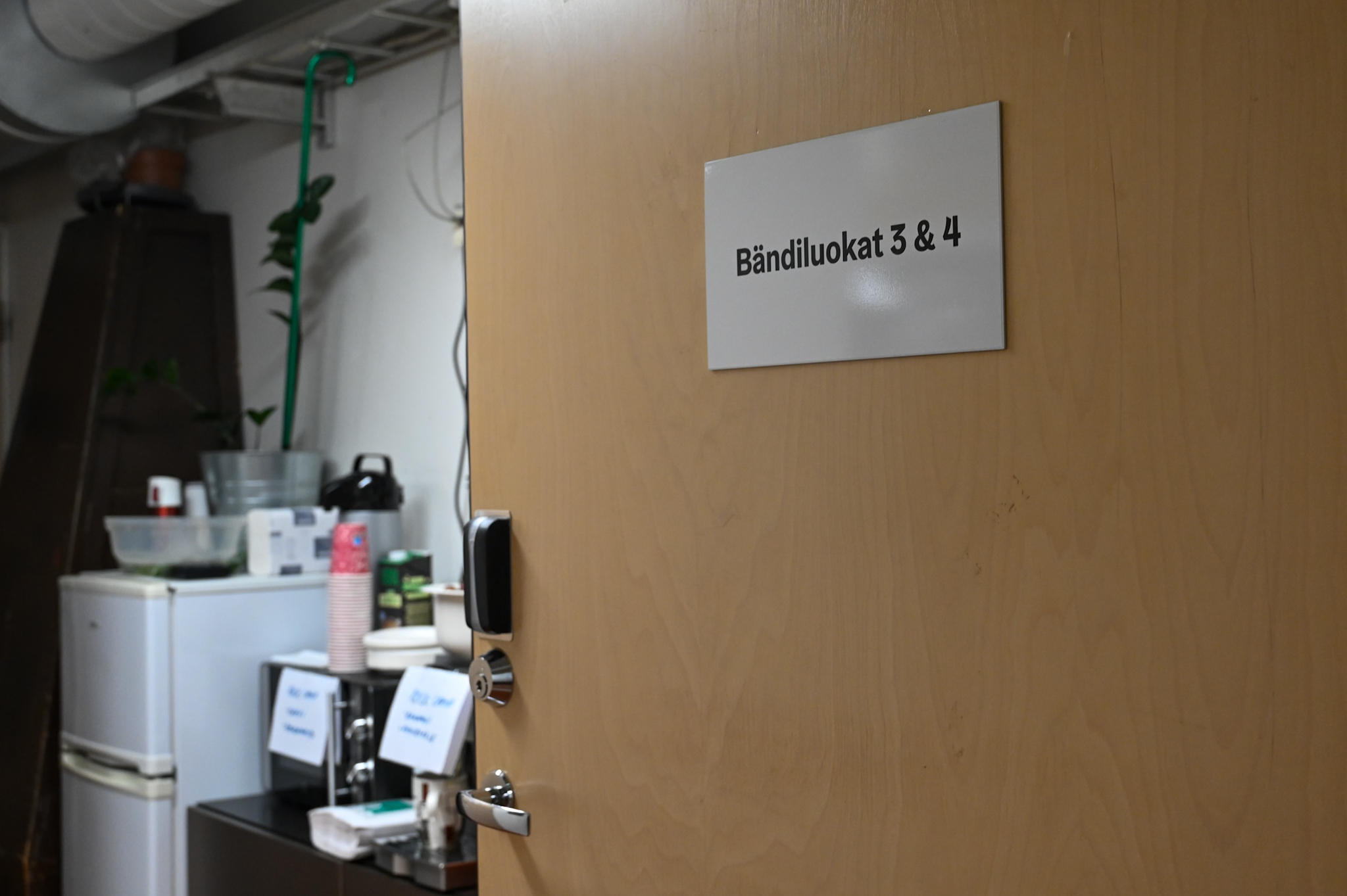
As I made my way to the rehearsal rooms, the sound of heavy guitars filled the corridors. Three young guitar players stood waiting with their instruments, seemingly preparing for a performance. There was a mix of nervousness and excitement in the air, along with a relaxed, friendly atmosphere. This is the spirit behind Rock Camp.
Now imagine you being a young fan of rock or metal and having the chance to learn and practice with musicians whose names you might already know from some of your favourite bands! Well, Rock Camp offer such a possibility for several youngsters around Finland. Rock Camp is a Finnish music and social project that uses rock and heavy metal as a hobby and a way to bring young people together to play, encourage participation and support their participants’ personal and social development.
The activities take place in different formats, depending on the location. For example, in the cities of Oulu, Joensuu, and Tampere, Rock Camp organises weekly gatherings, including music workshops and jam sessions, where young people can simply play together. In Helsinki’s autumn camp, for example, the activities were organised as occasional intensive camps lasting three days. Tiina Laukkanen told me that the partnership between Malmitalo and Rock Camp was born after she met the project’s activities in Lauri and noticed the lack of accessible music- and metal-related hobbies for the youth in the capital area: “In my opinion, it is very good that this activity is basically available for all youngsters, even if they don’t have a lot of money to pay”, says Laukkanen. For taking part in Rock Camp activities, the participant has to register through the project’s website. As many of Rock Camp activities are financed by public funding, most of the activities are free of charge or at a small fee to cover food expenses.
Alexander Kuoppala explains that, during the camps, participants get to know each other, split into bands, choose songs to work on and rehearse as a group. “And usually what happens is that we have 20 youngsters and 13 of them are guitar players!”, he says, as we laugh of the challenge the instructors have to form bands with so many guitar players. The camp experience usually culminates in a live performance, giving the young musicians a chance to showcase what they have learned and achieved during the camp.
The icing on the cake (or would it be this the whole cake?) is the fact that the participants are instructed by established artists from the Finnish and international metal scene. Among them are Alexander Kuoppala himself, Mathias “Vreth” Lillmåns (Finntroll, …And Oceans, Dispyt), Jaakko Puusaari (Portion Boys), Vesa Ranta (formerly of Sentenced, also Cemetery Skyline, The Abbey), Lauri Tuohimaa (For My Pain…, Charon) and Petri Lindroos (Ensiferum, Warmen, Satanic North), along with many other talented musicians.
During rehearsals and meetings, of course, that young participants’ curiosity about their instructors’s famous careers don’t go unnoticed. Alexander Kuoppala acknowledges, for example, the participants’ curiosity about his career, explaining that they are often eager to learn how to play songs by Children of Bodom:
“I get there and play Children of Bodom all the time, because that’s all they want to learn. (laughs) Just today, they were asking things like, ‘Hey, when you recorded that album in 1997, how did you do this and that?’ They’re always curious and excited to hear these stories, and I love that.”
And who could blame this youth? Any metal fan would jump at the chance to hear the stories behind the career of a guitarist from one of Finland’s biggest metal bands! And that’s another plus in Rock Camp’s low-threshold activities: they are designed to make participation easier, reducing barriers that might otherwise prevent young people from getting involved. In a music setting, this can also mean having an opportunity to try an instrument, meet others with shared interests, learn at one’s own pace, and participate without needing to arrive with advanced skills or a clearly defined musical identity. Kuoppala completes this idea by emphasising the fact that Rock Camp instructors are not only teaching music, but supporting youth’s grow and confidence. He says:
“My job is to kind of like walk beside them for these couple of days in a way. I’m not just a music teacher. I walk beside them so they get this experience that they are heard. That’s really important to me.”
When I asked Alexander to tell a bit about how Rock Camp started, he explained that Rock Camp began in 2009, as an effort from Satu Haveri, the director of the whole project. He also said that back then, Rock Camp was a small project that, even during the pandemic restrictions, managed to keep its activities going on. “And then it just started to grow all the time. It was really like growing rapidly in every direction.”, says Kuoppala. Nowadays, beyond the camps and regular activities around Finland, Rock Camp has international connections: the project has begun to take on an international dimension in recent years, with camps in Iceland and Malta. My Latin American heart was already eager to ask about possibilities in South America, but then Tiina herself suggests:
“Maybe in Brazil on day?!”
And once again, in good humor, the Alexander Kuoppala responds and explains that international activities, just like local initiatives, depend on projects and funding. The Rock Camp team, for example, is currently trying to organise activities in Germany, which would allow them to bring young people from Finland to that country.
“It would be a dream come true to hold an event like this, for example, in Brazil. I played there a few years ago,” says Kuoppala.
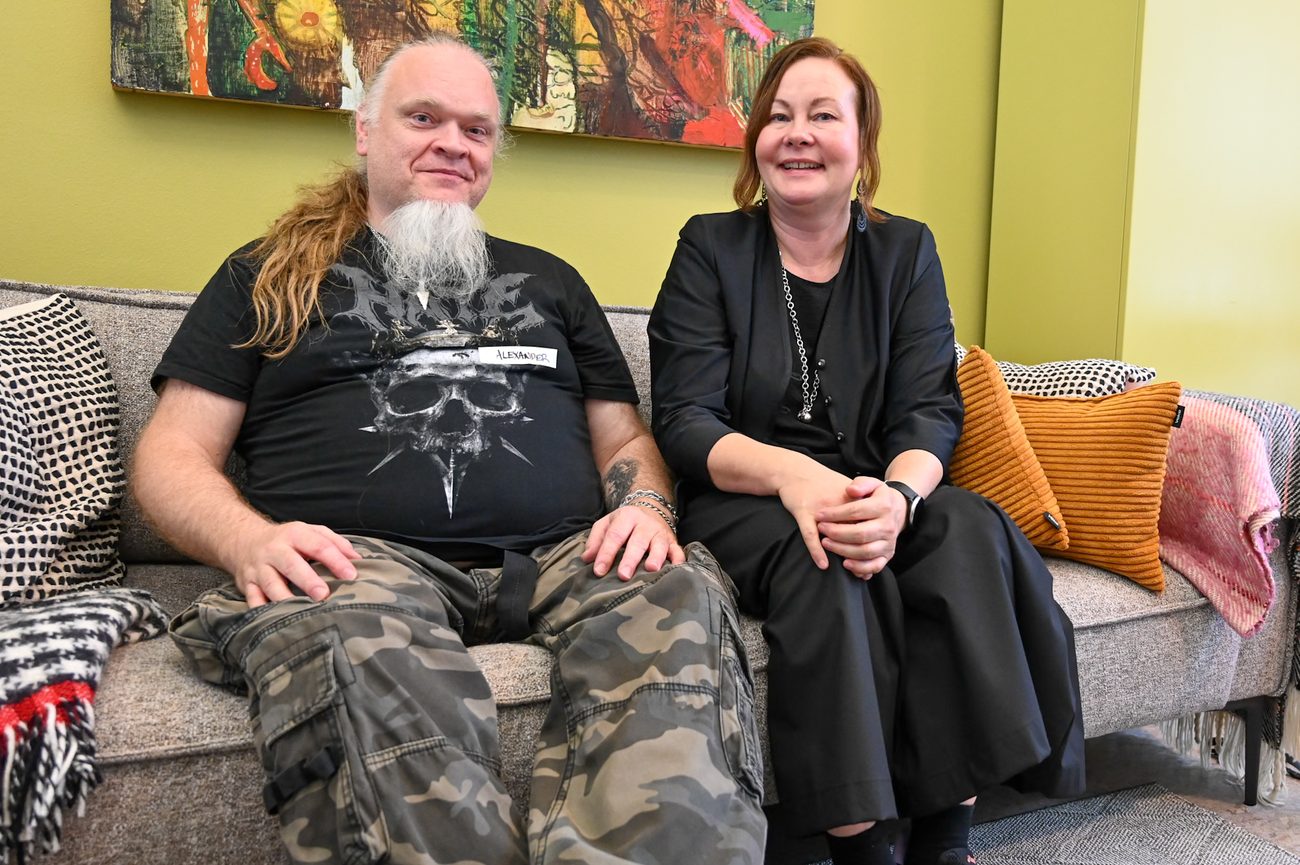
Rock Camp’s international potential, however, goes far beyond bringing renowned musicians and their experience to young audiences. The participation of artists with international careers gives the project a unique opportunity to connect young people with the wider world of rock and metal. But its most important message is one that can resonate anywhere: young people everywhere deserve safe spaces where they can express themselves, build friendships, develop their confidence and feel that they belong. Bullying prevention, well-being and youth participation are not challenges exclusive to Finland. They are shared concerns across borders, and music can be a powerful way to bring people together and help address them. In that sense, Rock Camp’s most meaningful export may not be only its music, but also the inclusive environment it seeks to create.
Rock Camp shows that heavy music can be much more than a hobby or a way to spend time with other fans. By bringing young people together through rock and metal, the project turns a shared passion into an opportunity for self-expression, friendship, and personal growth. The music is the starting point, but the experience can have an impact that reaches far beyond the rehearsal room.
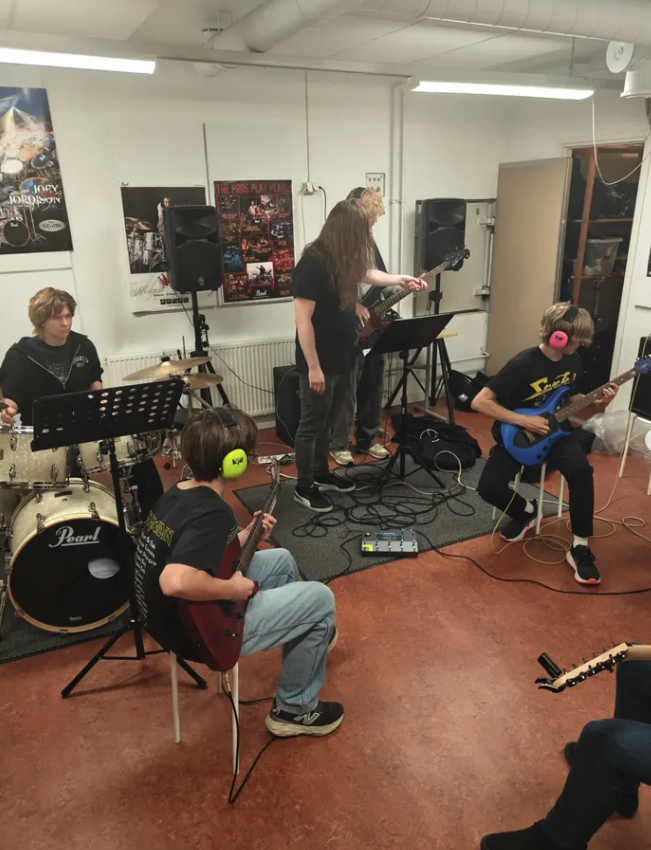
Having established musicians involved is also an important part of what makes this initiative so special. For young metal fans, learning from artists they admire is an opportunity to get closer to the music they love, ask questions, hear stories from the scene, and discover what it takes to play in a band. But these musicians bring more than technical knowledge and professional experience: they also become mentors, showing young participants that there is room for them in the music community and that their voices deserve to be heard and respected.
And perhaps this is one of the most interesting aspects of Rock Camp: it brings together two things that are sometimes seen as unlikely partners — heavy music and youth well-being. The energy of metal, the shared experience of playing loud, and the connection between musicians and youth can all become tools for participation and inclusion. At the same time, the project’s mission to prevent bullying, support mental health, and create a sense of belonging is relevant far beyond Finland. After all, Rock Camp is a reminder that the metal community, besides organising and enjoying concerts, can also create opportunities for the next generation. And when experienced musicians use their knowledge and passion to open those doors, the impact of heavy music becomes even louder.
