
Metal, Hardcore, Indie, Rock
We published yesterday the first part of an over two-hour-long interview with Craig Goldy, an American musician best known as the guitarist of Dio. Before joining Dio, he played in bands such as Vengeance, Rough Cutt, and Giuffria. Goldy became a member of Dio in 1985. He played on the latter part of the ‘Sacred Heart’ tour and also on the ‘Intermission’ EP (1986). In 1987, he appeared on the album ‘Dream Evil’, but he left the band in the middle of the following tour for unknown reasons in 1988.
Later, he formed Craig Goldy’s Ritual and released two solo albums through Shrapnel Records. In the ’90s, among other things, he collaborated with David Lee Roth and worked for several years with Christian evangelist and former Black Sabbath vocalist Jeff Fenholt. In 2000, Goldy returned to Dio and helped write and record ‘Magica’, but soon after, he left the band again due to family commitments. However, he rejoined Dio in 2004 and played on ‘Master of the Moon’, which turned out to be the band’s final studio album. The band dissolved after Ronnie James Dio sadly lost his battle with stomach cancer and passed away in May 2010. In 2011, Goldy and several former members of the band, along with close friends of Ronnie, formed Dio Disciples. The band performs a setlist featuring classic Dio songs, as well as material from his time in Black Sabbath and Rainbow, and continues to tour.
In 2015, Goldy formed a new band called Resurrection Kings, which released its debut album in 2016. Now the band is back with its second album, ‘Skygazer’. This was the perfect time to pick up the phone, call the man, and ask for the latest news. Goldy was in a very good mood, which is why the interview turned out to be a long one. It lasted over two hours, and here it is, presented in two parts—Craig Goldy’s entire career in a nutshell.
RECONNECTING WITH DIO, THE MAGICA TIME
Years went by, but in 2000 it was announced that you and Jimmy Bain would rejoin Dio, and you then started working on the classic ‘Magica’ album. If I’m right, that happened because Dio’s management wasn’t entirely satisfied with the band’s musical direction or how the business side was going. Maybe you can tell the long story short—how did the reconnection happen?
Craig Goldy: Oh, for ‘Magica’ and the reconnection—yeah, that was amazing. When I got that phone call, I was just like, “Wow,” because at one point I had met with Ronnie and told him I felt bad about how things had worked out. And he said the same thing. We even talked about how it might be great to work together again someday, and he said, “Yeah, maybe. That would be great if we could do that.” So I guess he kind of kept that in the back of his mind. So when they called me, it was a bit mixed—I thought what Tracy G did was amazing. I was a bit jealous of it because he was getting into some really dark, doomy riffs and things, and I like that kind of stuff. I had actually tried to incorporate some of that earlier on, and Ronnie didn’t like it. So I was kind of thinking, “Wow. Why would he say yes to him and no to me?”
But it turned out that it was because Ronnie was still trying to mentor me. He once told me after a guitar solo on MTV that he was looking forward to me becoming the leader of my own band someday. So that meant he was trying to prepare me as a leader, not just a follower. Being in Dio wasn’t just a job or a gig—it was a dream come true. So there were a lot of different things going on at the time. But I had heard that some fans got tired of Tracy not playing Ritchie Blackmore’s solos the way they were originally played, or not playing Vivian Campbell’s or Tony Iommi’s solos the way they were originally played. And he used a lot of sound effects as well. I understand that, but I still think what Tracy G brought to the band was amazing, because it created a completely different world.
I mean, Ronnie James Dio already created his own world, so with Tracy G, Jeff Pilson, and Vinny Appice—dear Lord, that was amazing. But I guess it became too much in terms of sound effects and doom, and people started wanting more of the classic Rainbow and Black Sabbath feel again. That’s what they wanted Ronnie to go back to. Luckily, they called me. And the strange thing was that two days earlier, I had a dream where I was sitting at Ronnie’s house, working with him again. Then two days later, I got a phone call saying, “Ronnie wants you back.” I was living in Colorado at the time, and I had two days to put everything into storage, get on a plane, and get to Ronnie’s house—but I did it.
And it was great, because at that time, Ronnie had me stay at his house. We had talked earlier about how the next time we worked on an album together, I would live there. Back when we were doing ‘Dream Evil’, he would call me at two in the morning. At the time, I had a wife and her little girl, and they were asleep. He’d say, “Sorry, sorry,” and I’d be like, “No, it’s okay.” In those days, you could hold the phone on your shoulder while you talked. So I’d have my guitar and a small amplifier next to me, and he’d be singing ideas over the phone while I played along. We were literally writing songs at two o’clock in the morning. Then he’d say, “Okay, great. I’ll see you tomorrow.” And five minutes later, the phone would ring again—“Sorry, sorry, sorry.” And I’d say, “No, it’s okay, I’m awake. What’s up?”
One time at a Christmas party—Ronnie used to host one every year at his house—he came over to me and said, “Goldy, come here. I want to show you something.” So we went downstairs, and what felt like five minutes, we came back up—and the entire house was dark. My wife and her little girl were asleep on the couch, and the party was over. We had completely lost track of time. So he looked at me and said, “Next time, why don’t you just stay here?” [Laughs.] So he moved me into his house, and we had 24-hour access to each other. And that was magical—sorry to use that word. But it really was. It made a huge difference to be able to work that closely, because Ronnie would get these bursts of inspiration at all hours of the night, and I was right there. We’d just go, “Okay, let’s do it.”
Although the reunion was a great thing for the fans, it must not have been easy for Ronnie to let Tracy go at the time?
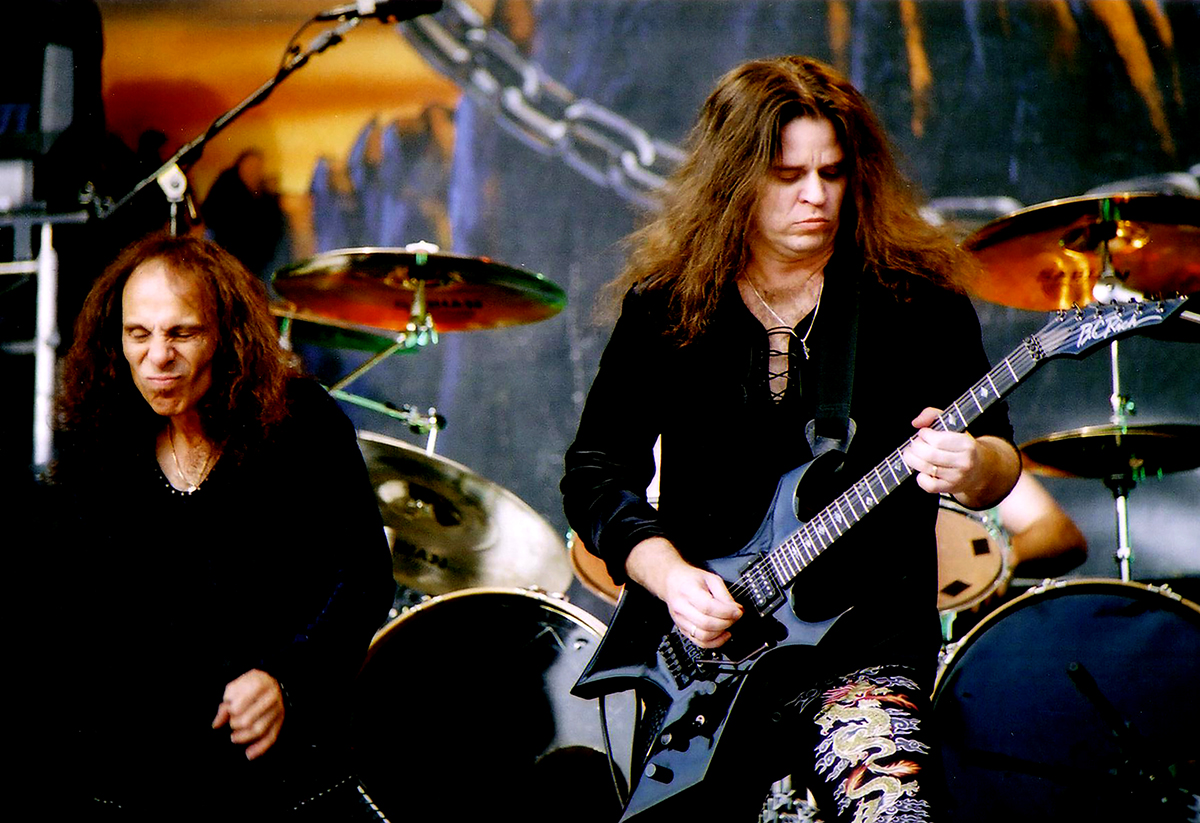
Craig Goldy: With Ronnie, it was like that because he was such a good man and had a big heart. He loved Tracy, and he loved being able to do that kind of material. But deep down, he told me he missed the classic rock-type stuff as well. Ronnie would often say things to make other people feel better, because he didn’t want it to come across like he was just flipping a switch—like, “Okay, I like Tracy now, and now I don’t.” It wasn’t like that at all, because Ronnie genuinely loved Tracy.
That band was run like a family. So when you have to say goodbye to a family member and move into a new era, you don’t just cut ties overnight and say, “Okay, you’re in, now you’re out—see you, bye.” It doesn’t work like that. It was difficult in that sense, but Ronnie himself knew it was time to go back to the classic sound—that’s what he wanted to do. Quite honestly, nobody told Ronnie what to do. The only time a record company ever told him what to do was on ‘Lock Up the Wolves’, when they told him to use a different producer. That was the first and only time he worked with a different producer.
I saw Dio with Tracy twice in Helsinki—it must have been in 1996 and 1997. I liked his playing, and I also loved the ‘Strange Highways’ album, his first record with the band. How do you see him as a guitar player?
Craig Goldy: Yeah. I mean, I’ve heard some of his newer stuff. That guy is incredible. He’s a magician on that damn guitar. Some of the sounds he gets—he’s incredible. I don’t know how he does what he does.
But if we briefly go back to the writing of ‘Magica’—there are a couple of songs and melodies that sound very much like Rainbow, and I think that was the goal you had. A perfect example is the song ‘As Long as It’s Not About Love’. Do you agree with that?
Craig Goldy: Yes, I think so, too. Even in the bridge section of ‘Feed My Head’, it sounds a lot like ‘Rainbow Eyes’. Because every time Ronnie and I worked together, there was always going to be a little bit of a Rainbow-esque element to it, simply because Ritchie Blackmore has been such a strong influence on me.
I loved the music that he and Ronnie created together, and it became such a big part of my life that it literally became a part of me. It took me a long time to figure out how to come to terms with loving Ritchie Blackmore’s style—the way he plays and writes—while still trying to develop something of my own. It was difficult, because what he wrote felt so deeply ingrained in me that I naturally started writing in a similar way. Breaking away from that wasn’t easy. Working with Ronnie actually made it easier in many ways, because he had such a great ear. He would say, “No, no, no, that sounds a little too much like this,” or “It sounds a little too much like that—let’s try something else.” But at the same time, Ronnie liked the fact that I was a bit “Blackmore-ish.” He had missed that kind of sound. So that helped as well—he was like a filter, saying, “No, yes, no, yes.”
Compared to the Dio albums released in the ’80s, ‘Magica’ was a much darker and heavier record. But there are still many melodies that echo the past. For example, ‘Fever Dreams’ could easily have been on ‘Dream Evil’. Overall, though, the sound and direction were quite different from the earlier albums. You had been away from the band for over ten years, so how easy was it for you to adapt to that newer, heavier, and more modern direction?
Craig Goldy: It was great. It was awesome. It was one of the highlights of my life, and I was able to start exploring some of the darker elements I had always wanted to work with. We didn’t dive into it as deeply as we could have, because Ronnie had just come out of that phase and didn’t want to go straight back into it. But we still managed to go a bit darker than before. On ‘Magica’, the whole album was structured as a continuous piece. It opens with what I call a “sound effect scenario,” where I created different sound effects and combined them into a kind of audio story. Then the song would begin. When it faded out, it would transition into another sound effect scenario, which would then lead into the next song—almost like ‘The Dark Side of the Moon’, where the entire album flows as one continuous piece.
That wasn’t easy to achieve back then, since we didn’t have modern digital tools to do it. I had experimented with something similar earlier on, and Ronnie noticed it. So we agreed to apply that concept to ‘Magica’. We also wrote all the connecting sections together, including the music behind the storyline.
The album was successful, and the future looked bright for Dio. But in 2002, when the band was in the studio working on the next album, ‘Killing the Dragon’, you were out of the band again. What happened at that point?
Craig Goldy: Well, regarding ‘Killing the Dragon’, I was actually working on that album—I was writing and recording. What happened was that I was dating a woman who lived in Europe. And believe it or not, I was calling her one day while I was in Germany to break up with her. But before I could even say anything, she told me she was pregnant. [Laughs.] So I did what I felt was the right thing. I said, “Okay.” I stepped away and got a job so I could support the situation. I’ve always been good with kids, and even though I had a difficult childhood, I wanted to make sure that no child around me would ever experience what I went through. So it became a big deal in my family—“Wow, Craig is going to have a son.”
The due date was right around the same time that ‘Killing the Dragon’ was set to be released. Ronnie wanted to have the same guitarist on tour as on the album, but I just couldn’t, in good conscience, leave. This woman had moved from Europe, sold her business, and come to live in the U.S., and she was about to give birth to my child. I couldn’t go on tour under those circumstances. So that’s when Doug Aldrich stepped in. They finished the album and the recordings with Doug. And after my situation settled, that’s when I returned for ‘Master of the Moon’.
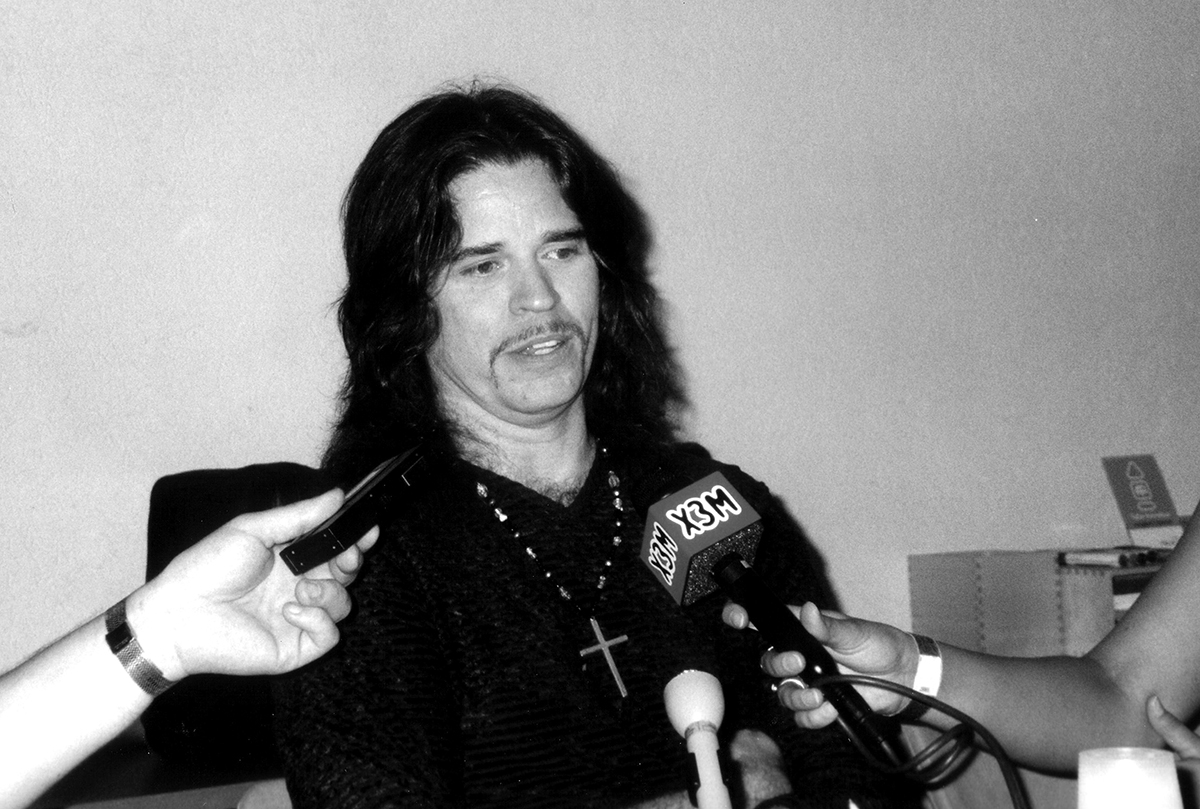
Craig Goldy: But ‘Magica’ was supposed to be a trilogy, so my greatest, proudest—and also saddest—moment was when Ronnie and I were getting ready to write ‘Magica II’. At that time, he was still in Heaven & Hell, and they were doing very well—playing arenas again and doing very well financially. And God bless him, he was happy. He deserved to be back on the big stages, with the big production, headlining 20,000-seat arenas again. It was wonderful to see. I remember seeing him many times backstage, and he would just look at me and say, “Don’t worry, Goldy. We’re going to do something big. Just trust me. It’s okay. I know. Don’t worry about it.”
So when he was diagnosed, it was like the whole world was turned upside down. At one point, the doctors told him, “Okay, you’ve got a clean bill of health.” He had beaten it, and we were like, “Wow. Okay.” He told Wendy, and she asked him, “What do you want to do?” Everyone thought he would go back to Heaven & Hell, because they were doing so well and playing those big arenas again—so it seemed likely he would continue with that and make as much as possible before eventually retiring.
But when Wendy asked him, “What do you want to do?”, he said, “I want to write with Craig.” So we started writing together again. He had already begun recording a voiceover for the next part of ‘Magica’, and we had already started a song together—it’s not quite finished, but one day we’ll complete it and release it. At the time, I was working with the band Budgie, and everything had already been arranged—visas, flights—and I was going to be away for about two weeks. Ronnie said, “No, I want you to go, because I don’t have the whole story written yet. By the time you come back, I’ll have more ready, and we’ll have more to work on.”
That’s exactly how we had done the first ‘Magica’ album. Ronnie didn’t have the entire story finished—we would write songs as he developed the characters and continued the storyline. It was really cool. I’d wake up in the morning, and he’d say, “Goldy, check this out,” and there would be a new chapter, a new character, and a new song to write for that character. So we were going to recreate that whole process again. He told me, “You go and do this, and when you come back, I’ll have more of the story written, and we’ll have more to write to.”
I said, “Okay.” And when I came back, he was in the hospital… and he was gone the very next day. But for him to say that—when he could have done anything he wanted… There he was in Heaven & Hell, making great money, playing those big arenas again… and when asked what he wanted to do, he said, “Sit and write with Craig.” [Laughs.]
DIO DISCIPLES
I met Ronnie James Dio in July 2009, only a few months before his cancer was diagnosed. He was playing with Heaven & Hell in Oulu, and after the show, a couple of my friends and I went to meet him at the hotel. He was always the last one there—he had time for everyone and was the last to go to sleep. I still remember how well he treated us; he was joking and smiling, just as always. He must have already been very ill, but he didn’t show it at all.
Craig Goldy: Yeah, yeah. He was very strong that way. I mean, that man could power through anything. But unfortunately, he lost that battle. One of the greatest things about being in Dio Disciples is knowing that Ronnie’s music will never die. The band didn’t go out and play music just to keep his legacy alive—that was never really in question. His music was never going to be forgotten. What it allowed us to do was connect with the fans who missed him just as much as we did. To me, those weren’t just rock concerts—they were more like memorial services in the form of rock shows.
And I had the privilege of seeing how Ronnie did things up close. He was always the first to arrive and the last to leave. I was there with him through all of that. Sometimes, after the show, we would go and talk to the crew, and sometimes he would even help them load the trucks. It was incredible to see. By being at his side, I also built relationships with the crew and with his fans, because I was right there with him. I tried to match the hours he put in. So sometimes we’d get back to the hotel at three in the morning, and like you said, we’d have to leave at six to head to the next city. We got very little sleep—but it was worth it.
That was really the main reason I did Dio Disciples—to connect with his fans afterward and try to make sure that his way didn’t disappear with him. To treat people the same way he did, as best as I could.
Now that you mentioned Dio Disciples, what is the current status of the band?
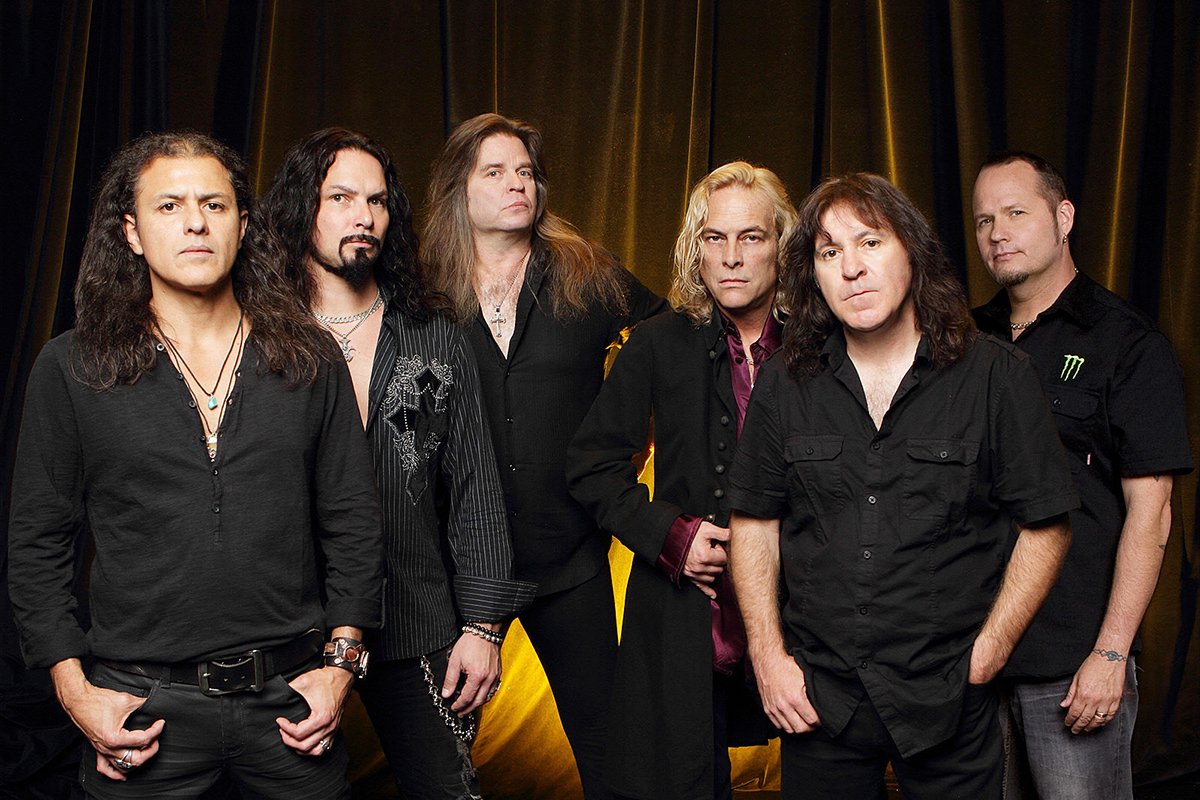
Craig Goldy: I know they want to tour, and we’ve been waiting for the COVID situation to settle down. And I’m in the same situation. I need to make sure that my injury has healed to the point where, if I start performing again, it won’t set me back. There were a couple of times when I felt pretty good and tried to get back to normal, but it ended up setting me back. So we’re working closely with doctors and medical staff. I’ll make a full recovery—it’s not life-threatening or anything like that—it’s just taking time.
But the band has plenty of guitar players to choose from. I know that Rowan Robertson played a few Dio Disciples shows when I couldn’t make it, and I think it went over very well. So they have Rowan, they have Doug Aldrich, and even Tracy G. I’d actually love to see Tracy do some shows with them.
I’m sure many fans still remember the conflict between Dio Disciples and Last in Line (which features former Dio members Vivian Campbell, Vinny Appice, Jimmy Bain (RIP), and singer Andy Freeman). Have those differences now been resolved, and how do you see the situation today?
Craig Goldy: Well, it seems better. I think people are starting to understand where I’m coming from, and I at least had the chance to express my opinion. Over time, people have come to see that I loved Ronnie just as much as they did. The intention was right, but the execution wasn’t handled properly from the beginning. The website, for example, was run more like a door-to-door sales operation, and the whole approach felt very commercial. I think poor Wendy was so distraught that she didn’t have a clear visionary guiding things. She works best with a strong visionary—just like she and Ronnie did together. But this time, she didn’t have that.
And honestly, at that time, I was in a very bad place myself. Ronnie once told me that he wanted to pass the torch to me. He said, “I want to pass the torch on to you, kid,” right in front of his best friend, Willie (his tour assistant at the time). Willie looked at me and said, “Do you realize what that means?” And I said, “Yeah… this is big.” So I feel really bad, because when Wendy probably needed support the most, I was too heartbroken. I started drinking too much, and I withdrew into my own world for a long time. Eventually, I did my own personal tribute—I recorded two songs for Ronnie—but for a long time, I couldn’t even get excited about music anymore. I didn’t want to play or write at all. I was just completely broken. But eventually, I managed to overcome that.
At the time, though, Wendy needed someone who could say, “No, that’s not a good idea—don’t do it that way.” And she didn’t have that. I think the fans ended up getting the wrong impression of her intentions, because everything was handled incorrectly from the start. It wasn’t that Wendy didn’t know what she was doing, and it certainly wasn’t that she didn’t love Ronnie. The issue was that she put the website in the hands of someone who approached things purely from a marketing perspective. He was a close friend of Ronnie’s and had worked with him at Warner Bros., but he was fundamentally a marketing guy.
So the whole thing ended up being run like a marketing campaign, and it came across as overly commercial—almost like a money grab. That really upset a lot of fans. But I knew the heart behind it. I knew Wendy’s intentions, I knew the intentions of the people involved in the band—including when Rudy Sarzo was part of it—and even why certain members, like Tim “Ripper” Owens, stepped away for a while. It was just an unfortunate situation. Everything needed to stop and be rebuilt properly—with the right kind of visionary working alongside Wendy, the way it was meant to be. That’s when things work. Without that, it’s just not the same—it never will be.
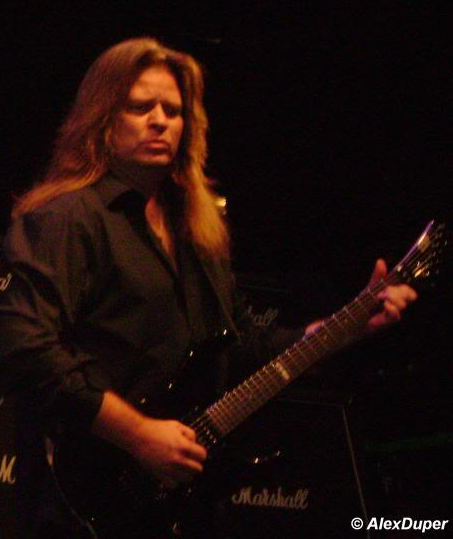
Craig Goldy: And at one point, it started to come together again. When they were working on ‘A Decade of Dio’, Wendy wasn’t happy with how it sounded. So she reached out to me and said, “Craig, what do we do?” She sent me a copy, and I immediately understood what was going on. I told her, “Okay, when people try to make older recordings sound modern, they usually boost the mids and the high frequencies, which makes everything sound brighter—but not necessarily better.”
I said, “If Warner Bros. is looking for a reason why it doesn’t sound right, just tell them the engineer boosted the mids too much. They’ll likely scale it back—whatever he did, they’ll reduce it, and that should fix the issue.” The next thing I knew, Warner Bros. contacted me and asked me to sit down with the engineer. I actually saved the work orders—none of those albums were going to be released until I approved them. Both Wendy and Warner Bros. wanted me there to make sure everything sounded right before it went out. So it felt like, “Okay, we’re back—we’re a team again.” And then… I forget exactly what happened next. Oh—right, it was the ‘Dream Child’ album. [Laughs.]
Yeah, I love Wendy—she’s family to me—but this is how I explain it. There’s a story about when Jesus went into the temple and saw the money changers. It angered him, so he overturned their tables and said, “This is a temple of worship—not a marketplace.” And in the “temple of Dio,” some people saw Dio Disciples as those money changers—and they wanted to overturn our tables. That’s how it came across to them. When Dio Disciples first started, it really divided the fanbase. Some people supported us, and some were completely against us. And some reactions were very harsh. But it’s interesting—so much hate can come from so much love. People reacted that way because of how deeply they loved Ronnie.
Over time, I’ve tried to explain that perspective to fans—sometimes even one-on-one—because you can’t change a whole scene unless you connect with people individually. As we traveled from city to city and met fans, I think more people began to understand the real intentions behind everything, and things gradually started to calm down. Then the pandemic hit, and everything stopped. So I think that if things start up again, it will probably be better received than before. By now, I believe people have a clearer understanding of what it was really about.
The Ronnie hologram you used on the Dio Disciples tour sparked a lot of discussion—and not all of it was positive.
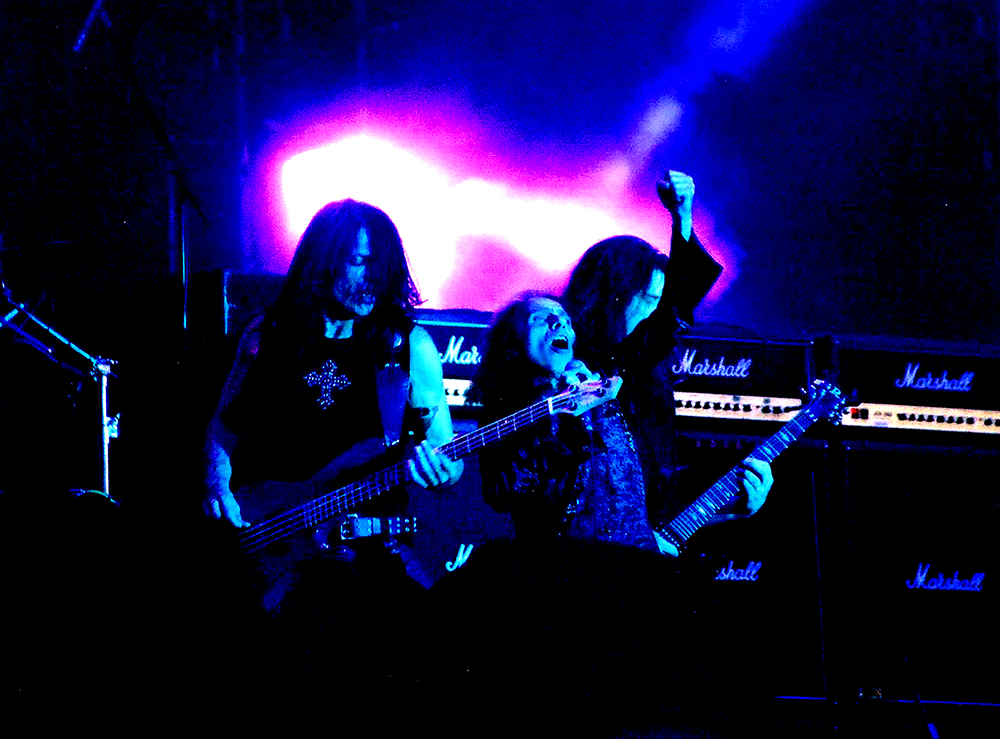
Craig Goldy: It was just a grand gesture—that’s all it was—and it was misinterpreted again. And no, I don’t think we’ll be using the hologram anymore.
Yeah, I think that’s a wise decision.
Craig Goldy: Yeah, it was unfortunate.
But still, going back to the idea of the “two camps” within Dio’s legacy, I think it became a much bigger issue publicly than it really was. On top of that, you and Vinny Appice have been playing together again since 2015. So in a way, in my opinion, the feud between the two bands sounds rather unnecessary now.
Craig Goldy: I know—I agree with you. It was rough. And at one point, when Vinny and I started working together again, that was great because we became good friends. But this time, it felt more like we were equals. That was really nice. And when I went to one of Vinny’s birthday parties, Vivian Campbell was there. Every time I’ve run into Vivian, he’s been very respectful toward me. He’s not a jerk at all. It’s just unfortunate that the feud between Vivian and Ronnie is what created these two camps. That’s really the only reason it was ever seen that way—because Vivian was still angry with Ronnie. And even though Ronnie… well, he took that with him. He never said anything like, “Hey Vivian, let’s meet and bury the hatchet.”
Nobody really stepped up to be the bigger person. That’s why I said what I said—I was hoping that someone would eventually say, “Hey, it’s unfortunate. Sorry, Ronnie, for the things I said.” But regardless of what Ronnie did or didn’t do—whether he made a promise or not—I know what happened behind the scenes, and I know that Ronnie was a man of his word. If he made a promise, he intended to keep it. It might not have happened on the timeline others expected, but it would have happened. I know that for a fact.
And it’s unfortunate, because Vivian is a great guy and an amazing player. He’s the quintessential Dio-era guitarist—the one who helped shape that sound with Ronnie. It wasn’t Ronnie alone; it was all of them. And when Jimmy Bain was with us, that chemistry was incredible. In fact, I’ve worked with Andy Freeman, their singer—he’s fantastic. We did some shows together with Jimmy Bain as part of something called the Hollywood All-Stars. Jimmy, Andy, and I did a few shows together, and we even talked about possibly doing an album. And there have been times when I’ve run into the guys from Last in Line at the NAMM Show—back before the pandemic—and we always got along great. They knew where my heart was. I was rooting for them—“Go for it, guys.”
It’s just unfortunate how the media can sometimes twist things. Vivian didn’t need any help expressing how he felt, and neither did Ronnie. I was just hoping that, eventually, that situation would be resolved—but it never was. And I think that’s what created this whole idea of “two camps.” Because in my heart, there aren’t two camps—and there shouldn’t be.
So do you think there’s a chance that someday everyone could bury the hatchet and come together in some way?
Craig Goldy: Well, I don’t know. I really don’t know. At some point, I’ll give it my best shot—I’ll reach out and see. But at the same time, some wounds run deep. Some things don’t heal easily. So we’ll see. But I’ll do my best, I can tell you that.
Hey—even Rudy Sarzo went back to play with Quiet Riot, so anything is possible. [Laughs.] And none of us is here forever.
Craig Goldy: That’s right! [Laughs.] You’re absolutely right. There’s no reason to carry hate to the grave—it shouldn’t be that way. But once again, I was there back when I was in Giuffria, during the ‘Holy Diver’, ‘The Last in Line’, and ‘Sacred Heart’ era. I saw how things really were. I remember Ronnie showing up at rehearsals at Mates—and he’d be the only one there. The truck would arrive with the equipment before the crew even got there, and instead of waiting around, Ronnie would start unloading it himself. So I’d think, “Well, I’m not going to let him do that alone.” So the two of us would start unloading the truck together. I remember all of that—him doing all the extra work, going above and beyond. And then later, when money became an issue… I think it was partly because the band was run like a family. And you know how that goes—people always say, “Don’t lend money to family.” [Laughs.]
THE END OF STORY
It’s time to wrap up this interview soon, but I still have a few things on my mind. It seems you have countless great stories to share. So I have to ask—do you have any plans to write a book someday?
Craig Goldy: Oh, yeah. As a matter of fact, I think that might be a good idea.
But we kind of already put one together tonight. [Laughs.]
Craig Goldy: Oh, yeah—we already made one. Exactly.
There are different ways to be creative and different ways to be gifted, and you are definitely both. I can tell just by the way you structure your interviews—you make them feel more like conversations. And you’ve got a really quick wit. I admire that. I call it association. Some people have the ability to connect different ideas—something that comes up earlier in a conversation can later be tied to something seemingly unrelated. And somehow, they find a connection between the two, and it becomes really funny or insightful because of the way they put it together. You have that gift. I mean, imagine trying to be a comedian without that kind of ability. [Laughs.]
[Laughs.] Thank you very much, Craig. I appreciate your words. And it has been an honor to do this deep and very open interview with you.
Craig Goldy: Well, honestly, since I’m a fan myself, it’s always an honor and a privilege when someone asks me for an interview. The day people stop asking me will be a sad one, because I truly see it as a privilege. In my mind, I’m still that same fan who heard Deep Purple for the first time. I was actually supposed to become an artist—I can draw photorealistically. If you want, I can even send you an example. But whenever I tried to pursue that seriously, I would get terrible migraines. Music, on the other hand, just called to me. So I feel very lucky that I was able to follow that path.
But you also have a gift. There’s a saying that your gift can open doors and bring you before great people. And I think that’s exactly what has happened with you. The people you’ve interviewed—it’s your ability that brought you to them. You make people feel comfortable. It becomes an experience they want to repeat. This interview has been enjoyable from beginning to end. And I’m sure you have your own approach and instincts about where to take a conversation. Even if you don’t have everything planned in advance, your natural ability carries you through. Of course, you do your research—and that’s important—but ultimately, it’s your gift that allows everything to flow so naturally.
You create an atmosphere where people feel at ease. Honestly, it feels like I’m talking to a long-lost brother. [Laughs.] And I hope you don’t take this the wrong way—because I mean it in the best possible sense—but there’s still a sense of purity and innocence in you. And I mean that positively. That’s what allows you to be direct and honest, because you’re open to the truth, whatever it may be. When someone has that kind of openness, something meaningful tends to happen. It’s not just about waiting for opportunities—you’ve clearly worked hard—but that sincerity and openness are powerful qualities. They allow you to connect with anyone, because you don’t come across as someone with hidden motives.
Absolutely. But now we have to wrap up this wonderful discussion, and my final question is—when can we expect to see you playing live in Europe again?
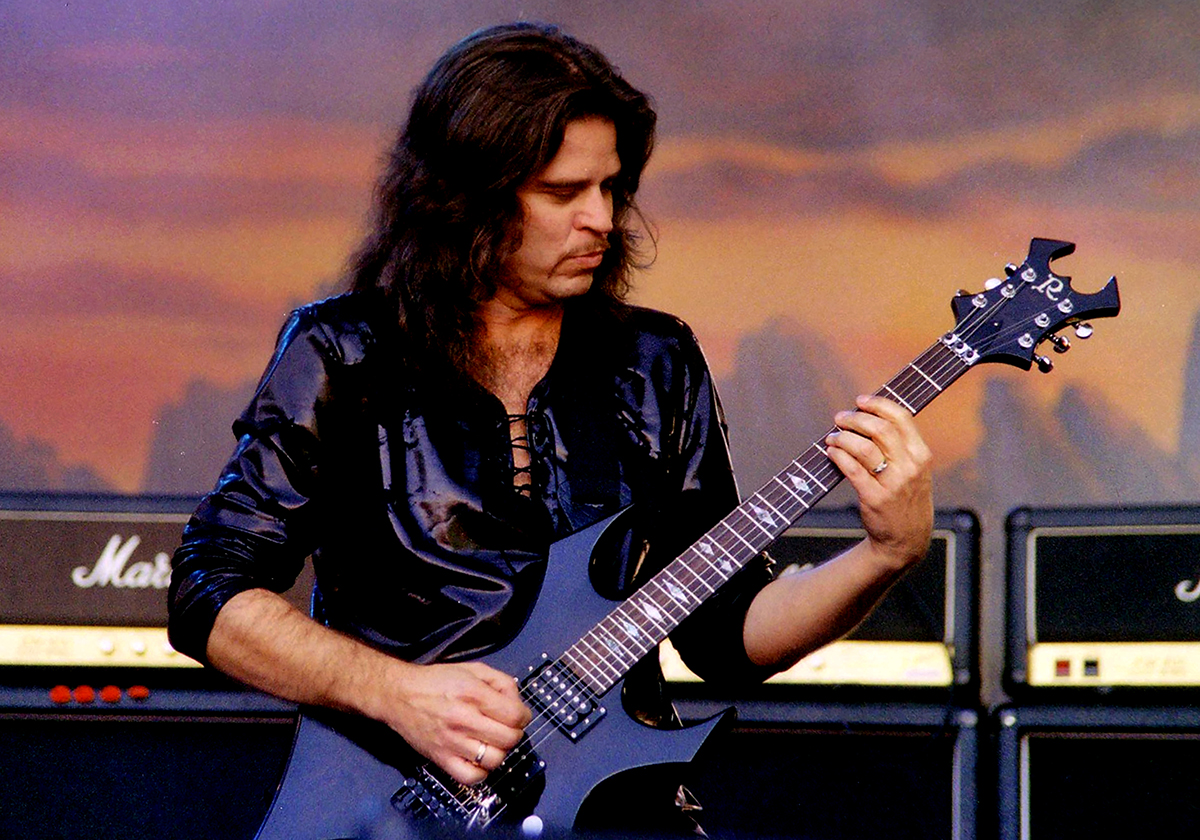
Craig Goldy: Hopefully not very long, because it shouldn’t be too long before I’m back up and running again and start making new music. But it really depends—I’m not sure if I’ll go the record company route this time, or maybe do something more direct, straight from me to the fans. I’m still trying to figure out exactly what the next step will be, but there will definitely be new music, and I absolutely want to come back to Europe again. It’s just going to take a few things to fall into place, because we want to do it right.
There are still practical factors to consider—everyone being vaccinated, for example, and other arrangements that need to be in place. So I can’t really give an exact timeline, but it will happen. There will be new music. And this time, I want to make sure that the people I work with are able to commit to touring—that they’re not tied up in ten different projects and unable to dedicate a few months to it. So it will also require some strategic thinking in terms of who I collaborate with. But it will happen—and hopefully as soon as possible.
Hopefully it will happen, and we’ll see you somewhere on the road.
Craig Goldy: Definitely. Thanks once again, Marko. And I’ve got to say, this has been a great interview. I love the way your mind works—you could be a comedian. [Laughs.] But seriously, there are talented people all over the world. And you’re right—there’s a saying I once included in something I was writing to teach people a few things: if there weren’t so many people willing to buy crap, there wouldn’t be so much crap for sale. [Laughs.]
You’re absolutely right, Craig. Thanks once again.
Craig Goldy: Thank you, Marko.