Metal, Hardcore, Indie, Rock
“We mix chaos with introspection and cosmic elements” — Interview with Argentinian-based Venezuelan prog-rock-metal outfit Pleia
A soundscape that blends touches of various styles and other art forms. A serene, relaxed landscape on the verge of exploding. A journey into the plains of the Freudian subconscious. This, and in other ways, is how we might describe their music.
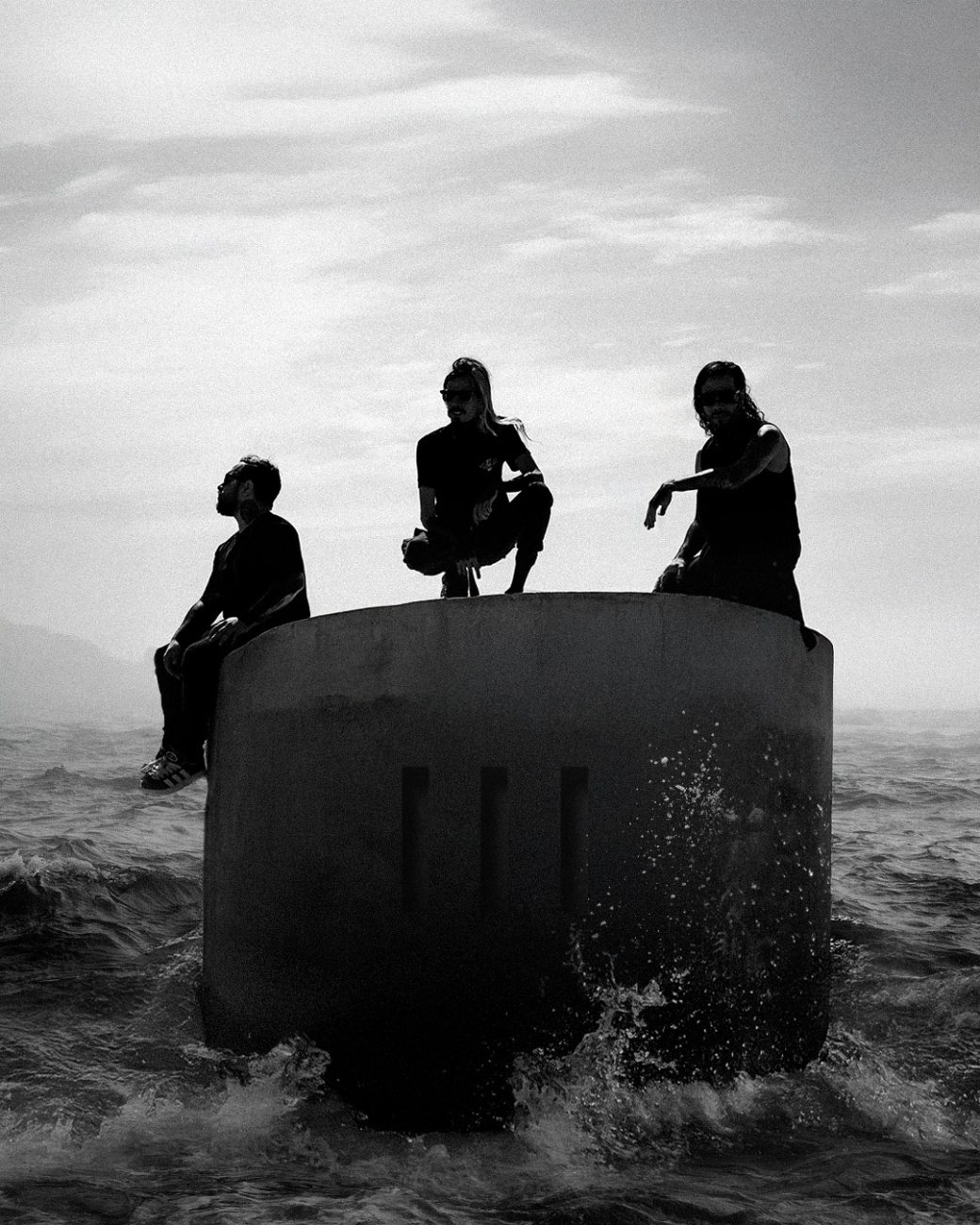
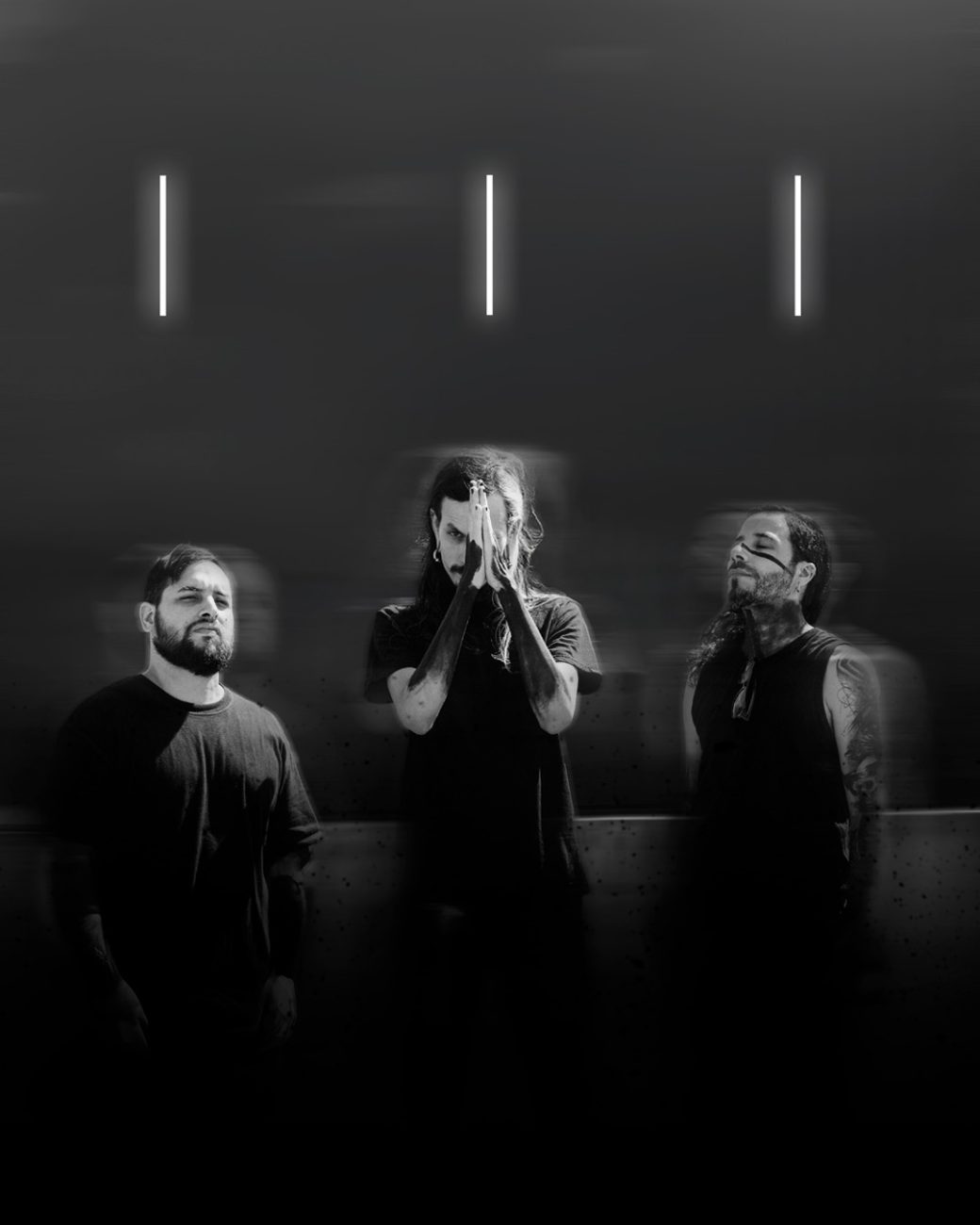
Pleia, the band we are discussing, is a musical project created by Nazareth Calmen (guitarist) in 2016 and officially formed in Buenos Aires in 2017 with Henry Luengo (synthesizer, vocals) and Carlos Delmoral (drums). Inspired by ancient stories of being and the cosmos, it blends rock, metal, and jazz with the intensity of progressive metal.
The outfit established itself in the Argentine underground scene and in 2022 made the leap to the international stage by opening for Animals As Leaders (USA), followed by Tesseract (UK) and Cynic’s first Latin American tour with Beyond Creation in 2023.
In 2024, they released “Betori”, a 7-track EP, toured Argentina with a date in Santiago, Chile, and released three official music videos: “Enolas,” “Pachakuti,” and “TAU II” in 2025. They were nominated for Best Ibero-American Progressive Rock Album by Nación Progresiva (Instagram), the most viewed international account of the genre in Latin America.
2025 began with a reimagining of “Enolas” as a special single by Japanese producer Yuya Miyazaki, and performances alongside Chowy Fernández, one of the most influential guitarists in Argentine progressive rock, closing the year by preparing production of new material scheduled for 2026.
In early February, Chaoszine wanted to learn more about Pleia‘s sonic universe and spoke with Henry Luengo (synthesizer, vocals) and Carlos Delmoral (drums) via Zoom. From Buenos Aires, here’s what two of the three Venezuelans who make up this remarkable band had to say.
What are the band’s plans for this year? I know you’re busy with the pre-production of new material.
Henry Luengo: Our goal this year is to focus all our energy on the new album. We only played a few songs last year. Playing live will be optional for us; our priority is clearly recording.
Carlos Delmoral: As Henry said, our plan for 2026 is to put all our energy into the album. Once we have finished that, we will start thinking about live dates.
Pleia is a trio that draws on different musical genres and is inspired by ancient stories about existence and the cosmos. Could you elaborate on this? What music, books or films have inspired the group?
Henry Luengo: The concept, the lyrics, and the ancestral and cosmic themes stem from my longstanding interest in self-awakening and spirituality. We combine these with myths from other civilisations. Our work is also influenced by our origins in the tropics, a region steeped in mysticism. The city where we were born and raised embodies that. On this album, we are going to highlight all of that. Pleia is a transmitter of messages. We want to convey a message through the concept we have always used. I’ll let Carlos tell you about the band’s influences…
Carlos Delmoral: When it comes to music, we have different and varied tastes, but we agree on some bands and styles. Henry in Venezuela came from power metal; Nazareth Calmen (guitarist) came from metalcore and fusion and progressive, perhaps. We all agree on Cynic, a band that is very important to all three of us and which we opened for a while ago. Cynic is a fusion metal group with very ethereal, cosmic, and reflective lyrics. For example, I really like Allan Holdsworth and Pat Metheny, but we also agree on bands like Animals As Leaders; we all listened to Linkin Park at one point. In short, there are different genres that have influenced us in one way or another. But I think Cynic and Animals As Leaders. Each of us is different, but we blend our personalities into a whole that is Pleia. I would also like to mention Laberinto, a Venezuelan band formed in 1989 that fused thrash metal with Latin and Afro-Caribbean rhythms. They were among the first and are part of our culture and our blood.
The band’s overall concept of mixing Latin influences with progressive rock reminds me a little of The Mars Volta. Has this band been an influence on you?
Henry Luengo: Yes, Carlos is the one who has studied The Mars Volta the most, but all three of us have listened to them and heard many of their albums. That Latin part is furious and rebellious, unconventional in music. We don’t let that slip away, and we use it to our advantage.
Carlos Delmoral: Absolutely, and as I said before, Laberinto is part of our culture and our blood and greatly enriches what we’ve been doing.
With the release of “Betori”, your seven-track EP, Pleia toured Argentina and Chile and even received a nomination in 2025 for Best Ibero-American Progressive Rock Album from Nación Progresiva, one of the most internationally viewed networks for the genre in Latin America. I imagine that was a great morale boost for the group. It’s the band’s idea to go out into the world, right?
Henry Luengo: “Betori” was music we worked on with Nazareth, the guitarist, and then all the songs evolved with us. That was reflected in that material, and that led us to what you were saying about touring. With the new album, the intention is to put all the energy we have into it this year and do the best we can with the resources we have. The goal would be to finish it and hold a launch event between this year and next. And then tour Europe and beyond. We want to send our message as far as possible. We don’t want to create mental barriers for ourselves. We have it sealed and signed mentally. That’s the goal, and that’s why we’re doing what we’re doing.
The band has varied influences, one of which is jazz. I know you opened for Cynic, one of the bands that mixes metal and jazz. Also for Animals As Leaders and Tesseract? How was that experience?
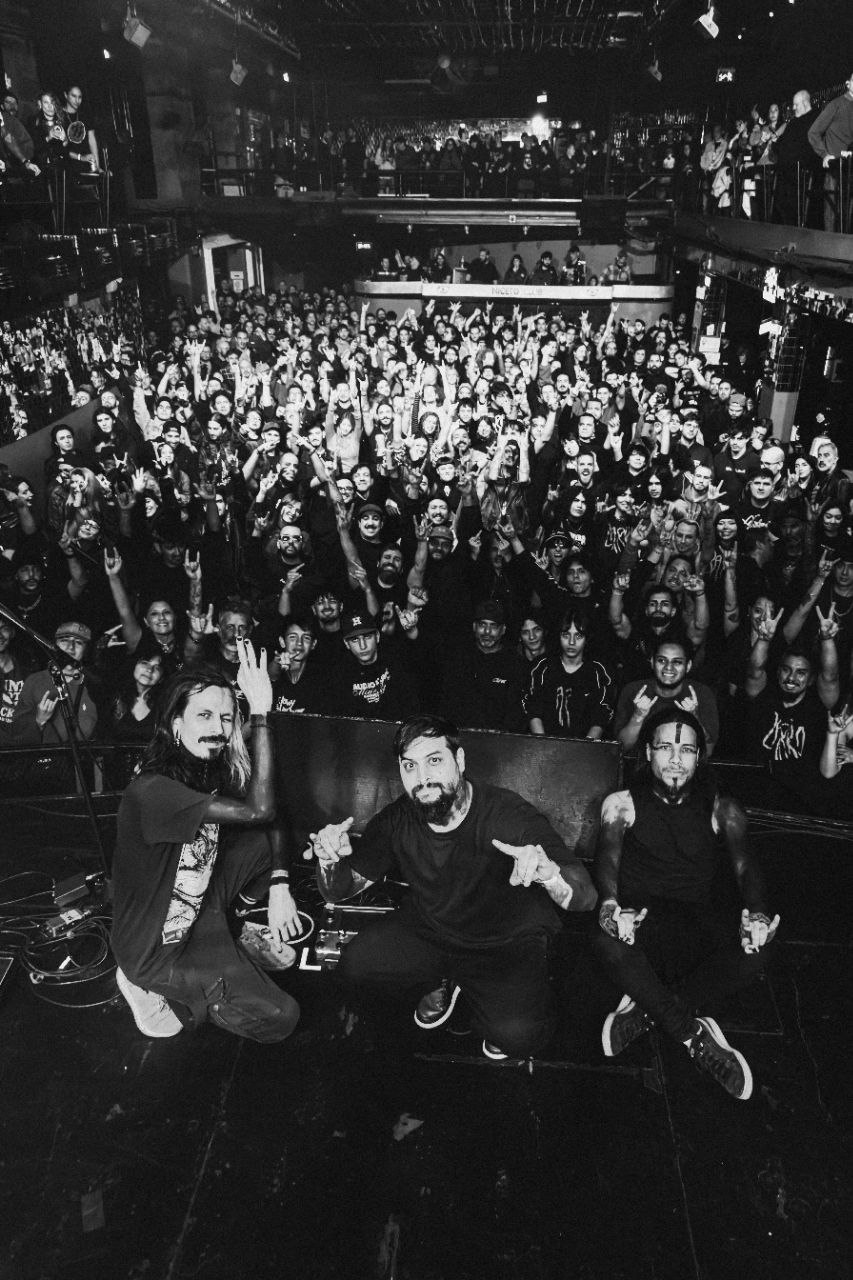
Henry Luengo: The first of those dates was with Animals as Leaders. We only had a video and two demos at that point. We sent them the material, and the video accurately represented our live performance. It worked — they called us. We were coming out of a period of inactivity, as I had been travelling for three months. I had to come back, and they told us about the show only ten days beforehand. So we jumped in the car and went for it. The show went really well, and the experience was magnificent. Animals as Leaders are one of our top three favourite bands. We met Tesseract, and they went down really well with the crowd. Cynic was even better, and we’re very grateful to have been there.
Last year, you released a reimagining of “Enolas” in a special singles format by Japanese producer Yuya Miyazaki. What can you tell us about your experience working with him?
Carlos Delmoral: That case was very curious because it happened right after a show in Santiago, Chile. We arrived at the house of one of our friends, who welcomed us. We were relaxing after the gig, and I don’t remember if it was Nazareth or Henry, but we had a DM on Instagram from Yuya who had found us through Bandcamp and really liked what we were doing, and wanted to remix some of our songs. We started chatting, and it all came together, and it was great because it was his initiative from the other side of the world. Those kinds of collaborations fill us up and help us to keep doing what we’ve been doing.
Now, let’s talk about the influences on your instruments. Henry, can you name three composers or keyboardists who have influenced you?
Henry Luengo: I started out in power metal and was greatly influenced by Jens Johansson (Stratovarius, Yngwie Malmsteen) and the late Vitalij Kuprij (Ring of Fire, Trans-Siberian Orchestra). Currently, someone who represents the kind of experimentation we do with Pleia is Tigran Hamasyan.
The Armenian pianist!
Henry Luengo: He’s crazy! I listen to him a lot because he approaches the piano in a unique way.
Carlos Delmoral: In a very percussive way.
That’s exactly what I was going to say — his approach is almost like a drummer’s.
Henry Luengo: Yep. Indeed.
What about you, Carlos? Which drummers influenced you?
Carlos Delmoral: I’m lucky that my uncle is a drummer, so from a very young age, I listened to all kinds of drummers: Dennis Chambers, Vinnie Colaiuta — too many to mention! If I had to name just three, which is very difficult, I would say that my top three are: Vinnie Colaiuta, who is the best for me, an all-rounder with great taste, impressive groove and swing, and hyper-versatile. Thomas Pridgen also had a big impact on me, changing the way I see and express music. His time with The Mars Volta was incredible. It was then that I realised I wanted to play the drums and play like that. He’s a drummer with a gospel groove, but with an energy bordering on heavy metal. I have a signed copy of The Mars Volta’s album “A Bedlam in Goliath” here. The third person is Matt Garstka from Animals as Leaders, with whom I even shared the stage. He’s incredible. There are many amazing drummers out there right now.
I would like you to tell people what the band is all about. Personally, I think Pleia goes beyond music; I would define it as an artistic painting, where painting, music, cinema and literature all come together. How would you define it?
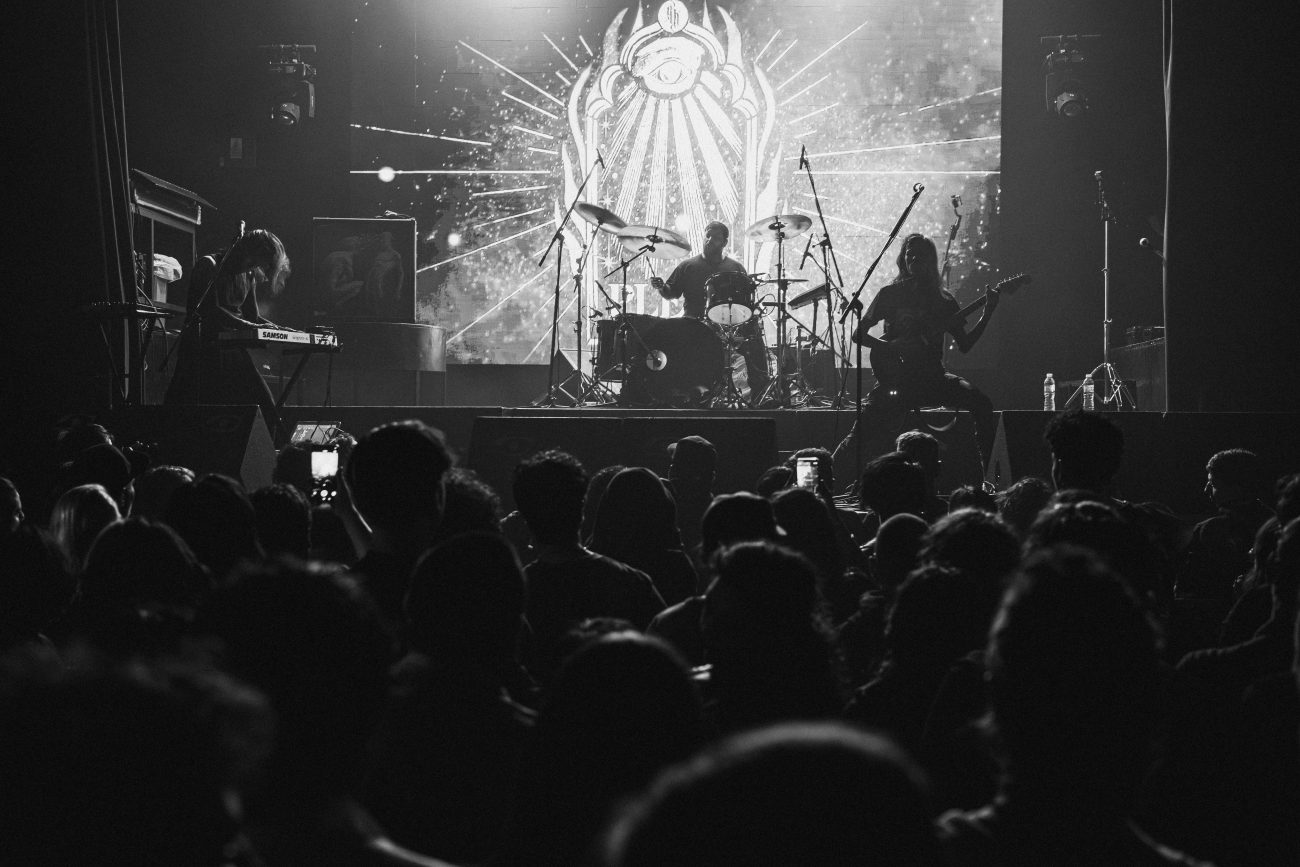
Henry Luengo: First of all, thank you so much for your kind words. Pleia is an audiovisual, sensory and introspective experience. When you hear these words, you associate them with a certain type of band, but we mix chaos with introspection and cosmic elements. The group is a live experience; you have to be there. We see it in the expressions of the people watching us live: some are headbanging, others have their eyes closed, and others leave behind the typical pose of watching a concert as if judging you. In short, Pleia’s show is an experience.
Carlos Delmoral: I would agree with what you said. I loved your reference. I would say that this quite complex painting is made with a lot of blood, sweat, perseverance, sacrifice, and above all, commitment on the part of all three of us. It is an ongoing process. We are people with jobs and vicissitudes, and we try to overcome all those things to continue defining what Pleia is. That painting is always changing and evolving. We try to capture who we are and highlight the importance of the spiritual, of introspection, of what lies beyond the material. At the end of the day, we are finite; we have a limited time here in this reality, and there comes a time when it ends. I think the most important thing is the legacy you can leave behind, regardless of how you do it, whether through sport, music, painting, literature, etc. I think the important thing is to make other people part of our history and inspire them to leave their mark too. Achieving this kind of thing is what keeps us going and helps us endure whatever we have to endure.