
Metal, Hardcore, Indie, Rock
Ronnie Romero interview: Elegant Weapons, Rainbow and the future of Lords of Black
Ronnie Romero rose to prominence in 2015 when he joined Ritchie Blackmore’s reformed Rainbow as the band’s frontman. The band played its last show in 2019 and, although it has not officially disbanded, Romero has spent the past several years navigating the space between opportunity and uncertainty. Working with legends such as Blackmore, Michael Schenker, and Adrian Vandenberg brought him international recognition, but also sparked a growing desire to step away from safe structures and build his own artistic identity. His latest solo album, Backbone, his work with Elegant Weapons, and numerous studio projects all reflect an artist searching for direction—now firmly operating on his own terms. At the same time, his personal life, including his move to Romania and his efforts to balance career and family, paints a portrait of a musician for whom meaning matters more than mere success.
RETURN TO FINLAND
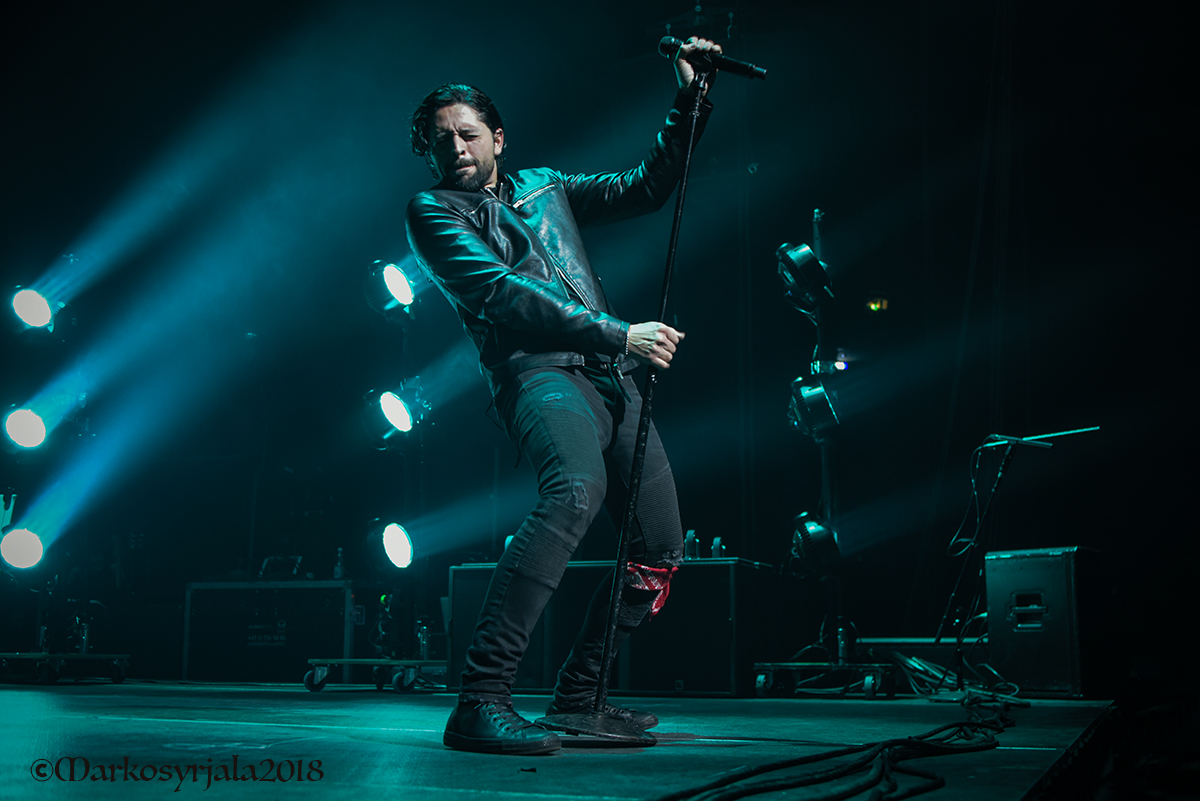
Ronnie, welcome back to Finland—although the circumstances are quite unusual this time. You’re currently on tour with Primal Fear, but their singer, Ralf Scheepers, fell ill with bronchitis a few days ago. As a result, several shows have been cancelled, including the two scheduled dates here in Finland. It must be a very disappointing situation for both Primal Fear and you.
Ronnie Romero: Well, first of all, it’s really sad because we really wanted to play here. The last time I was in Finland was with Rainbow quite a few years ago, so I was really looking forward to coming back. Also, I know from my record company that Finland is where I have most of my listeners on digital platforms, so I really wanted to be here and play these shows. But, you know, things happen. We understand the situation. It’s a bit of a problem logistically and financially as well, because you spend three days here doing nothing, and for a band, that’s really tough. But yeah, it is what it is—we have to accept it, and there’s nothing we can do.
Anyway, I heard you had a great time in Stockholm a few days ago singing karaoke with Mats Levén—laughs.
Ronnie Romero: Yeah, we did. The show in Stockholm was cancelled, and then we met up with the guys from Primal Fear—well, not Ralf Scheepers, of course—and went to a bar. Suddenly, they started karaoke, so we just jumped in. Why not?
Have you ever had to cancel shows during a tour due to reasons beyond your control?
Ronnie Romero: I think the only time I’ve been in a similar situation was with Rainbow, when we had to cancel a show in Manchester because of a terrorist attack at the venue a few weeks earlier. We got there and were waiting for the venue to open, but in the end it didn’t, and the show had to be cancelled. But it’s not quite the same, because when you’re in a band like Rainbow as a hired musician, it’s not really on you. It’s like, OK, there’s no show tonight—I just stay in the hotel, and that’s it. This time it’s different, because it’s my band. Financially, I’m running everything together with my agent, and as I said before, every day without playing means expenses. We’re also not able to sell merchandise and all that, so it’s a bit complicated. It’s the first time something like this has happened to me. But anyway, the Primal Fear guys are good friends of mine, so there’s understanding. It’s not our fault—we’re ready to play—and we’ll sort it out somehow in the future.
So, there was never any discussion like, “Ronnie, could you learn a set of Primal Fear songs so the tour could continue?
Ronnie Romero: No, I don’t think so. And honestly, I really respect their decision to cancel instead of bringing in someone else, because that keeps the identity of the band intact. I think the fans want to see Primal Fear with Ralf, and it wouldn’t feel right for them to see someone else singing those songs. So, I really respect that, even though they know there will be financial consequences.
OVER THE RAINBOW
It’s been close to seven years since your last visit to Finland with Rainbow at Rockfest in Hyvinkää. Do you still remember that show?
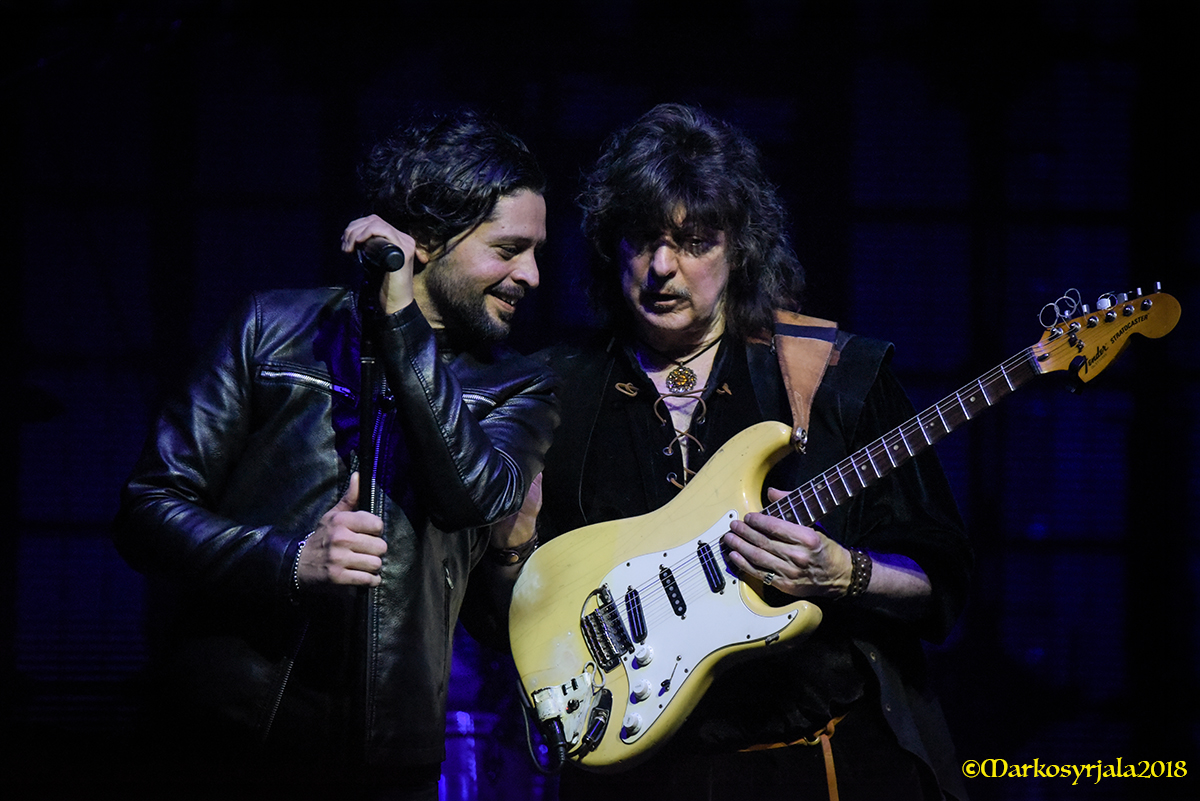
Ronnie Romero: Yeah, it was really nice. I think it was 2019—the last time we played here. We had also been here the year before. Back then, we played at Hartwall Arena in Helsinki, and there was a situation where Ritchie Blackmore didn’t want to play the encores at that show, so it ended up being a shorter set. I think that’s why we came back the following year.
I remember that ‘episode’ very well—you kind of had to fix it! laughs
Ronnie Romero: Yeah, we had to fix it, and it was cool. I like the audience here in Finland, and as I told you before, I know I have a lot of listeners here, so I really wanted to play these shows.
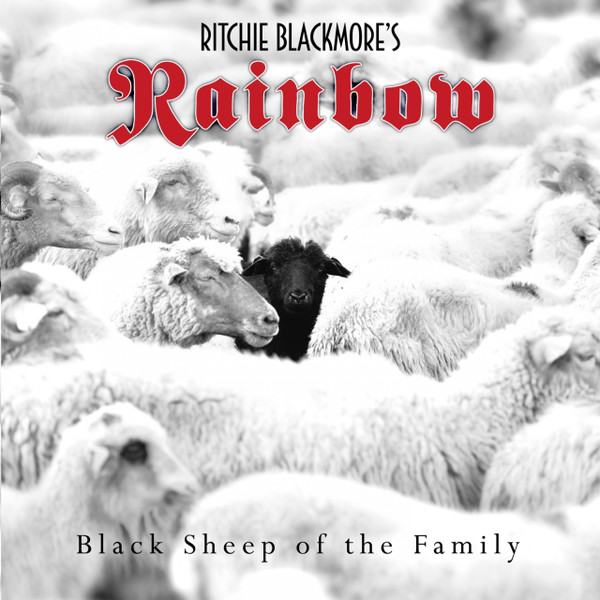
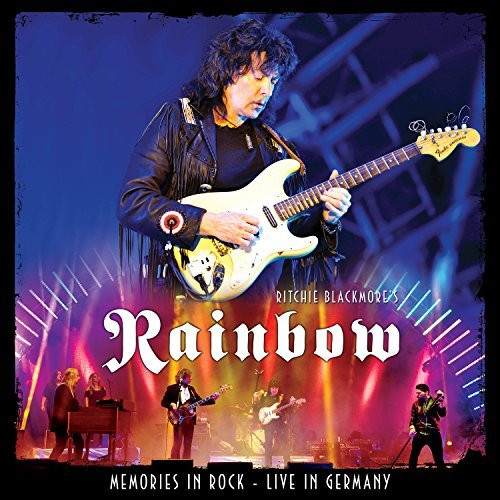
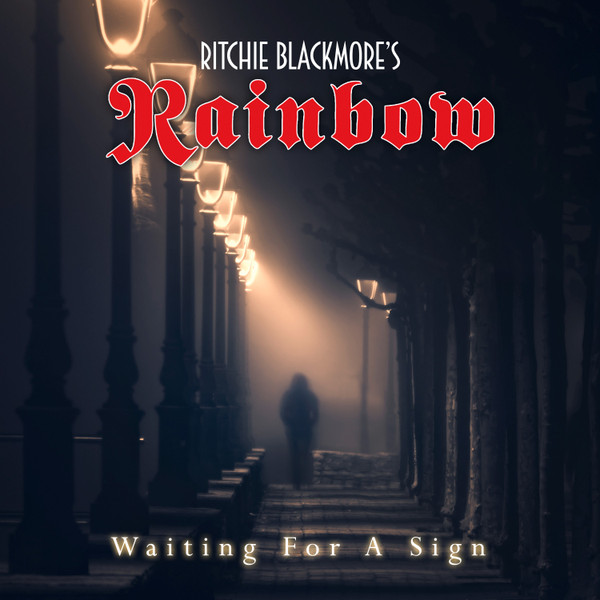
Yeah, that was seven years ago. If you briefly look back at that time, you had already been with Rainbow for a couple of years, and soon after that, COVID came, and everything stopped. How do you see that period with the band now, looking back?
Ronnie Romero: I mean, it was great. Obviously, playing with Rainbow is a different dimension—you can’t compare it to anything. I always say in every interview that it’s going to be my highlight forever. It doesn’t matter what I do after—even if I become successful with my own band and my own music, I don’t think I can compare it to the fact that I played on the same stage with Ritchie Blackmore. So yeah, that’s something I will never forget. Though obviously, after the pandemic and everything that came with it, and after launching my solo career, I feel like I need to go back a little to my roots and start from scratch—playing smaller venues and being more involved in what having a band really means. But yeah, I don’t regret it. I had a lot of fun, and I feel very proud to have played with Rainbow, but I’m also very proud of what I’m doing now.
One last question about Rainbow—when was the last time you heard from Richie? Do you still get Christmas messages?
Ronnie Romero: Yeah, we keep in touch every year. No cards, but emails. I get birthday emails, as well as Christmas and New Year’s messages. So there is still a connection. Yeah, yeah. I actually spoke with Candice Night—I think it was in January, the last time we talked. I asked her how Richie was doing, and that was it. But yeah, at least they keep that personal, human connection, which says a lot about them.
RONNIE GOES SOLO
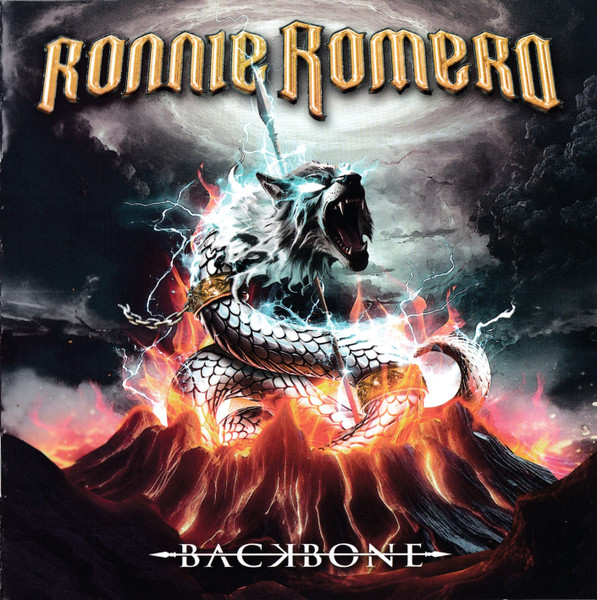
Let’s move on to your current activities and your solo career. The Backbone album came out last October. In a way, it’s your second proper solo album, since I wouldn’t really count the first two, as they were cover albums—
Ronnie Romero: Yeah, me neither. Those weren’t original albums.
So, how big a step was it for you to start releasing your own material after spending so many years with different bands?
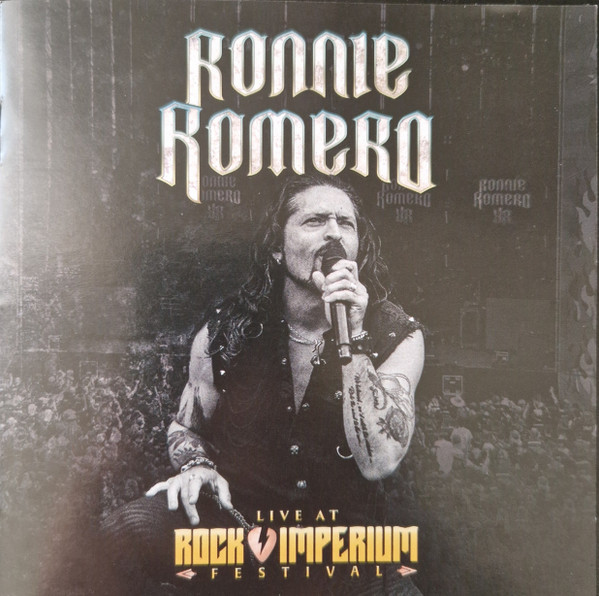
Ronnie Romero: At the point when I decided to do this, it was just a logical step in my career. Obviously, it might seem strange to some people that after being in Rainbow and also working with Michael Schenker at that time, someone would choose to leave that behind and start something completely new from scratch. But I felt that I needed to do it. It was also about taking on a new challenge and accepting a certain level of risk in my career. There came a point where I started to feel a bit too comfortable. There was no real sense of risk—we were playing big arenas and venues, performing songs written by others, and not really worrying about sales or tickets. Somehow, I lost a bit of the excitement of making music.
That doesn’t mean I regret playing with Rainbow or Michael Schenker—I loved it. With Michael, the same thing. I loved playing and singing UFO songs and all that material. I’m still in contact with him, and we’re on good terms. I love his music—I grew up listening to it. But there was a moment when I felt too safe, and I think that can lead to a lack of creativity and excitement in your career. So, I really wanted to try something new. For me, it was a logical step, despite the risks involved. But I’m very happy now. Even during this tour, I’ve realized that although I released the album in October and we’re touring in March, people already know the new songs, and the connection with them is really great. That makes me really happy.
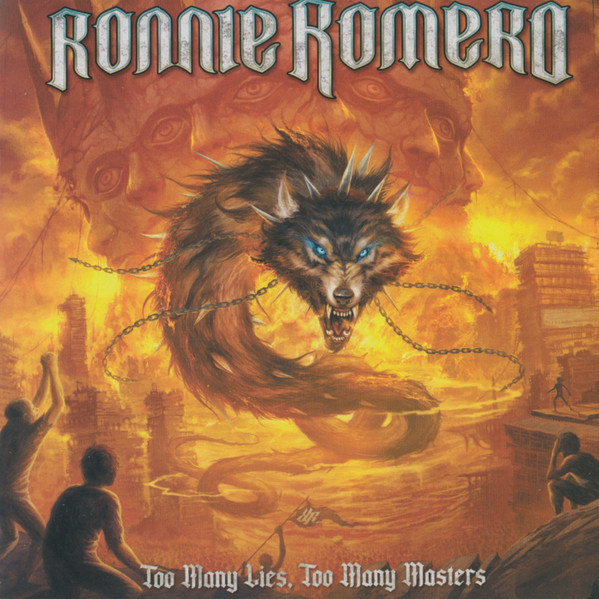
How do you see the evolution from Too Many Lies to Many Masters to Backbone?
Ronnie Romero: Well, I’m not sure I’d call it an evolution, but things were definitely clearer with Backbone. When I listen back to Too Many Lies to Many Masters, it feels more like an experiment. At that time, I didn’t really know what people were expecting from me, so I tried a lot of different things in different ways. That’s probably why the album doesn’t sound as cohesive as it could. There are many songs with different styles, because I was still figuring out what I wanted to do. I didn’t know what the audience expected, so I was experimenting with different approaches. After releasing that album and touring for a couple of years, my vision became much clearer, and I had a better understanding of what people wanted.
So is it fair to say that you were able to find the right direction?
Ronnie Romero: Yeah, absolutely. That’s why Backbone sounds more like a complete album, rather than just a collection of different ideas.
You produced this album yourself—how much freedom did that give you?
Ronnie Romero: I did everything with my guitar player, Jose. We got the contract from the record label, and then I just delivered the master. There was no involvement from the label in any part of the album, which I really appreciated, because they gave me total freedom to do whatever I wanted. That also means they trust me, which is very important for a musician. So, I delivered the master, and they were very happy—simple as that. I’ve been involved in many different projects with Frontiers (the label), and usually, they are more involved, even in the songwriting. But as I said, I think that’s also a sign that they trust what I’m doing, which is very important. So yeah, I delivered the master, they were happy, and that was it.
MORE ABOUT BACKBONE
One of the standout songs on the album is ‘Hideaway’, written by legendary songwriter Russ Ballard. Can you tell us more about the song and how you and Russ ended up working together?
Ronnie Romero: Yeah, we were in the writing process, and I had been in touch with Russ Ballard a few months earlier. Then we met at a Frontiers event, and I got the idea to ask him if he might write a song for me. So I took my chances and sent him a message, and he immediately replied, “Yeah, what do you need?” I told him the kind of song I was looking for, and a couple of weeks later he came back with a demo—he was singing and playing all the instruments himself—and said, “This is the song I have for you.” I was very happy about it, and very grateful as well, because he’s a legend, especially as a songwriter. He’s written music for so many artists, and he was willing to help me without asking for anything in return, which is fantastic. So yeah, it was quite straightforward—he sent me the song, and we adapted it a little to make it heavier. He was even involved in the video shoot and everything, so it was a huge help for me when releasing the album.
I visited him in the United Kingdom for an interview a few years ago. He was hosting a private event to which he had invited a select group of people. I was a bit surprised when he told me he had hardly ever personally met the bands and musicians for whom he had written several hit songs. For example, he had never met Ace Frehley, who recorded several songs written by Ballard, such as ‘New York Groove’ and ‘Into the Night’.
Ronnie Romero: So that means I’m probably even luckier, because I had the chance to meet him. I first met him in 2018, when he was invited to a Rainbow show. We sang a song together, and from there we stayed in touch. Then we met again in Italy at a Frontiers event, and that’s when we talked about the new song. He wrote the song, helped me with everything, and even came to Madrid for the video shoot. He’s such a nice guy—he didn’t ask for anything. He even paid for his own flights and hotel when he came to Madrid for the shoot.
He’s a very down-to-earth guy.
Ronnie Romero: Yeah, absolutely. He’s a great human being. We shot the video, and afterwards he just said, “OK, see you next time,” and left.
You also worked with some other interesting names on the album, like Roy Z and Kee Marcello. Can you tell us about their roles?
Ronnie Romero: Roy Z has been a good friend of mine for many years, and we’d always talked about doing something together. Since he also has Latin roots, he was interested in maybe doing something in Spanish, but it never really happened. So when I asked him if he had something I could use for my album, he immediately sent me a demo. We adapted the song and recorded it. Same thing—very easy to work with, a good friend, and again, not asking for anything in return. We met in L.A. later that year, and he was really happy with how the song turned out. So that was very cool.
As for Kee Marcello, when we recorded the song with Russ, I felt that one of the solos had a strong Europe vibe toward the end. So I thought about asking someone from Europe to play the solo, but that didn’t work out. Then my bass player suggested Kee—he’s a friend of his—so I got his contact details and reached out. Same thing—he immediately said yes. He recorded the solo, but the funny part is that it took quite a while, and we were getting very close to the deadline for delivering the masters. Just a couple of days before the deadline, he sent it over—and then told me he had changed the chord progression for the solo. That meant we had to re-record the bass and keyboards as well. We didn’t have much time, so we had to do everything very quickly. But in the end, it worked out—it’s a fantastic solo. And again, he also came to Madrid for the video shoot. He’s a really cool guy, and everything worked out well.
Maybe he was just testing you.
Ronnie Romero: Yeah, probably.
ELEGANT WEAPONS
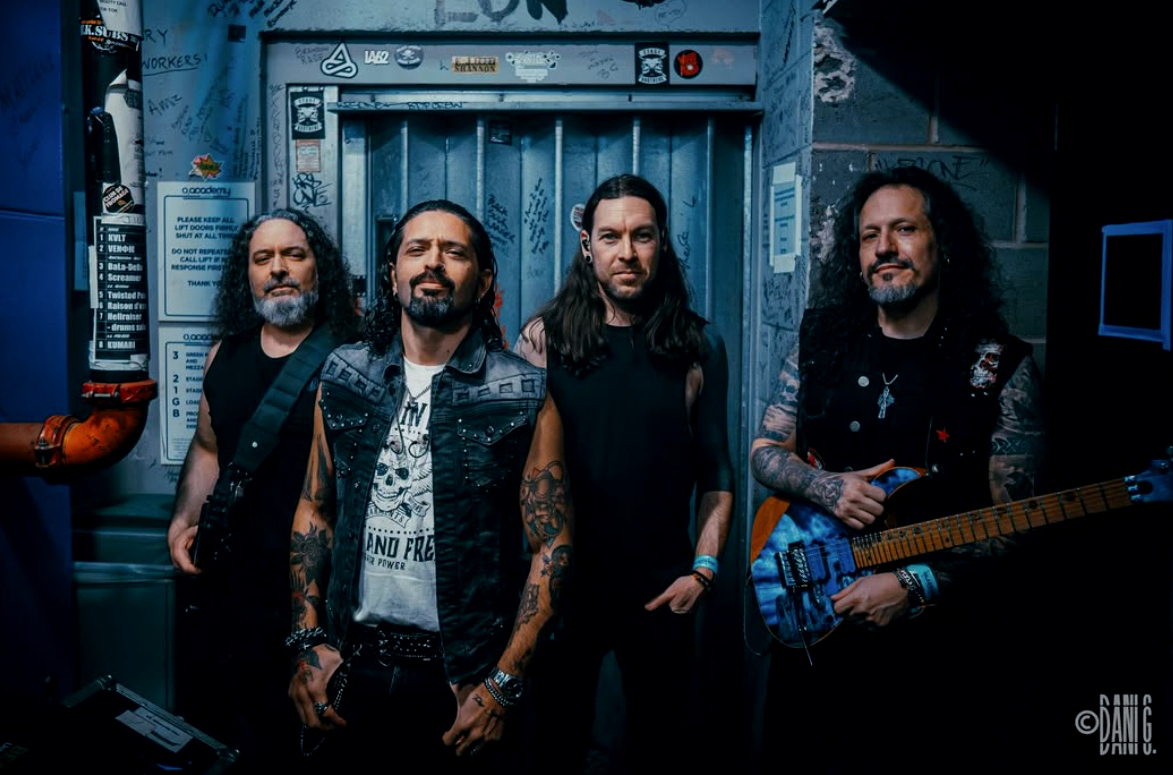
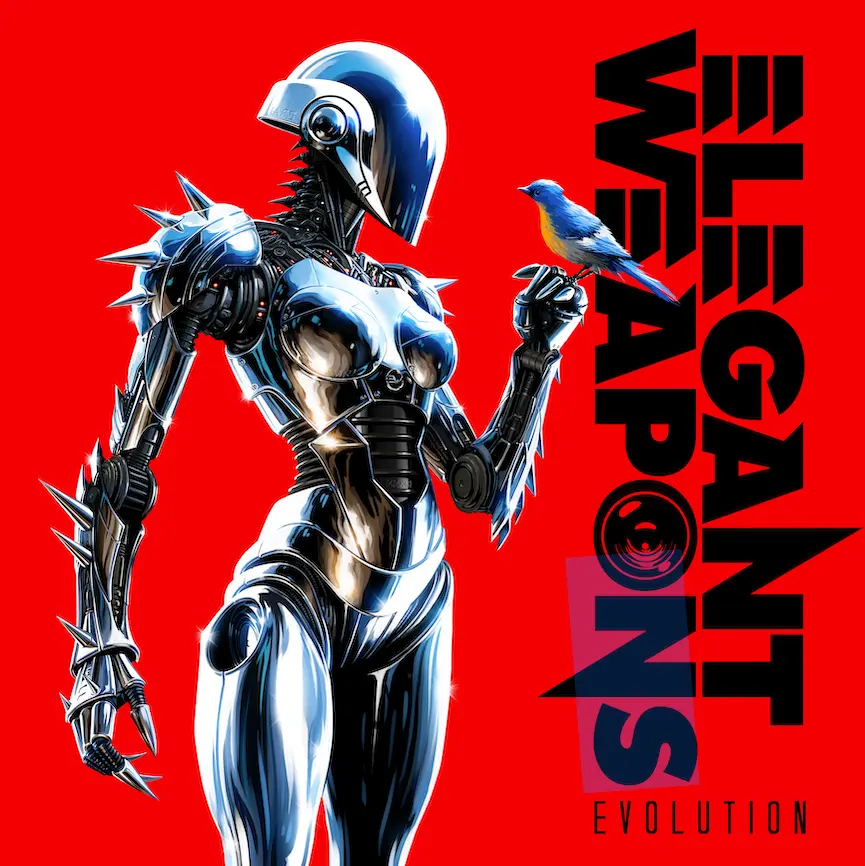
Elegant Weapons will release its second album, Evolution, in April. As a kind of supergroup built around Judas Priest guitarist Richie Faulkner—and with you involved from the very beginning since 2022—can you tell us about the process of creating this album? I understand it took quite a long time to complete, so would you say the process was fairly different compared to the first album?
Ronnie Romero: Yeah, it was—because if I compare it to the first one, when Richie Faulkner contacted me to record the songs, the album was already recorded. So, it was pretty much done, and they had another singer. He just wanted to try a different voice, so he sent me the songs. I went into the studio and recorded everything based on what they already had. So it was a much easier job, and I think that’s why it doesn’t fully represent my identity on the record.
The songs are great, and the album was very well received, but it’s not 100% what I would normally do on a song or an album. This time it was completely different, because after the first album and after playing shows together for about a year, we started working on the new material from scratch. I was involved in writing the lyrics, developing the vocal lines, and working on the backing vocals together with Andy Sneap and Richie. It took a lot of time—normally, I don’t spend more than five days recording an album, but this time it was almost a month of going to the studio every day and working on the songs. Because of that, I feel the album is more truly an Elegant Weapons album than the first one, and there’s more of me in the performance. So yeah, it really is an ‘Evolution’, because now it actually feels like a real band.
When you first joined Elegant Weapons, Richie Faulkner had a 14-year background as a Judas Priest guitarist, playing stadiums and large-scale metal shows. What was he like when you started playing smaller-scale shows?
Ronnie Romero: He’s a pretty cool guy. Actually, the way I met him says a lot. It was at a Judas Priest show in Spain. At the time, I was with Lords of Black, and we were opening for them that night—I think it was in Bilbao or somewhere around there. It was a decent-sized arena, about 5,000 people. We arrived at the venue and were doing our soundcheck after theirs, and then I saw Scott Travis, whom I had met before when he was playing drums for Thin Lizzy during the first Rainbow shows—they were opening on the Monsters of Rock tour. He saw me and said, “Come to the dressing room, I’ll introduce you to the rest of the guys.” That’s when I met Richie.
Scott always travels with an electronic drum kit so he can warm up before shows. He started playing, Richie picked up a guitar, and we ended up jamming Rainbow songs in the dressing room. That’s how we met, and we stayed in touch after that. He’s a cool guy and very down-to-earth. I don’t think playing smaller venues affected him at all. Like me, he understands that when you start something of your own, you begin at a different level—and that’s totally fine.

I first met him when he played at Tavastia Club in Helsinki. He was then playing guitar for Lauren Harris, the daughter of Steve Harris. I recall there being only about 50 people in the crowd, but he still performed as if it were a stadium show.
Ronnie Romero: Yeah, that’s exactly him. He understands how the business works. When you play with big names, there’s a certain comfort zone, but if you want to try something new, you have to take risks—and he’s fine with that.
But you can always go back to that safe zone if you want to.
Ronnie Romero: Yeah, exactly—not me, but he can.
One more thing about Elegant Weapons. As you said, it started as a Richie Faulkner solo project, but now it feels like a real band. How do you see the future? Is it going to be a long-term band, especially as Judas Priest and Uriah Heep slow down in the coming years?
Ronnie Romero: That’s the idea—that we have something to continue with in the future, especially for the guys. You know, Richie is with Judas Priest, Dave is with Uriah Heep, and Chris is with Accept, so they all have their main bands. So yeah, we’re definitely looking ahead and seeing if we can take Elegant Weapons to another level. That’s also why it took some time to release a new album, because everything depends largely on Judas Priest’s schedule. Actually, we had a Zoom meeting with the record label recently to discuss plans—maybe doing some acoustic shows or showcases later this year with Richie to promote the album, and then hopefully going on a proper tour next year.
So, Elegant Weapons won’t tour this year?
Ronnie Romero: I don’t think so. Judas Priest are likely to release a new album soon—they’re working on it—and then they’ll go on tour. So we have to wait until after that. But we’ll definitely do something, probably at the beginning of 2027.
LORDS OF BLACK
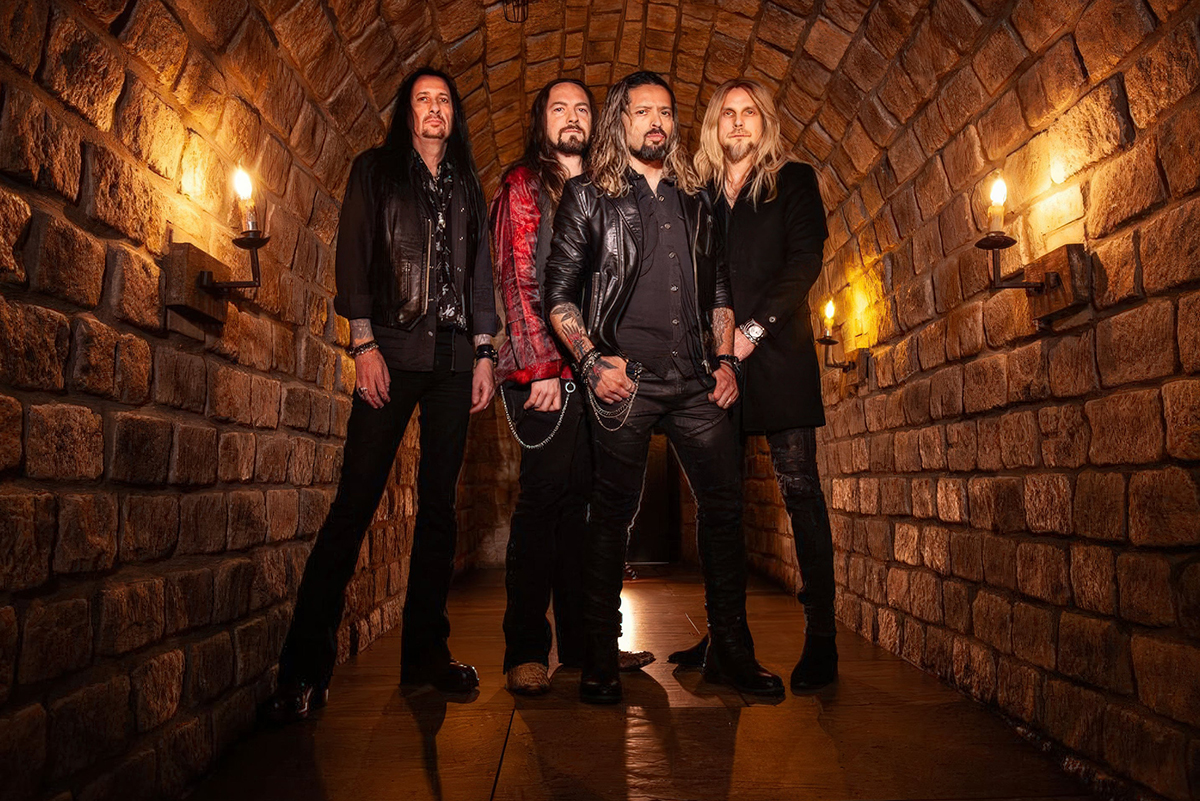
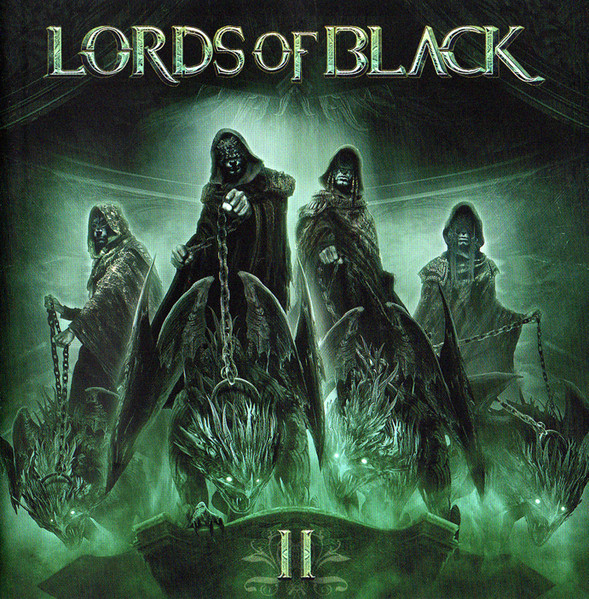
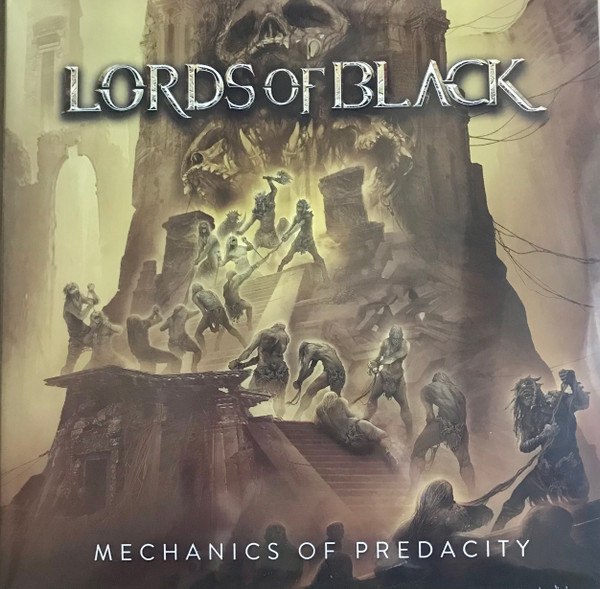
I have one question about Lords of Black. I remember when we did our first interview in 2018—that was when you introduced the band to me. You left the band in 2019, later returned, and since then, the band has released several albums, the latest in 2024. What is the current status of the band?
Ronnie Romero: That’s something I can’t really comment on. It’s actually quite a strange situation, and I don’t think most people are aware of it. The band is no longer with Frontiers, and that has created some complications that have left the band in a kind of limbo. At the moment, we simply don’t know what will happen. I think one of the main issues with Lords of Black is that the band essentially belongs to one person, who makes all the decisions. And sometimes that person is not in the mood to tour or move things forward. People sometimes blame my schedule, which I don’t think is fair or accurate. I’ve always said that if Lords of Black were active, I wouldn’t need to do anything else. But the reality is that the band hasn’t been moving forward at all, so I’ve had to focus on other things.
I also tried to help when the album was released a couple of years ago. I put my agent in contact with Tony Hernando, but he never replied. I think he prefers to handle everything himself, which I respect. But in today’s music industry, it’s very difficult to do everything on your own—you need contacts. Otherwise, it becomes very complicated. So honestly, I don’t know what will happen. I recorded the album, but I haven’t had any updates about potential shows or plans. I think we received an offer for a festival last year, but nothing came of it. At this point, I feel like I need to move on, and if something happens in the future, then we’ll see. If not, I’ll continue focusing on my solo career, which is my priority right now.
So, the future of Lords of Black is still an open question.
Ronnie Romero: Yeah.
MICHAEL SCHENKER
Let’s discuss Michael Schenker in a bit more detail. Like Blackmore, he stands as one of the true legends of the genre. Beyond their distinctive playing styles, the two also share a reputation for being challenging collaborators. How would you reflect on your time in Schenker’s band, and how would you describe your personal relationship with him?
Ronnie Romero: I don’t know why people always say that working with Richie or Michael Schenker is complicated. Maybe I was just lucky and worked with them when they were in a good mood—I don’t know. But I never had any issues, either with Richie or with Michael. They were always very nice to me. Michael is a pretty cool guy. Of course, he has his own way of doing things. On tour, for example, you don’t see him very often, because he travels separately and stays in a different hotel. But whenever we spent time together—during rehearsals, shows, or even just waiting at the airport—he was always great to be around. We talked about all kinds of things. He’s a very smart person, just like Richie.
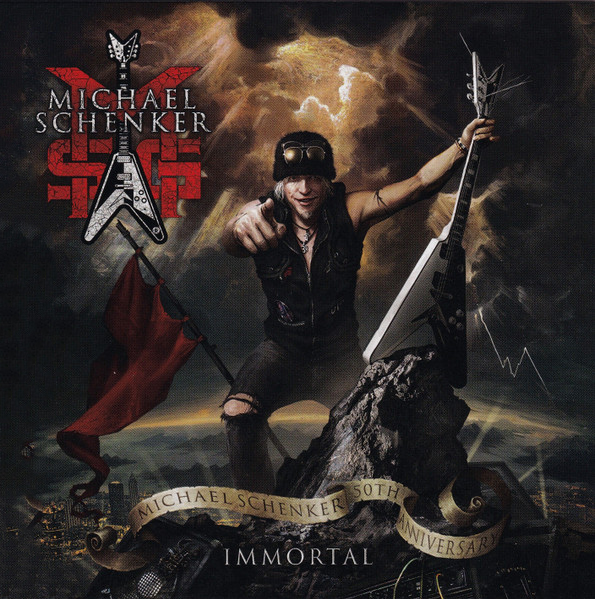
I only have good memories of him. Just like Richie, he still sends me birthday and Christmas emails—he always remembers my birthday, which is a nice thing. Yeah, it was a great experience. Of course, I can’t quite put it on the same level as Rainbow, since that’s my favourite band of all time and I had the chance to play with them. But it’s pretty close—after all, it’s Michael Schenker. On the last tour I did with him, he was celebrating 50 years of his career. Ronnie Romero: When I joined Michael Schenker Group, I was 42 at the time—he had been playing long before I was even born. That’s something I really respect. I also learned a lot from him, especially the passion he brings to everything he does. I saw him play every night with the same dedication for a month, and I never saw him complain about anything—playing perfectly every night and wanting to play the next day again. The passion he still brings to his performances is just unbelievable, so yeah, great memories.
He was here last month, and he’s 71 now. You wouldn’t know it from seeing him on stage. About the music you recorded with Michael—how much freedom did you have to develop the songs?
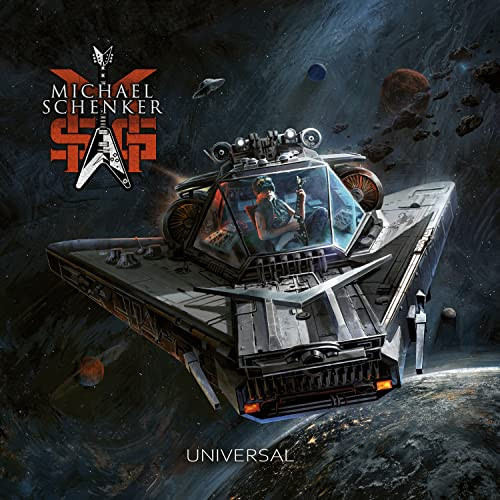
Ronnie Romero: I got—yeah, I remember getting the songs from the producer, and they would just say, “Can you write lyrics for this?” And that’s what I did. Then I went into the studio, and everything was fine. The funny thing is that there was one song they asked me to write lyrics for, but in the end, they didn’t like what I did, so they used different lyrics. But then I used my lyrics for a song on my own record, so it all worked out—it didn’t go to waste.
Michael Schenker’s band has often been something of a revolving door. Like Rainbow, it has featured many legendary vocalists over the years. You once mentioned that it was sometimes challenging to sing songs from the Joe Lynn Turner era with Rainbow live—did you face similar challenges with Michael Schenker or UFO material?
Ronnie Romero: Not in terms of range, but I would say that UFO material is not easy to sing because it has such a strong vocal identity rooted in Phil Mogg’s voice. You can’t really replicate it—you can’t copy it, because people won’t like that. Even if you put your own spin on it and it sounds good, people still might not fully accept it because the original voice is so distinctive. It’s like if I were asked to sing Black Sabbath songs—specifically Ozzy Osbourne’s material. Technically, I might be a better singer than Ozzy was, but his voice has such a unique character that no one can truly replicate it. That’s what made him so special. So, in that sense, the UFO songs were probably the most challenging, and Gary Barden’s high-pitched style wasn’t easy either.
As you said, you’re still on good terms with Michael. If he asked you to do a few shows with him in the future, would you be open to it?
Ronnie Romero: Oh yeah, definitely. I would love to. Hopefully, I can do at least one more show with him in the future, because it was a lot of fun. As I said earlier, I just reached a point where I felt I couldn’t do it every day anymore—I needed to do something different. But every night on stage was fun. It’s still a great band, all the musicians are fantastic, and we had a great time together.
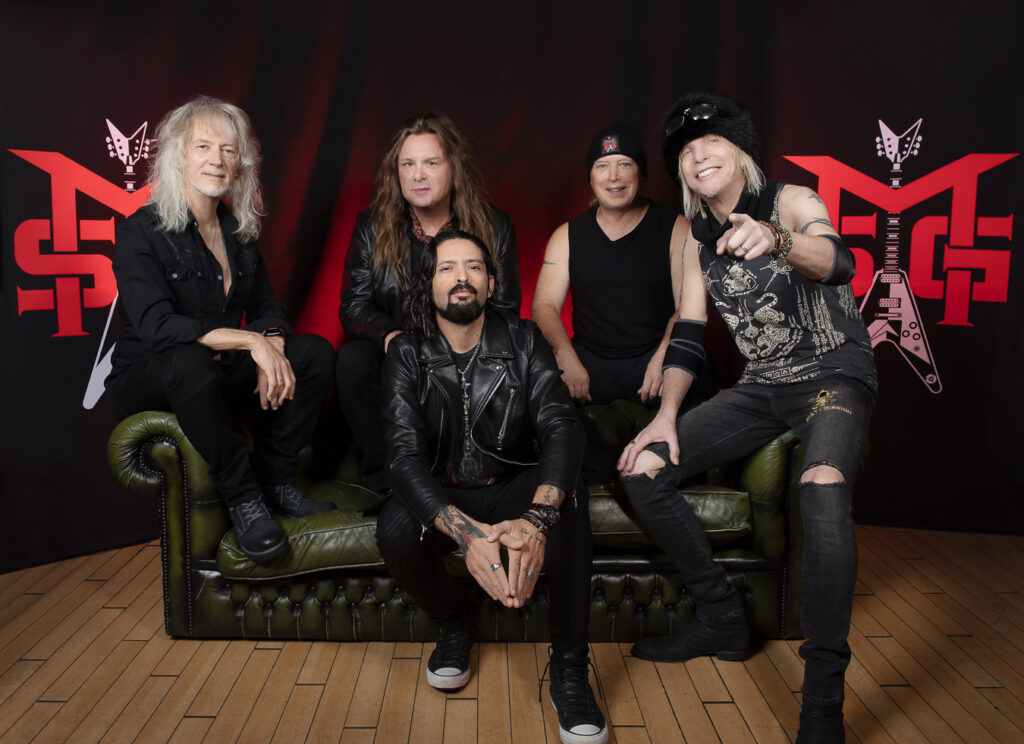
VANDENBERG
The third legendary band you’ve worked with after Rainbow is Vandenberg.
Ronnie Romero: Adrian Vandenberg, yeah.
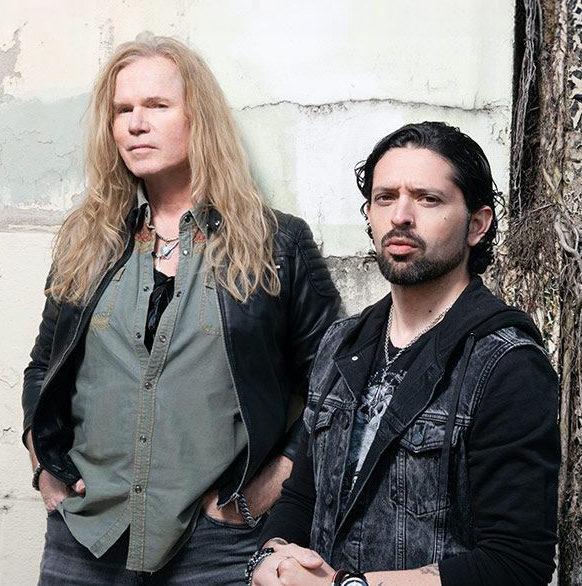
When you joined the band in 2020, Adrian spoke very highly of you in interviews—saying there were only two singers in the world he would accept for the band, and you were one of them. But about a year after the album was released, you quit the band. What happened between you and the band at that time?
Ronnie Romero: Yeah, sadly, it was a problem with the management, not with Adrian. I think that’s why, after a while, we were able to resolve things. I saw him last year at a festival in Germany, and we talked, and everything’s good now. But you know, sometimes you have these kinds of problems with management—they don’t always communicate well with the artists. And unfortunately, all of this happened during the pandemic, which made things even more complicated at the time.
So, the situation was that we released the album 2020 and were supposed to do shows, but then the pandemic happened, and everything stopped. Then Michael Schenker asked me to do shows with him. Since I didn’t have any news from Vandenberg, I agreed to join Michael. But then I found out—actually, I saw it on social media, I think on Facebook—that there was a show booked with Vandenberg that I didn’t know about. I hadn’t been informed. So, when I spoke to the management, they said, “Yeah, we have a tour coming up,” and it was scheduled for the same period as the Michael Schenker tour. I said, “Yeah, but I didn’t know about it,” and they said, “You should know—you were copied on the emails.” But when we checked, I wasn’t copied on those emails, so they assumed that because I didn’t reply, I agreed to everything.
Then I said, “Well, sorry, but I’ve already committed to Michael for this tour.” So I went to Michael and explained the situation, and he was very understanding. He said, “No problem—you go and do the shows with Vandenberg, because we have other singers anyway.” So I went back to Vandenberg, but by then they were not happy about the misunderstanding, and they decided to find another singer, Mats Levén. So yeah, there was a problem. I mean, it was their decision, and they got a good singer. But in the end, everything is fine between Adrian and me. He’s not working with that management anymore, so maybe this could have been avoided.
This all sounds like a classic “broken phone” situation.
Ronnie Romero: Yeah, exactly. But I don’t blame him at all. I think, in the end, it just wasn’t the right time for us.
You’ve said many times that Rainbow was your favourite band when you were younger, and that Michael Schenker was also very important to you. How familiar were you with Adrian and his past work with Whitesnake, especially?
Ronnie Romero: Oh, well, I always liked Whitesnake, especially with Adrian. I would say almost at the same level as Rainbow. I remember the first rock album I ever listened to—I must have been thirteen or fourteen. A friend of mine gave me a cassette, and it was Starkers in Tokyo by Whitesnake, the acoustic live album, with Adrian playing on it. I remember learning all the songs because I was blown away by David Coverdale, so I learned everything. And then when I discovered that there were electric versions of the songs, I didn’t like them at first because I was so used to the acoustic versions. So yeah, Adrian was probably one of the very first guitar players I ever listened to. I listened to that album for a long time.
So it was funny—when we went to L.A. to record the Vandenberg album, we were basically sharing the same place, living in the same house. Every morning, over coffee, he would pick up the guitar and start playing those songs, and I would sing along. He was really surprised that I knew all the phrasing—and I even knew what Coverdale was saying between the songs, because I had listened to it so much. He was laughing about it, like I knew everything on the album. So yeah, he’s definitely one of my favorites.
I’ve met him a couple of times, and I think he’s a really nice guy.
Ronnie Romero: Yeah, he’s a super cool guy.
MALMSTEEN QUESTION
So, one more question about Mats Levén. You mentioned that you recently met him in Stockholm and even sang some karaoke together. He’s best known for his time in Yngwie Malmsteen’s band in the ’90s. Let’s say Yngwie called you out of the blue and asked you to join—would you seriously consider it?
Ronnie Romero: I wouldn’t think about it—I wouldn’t want to do it; because of all the stories I’ve heard from people I’ve worked with who have worked with him. You know, I’ve worked with people like the Johansson brothers, Jeff Scott Soto, and Mark Boals. I know all those guys, and they’ve told me some stories, and I was like, “I don’t know…” So, when somebody asks me, “What if Yngwie calls you?” I would say, “No.” I’d hang up the phone.
But I would say that the way I discovered Yngwie was actually when Mats Levén was in the band. The first Yngwie album I heard was the live album Live!!, and Mats was singing on it. Then I heard Facing the Animal, which is one of my favorites, together with The Seventh Sign. So yeah, if that ever happened, I’d choose just one song—and that would be Facing the Animal for sure.
You may know this, but Mats is going to Japan in May and is set to perform the entire Facing the Animal album.
Ronnie Romero: Yeah, he told me that, and that’s fantastic. He’s a great singer. As I said in a post the other day, he’s one of my heroes. Together with David Coverdale and later Ian Gillan, he was one of the first singers who really blew me away—I was like, “How can this guy sing like that?” On that live recording, he’s just killing it.
STUDIO WORK
Besides your active touring bands, you are also involved in several studio-based projects like The Ferrymen and others that don’t perform live but focus on recording. What are the active projects you have now?
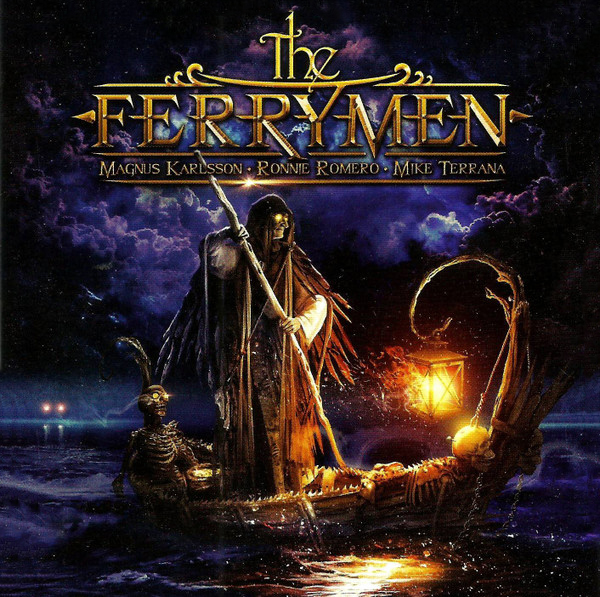
Ronnie Romero: Actually, we were talking to Magnus Karlsson about The Ferrymen the other day, and yeah, we’re not sure if we’re going to make another album. We originally thought that doing three albums would be enough, and we didn’t have any further plans. Then the record label came and said, “Can you do another record?” and we were like, “Yeah, but we already did three albums. I think that’s enough.” But they said, “Well, it’s one of the best-selling projects for the label, so why not do another one?” So we did another one two years ago—but since then, nothing else. I mean, I would love to work with Magnus again—we always have a lot of fun working together. But yeah, we were talking about it the other day. We’ll see—maybe. We don’t know.
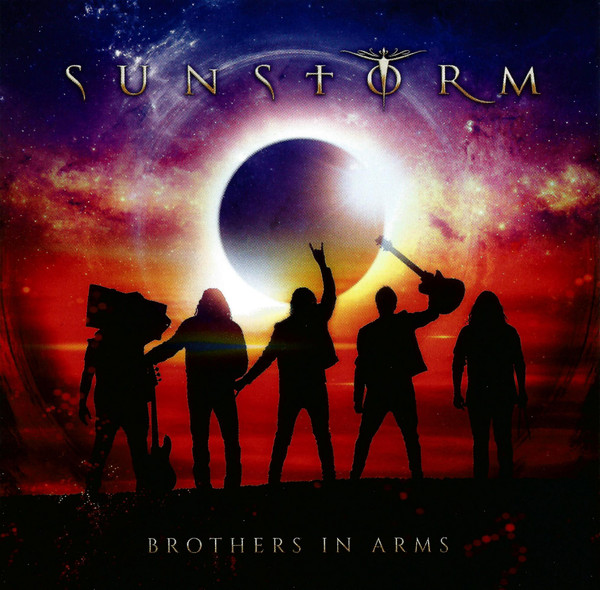
Another of your studio bands is Sunstorm, which was originally led by Joe Lynn Turner. I recall that he wasn’t too happy when you joined the band.
Ronnie Romero: I think he’s never happy about anything I do—I don’t know. He wasn’t happy when I joined Rainbow, and he wasn’t happy when I worked with Sunstorm. I don’t know. I would actually like to know if he has a personal problem with me or something. But I really respect him as a singer—he’s one of my favourites. On a personal level, I can’t say much because I’ve never met him in person. No, never—we’ve never met. So maybe if we did meet, the situation could change, because he would see that I’m an easy-going guy.
Well, he currently resides in Belarus, so it might be challenging to meet him nowadays.
Ronnie Romero: Yeah, exactly. But he travels—I mean, I live in Romania, and he goes to Romania and Bulgaria quite often, so it wouldn’t be that complicated. But yeah, I don’t know. I just have the feeling that anything I do gets criticized by him somehow. I don’t know why, but I think that’s more his issue than mine. Still, I really respect him as a musician.
But regarding Sunstorm, you’ve now recorded three albums with that project. Is there more to come?
Ronnie Romero: That’s another thing I’ve been thinking about. Of course, it depends on the record label—if they want to do another one—but we’ll probably do another one. At the same time, I don’t think it’s something I’m particularly interested in continuing, because I want to focus on my solo album and career, and I think the label understands that and needs to support it as well.
As you said earlier, it’s a good rule to have three albums per project to keep it fresh.
Ronnie Romero: It looks like it always ends up that way.
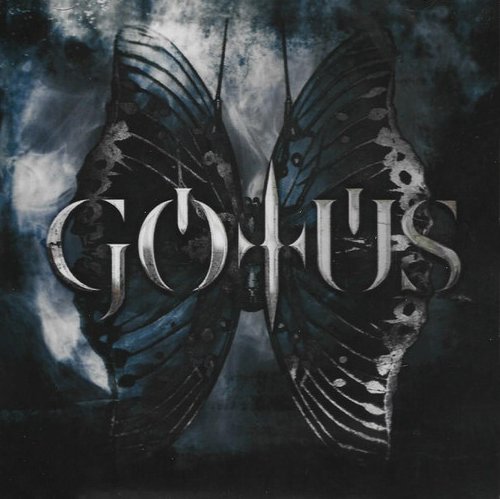
So, there’s one more project I must ask you about. I’m friends with Mandy Meyer, and I just found out that you’re going to play some shows later this year with Gotus.
Ronnie Romero: We have a couple of shows in May. We don’t do that very often, though. Mandy Meyer is busy with his personal life, and he’s also doing some shows with Krokus. The rest of the guys play with Marc Storace in his solo band, so everyone is busy. This band really comes from friendship more than anything else—it’s not about a need to do something together. We’ve been friends for many years. I met Mandy when he was still in Unisonic—I remember we did a support tour for them. So, from time to time, we just get together and do a couple of shows for fun, because we enjoy hanging out and playing together. If we do two shows a year or five shows a year, that’s perfectly fine for us.
I think Gotus was formed around the time when Krokus kind of wrapped things up in 2018?
Ronnie Romero: Yeah, it could have been something like that. Back then, Mandy and the guys had—I don’t know exactly what plans they had at the time—but Dino Jelusick was the original singer. He recorded the first album before it was released. Then, since we’re friends, Patrick Aeby, the drummer, asked me, “Can you do this for us?” and I was like, “Yeah, let’s do it.” So, we did a few shows. The main thing is that we have fun playing together, and that’s what matters most to us. Whether we do two shows or five shows a year, that’s totally fine.
THINGS IN LIFE AND THE FUTURE
When we last talked, you were living in Madrid, Spain, but later you moved to Bucharest, Romania. How did you end up moving there?
Ronnie Romero: My wife is Romanian. We met in 2019, and then we decided to live together before getting married. I thought it would be easier for me to move to Romania, since I’m always traveling. As long as there’s an airport nearby, it works for me. For her, it would have been a completely life-changing move, because she had already been working in Bucharest for many years. Moving to Madrid or anywhere else in Spain would have meant starting from zero. So I decided to move there, and I don’t regret it. It’s actually a great country. I’m very happy living there—there are great people, great food, and it’s still not completely affected by European regulations.
How far is your house from Dracula’s castle?
Ronnie Romero: It’s about—well, I’d say less than a two-hour drive, so it’s quite close. And actually, about five minutes from my house, there’s a small chapel where one of Vlad the Impaler’s supposed graves is—just the body, not the head.
So, as discussed in this interview, you have a lot going on all the time. How do you balance such a busy career with your personal life—especially your family?
Ronnie Romero: I think the best thing I have is my wife. She understands what I do. Otherwise—I don’t like to speak badly about people—but that’s exactly what happened in my previous marriage as well. Some people aren’t meant to understand what a musician’s life is, you know, and that’s the truth. Some people just don’t get it. Obviously, you need to travel a lot, you need to invest a lot of money, and sometimes that money doesn’t come back. But those are the risks of making music nowadays, and there are a lot of sacrifices. You need to be with somebody who can understand that, and luckily for me, my wife totally understands. What we don’t compromise on is the time we spend together. Even though I travel a lot, I still spend plenty of time at home. If I need to go to the studio, I go when she’s at work. So, we try to be together as much as possible, and that time is just for us—it’s not for anybody else. That’s why some colleagues have asked me if I should set up a home studio, and I always say no. I’m not going to bring my work home. Home is just for being with my wife—I wouldn’t do that, never. So yeah, if I need to record something, even demos, I go to the studio.
You have been involved in so many projects over the past ten years. Do you see yourself narrowing your focus going forward—and does “less is more” apply to your career at this stage?
Ronnie Romero: Yeah, I would say I agree with that. Being in the music industry really shapes your behaviour and how you see things. At the beginning, you start with all these hopes and illusions—you think everything is going to be great, and it still is in many ways, but sometimes this business can also be very hard. You need to understand who to trust and who not to trust, and you can’t blame anybody but yourself for your failures—you have to learn from them. So yeah, I would say I have a different point of view now, and I’m just trying to enjoy what I’m doing. I don’t expect to be the next Rainbow, for example. I just want to be Ronnie Romero, and I hope people will like that. And if they don’t, at least I’m happy that I did what I wanted. So right now, it’s about enjoying myself.
Looking ahead, what do you want to be best known for five years from now?
Ronnie Romero: I would say Ronnie Romero solo. Because when I decided to do this, I made a difficult and important decision to step out of Michael Schenker Group—that’s not something you take lightly. It wasn’t like, “Oh yeah, I don’t want to be with Michael anymore.” It was something I really thought about, and I discussed it with my wife many times. Then I spoke with Michael and told him, “Listen, I really want to do this,” and he was happy that I made the decision to go on my own and take the risk. That support meant a lot. So, if I’m putting all my cards on it, this has to be my priority.
That doesn’t mean that from time to time I can’t do other things, which I love. The more I can do in music, the better for me, because I love making music and I love singing—especially songs that I like. That’s another thing—I reject many other opportunities, not because they are bad songs, but because I don’t feel them. I don’t want to offend anybody, but if I don’t feel it, I don’t want to do it. So, everything I do is because I really love it, and hopefully it will stay like that for many years.
I think this is a perfect way to close this discussion. Thanks for your time, Ronnie, and hopefully we’ll see you in Finland again soon—next time on stage! laughs
Ronnie Romero: Thank you, Marko. Let’s keep in touch.