
Metal, Hardcore, Indie, Rock
John Bush on his upcoming Anthrax celebration shows – “Why not? Let’s stop talking about it and actually play some shows”
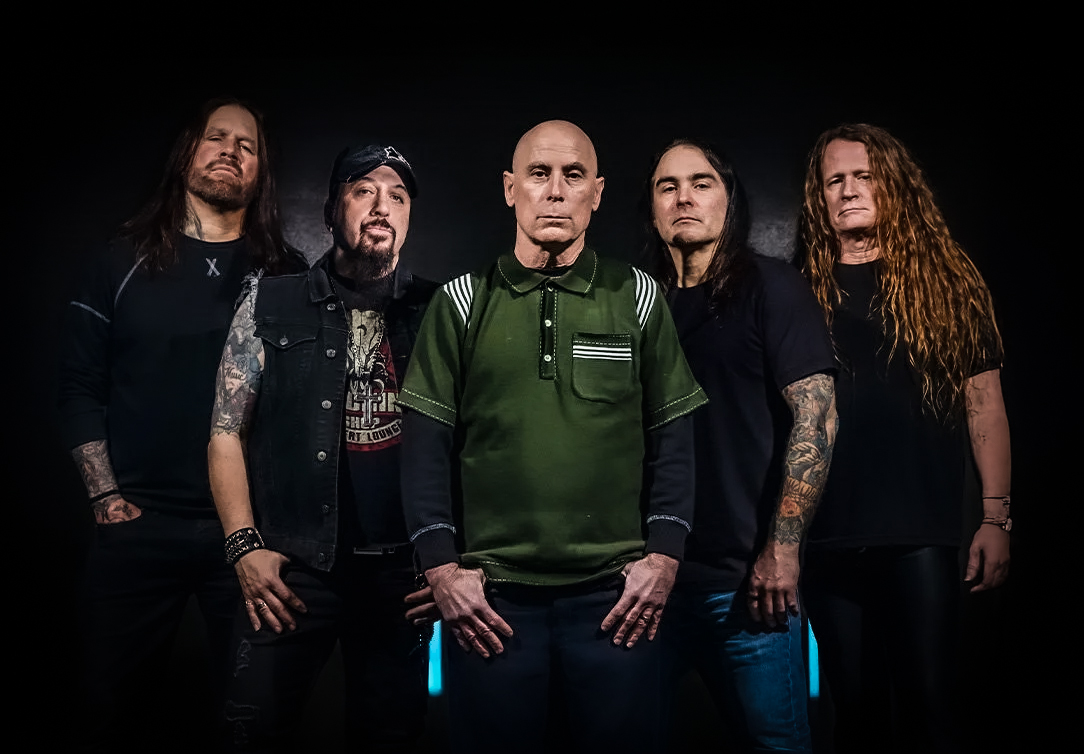
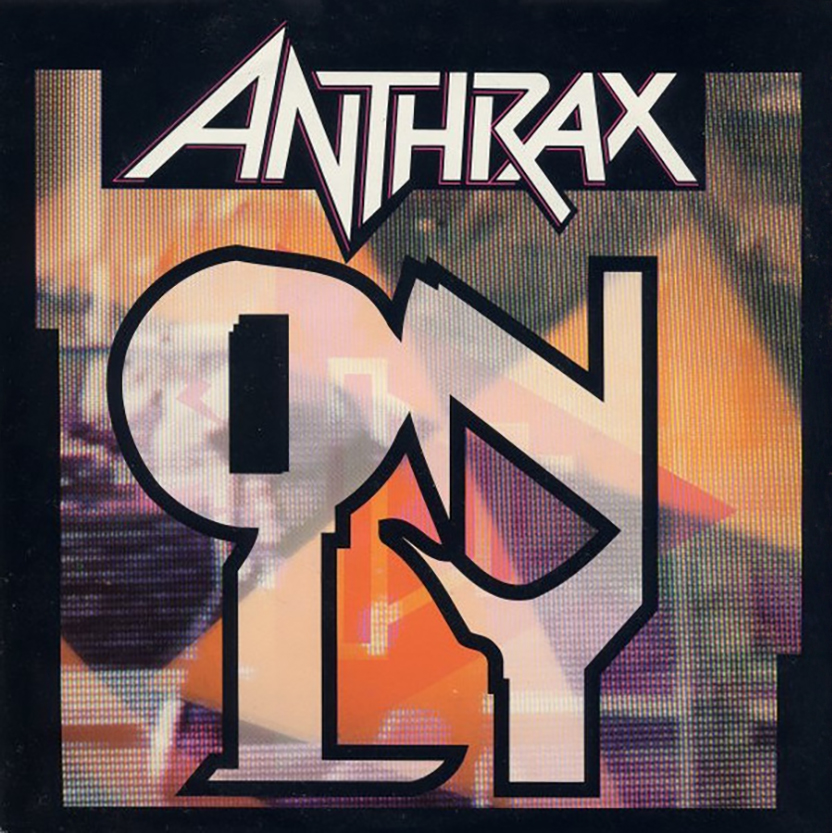
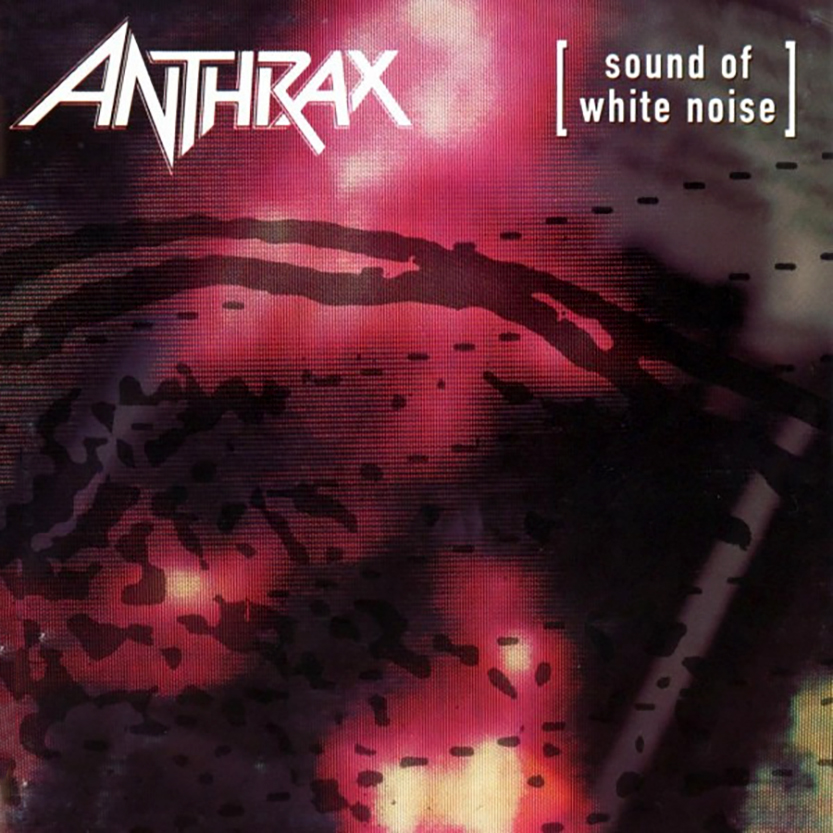
John Bush’s arrival in Anthrax in 1993 marked a bold new chapter for the band, ushering in a heavier, darker, and more modern sound that set them apart throughout the 1990s. His debut with the group, Sound of White Noise, became one of Anthrax’s most acclaimed releases, highlighted by the fan favorite ‘Only.’ Over the next twelve years, Bush recorded four studio albums—Sound of White Noise, Stomp 442, Volume 8: The Threat Is Real, and We’ve Come for You All—and provided a powerful, grounding presence amid lineup changes and music-industry turbulence. Beyond Anthrax, Bush has maintained a prolific career as the frontman of Armored Saint, a band he helped found and still leads, while also performing and recording with his new project, Category 7, which will also serve as his backing band for upcoming shows celebrating his Anthrax era. The long-awaited shows will begin in a few weeks at the famous Whisky a Go Go in Los Angeles. I met a good-humored Bush at another legendary L.A. club, the Rainbow Bar and Grill, a few weeks ago, and here’s a summary of our conversation about the upcoming shows, John’s time with Anthrax, Armored Saint, and much more. Read on!
CELEBRATING THE SONGS OF ANTHRAX 93 – 03
John, you’re finally going to perform the long-awaited shows celebrating your era with Anthrax. This has been in the works for quite some time now, at least several years, right?
John Bush: I’ve been talking about it for a while, like eight to ten years, probably.
So, tell me the whole story — how did this finally come together, and why is it happening right now?
John Bush: Why now? I don’t really have a great answer for why now — it’s more like, why not? Armored Saint just finished a record. It’s mastered, and it comes out in April. So, we’ve got a little time, a little break. We just wrapped up touring with Michael Schenker, did some dates, and then we did those shows with W.A.S.P. in England. Anyway, we’ve got this window before the record comes out, because once it drops, obviously, you want to tour in conjunction with it, right? So, my agent and I started talking again — he was the one who was kind of pushing me. The girl over there, Rika, whom you met, works for TKO, and Dan DeVita is my agent there.
We’d been talking about this for a long time, and finally, he just said, ‘You want to do these shows? Why don’t we do it?’ And I was like, ‘Okay, let’s do it.’ So, we set up three shows. We’re spreading them out — L.A., basically Chicago, and New York. And I figured, ‘Why not? Let’s stop talking about it and actually play some shows.’ So that was really it. We’ll do three and see how it goes, see what people think, see how I feel — all that stuff.
After so many years, or rather decades, these shows are definitely very meaningful to both you and the fans.
John Bush: Yeah. Well, I don’t want to overthink it too much, and that’s honestly one of the reasons I probably haven’t done it before. I’d get stuck thinking, ‘I don’t want to conflict with those guys, I don’t want to send the wrong message,’ and I wasn’t even sure who would play with me. There were just a lot of factors, and maybe the timing never felt right. So eventually I thought, ‘You know what? Let’s just do this.’ Then there was the whole idea that I made the Category 7 record—which is really cool, by the way, those guys are incredible players—and I thought, ‘Ah, you know what? They could do it.’ Then it became, ‘Well, we could play some Category 7, too.’ So now it’s basically two sets, which is a lot. I just sang 19 songs at home. But it all kind of seems like the right time.
Do I want to do this in Europe? Absolutely. When? I don’t know. How many shows? I don’t know. But of course, I’d like to play in different places. I love Europe—I’ve toured there many times with Anthrax and Armored Saint. And by the way, Armored Saint has never played Finland, which is pretty lame. But still, it all has to feel right.
Anthrax has a record coming out next year, so it’s important that I don’t get in their way or create any conflicts. It just has to make sense. And with these shows, it finally felt right. The only thing that made me hesitate a little was that it’s so close to Christmas. Around December 10th, people usually stop going to shows because they’re thinking about Christmas and the holidays. So, we talked to the promoters—Amy, since we’re playing the Whisky, and the people doing New York—and they were all like, ‘Yeah, let’s do it!’ Even the New York show, which is on December 20th, is super close to Christmas Eve. They didn’t care. They were like, ‘let’s go.’ So, I thought, ‘great.’ If I had their support, that was the most important thing.
If I remember correctly, before you ended up playing these shows with the guys from Category 7, wasn’t the original plan to also include other musicians who had previously played with you in Anthrax, like Paul Crook and Rob Caggiano? What happened to those plans?
John Bush: Paul Crook was one of the first people I talked to about this project, and I feel bad that it didn’t work out with him because I love Paul. He’s a great guy. And it’s just… I don’t need to go into the reasons too much, but it just didn’t work out that way with Paul. I like Paul a lot. He’s a great person. We have a lot of memories, a lot of funny stories, and a lot of laughter in our lives. Then I talked to Rob Caggiano, and I tried to make it work with Rob. We were really close, but… whatever, it just didn’t work out either. But I love those guys—they were a big part of those records, both of them. So, who knows? I mean, I don’t know what’s going to happen. I can’t predict the future. That’s why I’ve committed to these three shows and said, ‘Okay, I’m going to do this, and then we’ll see how it goes.’ I mean, I want to see how I feel. I’m going to sing a lot of songs. Category 7 will play for about 35-40 minutes, then I’ll play a lot of Anthrax material. I mean, I might be dead after this and go, ‘Okay, no more. I don’t want to do that again.’ So, yeah, I don’t know. I have to wait and see how I feel, whether people are interested, and how the shows are going. But time will tell.
REMEMBERING THE OLD TIMES AND JOINING THE BAND
I’m wondering what kind of memories you have of Anthrax before you joined the band. When was the first time you saw them live?
John Bush: I saw Anthrax and Testament at the Santa Monica Civic in 1987. I’m telling you, all the great venues in Los Angeles… those two are gone. Long Beach Arena—well, it’s not gone, it’s still there, but they don’t do concerts there anymore. And Santa Monica Civic was great. It held maybe 3,500 people. I saw Judas Priest there on the Unleashed in the East tour. Armored Saint played there with Ted Nugent, Michael Schenker, and Saxon. It was a great venue. And I saw Anthrax there on the Among the Living tour, and it was awesome. I didn’t really know them that well then—just kind of in passing here and there. I may have known Scott Ian the best. And eventually Scott moved to Los Angeles, and he’s lived here ever since… around 1990? ’89, ’90, somewhere around there.
I still remember seeing Anthrax at the House of Culture in Helsinki on the Sound of White Noise tour back in 1993.
John Bush: I remember that show. It was like a little round venue, right?
Yes.
John Bush: I remember. I totally remember that show.
In many ways, it was a mind-blowing show. We have to remember that this was a time before the internet. People knew that Anthrax was going through major changes and that the band had a new singer, but basically, the music video for ‘Only’ was the only thing anyone had seen of the revamped band. It was a time of transition, and everyone was a bit confused. Grunge was coming in strong, but Anthrax somehow managed to survive that battle back then, I would say. Do you agree?
John Bush: I do. I mean, it was a hard transition for a lot of bands—probably for all bands, really. And then on top of that, Anthrax changed singers, which is a huge, huge change. We put out that album, and it definitely sounded different from the previous records. It still sounded like Anthrax, but it also had its own thing going on. Honestly, I think it was the perfect record for that moment. If anything, it might have been a little ahead of its time.
But that’s how life went—they parted ways with Joey Belladonna, they brought me in, we made the record, and when we finished it, we were like, ‘This is a killer album.’ We were really proud of it. We went on tour and played those songs, and of course, I also had to sing a lot of the older material, which was great. It was the beginning of a whole new chapter for me, and I look back on that period really fondly. The thing is, I look fondly on all those records. They were all different in their own ways. And for a long time, those albums were basically hidden—they were out of print, unavailable, no record company, nothing. You couldn’t buy them. They were just… gone. And that makes me sad, because I spent a lot of time working hard on those four albums—writing, recording, touring, doing press, everything. I don’t want people to forget about that era.
I’m not saying it’s as important as Anthrax in the ’80s—nothing will ever compare to that. That’s when they exploded. But I also don’t want my era just to be erased, because that would suck. And honestly, it did suck for a while. I’m proud of those records, so now I want to take people on a little trip down memory lane. The reality is, they’re old records now—Sound of White Noise is over 30 years old, and even We’ve Come For You All is over 20. It’s old music, but it still sounds fresh. When I sing along to it at home, I’m like, ‘Yeah, this still sounds great. It’s going to sound great live.
What do you remember most about the time after you had been chosen as the band’s new singer? As the “new guy” in Anthrax, you must have felt a lot of pressure trying to win over both the band’s longtime and new fans. What was the most challenging part of that time for you?
John Bush: Well, I always wanted to respect Joey Belladonna, because I really think Joey is the sound of Anthrax. His voice is so distinctive, and honoring that was really important to me. So, I just went in wanting to give everything I had — do the best I could without overthinking it. They brought me in, so my job was to work hard and give it my all. That’s really the simple truth of it. I just went in and did my best. I embraced those songs from Among the Living, and obviously, State of Euphoria, Persistence of Time, and Spreading the Disease. You know, even the songs from Fistful of Metal with Neil Turbin — I sang those live, too. I wanted to honor all of them. I always say those records and singing those songs were like my adopted children. I took them in, treated them with love, took them to the carnival, and took care of them. I’m like, ‘They’re my adopted children’ — that’s honestly how I looked at it. I wanted to sing those songs the best I possibly could, even though Joey and I have very different voices.
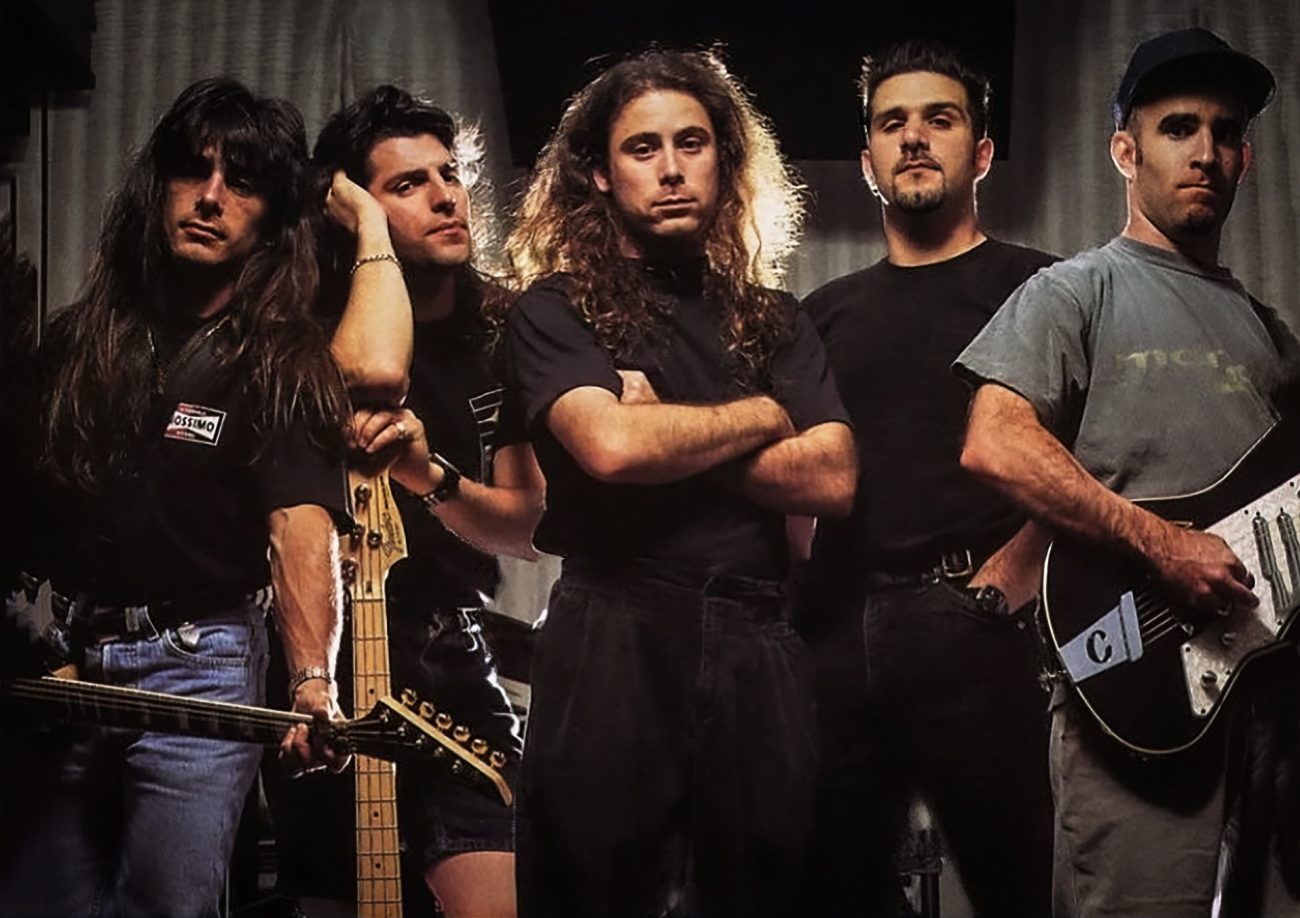
THE BUSH ERA ALBUMS
Next, let’s briefly go through all four albums you recorded with the band, starting with Sound of White Noise. What kind of process did you have when you worked on those albums together?
John Bush: So, when Scott and I would write songs for Anthrax records, even starting with Sound of White Noise, we’d go to New York, get an apartment, and live together. Then we’d go to the studio in Yonkers—the famous studio where they always rehearsed. We’d rehearse, then go back to our apartment. The first time, the apartment was in Manhattan, so we were just running around Manhattan, having fun, and then going to the studio to write songs for Sound of White Noise. And we did that for every record we made—all four albums—because he lived here in Los Angeles, so he didn’t have a place there anymore.
Sound of White Noise was a huge success, and I think it’s still Anthrax’s best-selling album to date.
John Bush: I don’t know about that, but I think I would… My guess, if I had to guess, would definitely be Among the Living. Well, I don’t know. I mean, it was a gold album in America. I think it was a gold album in Canada, too. I don’t know if it was gold in England or Germany. I don’t know. Well, it’s hard to say these days with record sales being the way they are.
The next album, Stomp 442, was, in my opinion, a totally different record compared to Sound of White Noise. It was a straightforward, kind of punkish album, if you ask me.
John Bush: I was talking to somebody recently about Henry Rollins, and Scott was really into Henry Rollins—the Rollins Band—at that time, which is fine, whatever you’re inspired by. But I think Stomp 442 is a little more aggressive and a little simpler. But that’s okay. That’s good. You don’t want… I mean, we don’t want to just try to follow up on Sound of White Noise. You want to keep growing, changing, and evolving. So yeah, I can see what you mean. There are songs like ‘Fuel,’ ‘King Size,’ ‘Random Acts of Senseless Violence,’ just skull-splitting stuff on that album.
And then comes Volume 8: The Threat Is Real, which—
John Bush: Well, oh, you give me a sad look. Didn’t you like it?
I love it as well. No worries! [Laughs]
John Bush: Oh, you do? You know, we took some chances on that album musically, a little bit. We had those two short songs. We had ‘Catharsis,’ which is like just a rock song, and ‘Inside Out,’ which is more like an epic kind of song. ‘Crush’ has an almost industrial feeling. There are some rock and roll songs like ‘Piss and Vinegar’ and ‘Alpha Male.’ There’s almost like just rock songs, like the short coffee song, well, ‘Cup of Joe’ and ‘604’ are just 30-second songs. So, it was all over the place. But I think it was some really cool material. And then we had the… We signed with that indie label because a lot of bands were doing things with indies. So, we were like, “Okay, let’s do it!” Unfortunately, it didn’t pan out very well. And that label went under like two months in, which is a shame, you know. So, then the record just died. But I think there are some great tunes on that record, and I’m going to play some songs live from it. Certainly, ‘Inside Out’ is a classic. That song was always a great live song. Really had this special vibe about it.
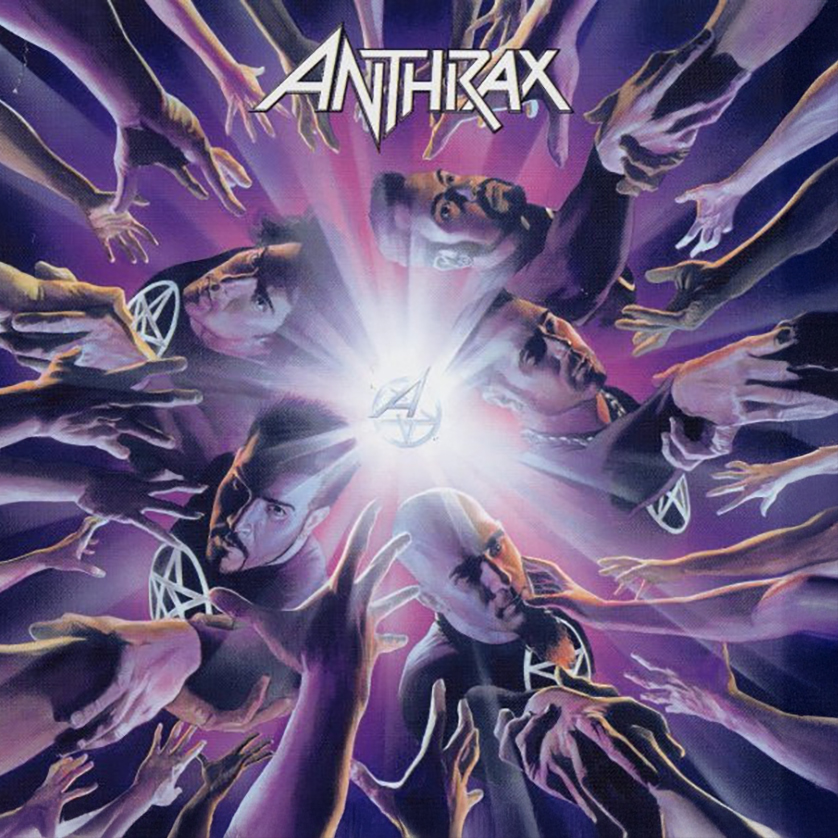
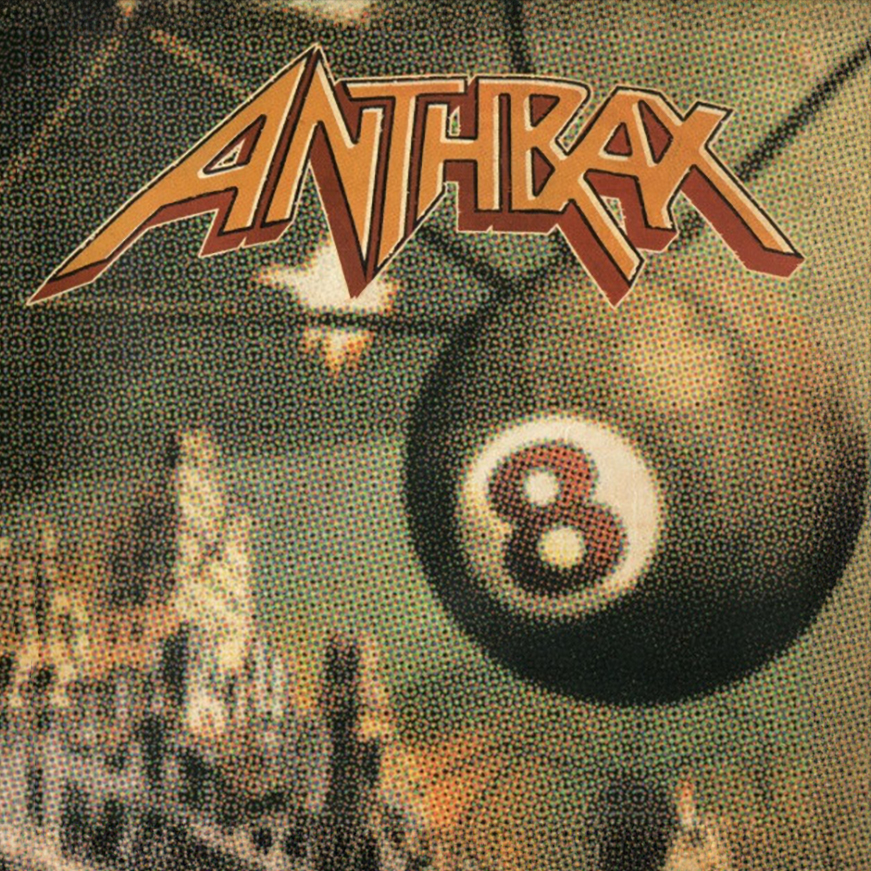
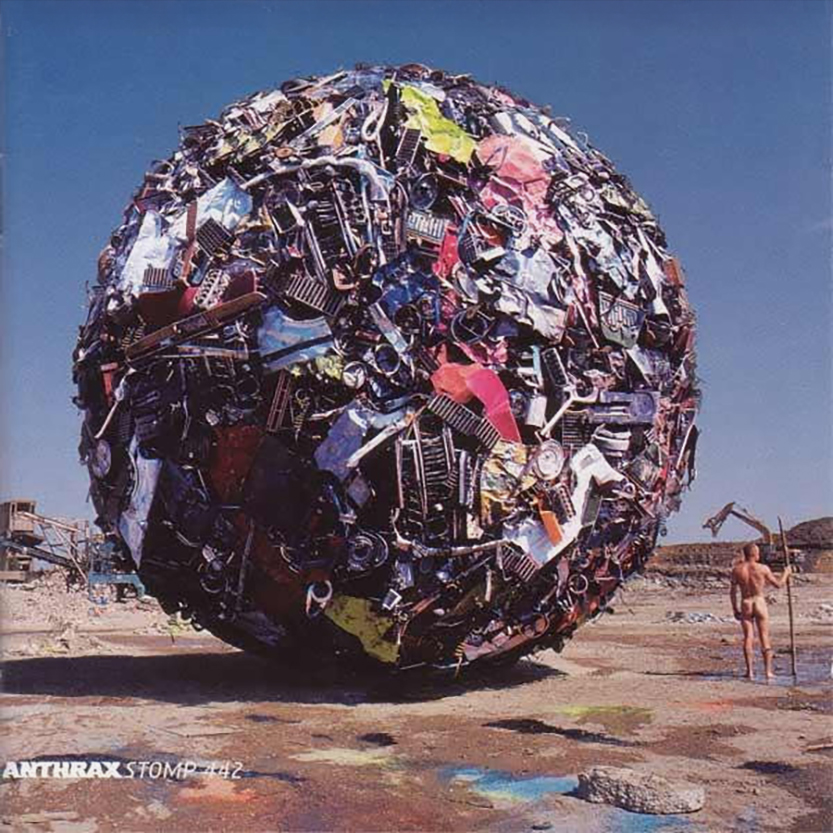
And then comes the album number four, We’ve Come for You All.
John Bush: Well, the cool thing about We’ve Come for You All was that then we signed with Nuclear Blast. So, we knew Nuclear Blast was a very, very successful label in Europe, very into metal. So, there was no doubt that we needed help from a real label in Europe that was doing well. And they did a great job. It’s off the charts, you know, great job. It was Sanctuary Records here in America, and that didn’t work so well. We should have probably just gone with Nuclear Blast internationally, which was a mistake, probably—one of many. But in any case, We’ve Come for You All, it was more of a metal record. We finally got the fifth person in the band. Paul Crook played on Stomp 442 and Volume 8 and toured with those records, but he was never officially in the band.
I feel bad about that because I love Paul Crook. He’s a great guy, an amazing player, and a buddy of mine. But it just never worked out that way. And then by the time We’ve Come for You All came around, we were like, “Okay, we needed to be a five-piece band, and let’s make it a five-piece band.” So, then Rob Caggiano came in, and he was great. He was young, he was fiery, he was funny, he was crazy. So, he made a valuable contribution to the band and really added a lot. He was a great live performer. So, it was cool, and there are some amazing songs on that record that are really fun to play.
If Volume 8 was kind of a letdown in sales and everything, We’ve Come for You All kind of got the band back on track, right?
John Bush: Yeah, it did, especially in Europe. It really kind of reestablished Anthrax, so that was a good thing. That was a great time.’
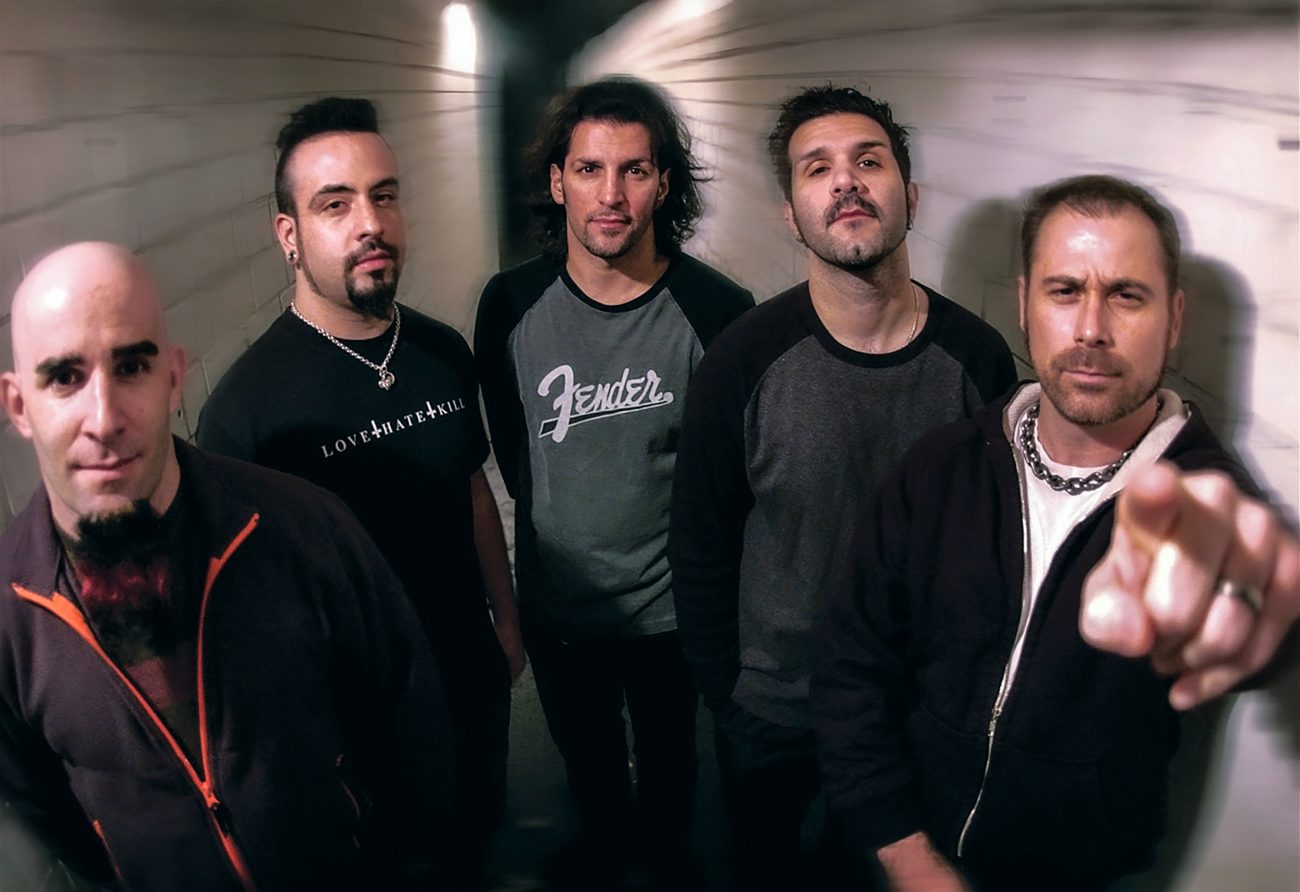
THE END OF THE GAME
Let’s next jump into the time when everything kind of closed down in 2005.
John Bush: That’s a good way of putting it.
That must’ve been a really tough period for you. What went through your mind emotionally when you first heard about the changes coming in the band?
John Bush: It was a sad time. It felt like the ending… Well, in retrospect, it was a tough time because at that point, I think the band wanted to try to do something with Joey again. And I get it. I really do. I understand. You know, maybe they were missing something, or maybe they felt like success would come back, you know? And I get that. I was like, “Do it!” We considered a couple of occasions to have two singers, à la Helloween, but we couldn’t make it work. We tried a couple of times. We had a tour plan, and it just didn’t work. I don’t really remember exactly why, and it doesn’t matter. It just didn’t work, which is a bummer because we could have done that earlier. I think it’s cool what Helloween did, but it just didn’t pan out. My feeling was like, you know what? “Do it!” I wasn’t that angry. I really wasn’t. My daughter had just been born.
She was a tiny baby, and I was like, “I’ll be a daddy for a while,” you know? The timing was such that there was something pulling me to say, “This is what you’re supposed to do here.” My wife and I talked about it—we just talked about it recently—and we had some tough times because it was weird. When I left Anthrax, she had a business, and the person who was bringing a lot of money to her business left. So, almost within a week, it was like, I left, that person left, and we were like, “Oh no, what are we going to do? Holy shit!” But we were like, “We’ll make it work. We’ll figure it out.”
We even did some therapy because we needed help figuring things out. But in the end, the reality was, life was telling me, “This is what you’re supposed to do. You’re supposed to stay, be with your kid, and this is where you’re supposed to go.” I will never regret that. That was the way my life was supposed to go. There were some tough times with the band. There were. It was a shame because I love those guys. I consider them very good friends, and when I was in Anthrax, I was very close to them—all of them. Scott, Charlie, Frankie—we all had our own particular relationships. I never really regret any of that. I felt like that was the way my life was supposed to go. So, it’s all good. It was a tough time, for sure, but it all worked out.
How long did it actually take for you to get back on your feet after all those things happened?
John Bush: How long did it take to get back on my feet? Well, I mean, I think, as I said, it was more like, “Okay, it’s time to go back and…” Well, you mean personally, for my own life?” I don’t think it took that long because, actually, it was funny—I had a good job at the time doing some voiceover work. I don’t know if you heard about that.
Yes, I have.
John Bush: Yeah, so I was doing commercials for Burger King, and it was so weird—suddenly, it just kind of happened right around the same time I left, not too long after. The girl who became my agent was really cool. Her name was Jackie, and she was a huge fan of mine as a singer. She said, “You should do voiceover,” and I was like, “Okay, sure, sounds great.” She goes, “I’ll be your agent, I’m an agent,” and I was like, “Okay.”
So, she basically brought me into her agency and started selling me as a voiceover person. I didn’t really know how to do it that well, and there’s certainly a craft to it, but she loved my voice, and she was a huge fan of me musically. She was a go-getter, just like, “I’ll sell you!” She’s a great agent—that’s what you want your agent to be like. Eventually, she got me a couple of jobs, but I think she had already left the business by then, and that’s when I got the Burger King job. She had already kind of set me up for doing well.
Then I got that job, and when you do—like when you get a campaign for Ford, Amazon, Burger King, McDonald’s, you name it—it was great. It’s great. I did a lot of commercials. I did like 300 commercials on the radio and TV, and it was good—great money. I’d wake up, start a job at 10 in the morning, do a couple of radio spots, maybe a TV spot, be done by noon, go home and go, “Wow, that was cool, that was fun.”
And you had no need to travel, no need for the “usual” stuff while you’re on tour with a band.
John Bush: No, dude, I would go, I would dress. I wasn’t going like a slob, I was wearing a cool shirt, whatever, do my job, and then all of a sudden, the checks would just start coming in, and, oh, I got a check, oh, I got another check, wow, look at this check! It was like, “Holy shit!” So, it made it easier for me to leave at that time. I was… but I was like, and my voiceover career has never been the same. When it ended, it was very competitive. Now it’s even more competitive. A lot of people, a lot of big-time actors do voiceovers now, because they know, “Wait a minute, I could do this, and I could make a shitload of money, and I could go in my sweats,” and they’d probably do it from home, you know? And so, they kind of squash a lot of little guys. But for like three years, I had that job, and it was amazing. And when it ended, I was like, it was sad, really sad. But hey, you can look at those commercials, you can go to YouTube, and you can find them, and that’s great. And the company I was working with was really cool. They were an ad agency called… fuck, I don’t remember their names now. But they made some really cool, funny, creative commercials. And it was really fun to do that. So, it was cool.
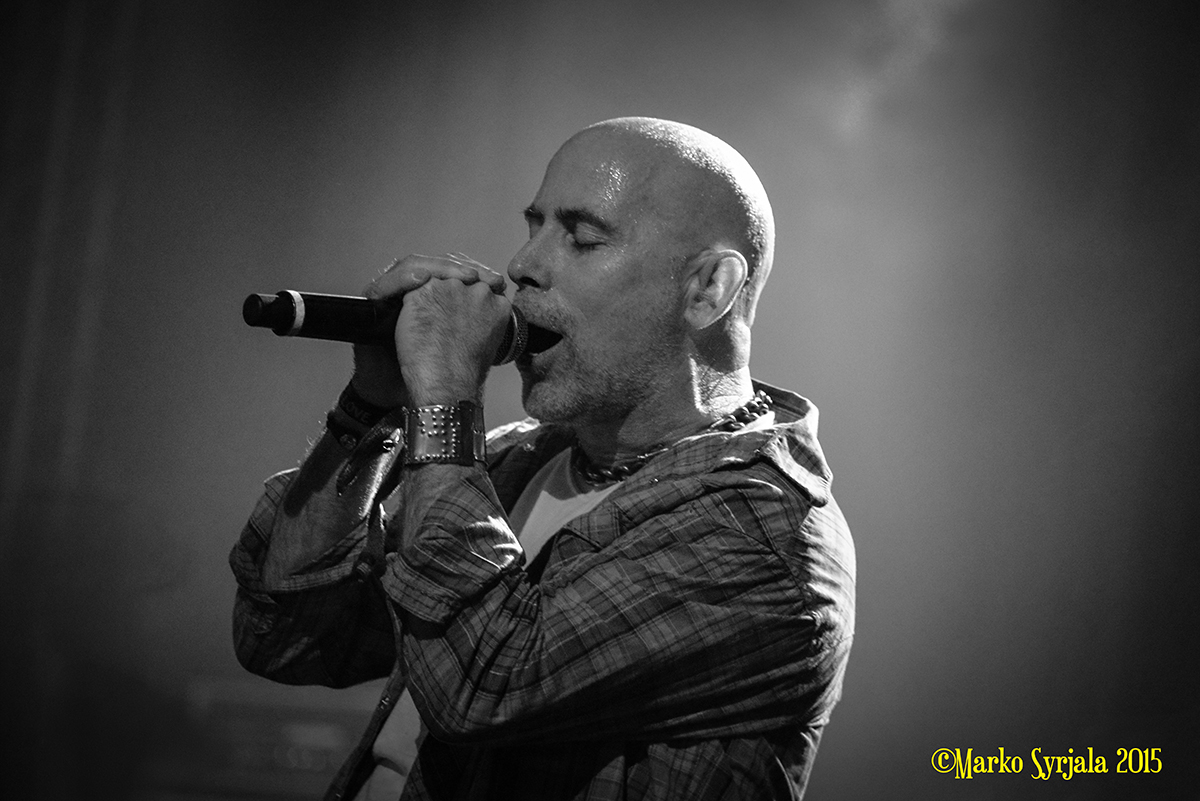
ARMORED SAINT
After that period of your life ended, you went back to your old band, Armored Saint, which is still active. At what point did you decide to reunite, considering your break was quite long?
John Bush: I didn’t want to immediately go right back to Armored Saint, because I felt like that was premature, if you will. But after a while, it was like, okay—the relationship I have with Joey Vera in particular is just… he is my brother. He is my best friend in the world. And we may not always agree on business matters, but when it comes to making music, there’s a bond. It goes way back. This new record is fucking great, and there’s just a connection there, you know, so anytime we start writing songs, it’s there. I was like, “Okay, well, we gotta start writing,” and he was like, “We gotta—let’s work and just write some songs.” There was no obligation as to what we’d do, but let’s write some songs, because why not? And I was like, “Yeah, of course. Let’s write some songs.”
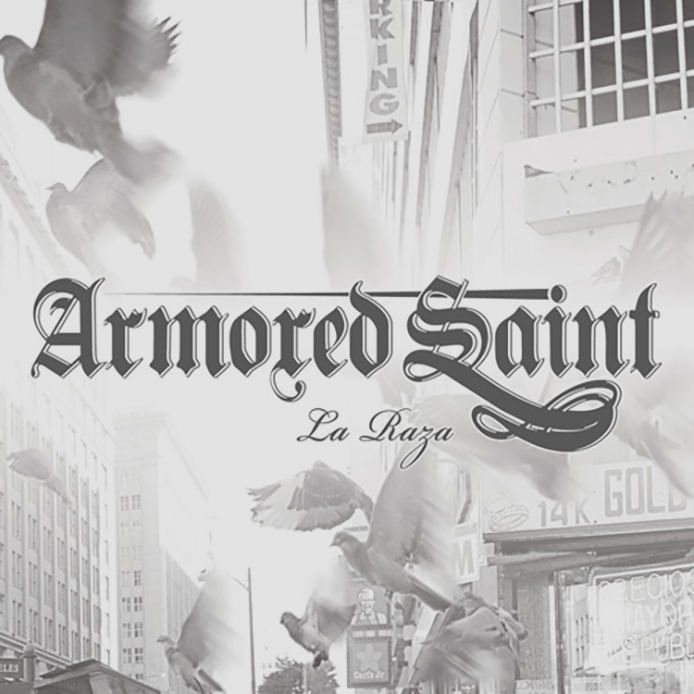
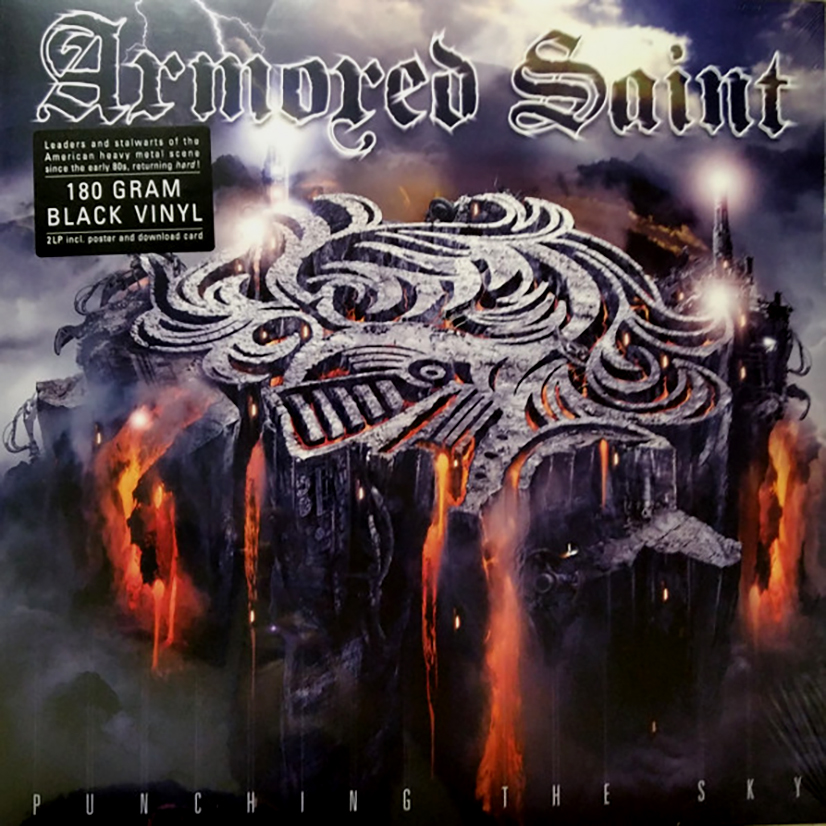
So we started writing, and eventually it became La Raza—the La Raza record, which was cool. I think it was a great record, kind of underrated. Then, eventually, Win Hands Down was the next record. At that point, it was like, “Okay, I’m ready to give everything I have for Armored Saint.” We started touring a lot more, and Win Hands Down was another great record. I’d say that Punching the Sky, the last record, was another great one—we just kept building on what we did. It’s almost like Armored Saint existed in two different eras—the first with Dave Prichard, and the other with Jeff Duncan, which is awesome.
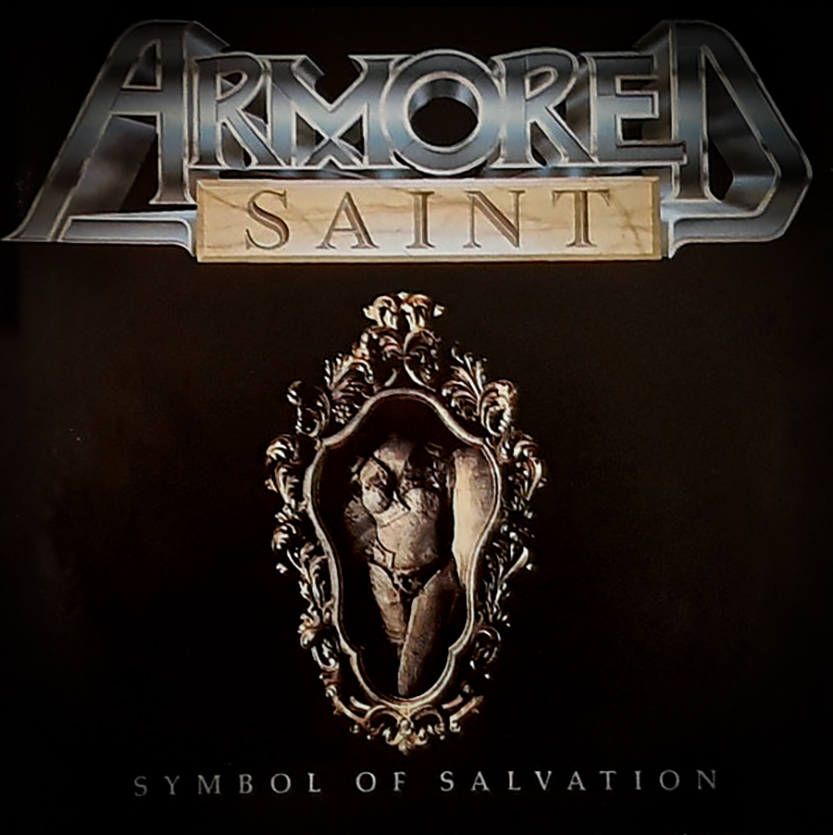
The first three records—March of the Saint, Delirious Nomad, and Raising Fear—and then Dave passed, and we made Symbol of Salvation, which is the record a lot of people talk about. Dave was a big part of the writing. Then I left to join Anthrax. After I came back, we made Revelation, La Raza, Win Hands Down, Punching the Sky, and now we have this new one coming out in April.
But I’ll send you some stuff soon. I promise Liz will send you some stuff. The record’s great—it’s really cool. And the Armored Saint band… It’s like the mafia. We’re so blood-connected. I’m not saying it’s always perfect—I make a joke—but like in any 50-year relationship with your partner, you’re going to have some beef sometimes. Right? Sometimes. But at the end of the day, we’re very, very close. There’s a lot of connection there. I mean, we’ve known each other since we were ten years old, which is crazy.
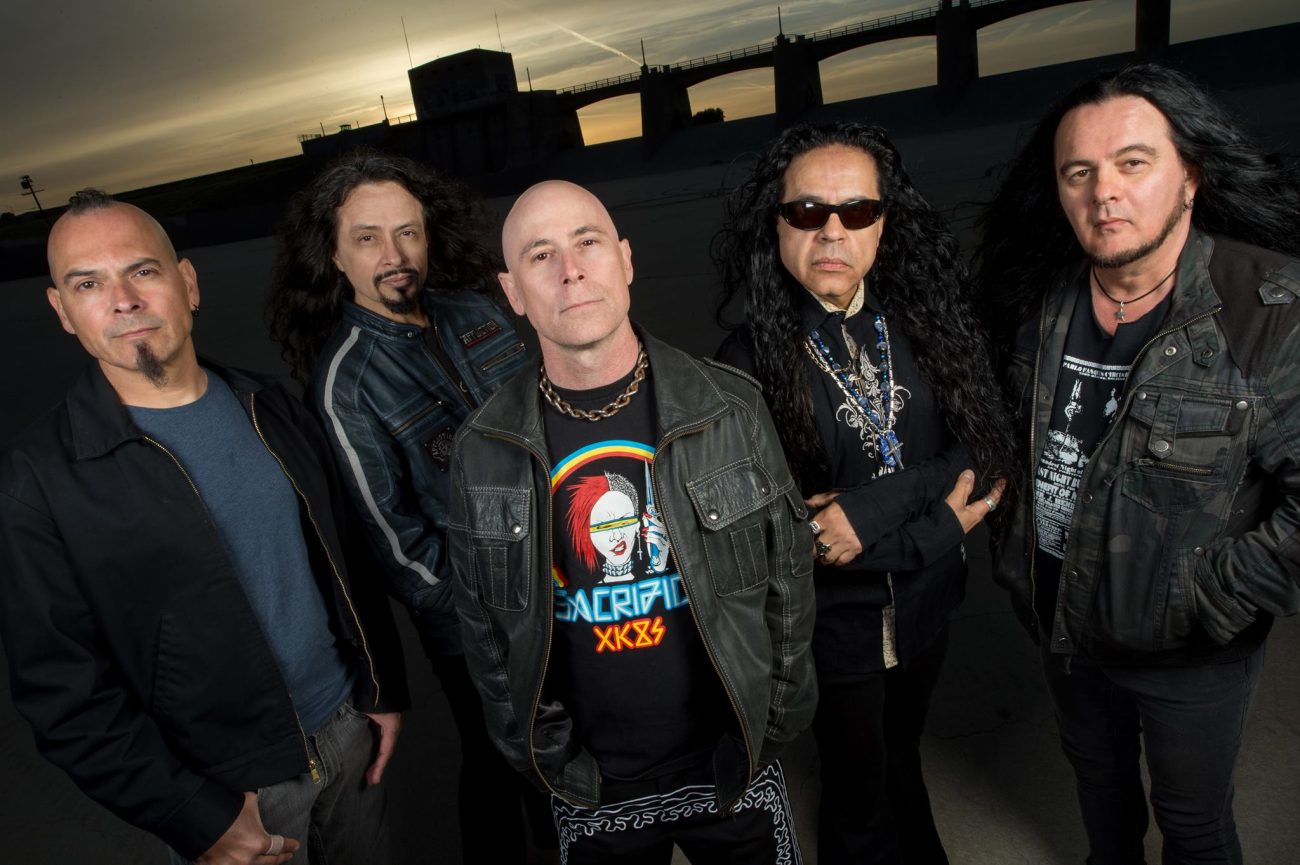
Five decades is a long span, and much has occurred during that period. I know Jeff now lives in Las Vegas, but where do the rest of you reside these days?
John Bush: Jeff Duncan lives in Vegas. A lot of people live in Vegas. Sebastian Bach, that guy right there, lives in Vegas. [Laughs] But yeah, everyone in the band is doing great. You know, Phil Sandoval and Gonzo—they actually still live in the neighborhood where we grew up, in a little town called El Sereno. It’s in the East LA area, a pretty rough neighborhood, mostly Latinos. But, you know, we’re always gonna look back on our upbringing there and are proud of it.
So, yeah, Gonzo and Phil are doing great. They help take care of their mom, who’s still alive. Joey lives in the Valley, in Woodland Hills, with his wife Tracy, who’s the president of Metal Blade. My wife and I live… I mean, we drove here, but we literally live like five, ten minutes away. It was raining, so it took a little longer, but we’ve ridden our bikes to the Rainbow. It’s a big hill coming up San Vicente where the Whisky is.
It’s easy to ride one way, I can imagine! [Laughs]
John Bush: It’s great going down, and it’s all downhill. But riding up… we did it once. We’re like, “Okay, never again. That’s too hard.” But we live right down San Vicente, which is right there, so, you know, it’s all good. I mean, the Armored Saint bond is very, very special. And as a live band, we’re fucking great. There’s something more to it than most bands because of the relationship we have. I mean, most bands—even the Stones, even Iron Maiden—can’t say they knew each other when they were like ten. We’ve known each other since we were like ten years old. I mean, that’s a long time, man. So, it’s really cool.
MORE ABOUT THE UPCOMING ANTHRAX CELEBRATION SHOWS
We’re soon running out of time, but let’s briefly go back to the upcoming Anthrax celebration shows…
John Bush: Okay. Are you gonna come? You gonna fly out?
Unfortunately, I won’t be there then. It’s a long flight, you know.
John Bush: So, should we go to Europe and do it? I mean, again, I have to go to Europe at some point and do it. I don’t know when, but yes—I’ll do it.
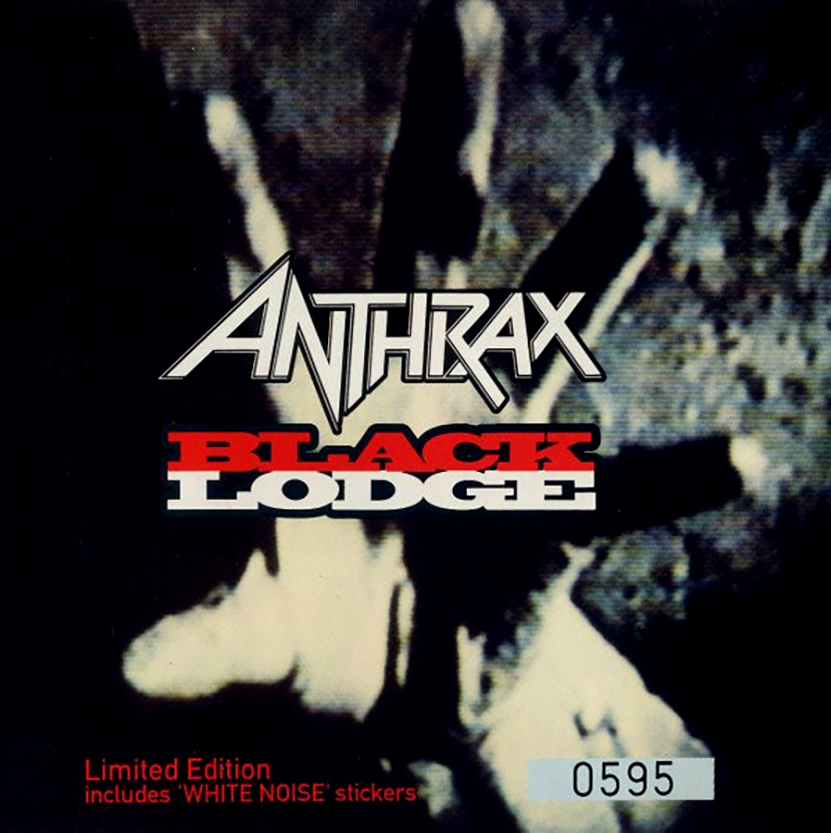
Please do that. Thank you! [Laughs] Are there songs from that era that are a bit hard to sing after all these years? I mean, isn’t ‘Black Lodge’ quite challenging to sing, for example?
John Bush: No, ‘Black Lodge’ is good. It’s challenging. It is challenging, but I’ve been singing it and practicing it, and it sounds good. Yeah, it’s going to be a challenge for sure because it’s just a lower voice. But, yeah, I think it’s going to be great. I’m really excited. As a matter of fact, I want a keyboard player to play keyboards on that song.
Are there any songs you’re saying, ‘No, I’m not going to do that one’?
John Bush: Well, as of now, no. I think that I’m willing to try anything and play any kind of song that… I mean, put it like this: what I’ve narrowed it down to are songs I want to play, songs that people are talking to me about playing, and the obvious choices. I’ve gotta play the obvious ones, but I do want to play some deep tracks. So, it’s a combination of all those. But no, nothing’s off the table. What I was telling somebody, I did an interview with—he was saying, ‘Oh, will you play this song?’ And I was like, ‘Look, I like that song, and I think it would be fun to play it. But I have to be somewhat realistic and say I don’t want to play one song that ten people in the crowd are gonna go ‘Yes!’ for, but no one else is gonna care.’
So, I have to be honest about what I think is gonna be received well, but at the same time, not only the obvious songs—some songs that make people go, ‘Oh, you played that one? That’s cool.’ So that’s kind of my combination. Plus, I gave a lot of songs to the Category 7 guys and said, ‘Here, learn these.’ And they’re like, ‘Wow, that’s a lot of songs.’ So, I don’t want to be like, ‘And learn these now.’ Plus, I’ve gotta remember all these lyrics. I’m practicing really hard, and they’re all coming back to me pretty quick, but I still want to be… I mean, I have to learn it too.
You don’t need to use a teleprompter yet?
John Bush: I don’t want a teleprompter. So far, so good—no teleprompter. I don’t want a teleprompter.
Yeah, I think that when you have to use that, it’s time to quit.
John Bush: Well, I mean, I get it. I think that Rob Halford uses one, right? But they play—Priest plays—like 21, 22 songs. That’s a lot of songs from your whole career. I find the hardest songs to remember are the newest ones. The old ones are… they’re in your head. But the newer ones are like, ‘Ah, what is it?’ But I won’t judge anybody on the teleprompter. I won’t judge them.
This is the final question. Okay, we’re going to see John Bush playing his Anthrax years live in a couple of weeks — when is the first show?
John Bush: The Whisky show is on the 13th, the Arcada Theatre in St. Charles is on the 18th, and Racket NYC is on the 20th of December.
I can’t help but think now, which is going to be the opening song on the John Bush show?
John Bush: I can’t tell you that. [Laughs]
How about opening up with ‘Only’?
John Bush: ‘Only’? Wow, really? That should be the opening song? Interesting. Well, I don’t have a reason to say no. I mean, it’s not a bad idea to open with the most popular song. When Metallica did the Black Album tour, they opened with ‘Enter Sandman,’ and that was pretty cool. But they also knew they had plenty of popular songs to play after that. Well, opening the show with ‘Only’… I mean, it’s not a bad idea, but it wasn’t my plan. But I appreciate that you suggested it, and I will always remember that Marko gave me the idea.
I think we are done now. Thanks for the interview, John, and I really hope to see you in Europe next year!
John Bush: Okay. Make sure you have everything on the tape [Laughs].
WEBLINKS
ANTHRAX JOHN BUSH ERA MUSIC VIDEOS