Metal, Hardcore, Indie, Rock
Ross the Boss, real name Ross Friedman, is an American guitarist, producer, and songwriter, best known as a founding member of the seminal punk band the Dictators and the heavy metal band Manowar. With Manowar, Ross recorded six classic metal albums between 1982 and 1988. Ross has also played as a guest guitarist on several albums, and he has been a member of bands such as Shakin’ Street, The Brain Surgeons, and Death Dealer, with which he still plays and records. Currently, Ross plays with his self-titled band, Ross the Boss, which recently celebrated its 15th anniversary, and with the new incarnation of the Dictators, who are working on a new studio album. Chaoszine met with a good-humored Ross last July at the Time to Rock Festival in Sweden, where he played a thunderous set of Manowar classics with the Ross the Boss band. Read on to learn what Ross is doing these days and what he thinks of the possibility of playing again with his former Manowar bandmates.
TIME TO ROCK FESTIVAL
Ross, first of all, it’s great to meet you again. I think that the last time we met was in 2014 in Helsinki.
Ross The Boss: Nice to meet you, too. It’s great to be here.
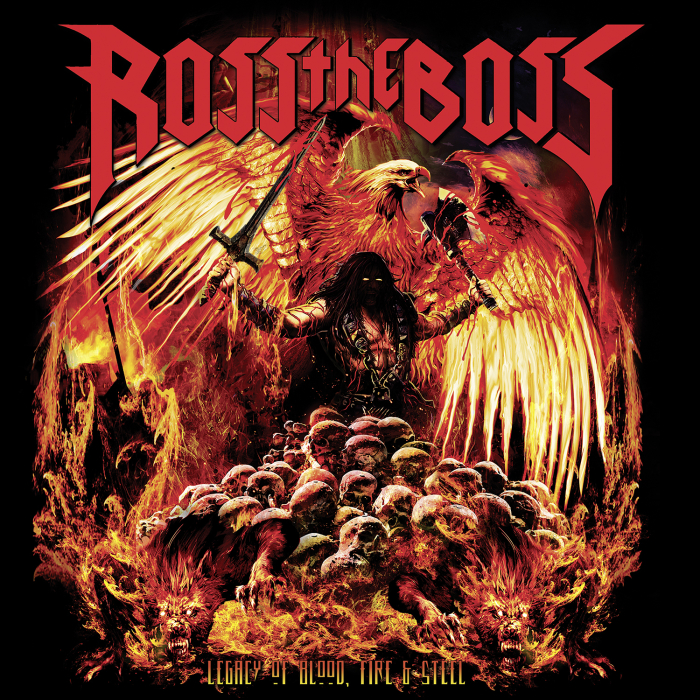
Your band just released a Best Of album called Legacy of Blood, Fire & Steel. Tell me about it.
Ross The Boss: That’s correct. AFM put out a best-of from my four records. They let me choose the songs, and it was very cool of them. I mean, it’s a great package on great red vinyl. And it’s sold out, I think—they pressed 1,000. So, all right, I’m really happy with it. I mean, regarding the song choices, for sure.
Isn’t it amazing that your band has been around for 15 years already?
Ross The Boss: Oh yeah, 15 years. But 15 years is nothing. I mean, I’ve been in the music business since 1974, when the Dictators were signed, and we put out our first record in ’75. And the Dictators are now back. You know, we have two new members and two record labels. And we’re working on a new record for the fall. And I mean, it’s been amazing. So everything repeats itself in rock and roll, especially with me. I’m really happy about the whole situation. With my band here and the Dictators, two different genres seem to be blending very well together, you know.
Your current tour is called The Kings of Metal Anniversary Tour. And, as the name says, you are now celebrating the album, which came out 35 years ago.
Ross The Boss: Yeah.
What kind of memories do you have from writing and recording Kings of Metal back in 1988?
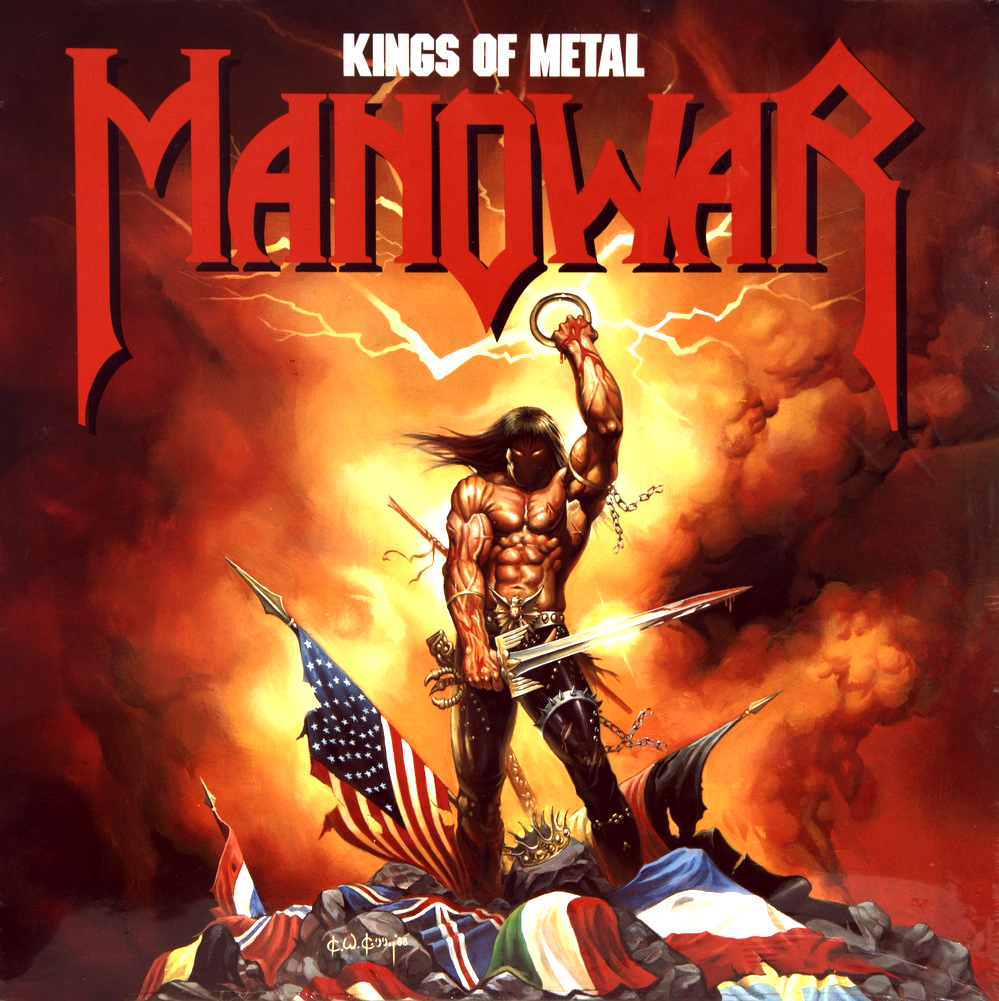
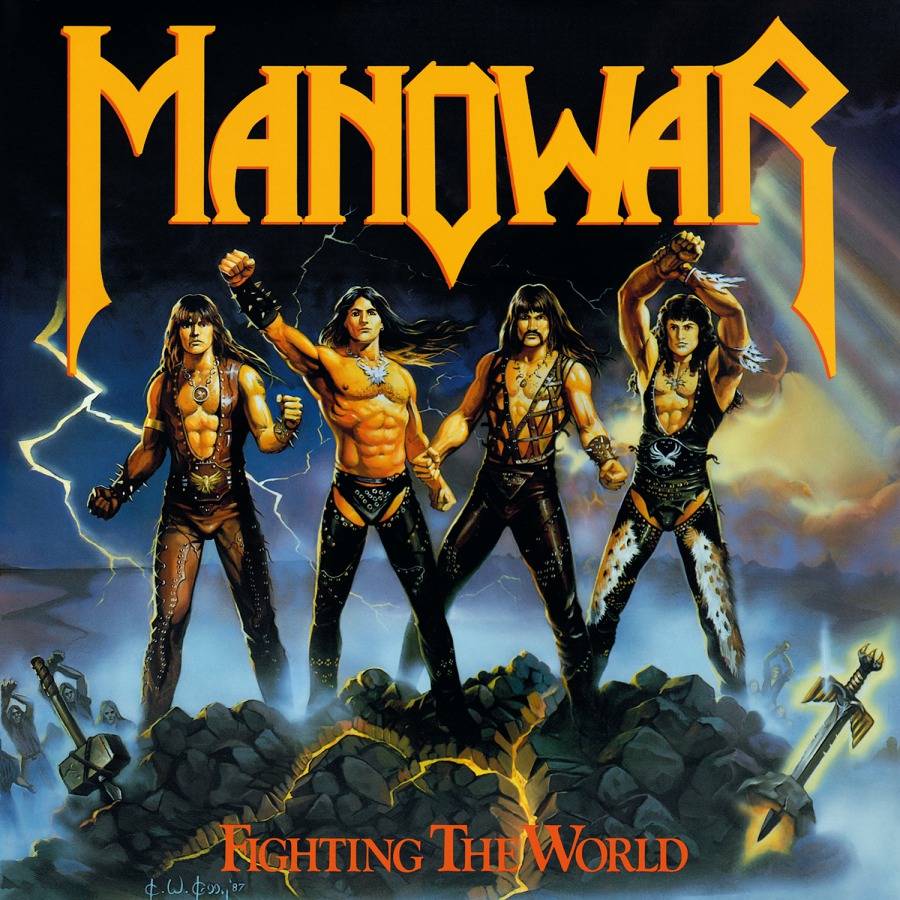
Ross The Boss: Well, it was the second digital record we recorded after Fighting the World. And, because Fighting the World was the first digital record ever put out, I believe, for a metal band. You know, for Kings of Metal was, um, you could tell the upgrade in sound between Fighting the World and Kings of Metal. I mean, there’s a really giant leap in technology from that era to this one. And, so, that record was not only a great record, but it was my last record in Manowar. And I have a lot of intense feelings about it because the band really messed itself up big time by not having me, the co-creator of the band, and the creator of all the songs, in the band for the band’s biggest record. You know, to me, it’s the worst mistake in rock and roll, besides Mick Taylor leaving the Rolling Stones. I think kicking Ross the Boss out of Manowar was one of the biggest crimes in the music business. And they’re paying the price. No matter what they do, they’re paying the price.
It’s a fact that Kings of Metal is Manowar’s most successful album commercially to date. But how important is that record to you?
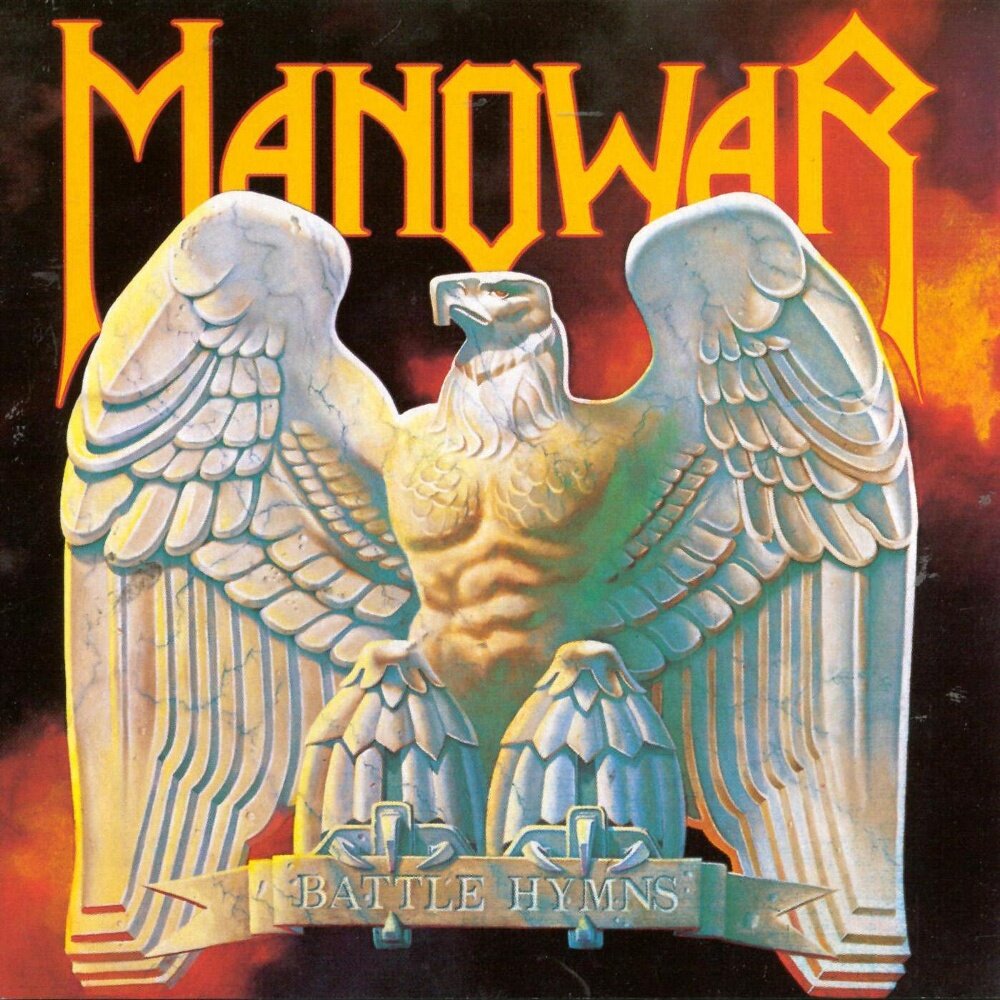
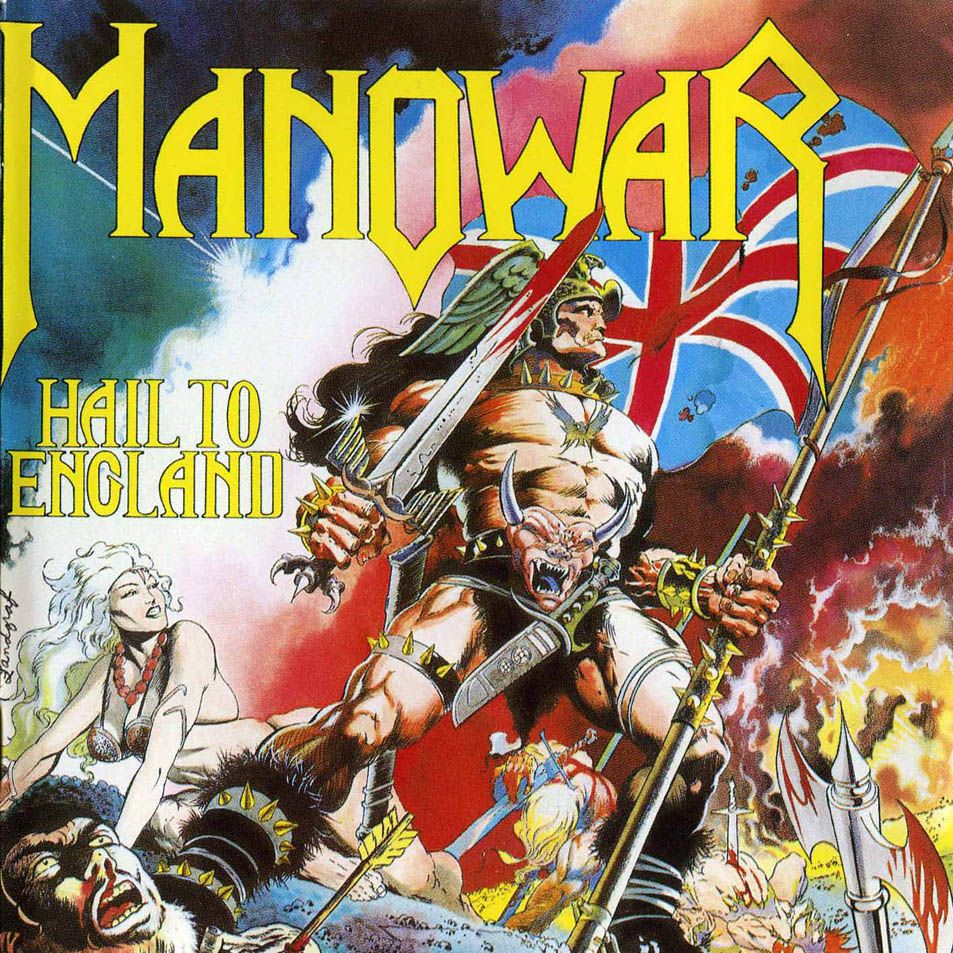
Ross The Boss: I have to be honest with you. Looking back at it, I think the most important record was Battle Hymns because it was the beginning. It was the start. It was the start of a movement. It was the start of power metal. It was a start for the band. It laid the foundation for all the other Manowar records to come, my other five that would come after that. So I think that in looking back at it, I think, you know, then of course people go, ‘Whoa, Kings of Metal. ‘Oh, Hail to England. And you know, people, I hear it every day. Because those—my first six records, those records are so beloved in heavy metal and so held in such high regard, you know, that it’s, you know.
What would be the order if you had to rank all Manowar albums you recorded with the band from the best to worst?
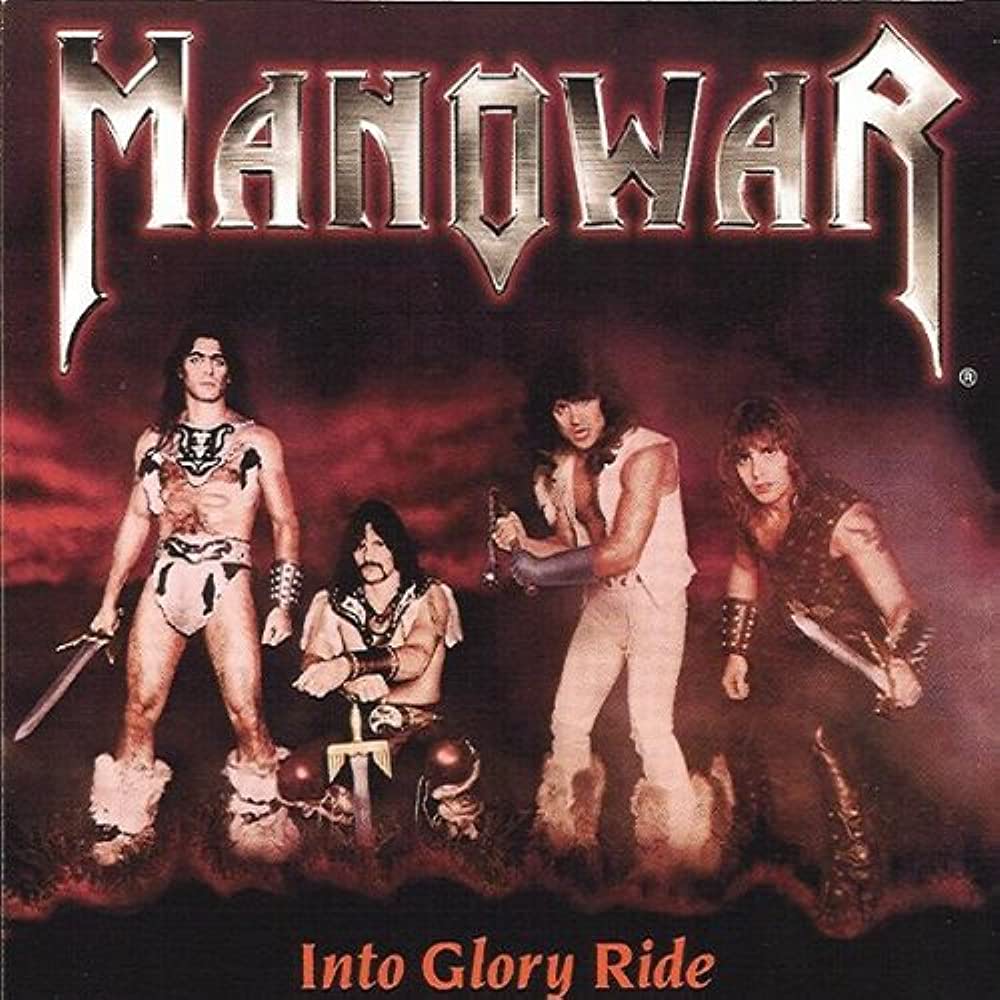
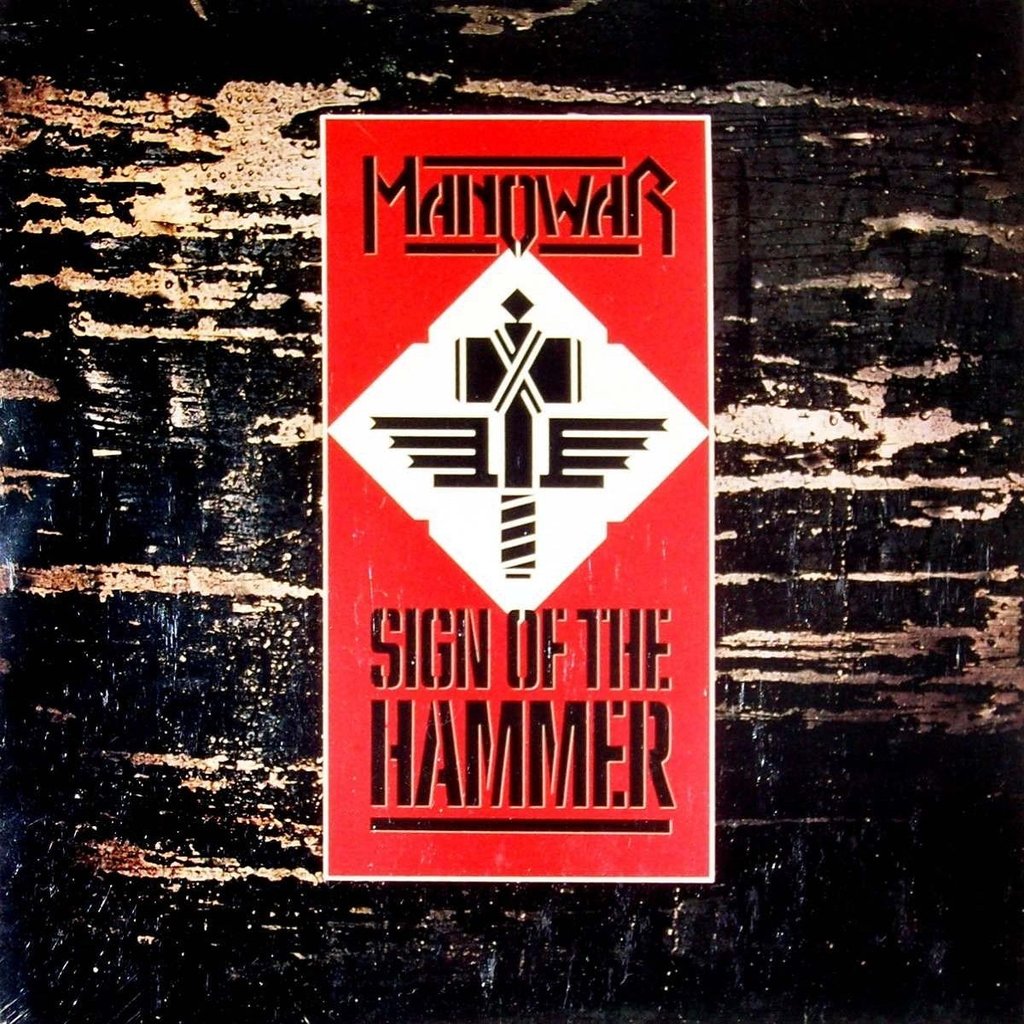
Ross The Boss: If I were to rank them now, I would rank Battle Hymns one. I would rank Hail to England two. Then I would rank Into Glory Ride. Then at four, I would rank Sign of the Hammer. No, Sign of the Hammer has to come later. I would rank Fighting the World. And then Sign of the Hammer. And then, there’s one more, right? Fourth, I would rank Fighting the World. And then Kings of Metal. I mean, Kings of Metal shouldn’t be last, but to me, it is. I know I wrote on Kings of Metal and Hail to England. And I think that there’s a lot on those records that I didn’t like, you know? Like, ‘Grandfather, tell us a story. Oh, okay. Hey, we’re the metal—’ Who were those people? ‘Hey, we’re the Metal Kings.’ Oh, no, no, no, no! You know, and the bass solos and a lot of the stuff. But when you look through it, when you look through those records and take them—take them song by song, those six records will never be topped. Can never be topped. I don’t care what band you have. I mean, I think it’s up there with Black Sabbath. It’s up there with Judas Priest and Iron Maiden. I think the first six Manowar records are iconic. I really do. And it has never been topped.
When I was watching your show tonight and heard the excellent setlist, I thought that this tour was kind of the tour you never did with Manowar when Kings of Metal came out back in the day. Do you agree with that?
Ross The Boss: Yeah, it’s true. I would—you know—I could only imagine what that tour would’ve been like if I had been there. And, you know, I’m not the biggest fan of playing Manowar songs. I’ve got to be honest with you. I’d rather be playing my own songs. I’m actually bored playing Manowar songs, but people like it, you know? And there are more people that know their songs. And it’s a hard place that I’m in right now—between a rock and a hard place. I have four records, and people have bought my records, but people also have bought Manowar records. I mean, from ’82 to ’88. So, I mean, no matter what I do, someone’s not going to like it, and a lot will like it, you know, no matter what you do. Someone’s always going to like it, or someone’s going to fucking hate it. So I don’t give a fuck, you know.
So basically, you can’t win in this game?
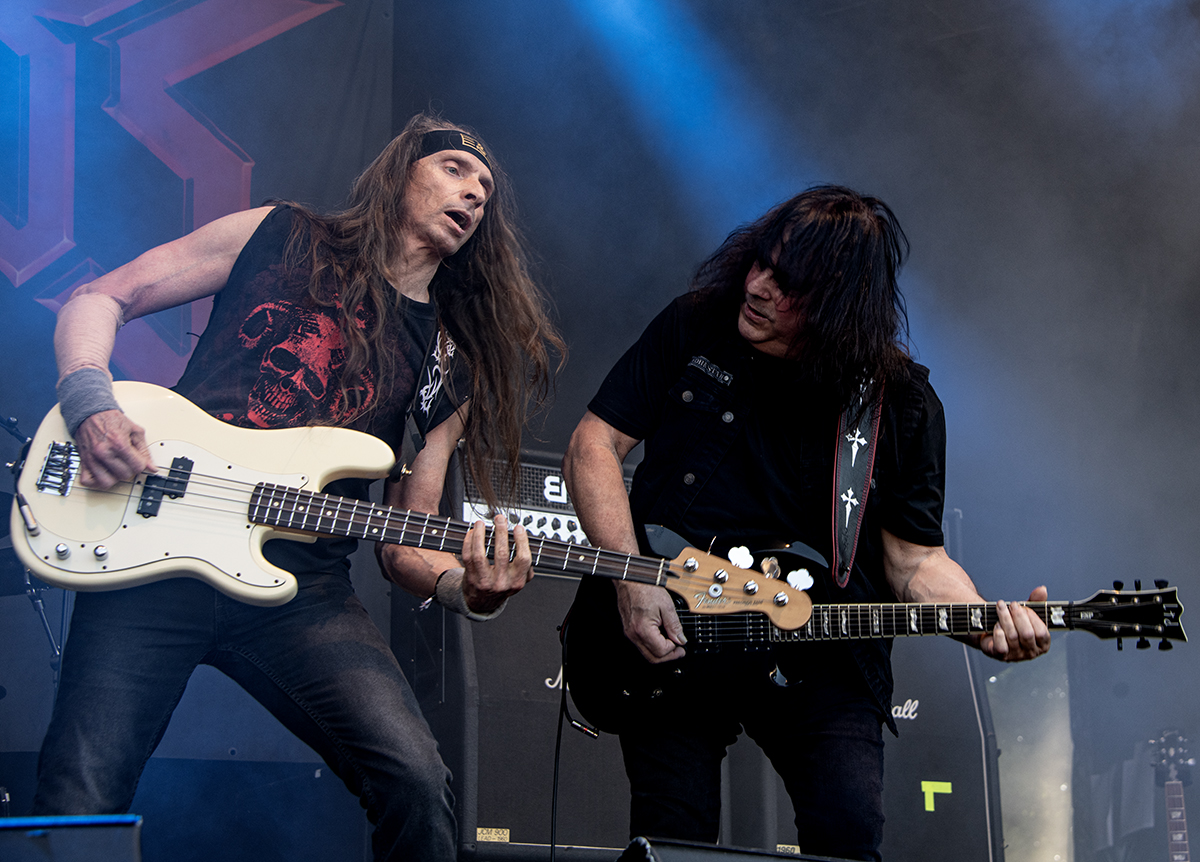
Ross The Boss: No, I can’t. But I do win because I play my guitar. As long as I can play my guitar and go out and play and make some money and do a good job, I’m happy with it. I’m more than happy with the band that I have now. The people I’m working with, it’s a pleasure to play with them every night. And they strive to get better, and they’re really classy guys. Like, like Dirk Schlächter there! [laughs]
Dirk Schlächter has a long history of playing with Gamma Ray. How did he end up joining the Ross the Boss band?
Ross the Boss: From Germany! [laughs] And he’s a great guy. I mean, he’s been absolutely sensational. I don’t know what to say. I couldn’t do it without him. I mean, because he’s such a great musician, he truly is. And he’s just great to be with. Dirk has been absolutely a fantastic addition to the band. And he’s a super professional, super talented, super nice guy. Really, the band is great, and I’m, I’m glad to have them. I really am. I’m spoiled. And I really am lucky to have such a great band.
Tonight’s show was the last date listed for The Kings of Metal Anniversary Tour. What kind of touring plans do you have from now on?
Ross The Boss: I’ve got some stuff coming up. Well, the Dictators will go to Spain at the end of September for ten shows, starting on the 25th. And then we’re talking about all sorts of—I don’t know, my manager keeps yapping in my ear—you know? [laughs] He’s got all this stuff, but in January, I’m going to go to Australia, Japan, and Korea with Ross the Boss band. I’ve never been to Japan—that’s one place I haven’t been. And I definitely haven’t been to Korea.
Let’s next jump into your other current band, the Dictators. You mentioned earlier that a lot is going on with the band at the moment.
Ross The Boss: We just signed new deals, and we have a new lineup. We have Andy Shernoff on bass, me on guitar, and Albert Bouchard on drums, who’s the original drummer of Blue Öyster Cult. And we have Keith Roth from Sirius Radio and Frankenstein 3000. He’s an amazing singer and an amazing guy on stage. So we have the four of us, the New Dictators. And then we signed a deal for the physical products of our old records and old albums, our back catalogue with Decca. And then we signed the rights with Spotify for all the other stuff with Valley Entertainment.
You have a really long history with the Dictators. The band was formed in 1973, so the Dictators celebrated their 50th anniversary in 2023. After all these years and lineup changes, do you feel the band still has that original spirit?
Ross The Boss: Yeah, I think we’re still the same. I think even though we’re older, of course, we’re still the same assholes we always have been. Yeah. I think so. Manitoba’s not there anymore, but Keith has that same acerbic—you know, he’s from the Bronx—where I’m from. And that Bronx attitude is… That’s right. We’re still assholes. You know?
The Dictators’ original rhythm guitarist, Scott “Top Ten” Kempner, left the band in 2020 for health reasons. What happened to him then?
Ross The Boss: Scott is not in the band because Scott is ill with dementia. Don’t even ask any more about it.
Over five decades, many musicians have played in The Dictators.
Ross The Boss: Right.
How much are you still in touch with the former band members?
Ross The Boss: I’m still in touch with Mark Mendoza. He’s a great, great guy. Uh, great guy. He’s such a sweet guy. And me and him, we struck up a really good friendship again. And, of course, Ritchie Teeter has passed. Stu Boy King has passed. So I’m friends with everybody.
How about Mr. Manitoba?
Ross The Boss: He’s out of the band. What can we do?
You’ve done a lot of records and projects with him outside of the Dictators as well.
Ross The Boss: I did plenty of records with him, so… He’s got his own thing together. So we’ll see what happens, but I wish him nothing but the best.
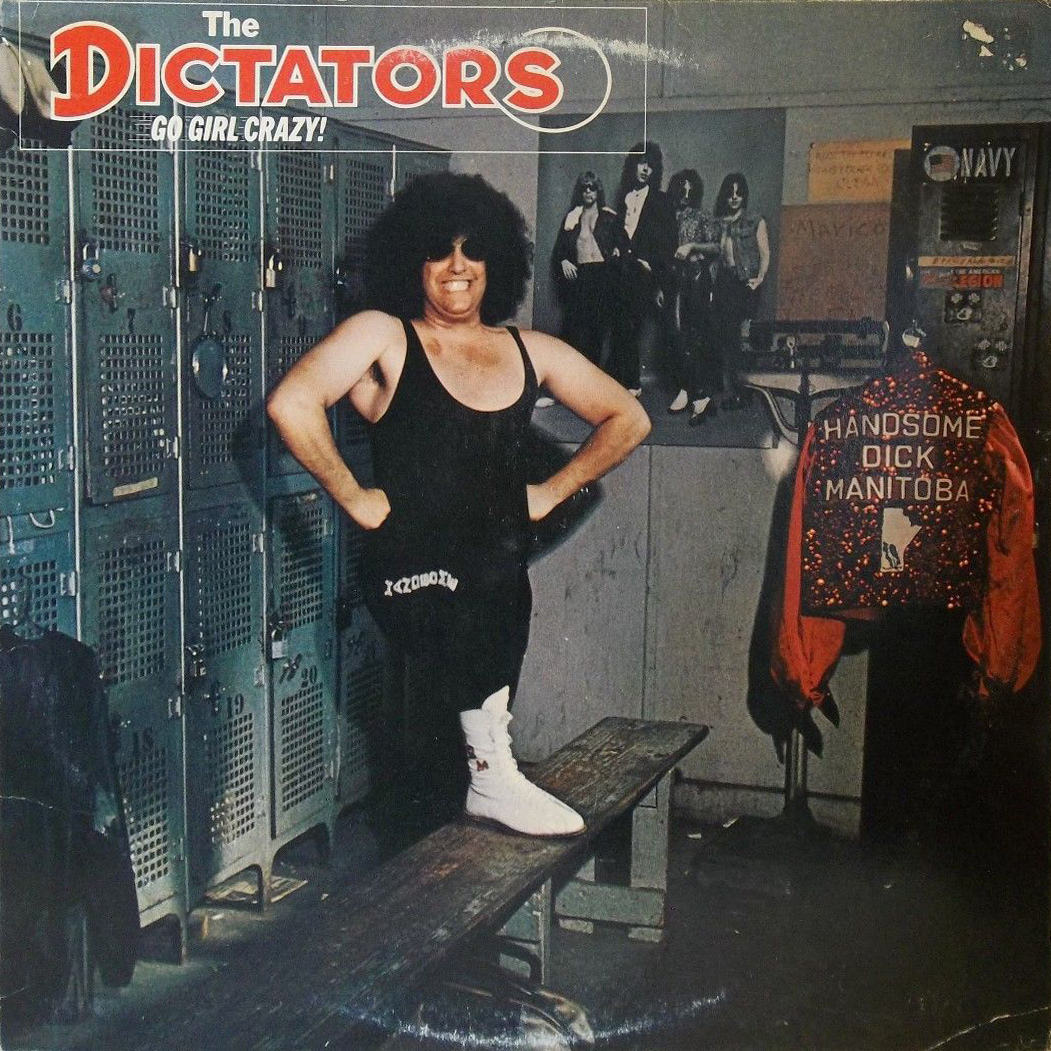
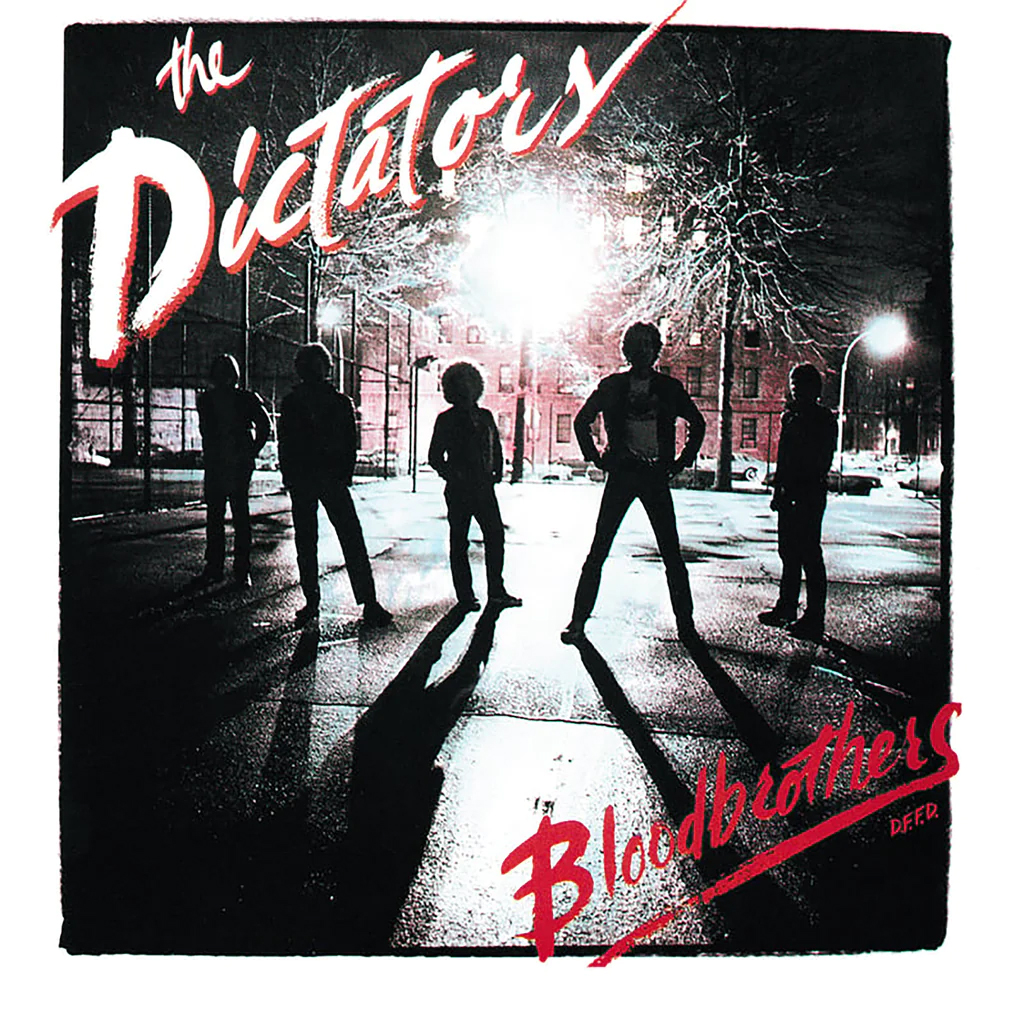
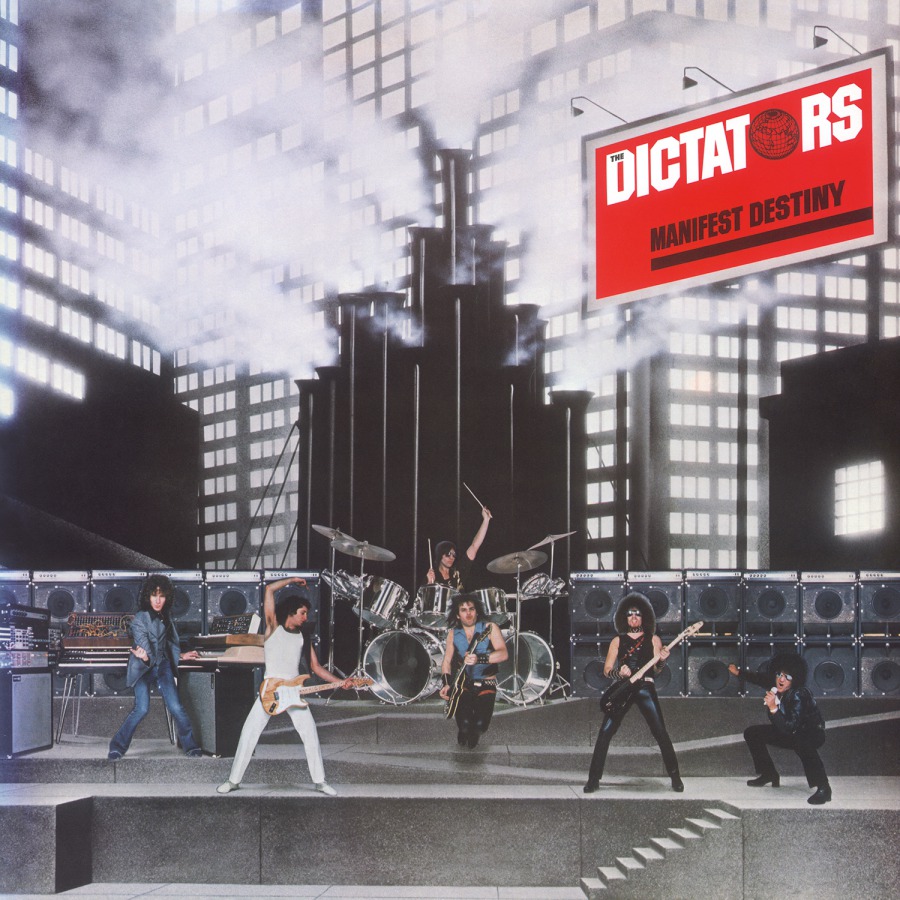
The Dictators have just released their new single ‘Crazy Horses’. I listened to it before I came here, and I have to say that despite all the band’s lineup changes, the song still sounds like Dictators.
Ross The Boss: Of course it does. ‘Crazy Horses’ is a great tune. Do you know who really—you know who originally did that song?
No. You tell me.
Ross The Boss: The Osmonds. That was their biggest hit, and we like the song. I mean, I love that song. I always thought someone should do that. Some other guys have done it. I always thought that we could do that song really great. And we did. We killed it. I mean, I think it’s brilliant.
You also posted a video for that song, which was fun to watch because it was filmed in a carousel. Where was that place?
Ross The Boss: In the video, we’re on a carousel in Brooklyn. We were spinning around. It’s a great video, and it was a lot of fun to make. And it’s a killer song. The next video will come out before we go to Spain. Valley Entertainment is handling all that.
You mentioned earlier that the Dictators are also planning to make a full record at some point.
Ross The Boss: Oh yeah, we are making a full record. We have six songs ready, and just last week, we recorded five basic tracks at Albert’s house. And we have one song we could record live: ‘What Goes On‘ by the Velvet Underground. We really do a great job on that. And, um, so we’re going to do that.t.
The Dictators are known as one of the pioneers of U.S. punk rock in the 70s. The band has often been called one of the most universal proto-punk bands of all time. Do you agree with that?
Ross The Boss: I absolutely do agree with it. I mean, it’s like, uh, I would say that besides being one year ahead of the Ramones, you know, who we grew to be amazing friends with because we’re from the Bronx, and they’re from Queens, growing up. And our first record came out one year before the Ramones‘ first record. So, I think that in the end, we all became really, really great friends. And you know, a great story that when CBGB closed, the last day, the last weekend, the Friday, Saturday, Sunday, it was the Dictators for Friday and Saturday. Patti Smith played Sunday, but she’s not, not even close to punk rock. But we played on Friday and Saturday. And the last—the very last song that we played on that stage was ‘Blitzkrieg Bop’ by the Ramones. And we had Tommy Ramone, who was alive at the time. He came up and sang it with us. And sadly, after that, he passed away. So all the Ramones are finished—they’re all dead.
What was the punk scene like in the U.S., especially in the New York area, in the 70s?
Ross The Boss: It was insane. It was amazing. Every night was great. We had great Gilda Sleeves. We had CBGB. We had the Cat Club. We had all these special clubs that were operating full-time. And every night, there was something happening. Every fucking single night. And then when Joey was still alive, Joey would have—that’s Joey Ramone, folks. Joey would have something planned every single night. He was like our social director. And, uh, so there was always something happening with Joey Ramone, and I miss him.
Can you pick some highlights from that era, things you’ll always remember?
Ross The Boss: From the punk era?
Yeah.
Ross The Boss: The highlights—there are so many. I mean, we played CBGB 38 times. I played CBGB 38 times. I would say the show at Winterland with the Dictators, the Ramones, and the Nuns. That was a great show. That was a great event. That was a fucking great show. And then, when we went to England, and Sid Vicious was in our lobby waiting for us, he was, like, begging, and he’s like—he’s all fucked up. And Sid Vicious, you know, we—I took care of Sid Vicious for, like, a week on the Stranglers tour. And, you know, there was a lot of crazy shit going on. We played the Roundhouse seven times in a row with the Stranglers. We beat them—we beat the Rolling Stones and the Who’s record. Yeah, the Stranglers and the Dictators, we beat their record. We beat their record at sold-out shows at the Roundhouse. And those are all milestones, you know? And we were hanging out backstage, right? And then we hear somebody outside. It was Billy Idol and Mick Jones of the Clash wanting to get in. So we threw down shit so they could get in for free. And then Mick Jones asked me about Sandy Pearlman as a producer, and I said he was great. And next thing you know, he’s producing the next Clash record. You know, ‘Give ‘Em Enough Rope.’
Americans had an intense punk scene already in the mid-70s. A bit later, punk became a very popular trend in Europe, especially in England. From there came bands like the Sex Pistols, the Clash, the Vibrators and Sham 69. How much did American punk bands compete with their European counterparts at the time?
Ross The Boss: No. Not what you think. There was not a lot of competition at all. Not really. Not what you would think. We were kind of very supportive of each other.

That was all about the Dictators, and the next topic on my list is Death Dealer. I actually interviewed you and the entire band in Helsinki in 2014 when Death Dealer was on tour with the Metal All Stars. Do you still remember that interview?
Ross The Boss: Honestly, I remember that we were having a lot of fun on that tour, but I don’t remember it very well. So I’m—I’m really sorry. You have to understand something. When you get to be my age, you—I mean, I don’t even remember what I had for breakfast this morning, you know? They just say, ‘Old man, you just go up on stage and you do what you do. And you’re still doing it pretty well.’ So, you know. I think I’m playing pretty well, right? That’ll never fail me. My eyes, my ears, on the other hand, no.
I remember that at the time, Death Dealer had just released its debut album, ‘War Master.’ Since then, the band has released two studio albums, a live album, and a best-of album. Death Dealer has been quite a productive band, but how is the band doing now?
Ross The Boss: We have two more albums in the can. We did it during the scamdemic, during the fakedemic. We did it during the, uh, bullshit. We have two more in the can—completely done. Isn’t that something?
So, who’s going to release the album this time?
Ross The Boss: I don’t know—my manager is looking for someone. We’ll find somebody. We’ll find somebody to release it.
I found out that Mike Davis is no longer in the band.
Ross The Boss: No, Mike Davis is not in the band anymore. We had Mike LePond playing bass on those albums, amazing bass. We used to play together in the Ross the Boss band. And Mike is unbelievable. I mean, all the musicians involved are incredible.
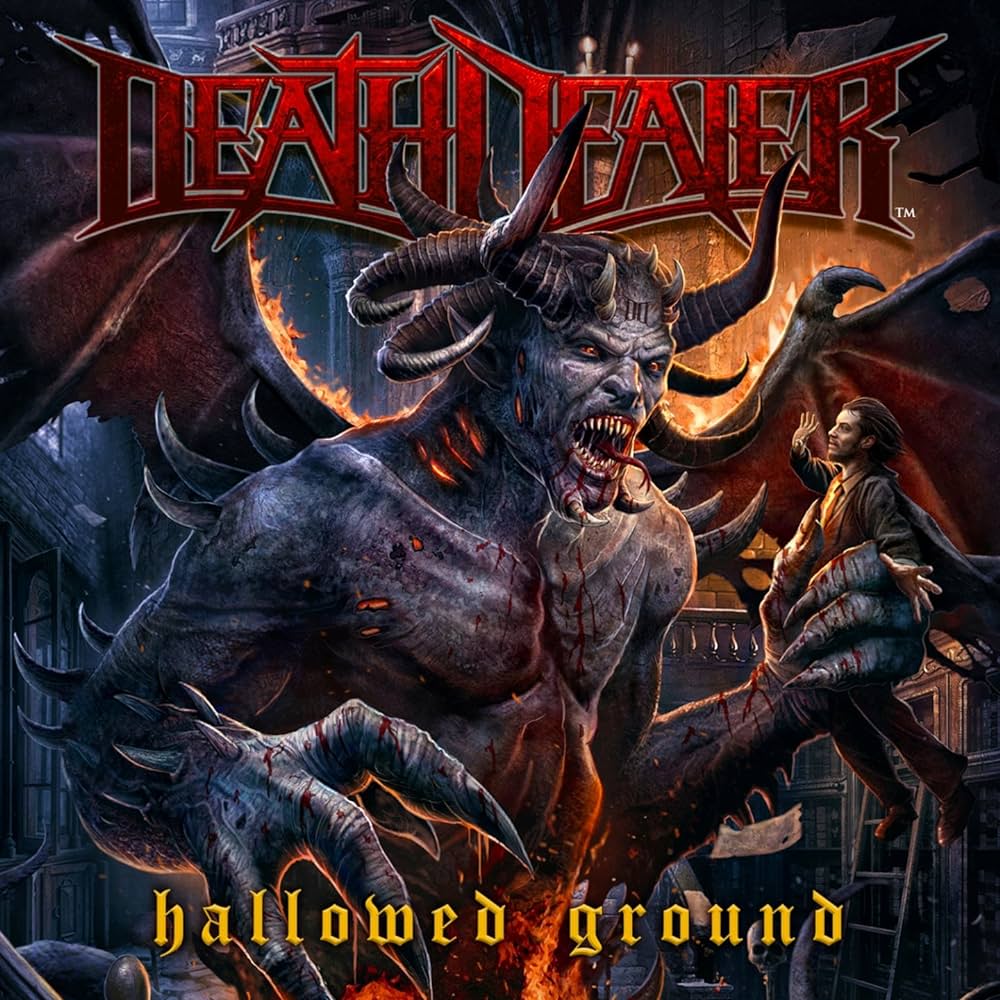
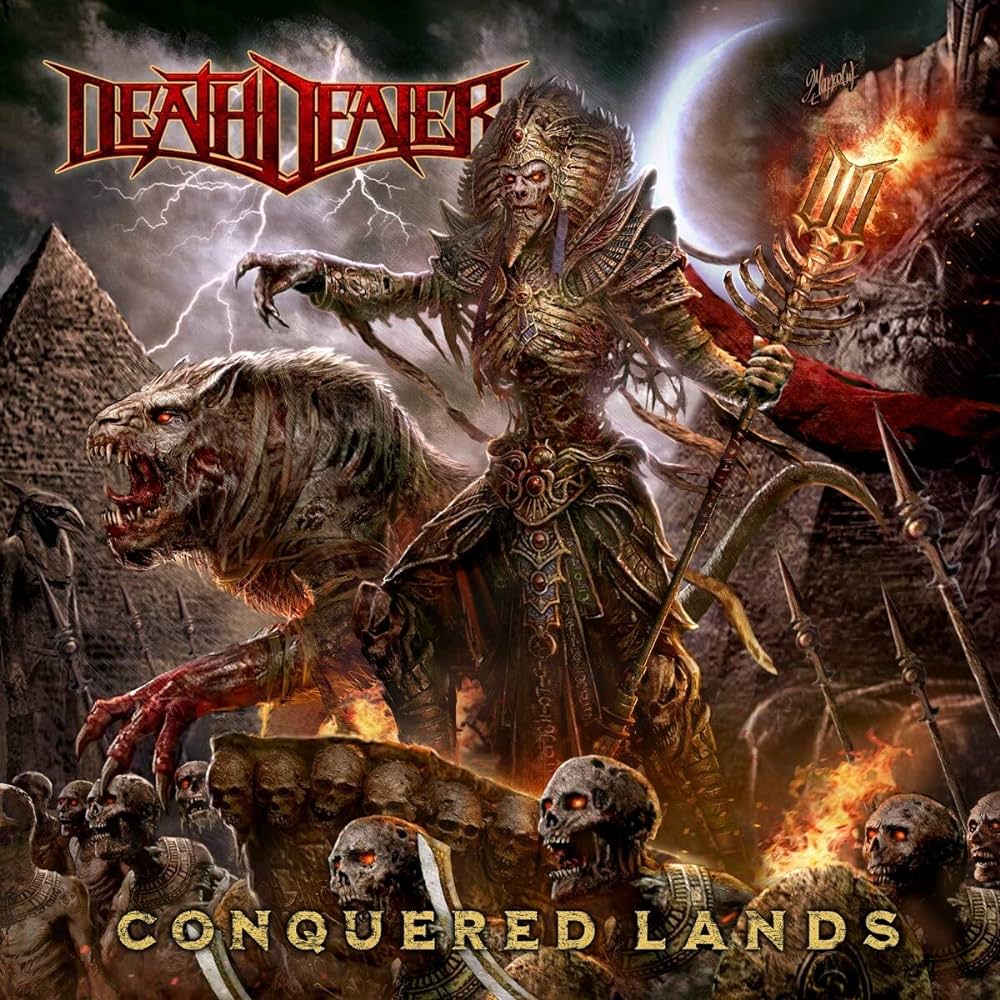
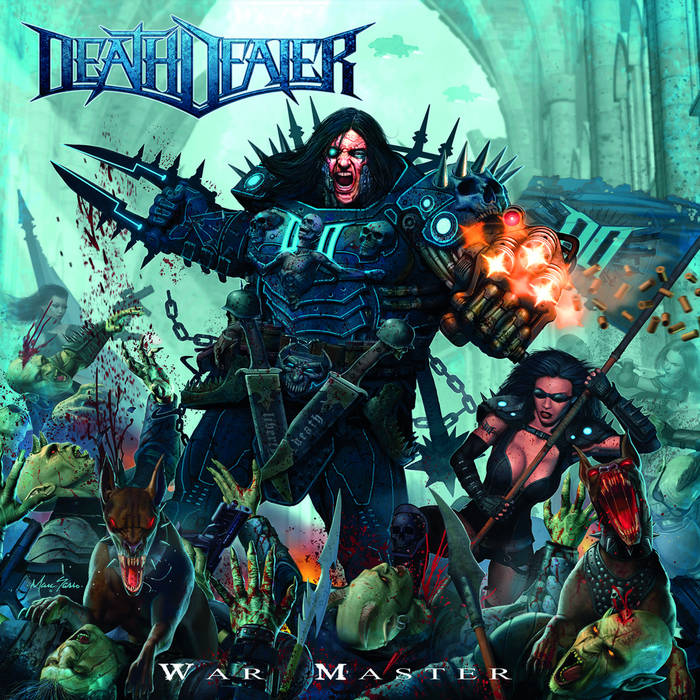
In 2019, the Ross the Boss band performed at the Bloodstock Open Air festival together with former Judas Priest guitarist K.K. Downing. It was his first live performance on stage after 2014, when he left the Priest, right?
Ross The Boss: It was me. Yes, I brought K.K. back to the music industry. That’s correct.
How did that thing come about?
Ross The Boss: Well, I mean, it’s on film. I mean, you know, I said, you know, my friend Steve goes, ‘You’re playing at Bloodstock.’ I go, ‘Yeah, right, I am.’ He goes, ‘Would you—I, I know K.K.’ I go, ‘Cool, yeah. Why don’t you tell him to come down for a beer or something? To come down to hang out. What the fuck is he doing? I don’t know. I don’t know. Just ask him to come on down, you know? Ask him.’ He goes, ‘I’ll ask him.’ Next thing I know, he says yes. I go, ‘Oh, he said yes? Oh, nice. Okay. Uh, tell him—ask him if he’d kind of like to jam with the band.’ He goes, ‘All right, I’ll ask him.’ One day later, ‘Ross, he said yes.’ He said yes, huh? Okay. All right. K.K. said yes. He said yes. Whoo. Okay. Nice. So then it got to the point where we said, all right, we’ll come. I’ll fly into England a day sooner and do a day of practice at the Steel Mill. And that’s what we did. We arrived a day early and had a full day of rehearsals on four Judas Priest songs. And it was—you know, I always thought that if I could put some positive energy into the air, put some positive energy into the world with that whole situation with Judas Priest and K.K., maybe—maybe he could—maybe they’ll take him back. Maybe we would help him, but there’s too much hate. There’s too much bullshit going on with the man and his girlfriend. I said, listen, I don’t want to know anything. I go, I have my own problems with that prick in Manowar, with that greedy prick in Manowar. I have no problem. I understand how these things go when it comes to money, greed, and bullshit. Believe me, I know what goes on. So I’m going through it myself with those idiots.
So, all I wanted to do was make sure that there were good vibes. Send positive vibes back into the world. And that’s what I did. K.K. goes out and, you know, for his first record, he had a problem with the management—which, I couldn’t believe, but now it’s the second record. And now, the craziest thing is that my drummer, Sean Elg, my real drummer, is in KK’s Priest, and is not allowed to play with us today because of their management fucking—I said, ‘You know what? I’m going to get you back.’ And I had to go out and get a new drummer, have another come here, and pay for a day of rehearsal out of my pocket. I practiced with Marco, and he’s amazing. That kid is 27. And they were—they forbade Sean from playing with us. I told Sean, ‘All right. I know you’re nervous. I know. We’ve been doing this for seven years. I know—I know that. Okay. Sean, no problem.’ But they owe me, now they owe me. Now K.K. owes me. He owed me to begin with for starting his career, but now he owes me big time. And I’m gonna collect. [Laughs]
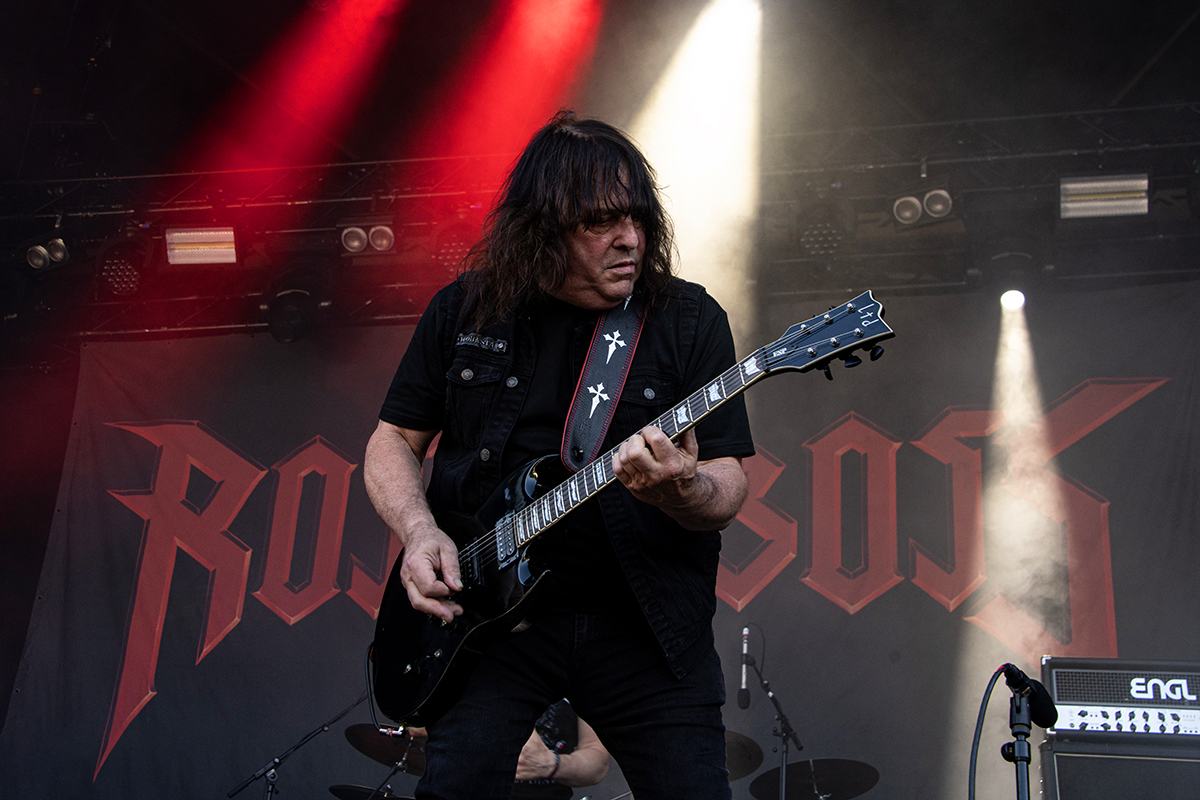
Ross the Boss, live at Time To Rock -festival, Sweden, 2023
When you were still a member of Manowar, did the band ever play any shows with Judas Priest?
Ross The Boss: Not that I remember, bro.
So, that Bloodstock thing was the first time you met K.K. in person?
Ross The Boss: Uh, yeah. I mean, I just wanted things to work out. You know, I just wanted some positive energy. Imagine if I were the guy who brought K.K. back to the band. Whoo. But they hate him. There’s just some bad fucking blood there, bro.
I think you and K.K. are basically in the same kind of situation. You know, you’re both founding members of your former bands, but for one reason or another, neither of you plays in those bands anymore. Do you agree with that?
Ross The Boss: It’s true. We have a lot in common. Yeah, we do. It is what it is. But I was glad to bring K.K. out. I felt great that day. I really—it was a magical day at Bloodstock. It was a magical day to have him come out, and I had my SG, I had that SG, like the Glenn Tipton SG. I had the SG, just like Glenn would have it. No whammy bar, no bullshit. No. You can’t have two whammy bars in the band. Like K.K. is doing—which is bad, I have to say it. But you can’t—I had my SG. I played the part. I mean, I let K.K. do his thing, you know? So he’s—I know, you know. Because I don’t fear any musician in the world ever. I don’t fear anyone. Anyone playing dead, alive, in the grave, coming up, back around. Ross the Boss doesn’t fear you. So, I’m perfectly at peace with myself.
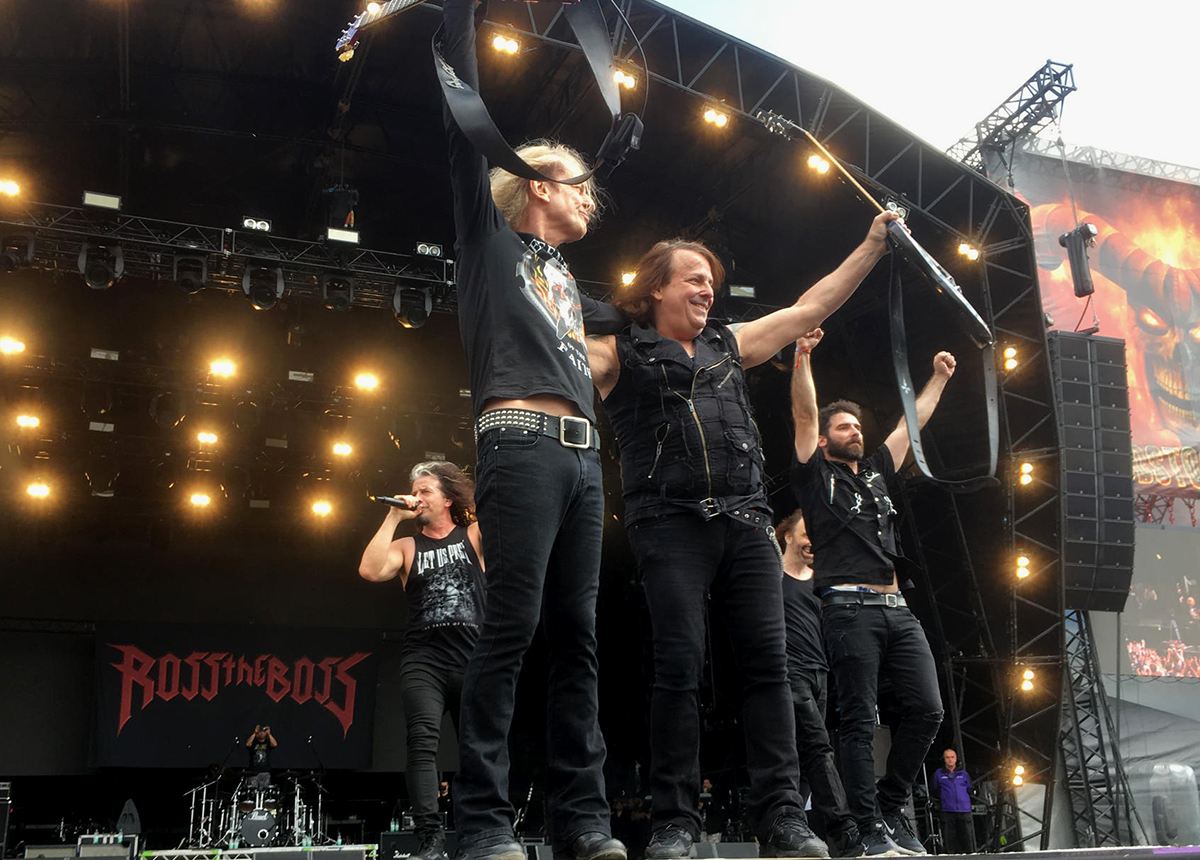
Ross the Boss band w/K.K. Downing at Bloodstock Festival 2019
Last year, Manowar announced that the band’s then-guitarist, E.V. Martel, would no longer continue in the band and that they were looking for a new guitarist. Would you have considered it if they had asked you to rejoin the band?
Ross The Boss: Well, there would have had to be some serious business negotiation because I have a—I mean, there would have to be some serious stuff to be agreed on. I have no problem with the band. I have no problem with the boys. I have no problem with Eric Adams or whoever was playing drums at the time, but I do have problems with one man. I have problems with him. He impacted my family. He impacted my life. And for that, things have to be, you know, changed. ‘Cause you fuck with my family, and there’s a big problem. There’s a big fucking problem. And, in my old neighborhood, we solved it by death, by fighting to the death. I’m just saying, that’s what happened in the Bronx, okay, growing up. If there was a blood feud, you—we solved that. We all turned our backs and let them fight. Whatever happened happened. But sometimes you can only do that when you’re fighting like that. But you affect my family? Okay. You take food out of my family’s mouths? Okay. All right, see what you’re going to get. And it’s still the same. I mean, but think—I mean, we’re grown up and old to the point we’re old guys now, but you know what? I don’t forget.
I don’t forget. But listen, whatever happened, I would love to play with Manowar again. One big, great Manowar tour would be unbelievable. How many tickets do you think could be sold? I mean—many fucking tickets. I mean, many, bigger than Metallica, and, you know, who I don’t understand. I mean, I love those guys, but I still don’t understand what they got. But I mean, if I could, one—one great Manowar tour with me, but, you know?
Why don’t you just pick up the phone and tell Joey DeMaio you would like to make one last tour with them?
Ross The Boss: Joey? Not a chance. He’s going to have to call me. Only one man—only one man sets the pace in that band. Only one man calls the shots. Joey has to call me. If he really wants me to do it, well, then we’ll talk about it. There’s gotta be a lot of, uh, negotiations and a lot of money. And he’s going to have to—you know, and he doesn’t want to deal with me because he knows I’m right. He knows I’m the best guitar player of all time. And he knows that what he’s done has been subpar. Right. Manowar has just been subpar. It has been subpar. And they’re trying to tell you it’s been great, but it hasn’t been. It’s not as great. If it’s not as great as my era, then it’s not as great. See?
Our time seems to be up now, but let’s go briefly back to the subject that started this interview. You already talked about your plans with the Dictators, but do you also have plans to make more Ross the Boss albums in the future?
Ross The Boss: Well, I don’t know. To be honest with you, I don’t know about a new Ross the Boss record right away. First, I’m going to be 70 in January, and I don’t have the energy. My friend Dean always goes, ‘Ross, how can you have that energy? I mean, Ross, you, you, you do—’ I work every day at my age, and I’m busy every day. I don’t take vacations. I don’t take a day off. I work every single day of my life. We have one song in the can. I do have a great song in the can. But do I have the energy to put ten songs in the can, ten new songs right now, for me to wake up and start working on ten new metal songs? I just—to do a record, you know? And we told AFM Records, and they were very, very disappointed. But they’ll get over it. But you never know. I don’t know. All I know is that I wake up every day, do my best and listen to BB King and Muddy Waters. Freddie King, Memphis Slim, and Mahalia Jackson. That’s my music.
That was a great way to close this interview. Thanks, Ross, and see you soon again!
Ross the Boss: Thank you.
ROSS THE BOSS WEBLINKS
OFFICIAL ROSS THE BOSS WEBPAGE
ROSS THE BOSS BAND FACEBOOK PAGE
OFFICIAL THE DICTATORS WEBPAGE
THE DICTATORS OFFICIAL FACEBOOK PAGE
DEATH DEALER OFFICIAL FACEBOOK PAGE