Metal, Hardcore, Indie, Rock
Classics and new trends: these albums are celebrating their 30th anniversary this year
The decline of grunge paved the way for new genres such as groove metal, post-metal, and melodic death metal. We already listed albums celebrating their 50th and 40th anniversaries, and now it’s time to take a look at what kind of albums were available in 1996.
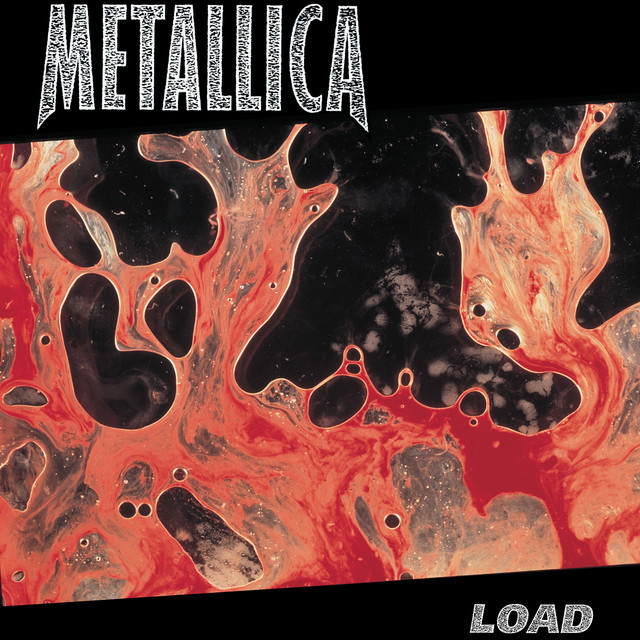
1. Metallica – “Load”:
Metallica was accused of commercialism as early as 1991, when “The Black Album” brought softer tones and the mega-hit “Nothing Else Matters.” Five years later, the band took an even bolder step with the release of their sixth album, “Load”, which caused many thrash metal fans to turn their backs on the band. Originally planned as a double album, “Load” introduced a new Metallica logo, sparked controversy with its cover art featuring blood and semen by Andres Serrano, and offered a musically heavy but more subdued 90s alternative sound tinged with blues and southern rock. Although the album divided opinion, it reflected the band’s desire to reinvent themselves. Despite this, many fans feel that the sound of “Load” has not stood the test of time as well as Metallica‘s earlier works.
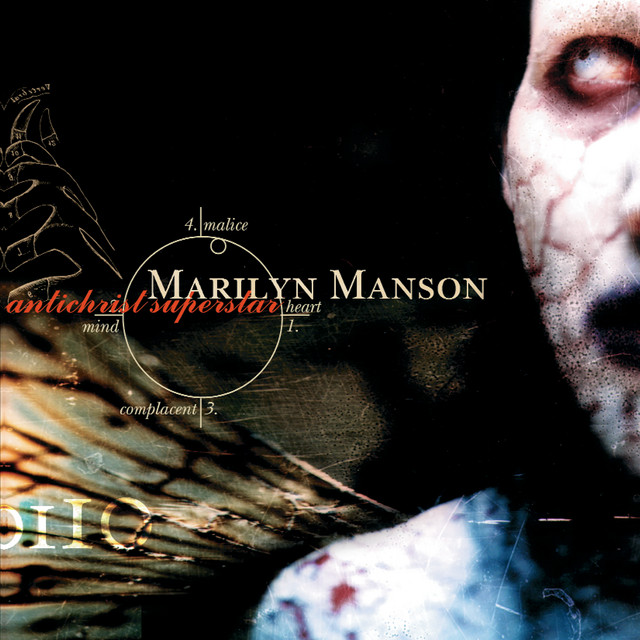
2. Marilyn Manson – “Antichrist Superstar”:
If Alice Cooper shocked the older generation in the 1970s, Marilyn Manson did the same 20 years later. Manson‘s second album, “Antichrist Superstar”, tells the story of the protagonist’s journey from a worm to the power-hungry Antichrist. The first part of this trilogy was inspired by Andrew Lloyd Webber‘s musical “Jesus Christ Superstar” and includes one of Manson‘s most famous songs, “The Beautiful People“. It has even been rumored that Manson dealt the death blow to grunge with his album “Antichrist Superstar”.
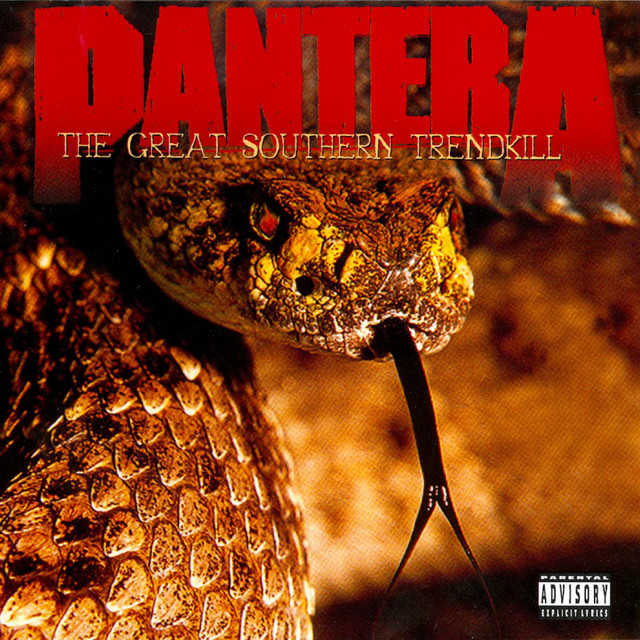
3. Pantera – “The Great Southern Trendkill”:
While Marilyn Manson shocked audiences with his shocking industrial style and Metallica blended alternative sounds with metal, Pantera tried to hold on to the traditional aggression of metal. However, “The Great Southern Trendkill” did not end up being as successful as, for example, “Vulgar Display of Power” or “Cowboys from Hell.” Nevertheless, Pantera‘s eighth album offered a fierce protest against the softening metal world.
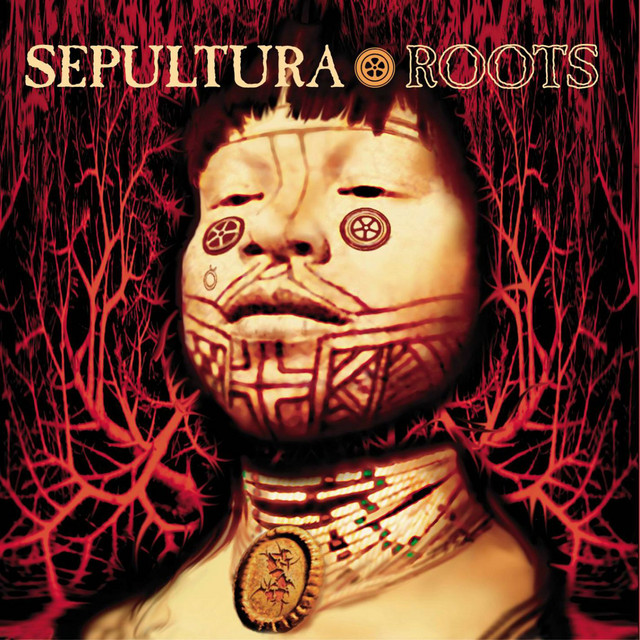
4. Sepultura – “Roots”:
Sepultura‘s sixth album was the band’s breakthrough album, but it also caused a rift between the Cavalera brothers. Released in 1996, “Roots” is Max Cavalera’s last Sepultura album, and the vocalist-guitarist did not speak to his brother, drummer Igor Cavalera, who remained in the band, for nearly a decade. Musically, “Roots” offered a more ethnic perspective on metal music by combining aggressive metal riffs with the rhythms and instruments of Brazilian indigenous peoples. This album gave the metal world the well-known “Roots Bloody Roots,” “Attitude,” and “Ratamahattan.”
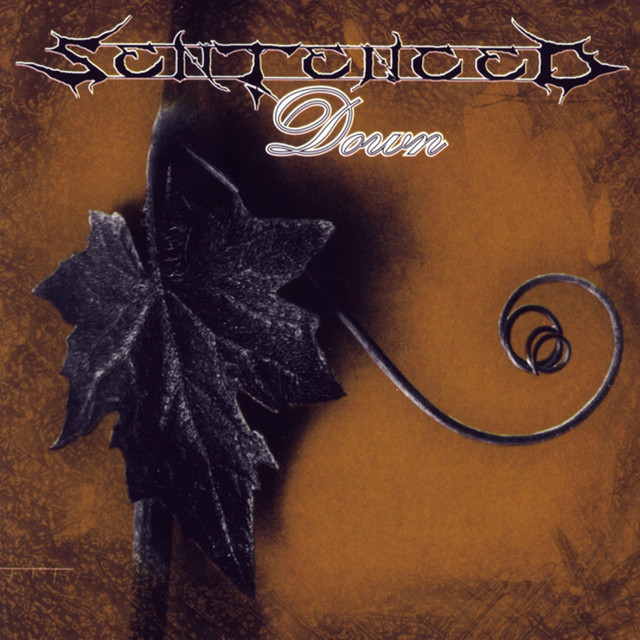
5. Sentenced – “Down”:
“Down” introduced a more melodic Sentenced, as the band shifted from death metal to a more melodic sound and self-destructive lyrics on this album. This album also features Ville Laihiala as the vocalist for the first time, replacing Taneli Jarva, who left the band that same year. This fourth studio album, released in 1996, marked the beginning of an upward trend in the band’s career, which ended with Sentenced‘s funeral in 2005. Songs from the “Down” album that are definitely worth mentioning are “Noose,” “Sun Won’t Shine,” and “I’ll Throw the First Rock,” which encapsulate the album’s dark but melodically captivating mood.
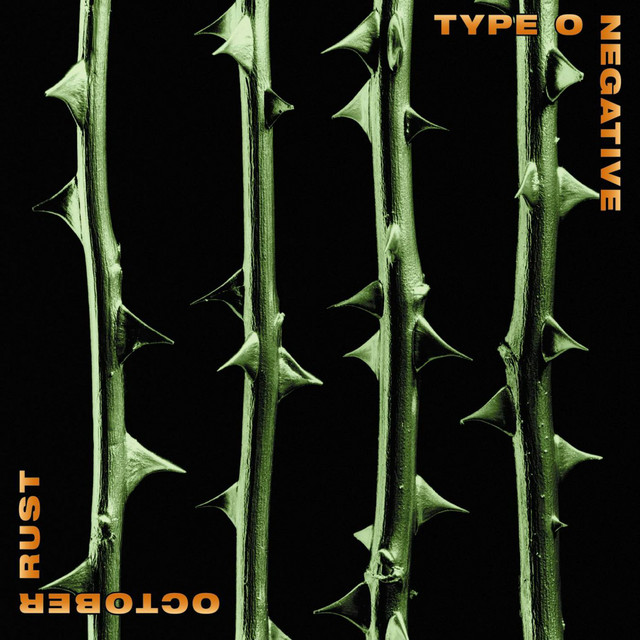
6. Type O Negative – “October Rust”:
With this album, goth metal pioneers Type O Negative proved once and for all that they have a unique sense of humor. According to rumors, the first track on “October Rust”, the noisy “Bad Ground,” ended up on the album simply because listeners might think there was something wrong with their stereo. In addition to this prank, the band’s fourth album offered the darkly romantic “Love You To Death,” the cheerful Christmas spirit of “Red Water (Christmas Mourning),” and a slightly more melancholic version of Neil Young‘s “Cinnamon Girl” – not to mention, of course, the single “My Girlfriend’s Girlfriend.“
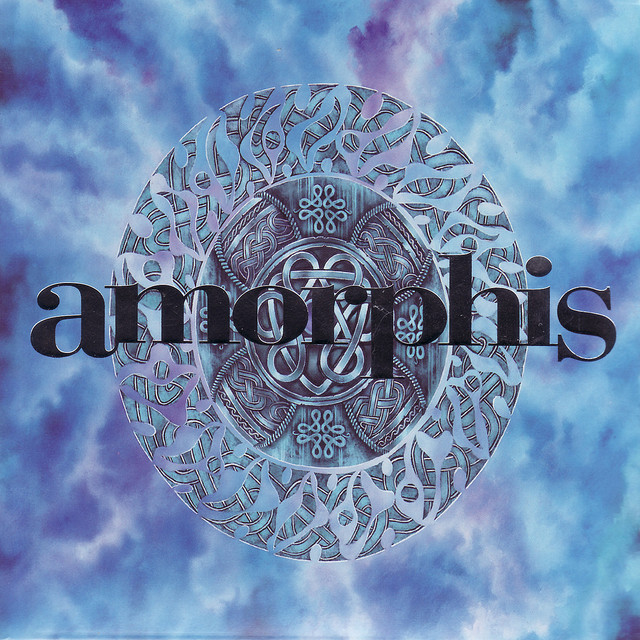
7. Amorphis – “Elegy”:
Amorphis‘ third album marked the beginning of a new era in the band’s career. Released in 1996, “Elegy” featured the band’s now familiar logo on the cover instead of a death metal logo, and the musical style had also evolved in a more progressive direction. There had also been some minor changes in the band’s lineup, with drummer Jan Rechberger being replaced by Pekka Kasari, known from Stone, and keyboardist Kasper Mårtenson being replaced by Kim Rantala. However, perhaps the most noticeable change was vocalist Pasi Koskinen, who brought melodic clean vocals to Amorphis‘ music.
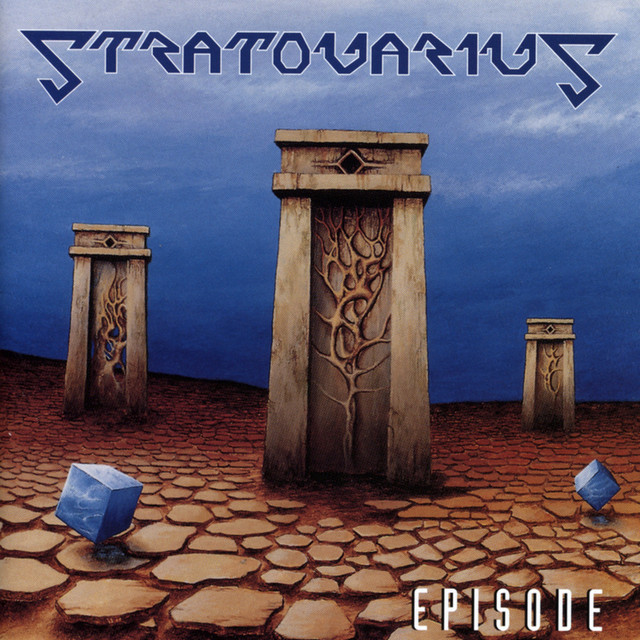
8. Stratovarius – “Episode”:
Stratovarius‘ fifth studio album cemented the band’s familiar melodic power metal sound. Released in 1996, “Episode” is also the first Stratovarius album to feature Jens Johansson on keyboards and Jörg Michael on drums. The album includes such classics as “Father Time,” “Forever,” and “Speed of Light.“
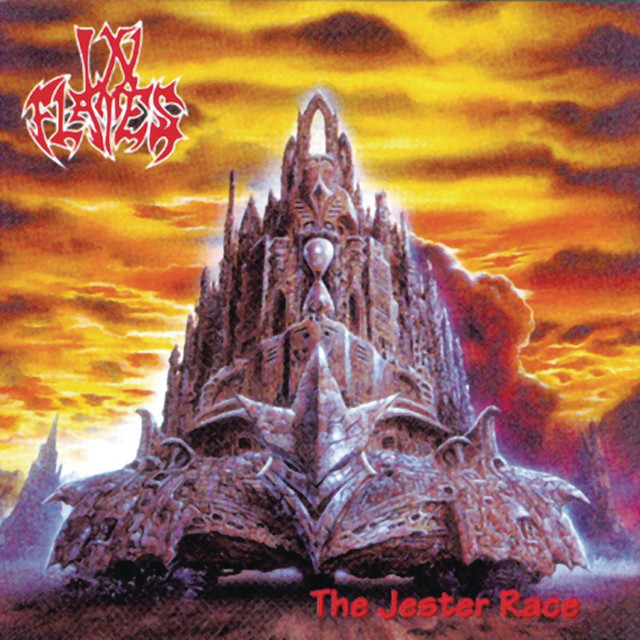
9. In Flames – “The Jester Race”:
The pieces began to fall into place for In Flames when guitarist Jesper Strömblad and Glenn Ljungström, bassist Johan Larsson, singer Anders Fridén, and drummer Björn Gelotte, now known as a guitarist, joined the band. With this lineup, In Flames recorded their second album, “The Jester Race”, which is considered one of the cornerstones of Gothenburg’s melodic death metal sound. The album cover features the band’s iconic Jesterhead mascot for the first time.
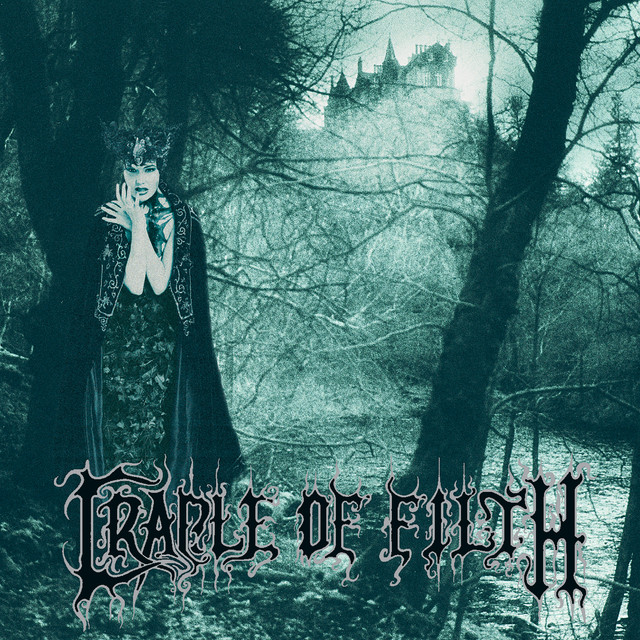
10. Cradle Of Filth – “Dusk And Her Embrace”:
Cradle Of Filth‘s second full-length album was the band’s breakthrough album. “Dusk And Her Embrace” seamlessly combined gothic aesthetics with symphonic black metal, which attracted new listeners to the band’s material. In 2016, Cradle Of Filth released the original version of the album through Cacophonous Records in honor of the 20th anniversary of “Dusk And Her Embrace”. This version was recorded in 1995 but remained unreleased due to a dispute between the record label and the band.
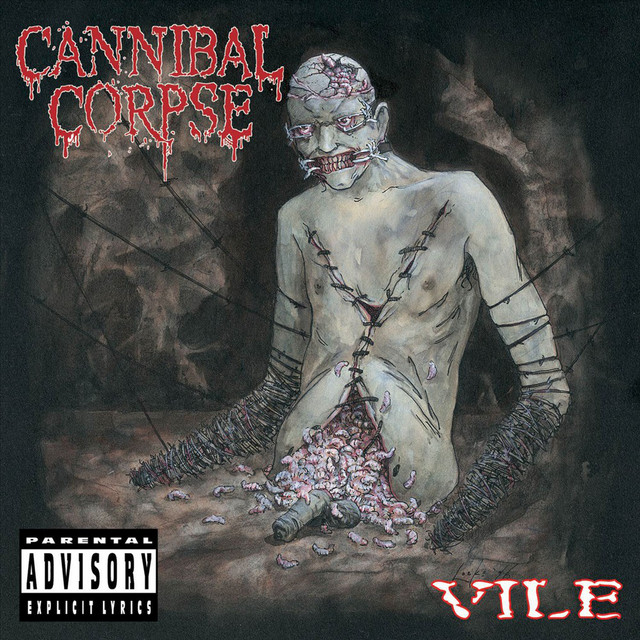
11. Cannibal Corpse – “Vile”:
Cannibal Corpse‘s fifth full-length album was a turning point in the band’s career. Released in 1996, “Vile” is the first album featuring legendary vocalist George “Corpsegrinder” Fisher, who replaced Chris Barnes, who was focusing on Six Feet Under. Originally worked on under the working title “Created To Kill,” some of the songs on the album were recorded with Barnes, but after his departure, they were re-recorded with Corpsegrinder on vocals. “Vile” is also the first Cannibal Corpse album to reach number 151 on the Billboard charts.
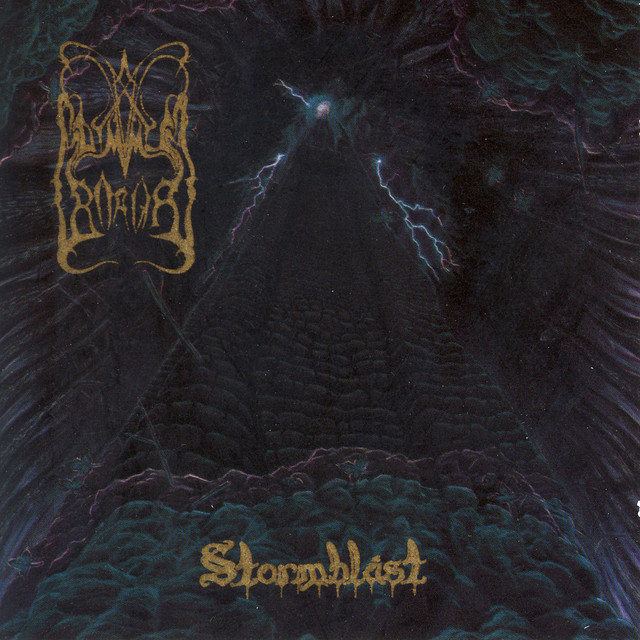
12. Dimmu Borgir – “Stormblåst”:
Dimmu Borgir‘s second full-length album, “Stormblåst”, is the last album to be recorded entirely in Norwegian. It is also the first album on which Shagrath took on the role of lead vocalist instead of guitarist and backing vocalist. In 2005, “Stormblåst” was re-recorded, but many swear by this original version.
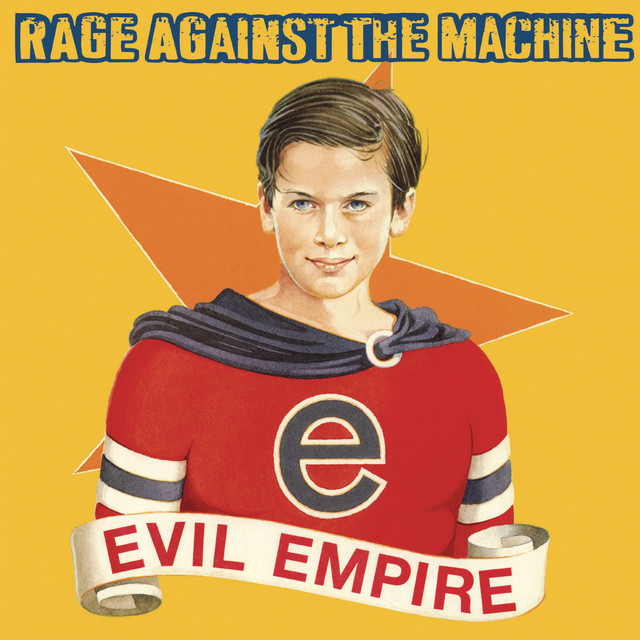
13. Rage Against the Machine – “Evil Empire”:
Rage Against the Machine‘s second album continued in the same vein as their debut album, which is evident from the album’s title. “Evil Empire” is named after Ronald Reagan’s speech in which he used the term “evil empire” to refer to the Soviet Union. “Evil Empire” was a success, and Rage Against the Machine won a Grammy Award for the song “Tire Me.” The singles “People of the Sun,” “Down Rodeo,” and one of the band’s most famous songs, “Bulls on Parade,” were released from this album.
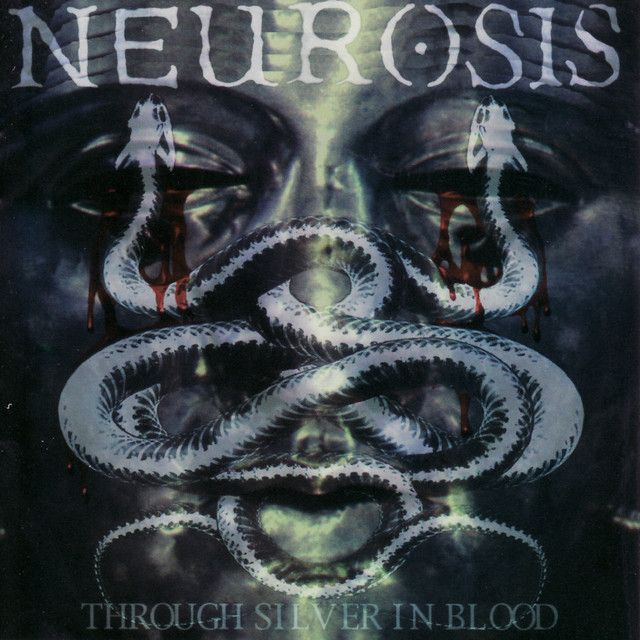
14. Neurosis – “Through Silver In Blood”:
Neurosis‘ fifth studio album, “Through Silver In Blood”, became a cornerstone of post-metal. The brisk 70-minute work showcased the band’s massive and experimental sound, which has influenced bands such as Mastodon, Cult of Luna, and Isis. This album also features one of Neurosis‘ most famous songs, “Locust Star.”
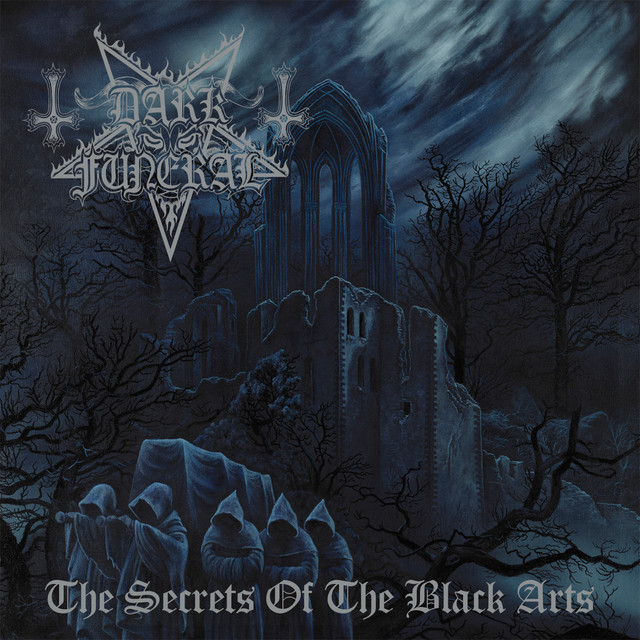
15. Dark Funeral – “The Secrets Of Black Arts”:
Swedish band Dark Funeral presented their signature sound on their debut album: cold and brutal black metal. “The Secrets Of Black Arts” has since become one of the classics of 90s black metal. The album remained the only full-length release featuring guitarist Blackmoon, drummer Equimanthron, and bassist Themgoroth.
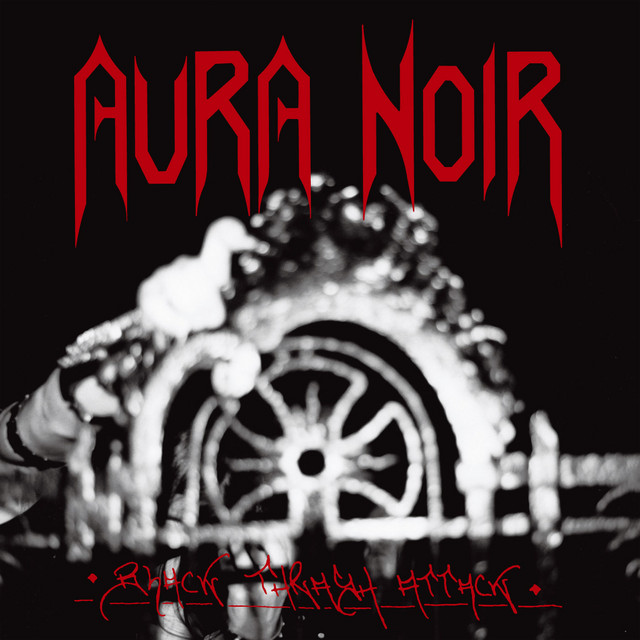
16. Aura Noir – “Black Thrash Attack”:
On their debut album, Norwegian band Aura Noir showed how magnificently 1980s German thrash metal can be combined with the darkness of Norwegian black metal. “Black Thrash Attack “is one of the cornerstones of blackened thrash metal. At last year’s Steelfest, the title track and “Conqueror” rocked the night in Hyvinkää!
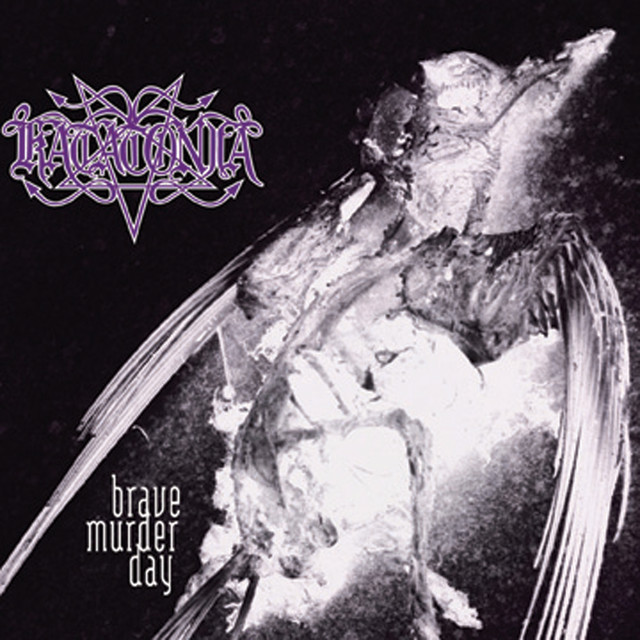
17. Katatonia – “Brave Murder Day”:
Katatonia remained quiet throughout 1995, but the following year the band became active again as a trio. That same year, they released the follow-up to their debut album, “Dance of December Souls”. Due to health issues, singer Jonas Renkse was unable to perform the growling vocals, so Opeth‘s Mikael Åkerfeldt, hired as a session musician, took over the growling parts. The original edition of “Brave Murder Day” had slipped into print without being mastered, but to celebrate the album’s 10th anniversary, Peaceville Records released a mastered version.
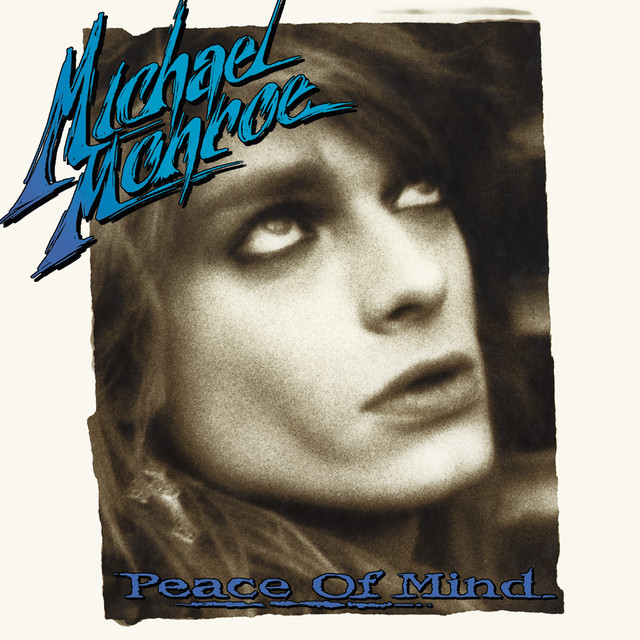
18. Michael Monroe – “Peace of Mind”:
Michael Monroe‘s third solo album, “Peace of Mind”, was released shortly after Monroe returned to Finland. The album was released in 1996 by none other than the legendary Poko Rekords. However, it remained the only release on Poko, as the record company and Monroe ended their collaboration due to disagreements. “Peace of Mind” also includes cover versions of MC5‘s “Kick Out the Jams“, The Damned‘s “Machine Gun Etiquette“, and The Dead Boys‘ “Not Anymore“. The last track on the album, “Peace of Mind,” is essentially noise and serves as a kind of middle finger to the record company, which demanded a tenth song for the album—and Monroe delivered.
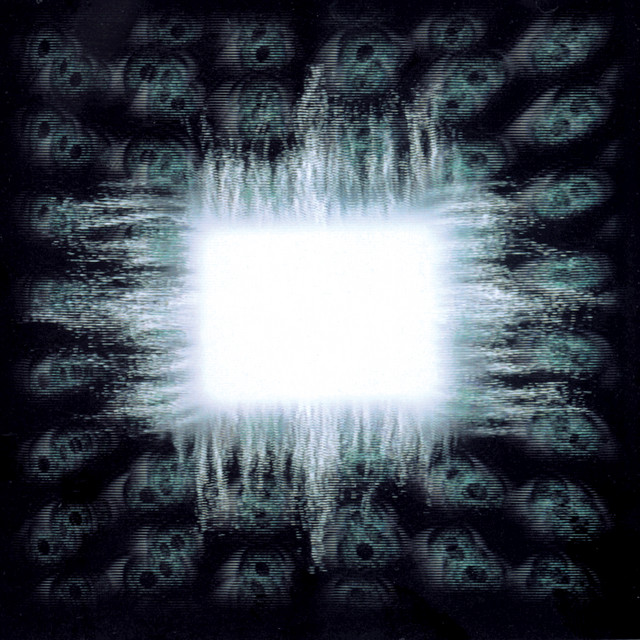
19. Tool – Ænima:
Tool‘s second album, “Ænima”, combines crude humor with intelligent themes. A good example of this is “Stinkfist,” which hardly needs any further explanation, while “Forty Six & 2” tells of Drunvalo Melchizedek’s theories on human evolution and the idea of activating two new chromosomes, which would lead to an expansion of consciousness. “Die Eier von Satanin,” on the other hand, is Marko Fox’s German-language litany, which sounds like a proclamation but is actually a recipe for cookies. Let’s just say that “Ænima” is a very Tool-like album. What that means is up to each listener to decide for themselves.
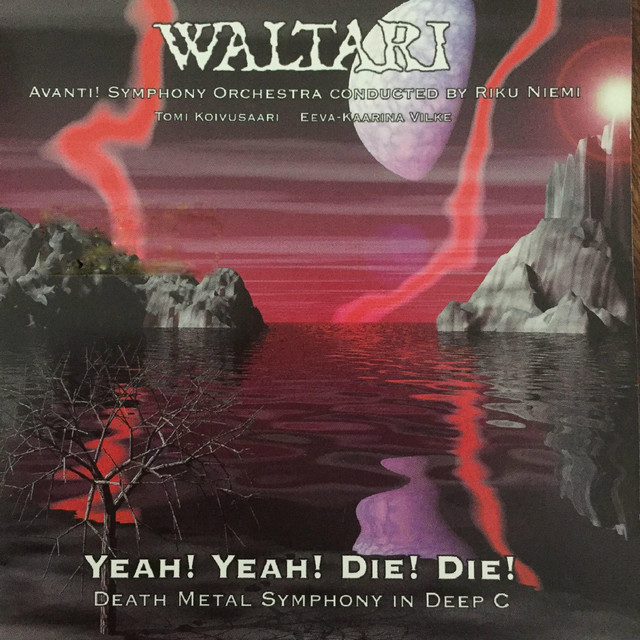
20. Waltari – “Yeah! Yeah! Die! Die! Death Metal Symphony in Deep C”:
Waltari shook up the heavy metal scene with their fifth album, which was a death metal symphony rather than a traditional metal album. “Yeah! Yeah! Die! Die! Death Metal Symphony in Deep C” was created in collaboration with the Avanti! Symphony Orchestra, conducted by Riku Niemi. In addition to Kärtsy Hatakka, Eeva-Kaarina Vilke and Tomi Koivusaari from Amorphis are responsible for the vocals. I would guess that seeing this live would definitely be an experience!