Metal, Hardcore, Indie, Rock
Askar Ibragimov
Between ritual and fiery dance: “Pagan night” with EIHWAR & Mira Ceti live in Helsinki
It was April 4th, but I waited for this gig since it was announced few months ago.
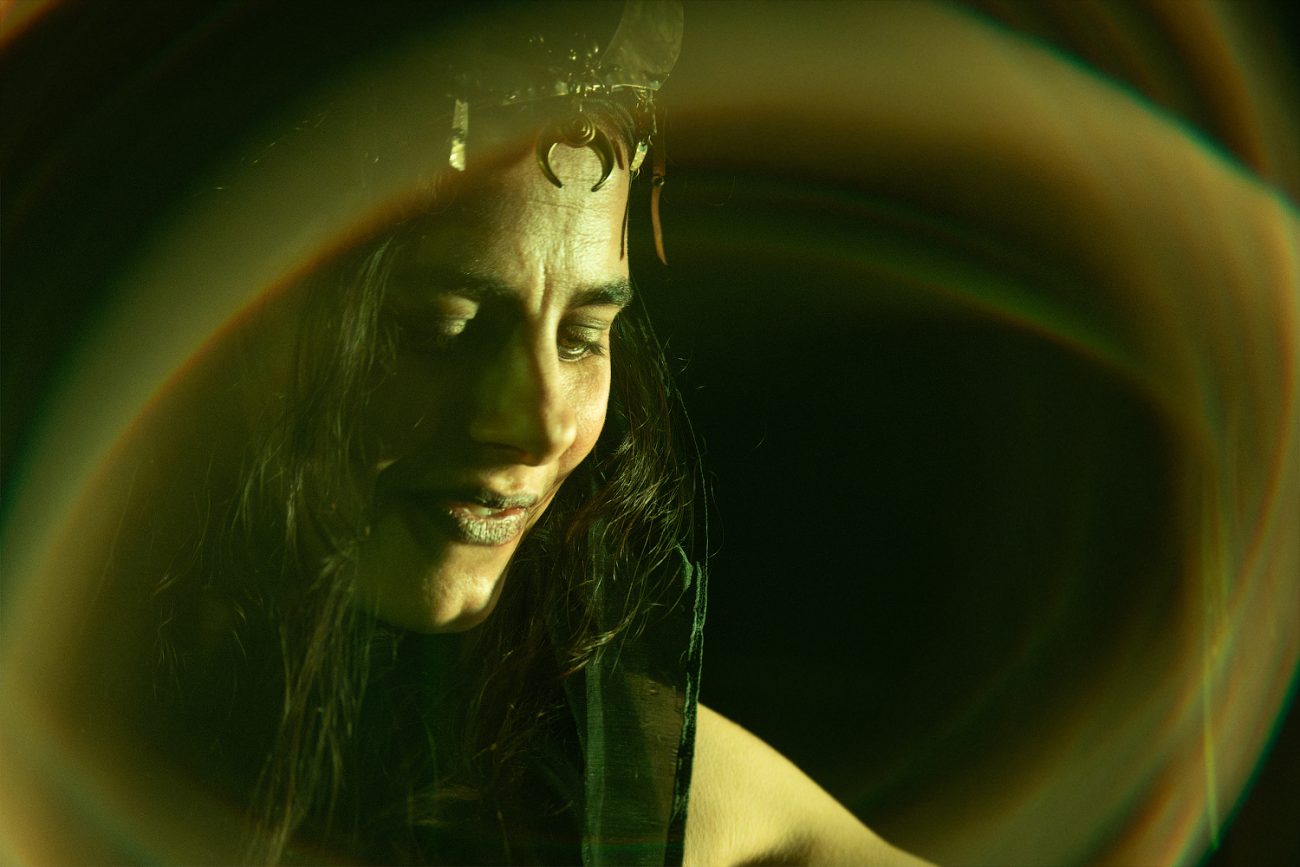
Mira Ceti
“I chase rituals,” said Mira once in an interview; she finds traditional celebrations and, together with sound producer n.hir, turns them into unusual, captivating melodies. “She explores ritualistic expression as a dialogue with the surroundings, whether tangible or intangible entities,” says the description on her online accounts. She is a vocalist with Heilung, but their hiatus has allowed her—as well as each member of the collective—to pursue her own projects.
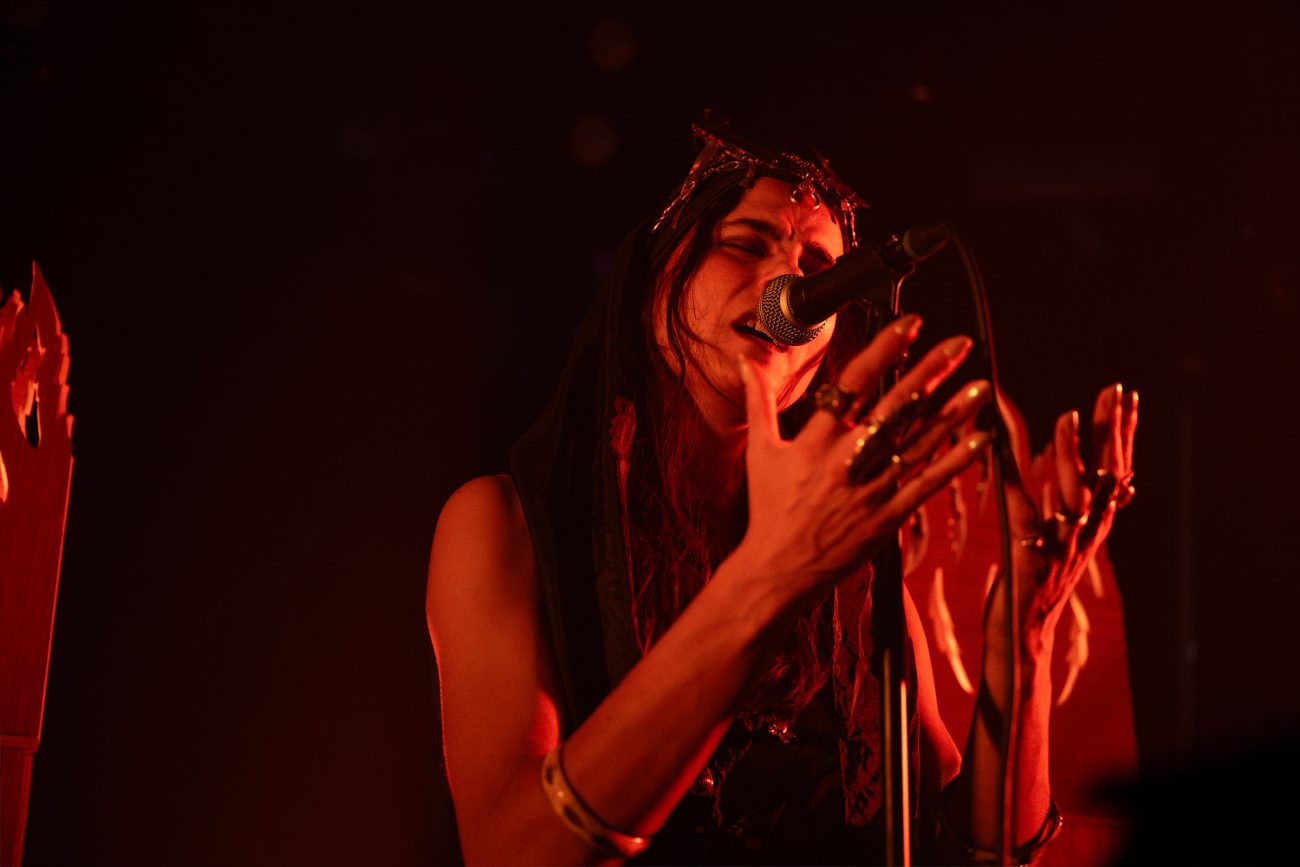
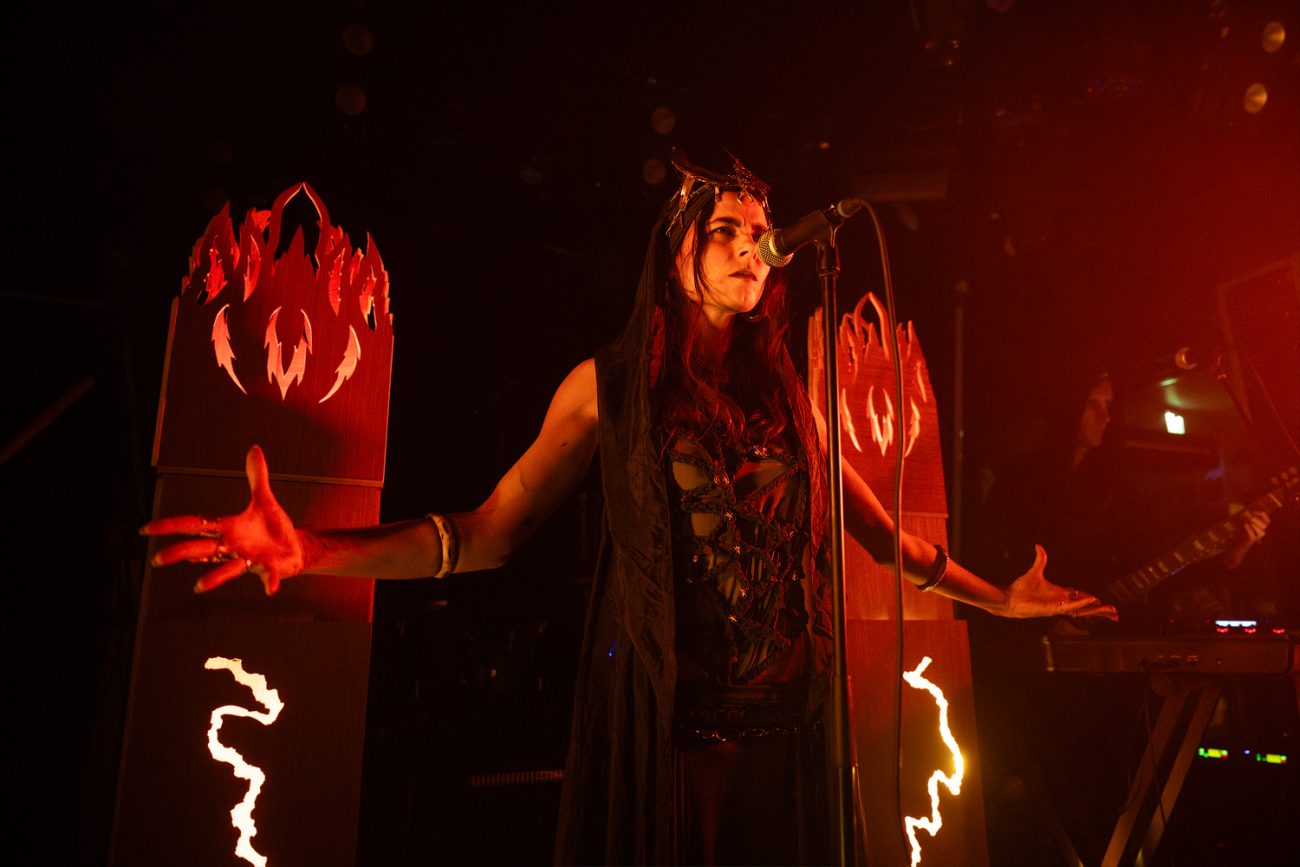
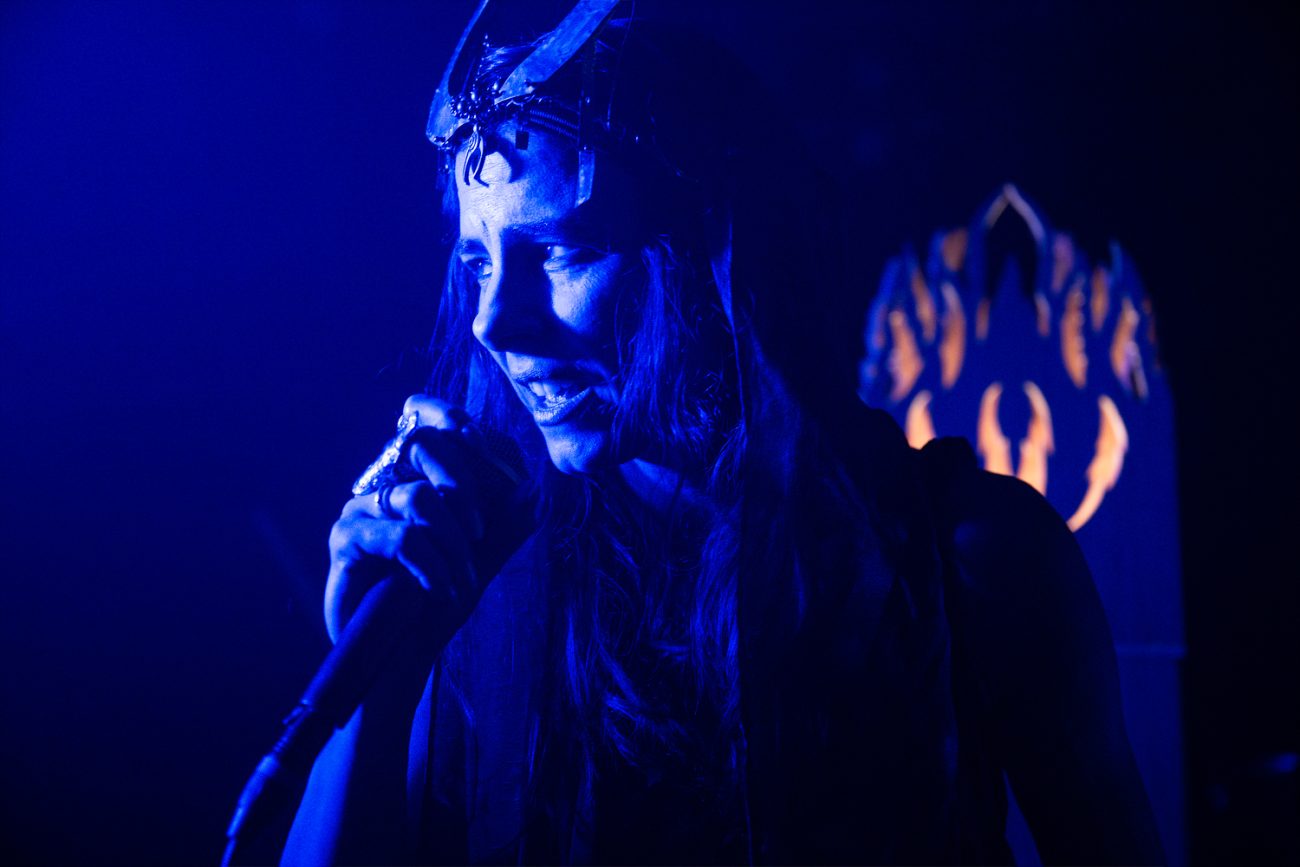
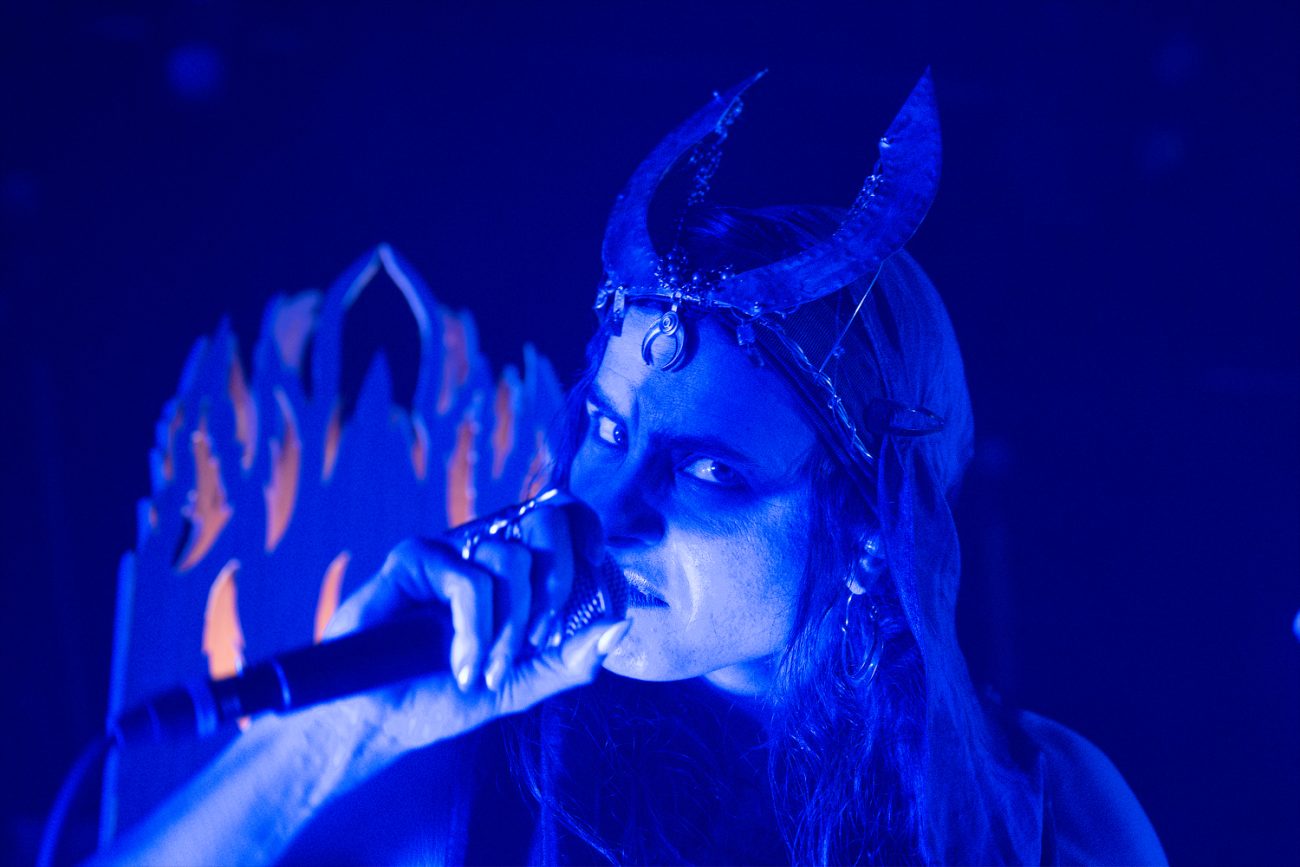
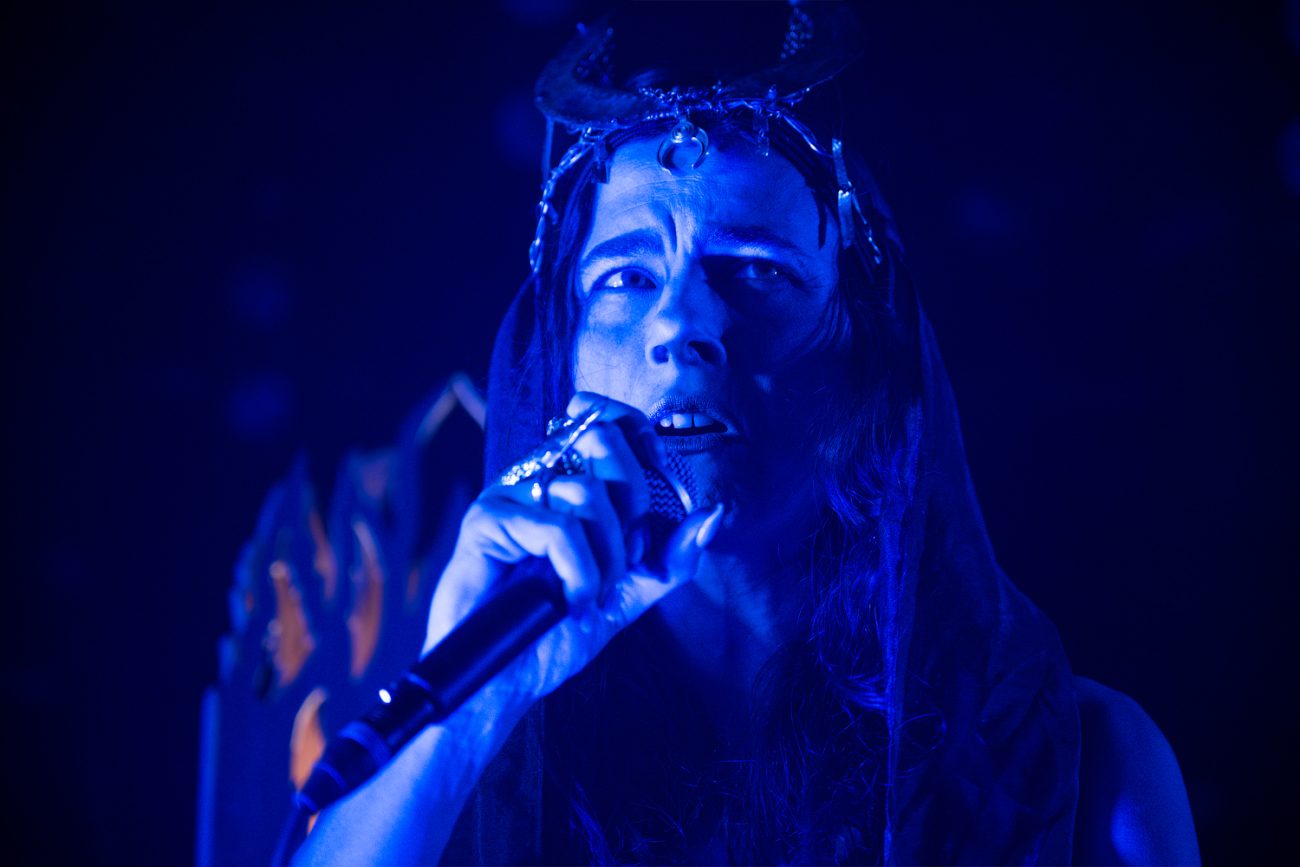
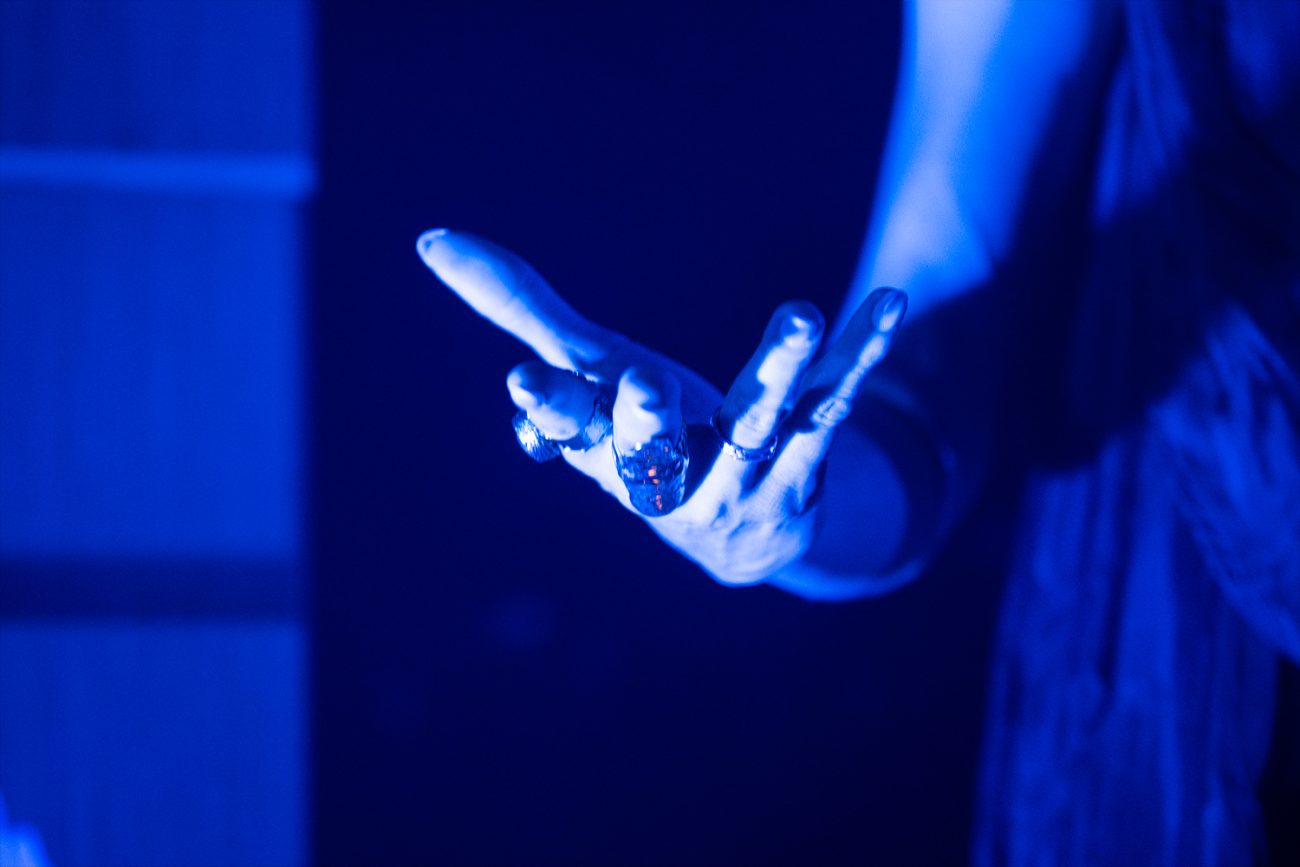
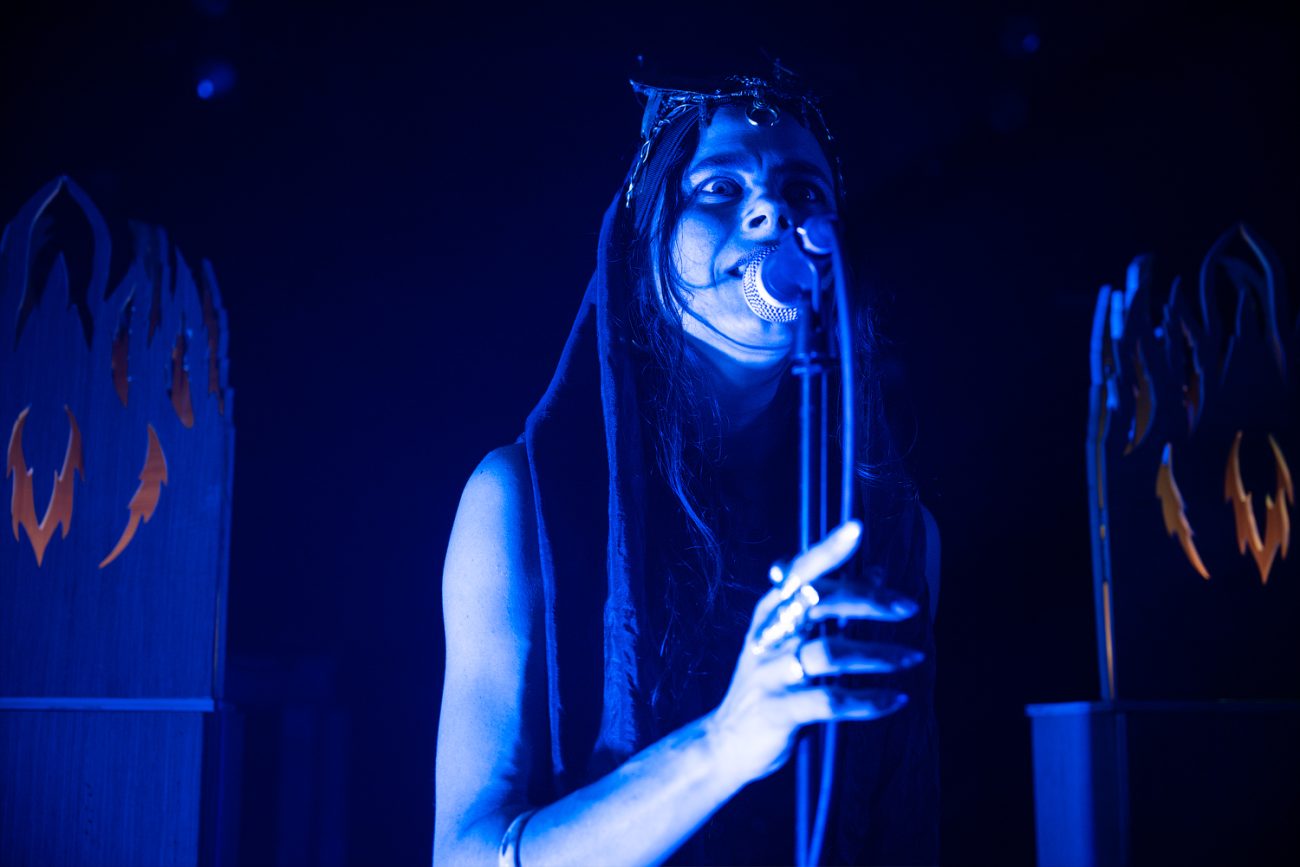
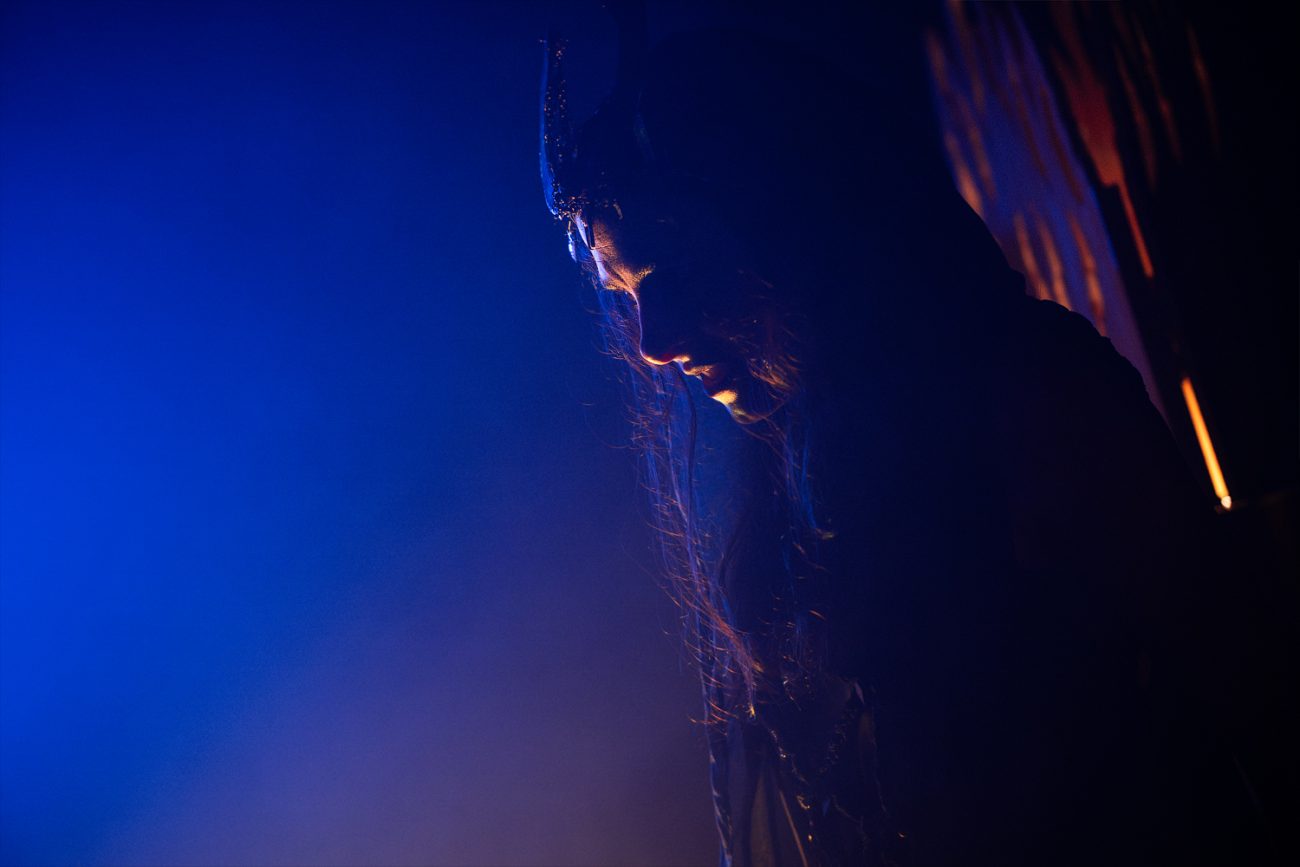
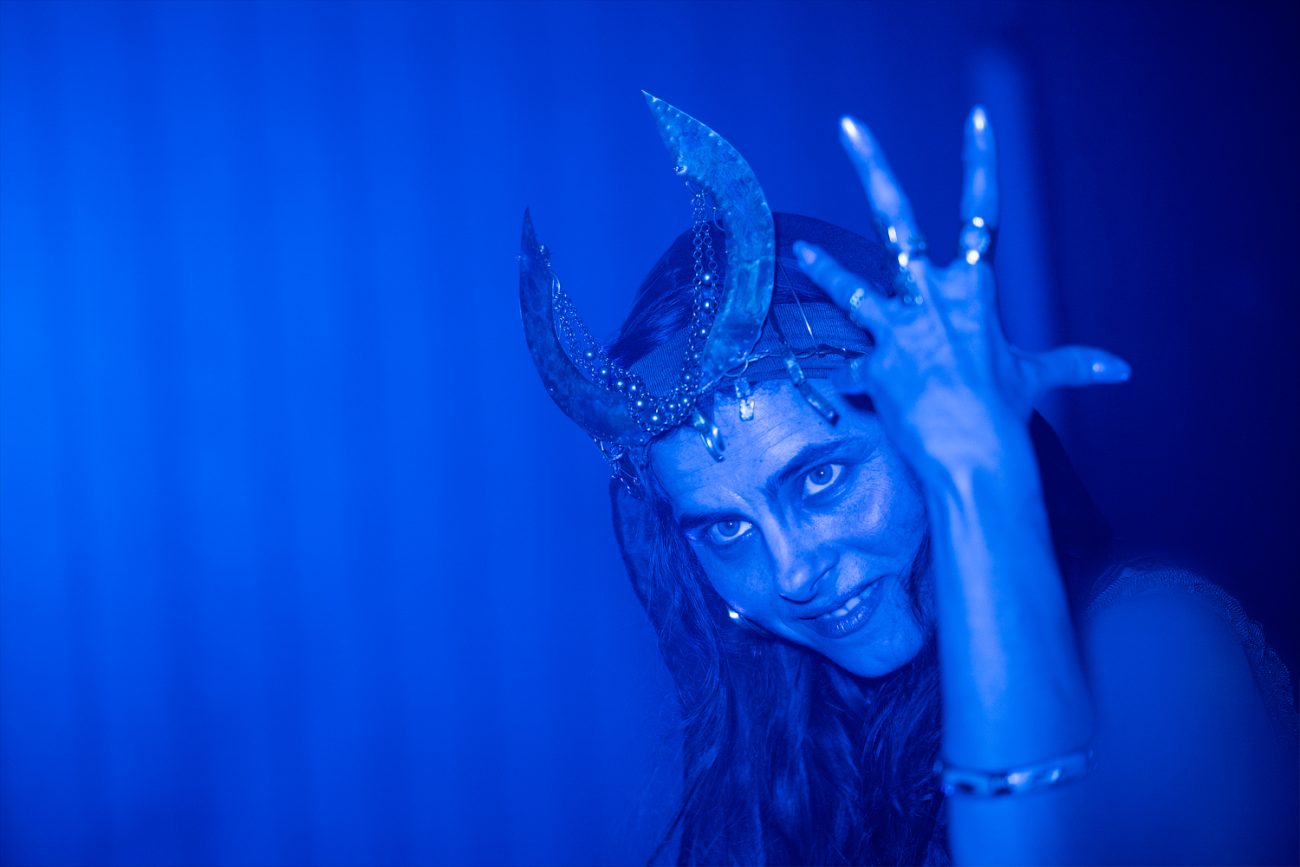
Dressed in a horned headdress and moving between two stands depicting fire and a flash, Mira delivers her songs. This is not the dance music —it is energetic yet slow, and enchanting, delivering verse by verse, story after story about encounters with the intangible. I know her material well, and it is thrilling to hear it live. In a world of tried-and-true pop and rock clichés, her music, made by different rules, sounds fresh yet unusual.The reality of a small-ish club starts to disappear and replaced in my mind by something else.
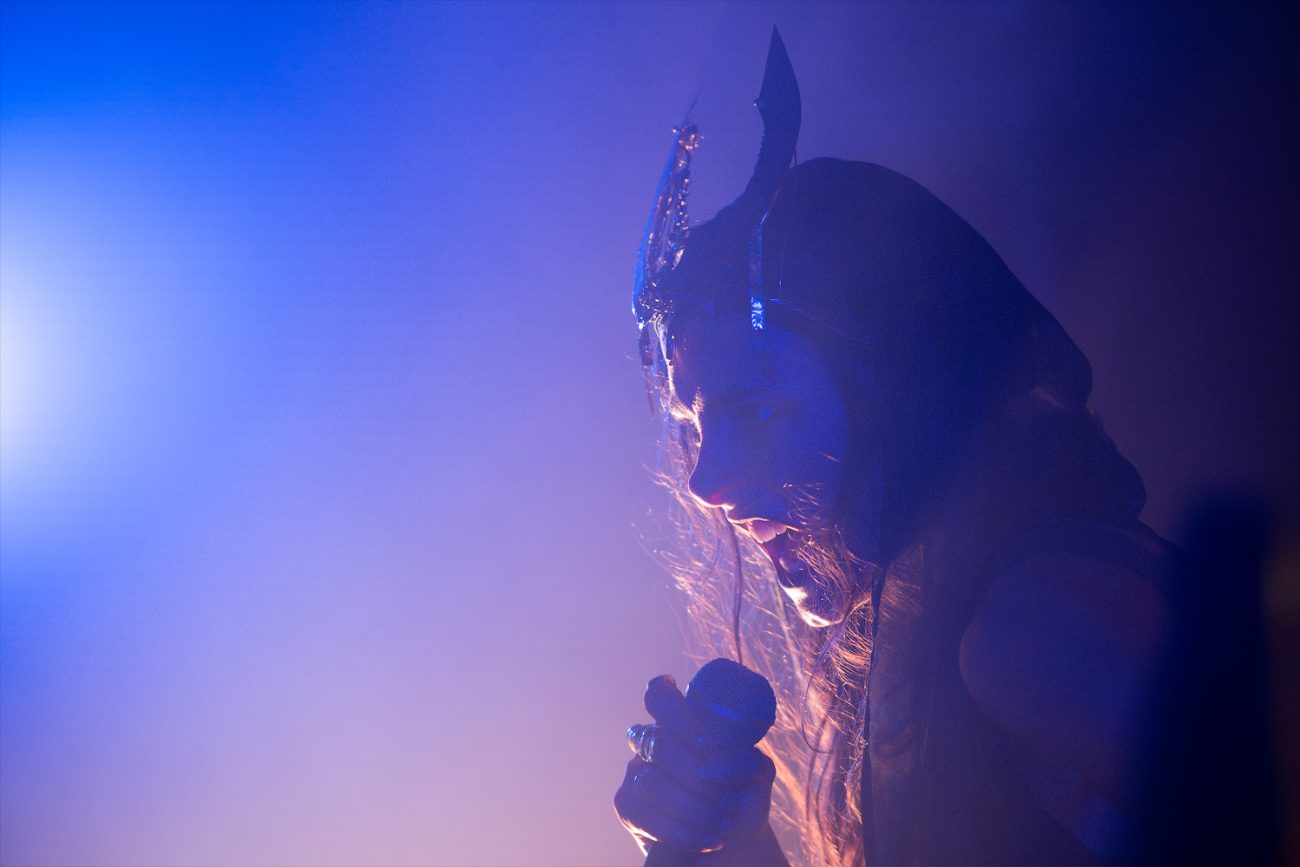
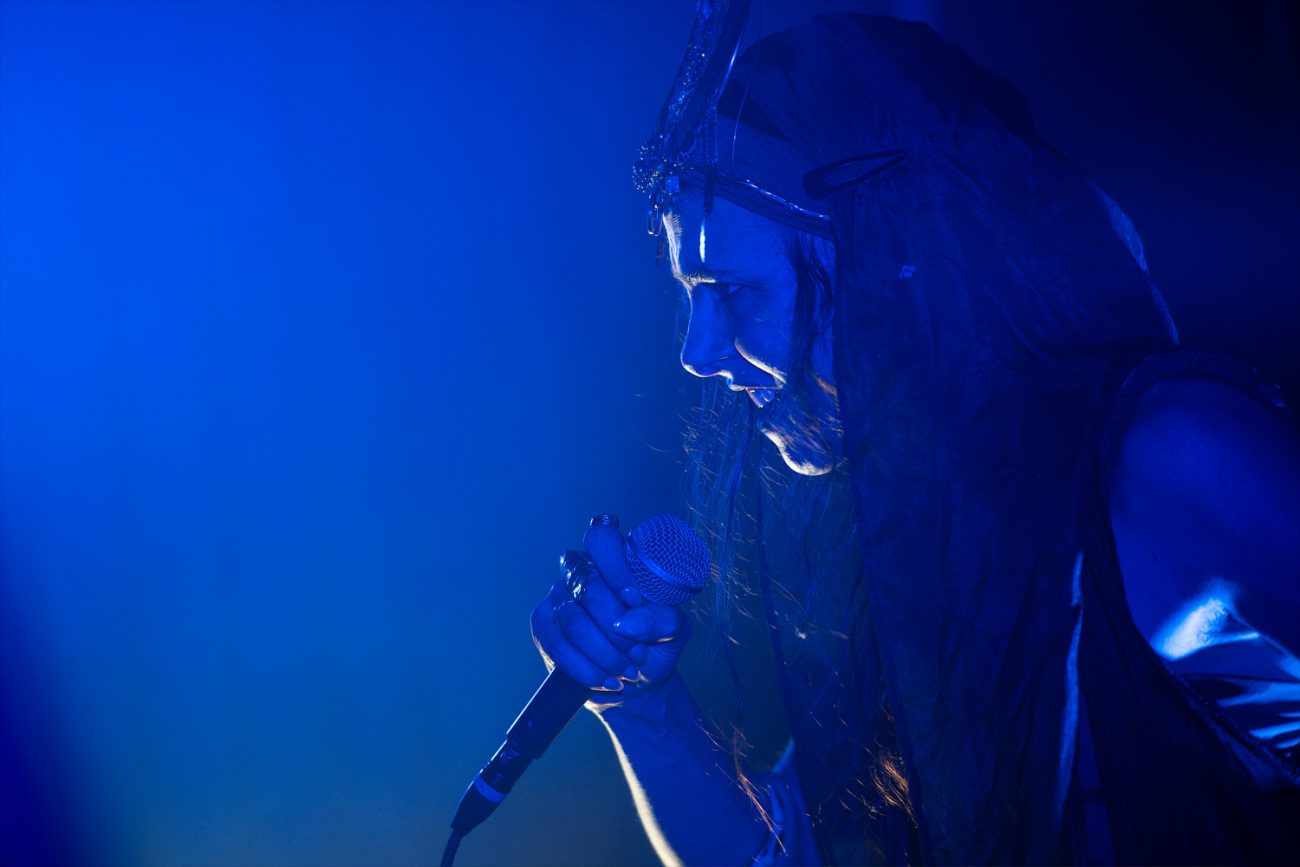
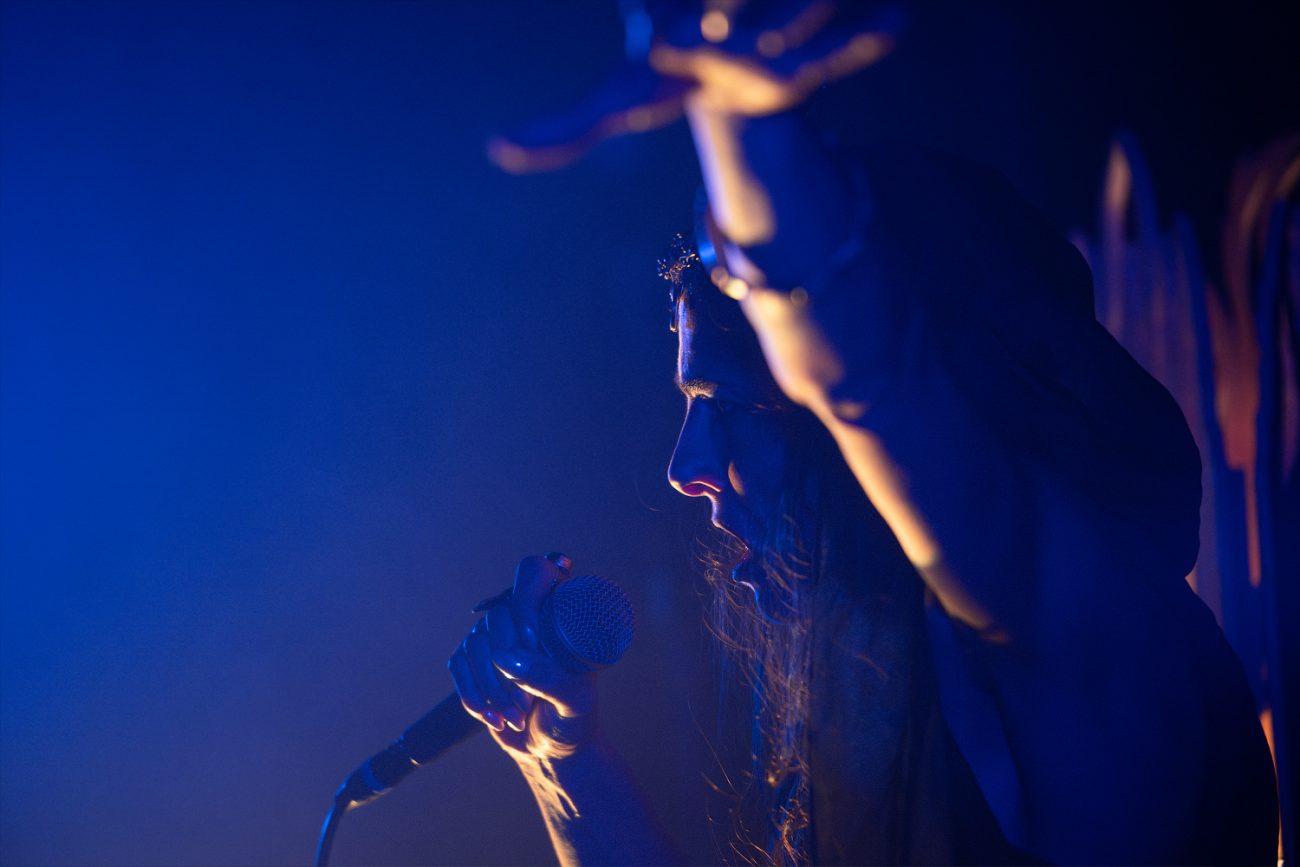
EIHWAR
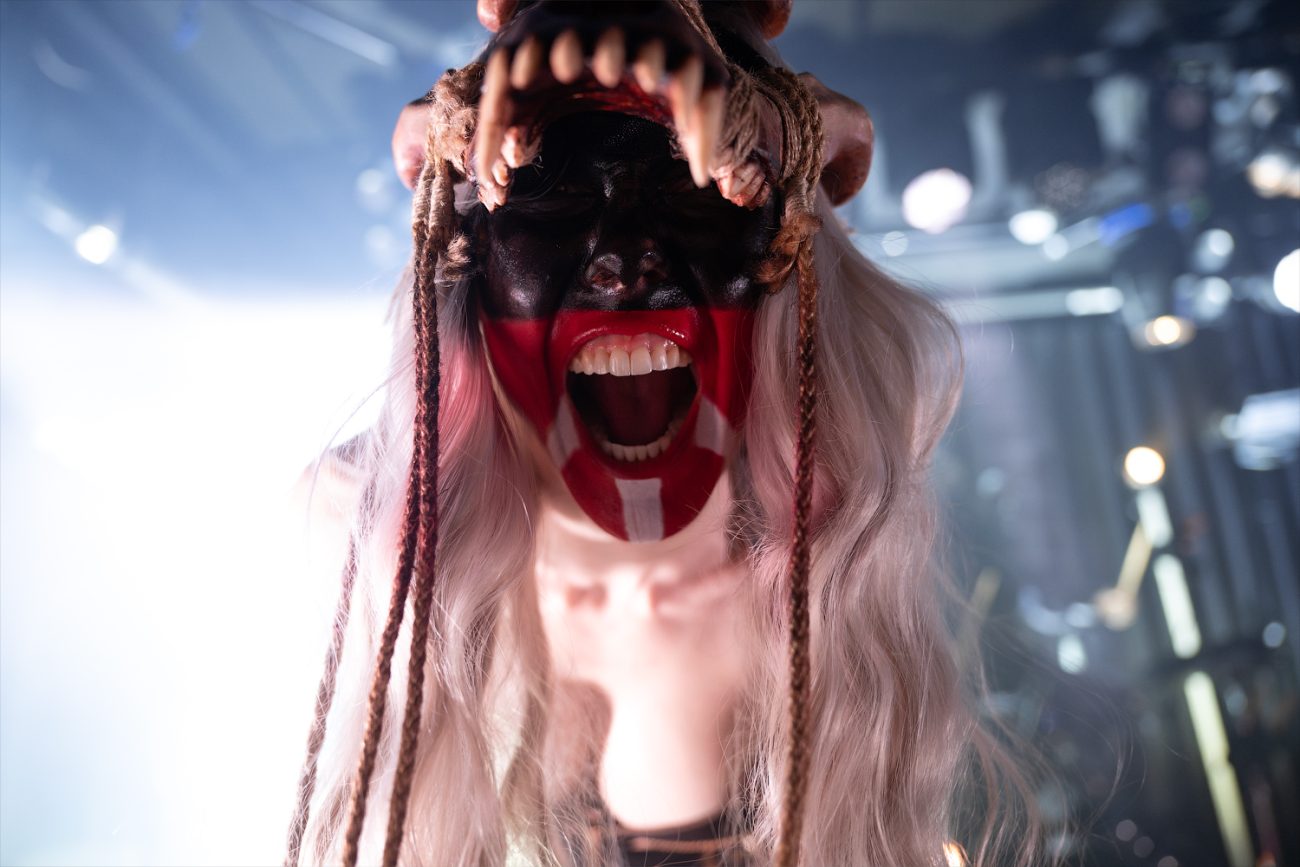
One thing that surprises me most is why EIHWAR was placed at On the Rocks, a small club, after their roaring success at Tuska, where there was a 400-meter line to see them on the smaller stage. This year, they brought a new stage design made of glowing standing sticks, but the familiar elements remain: the monumental Hermataerde-like figure of Mark behind the drum kit, and the fierce Ashrunn jumping around the stage, dancing with swords and connecting with the audience. Are they considered too risky to sell out Tavastia?
Having started only a few years ago, they are confidently rising to fame; major magazines such as Metal Hammer are paying close attention, and their venues are indeed being upgraded at some stops of the tour.
I do like small clubs—the artists are really close and the energy is palpable. Yet it felt like this act calls for a bigger stage. It’s the third time I’ve seen them in just a year, and my feeling (I might be wrong, of course) is that the band shines when there is room to move and when the lighting is not so basic.
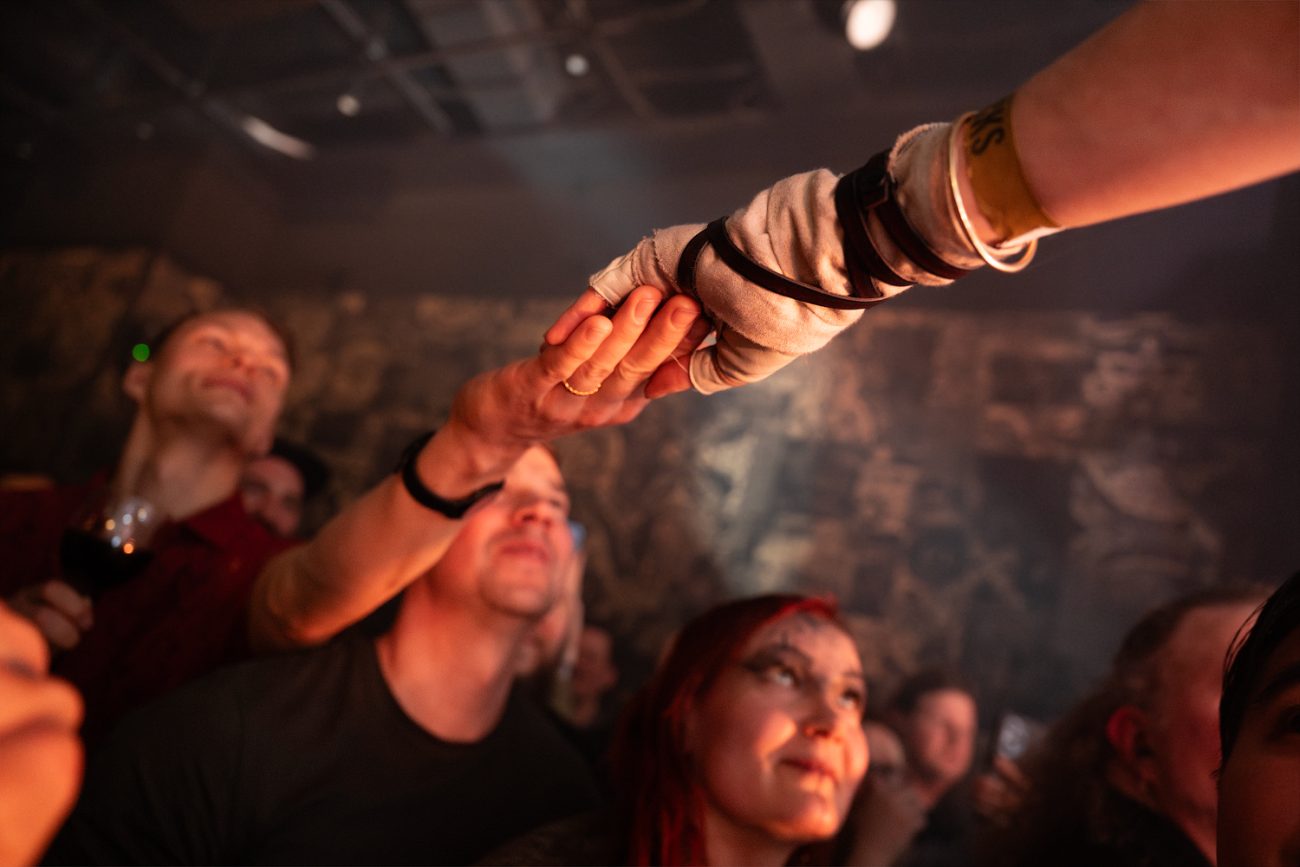
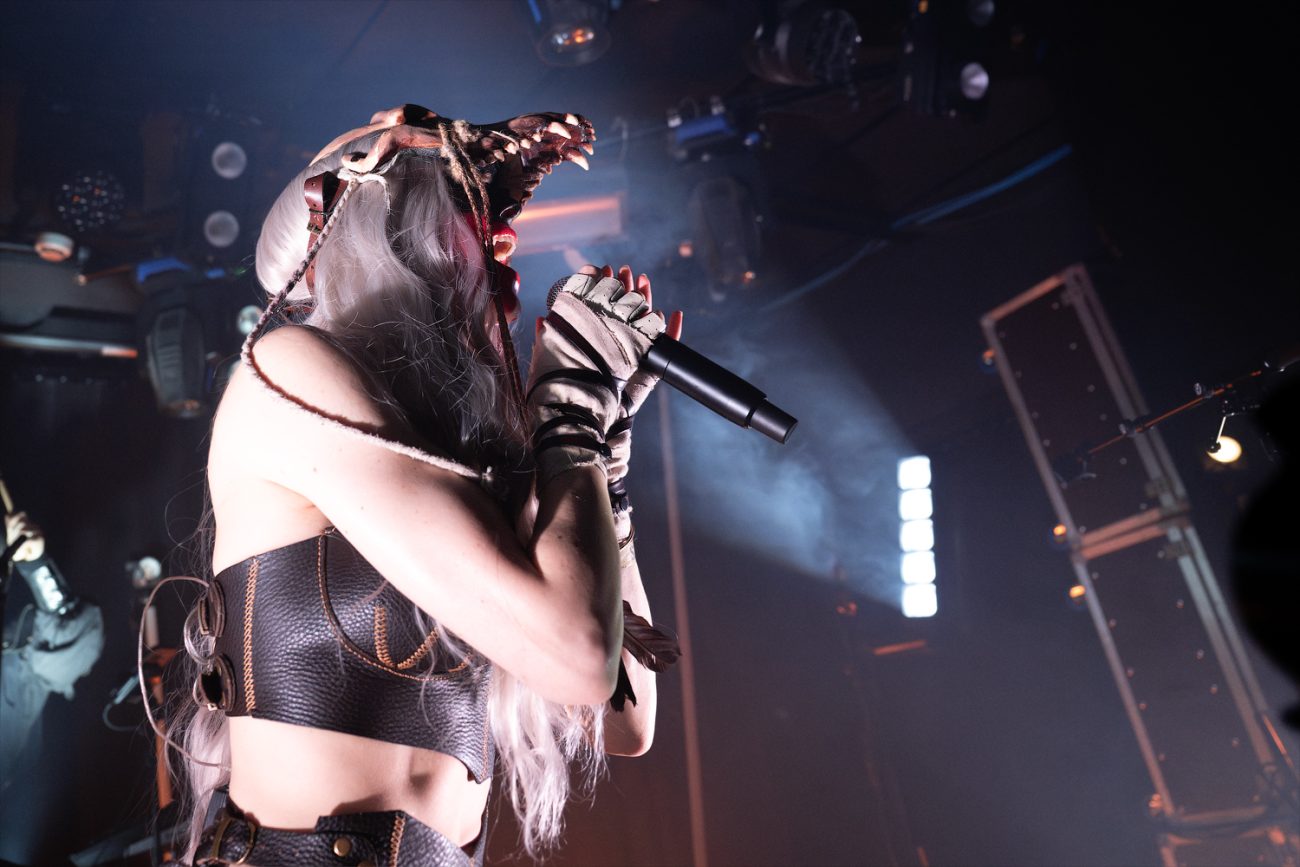
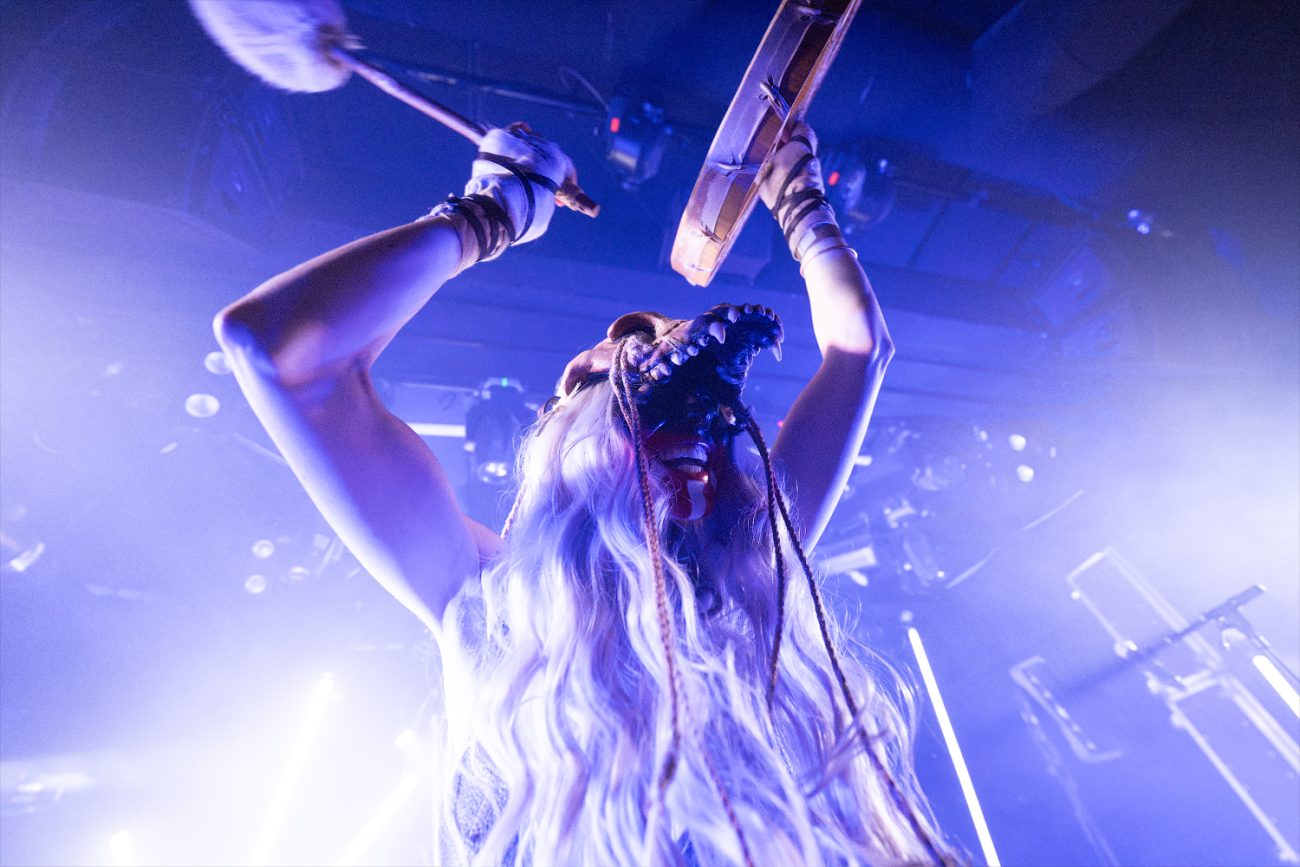
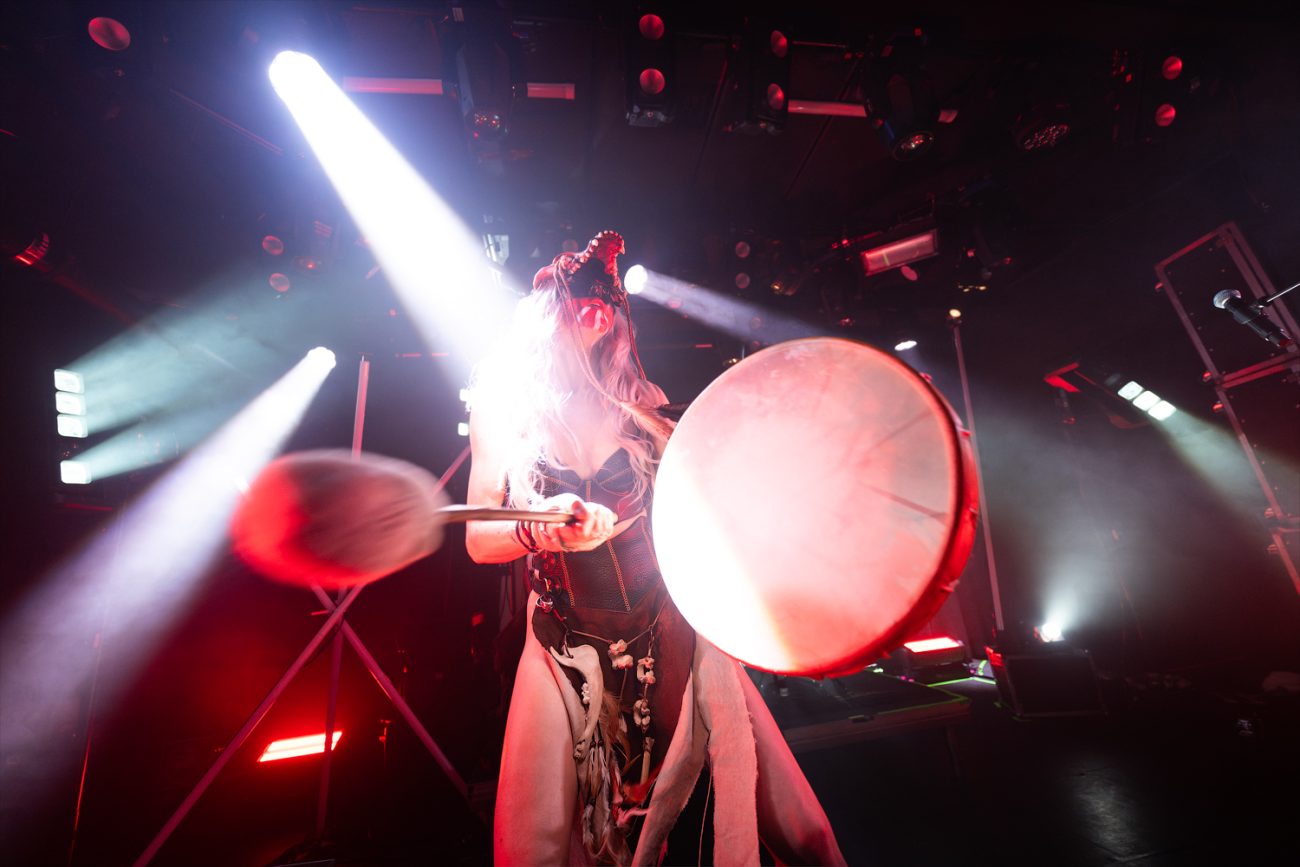
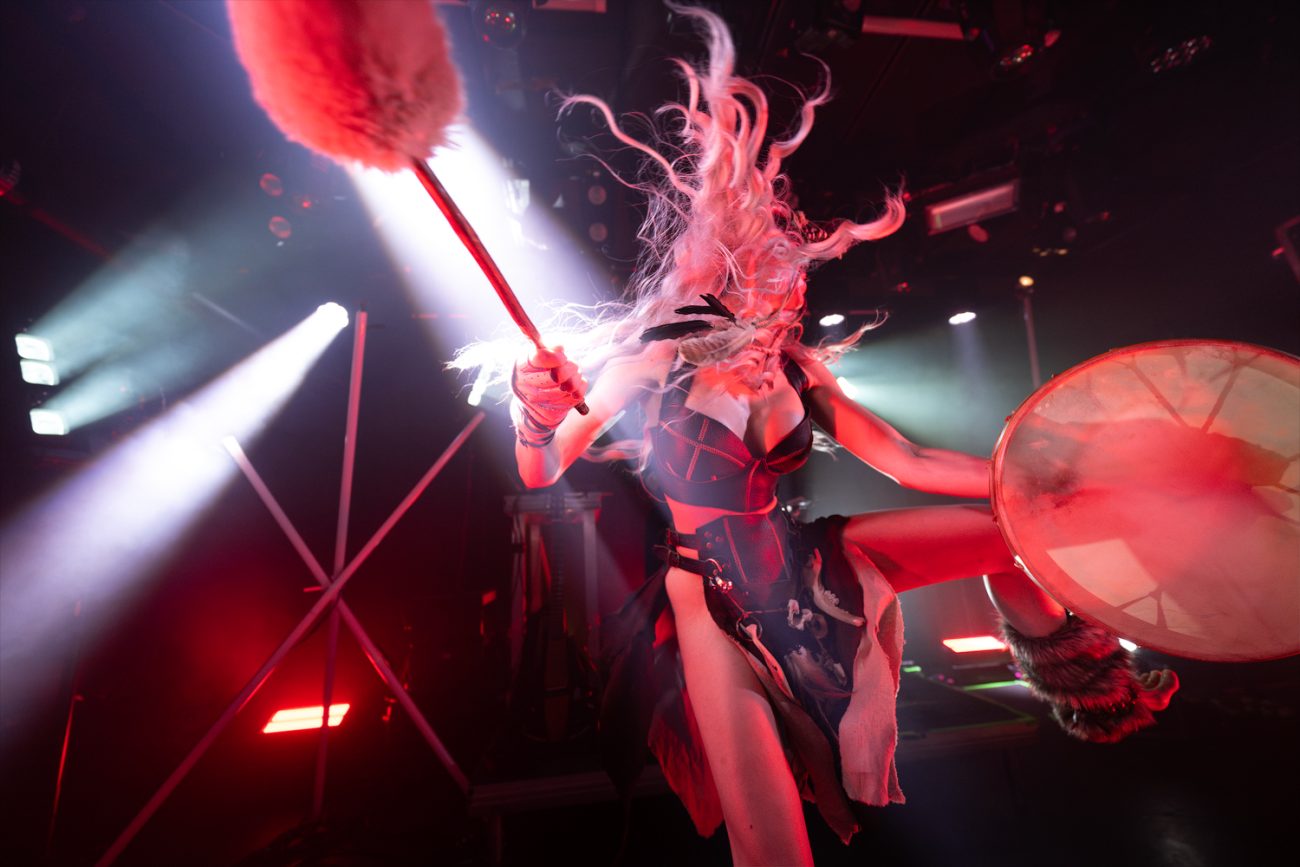
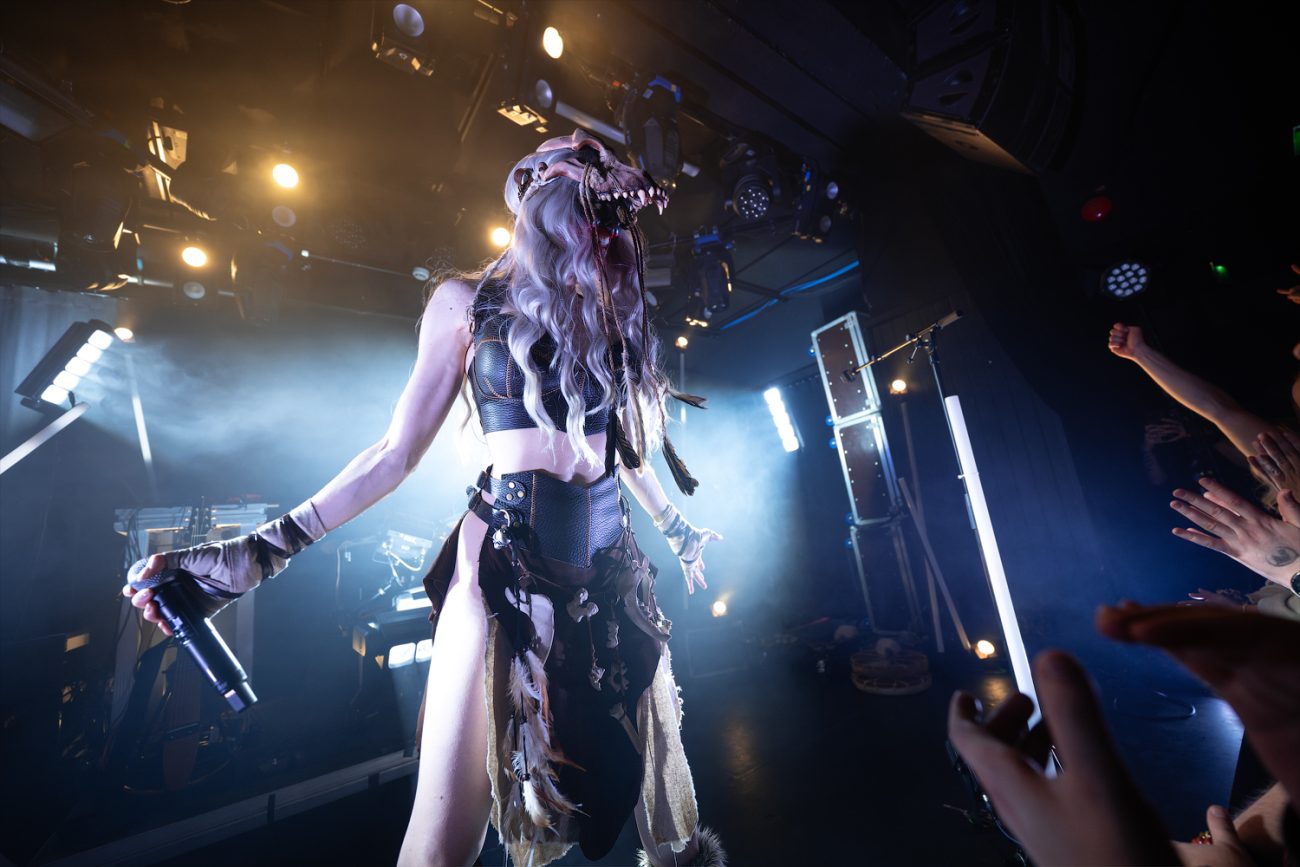
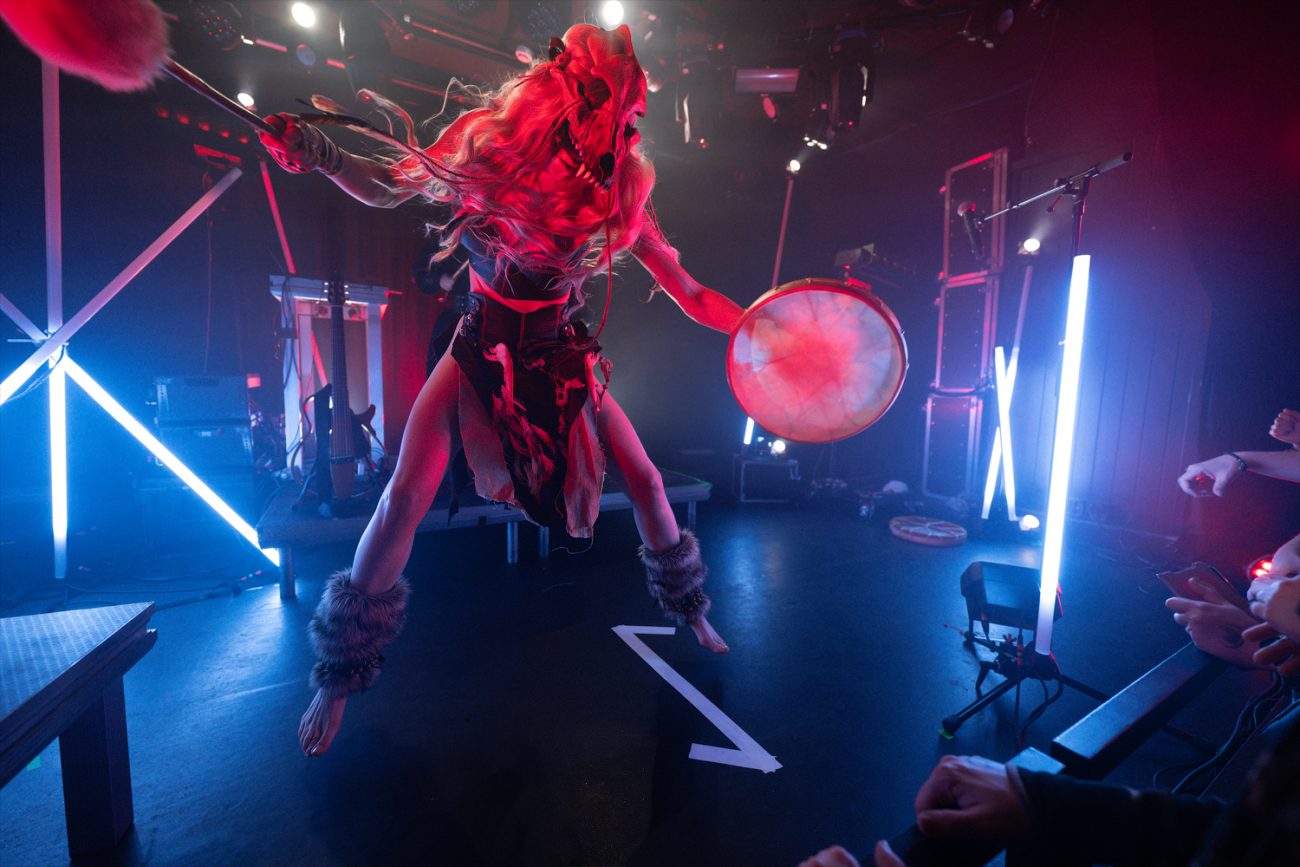
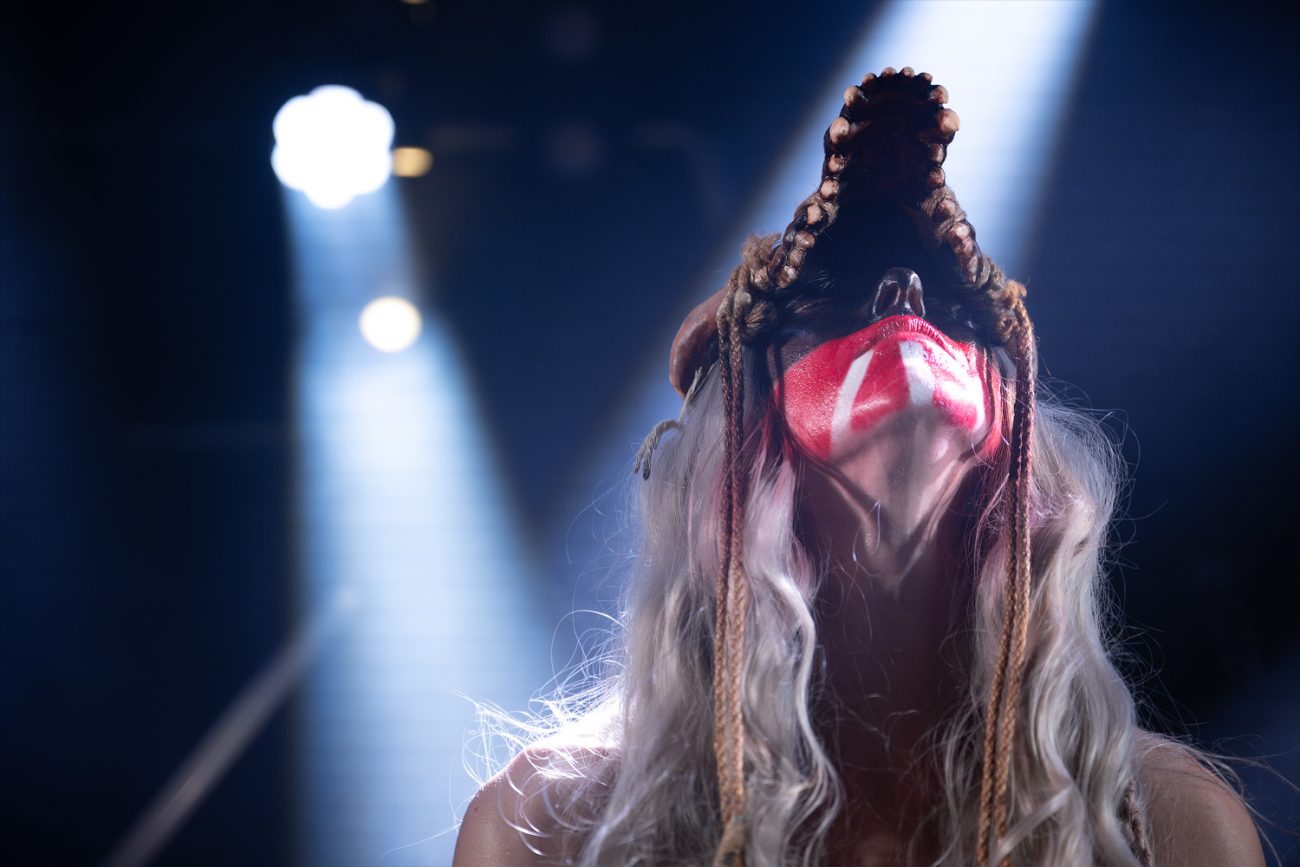
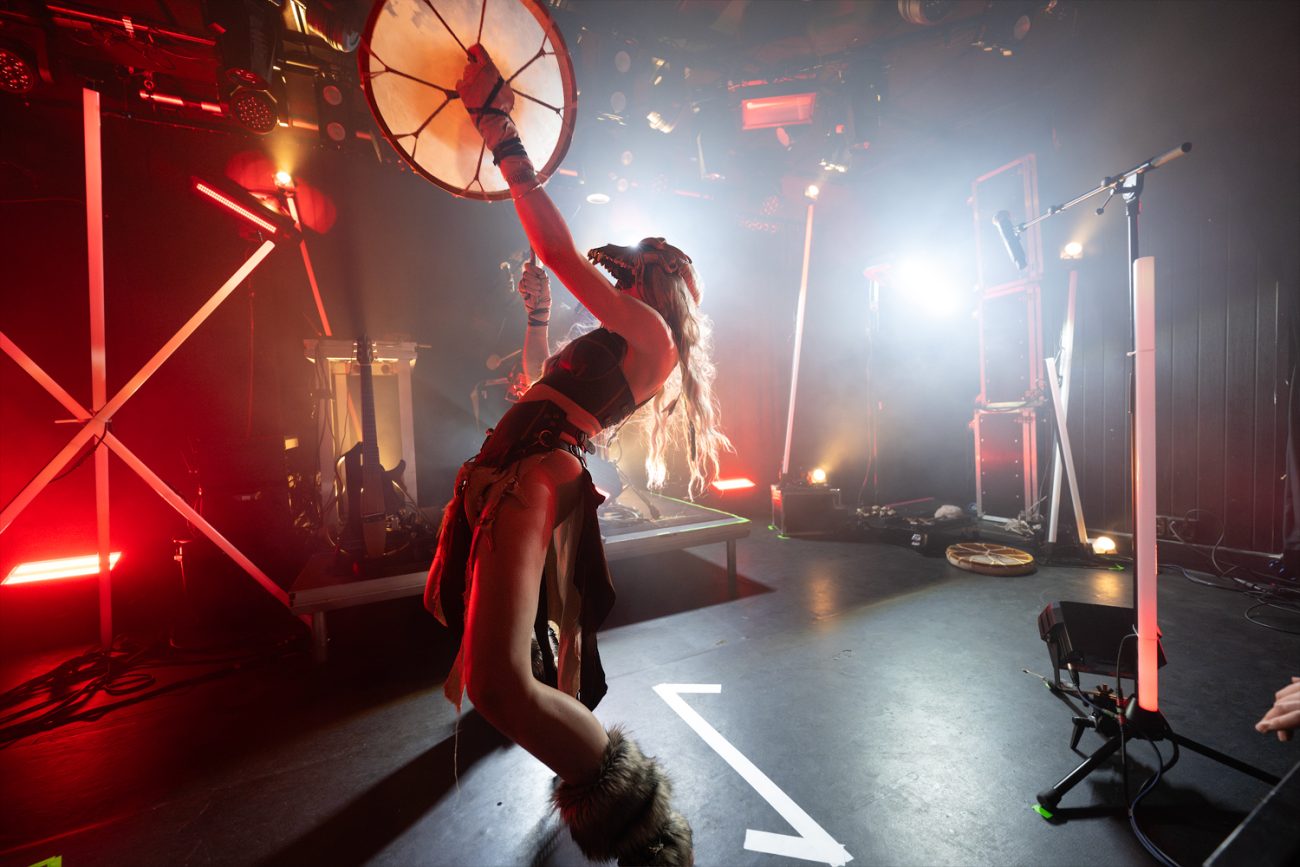
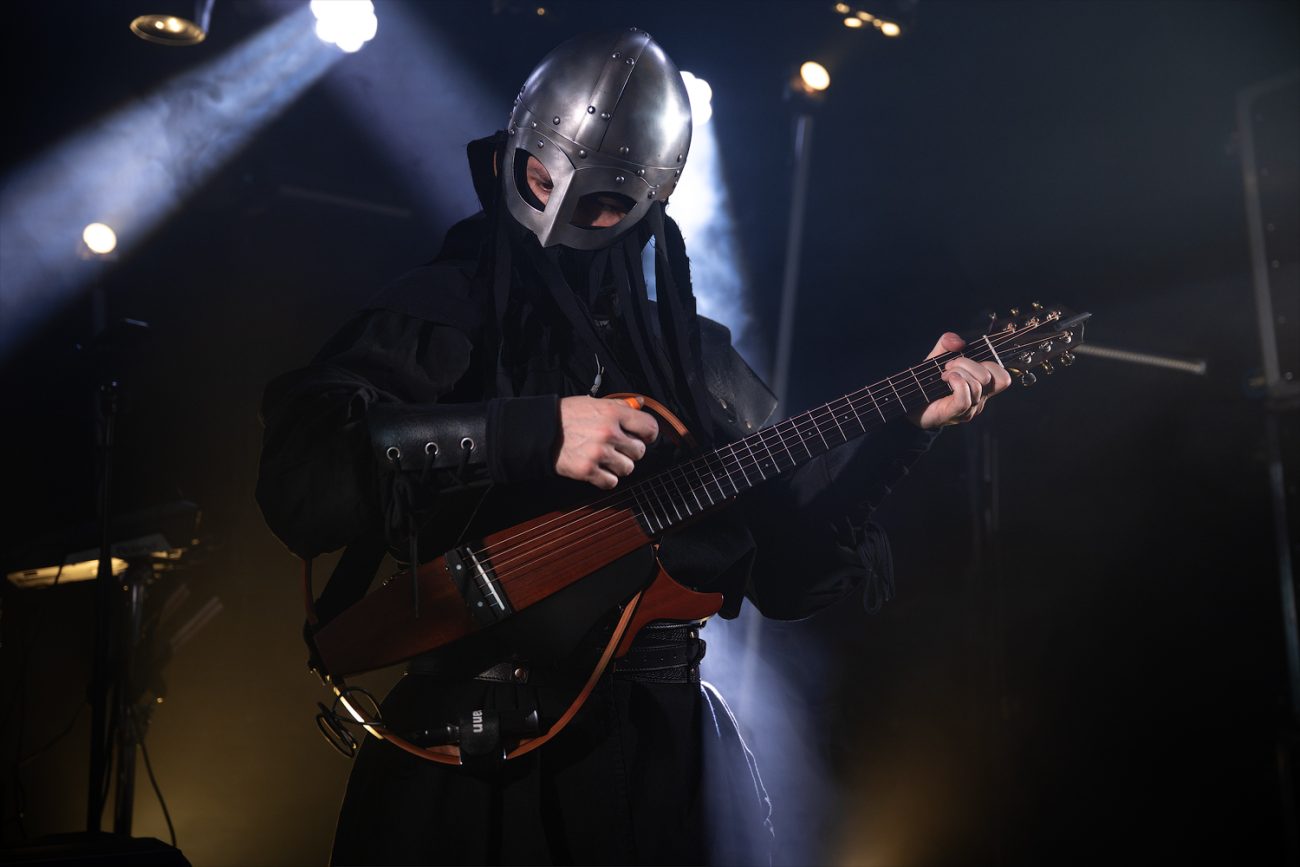
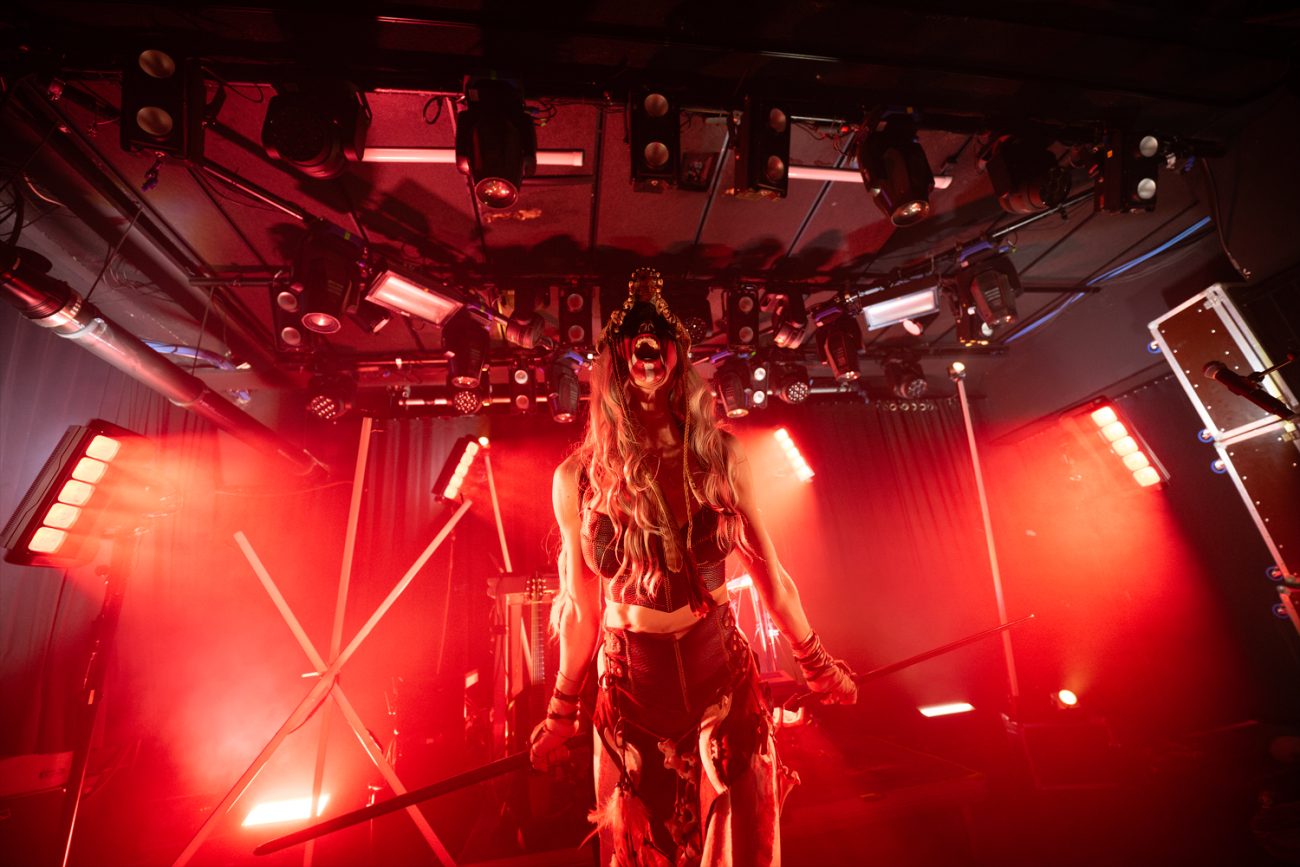
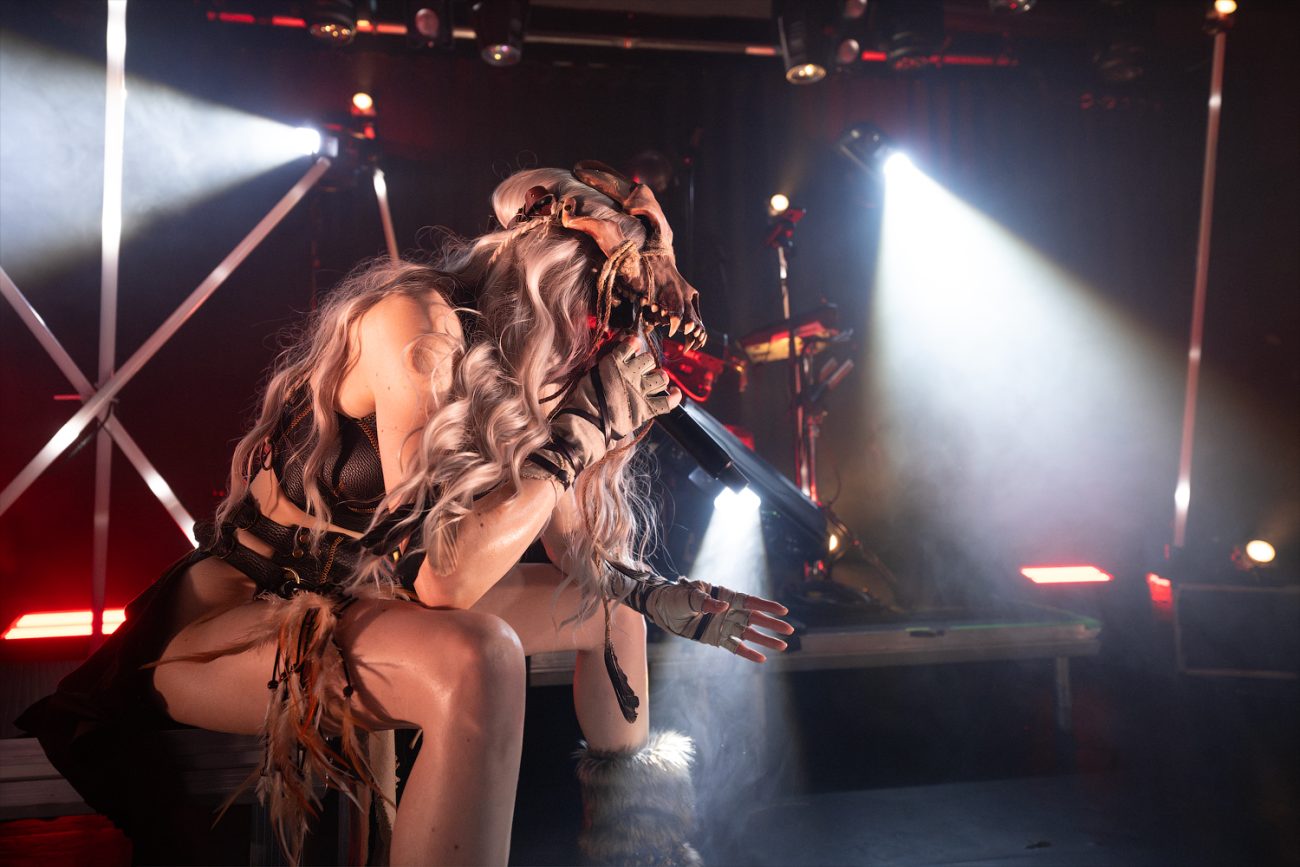
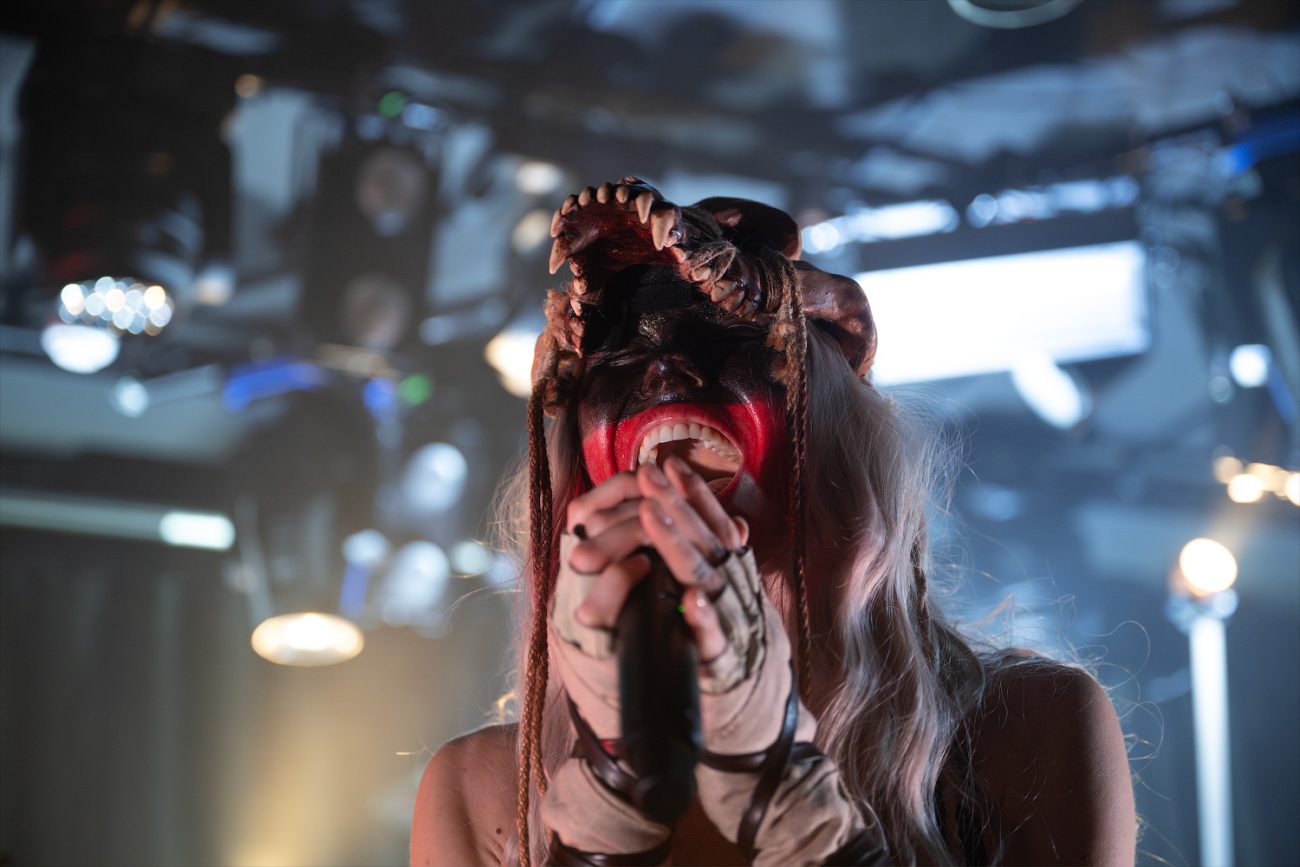
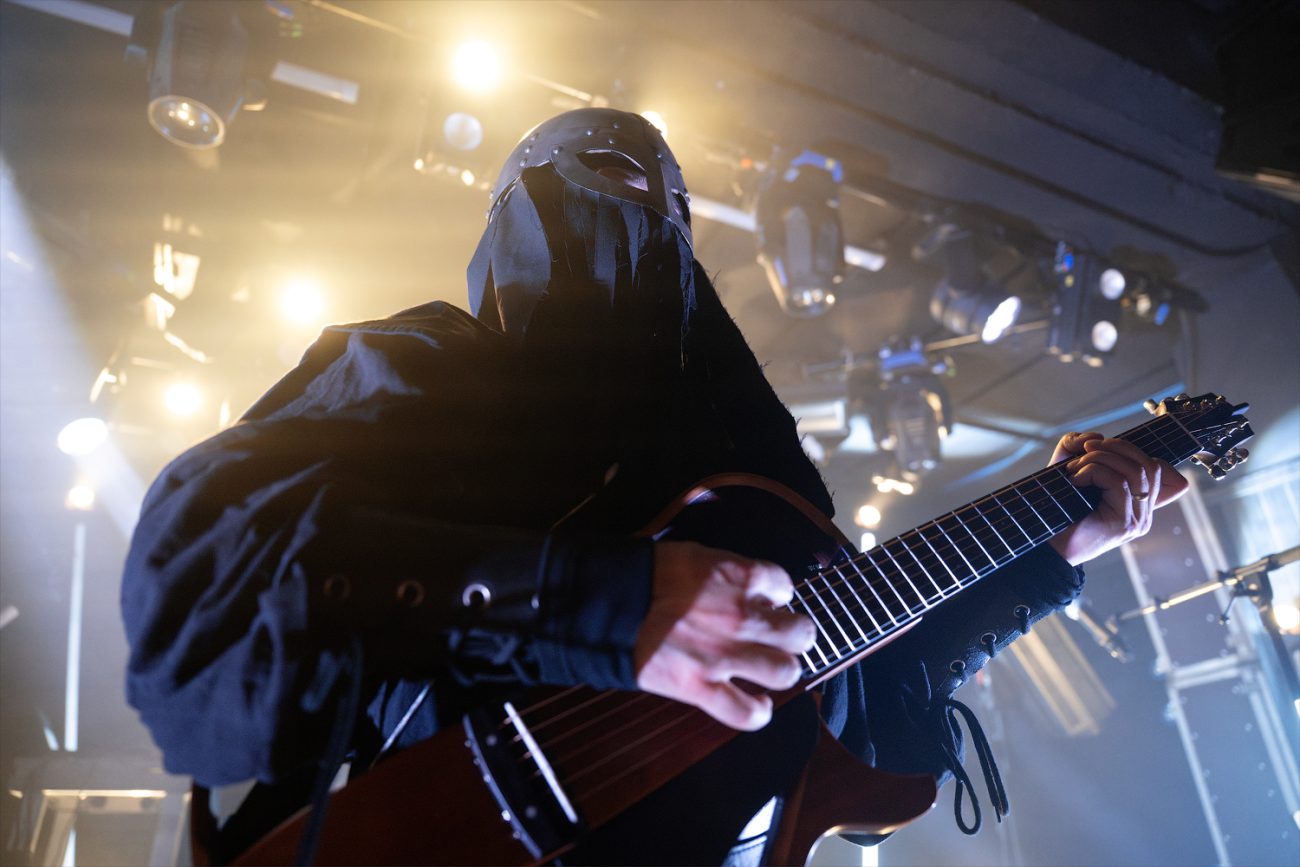
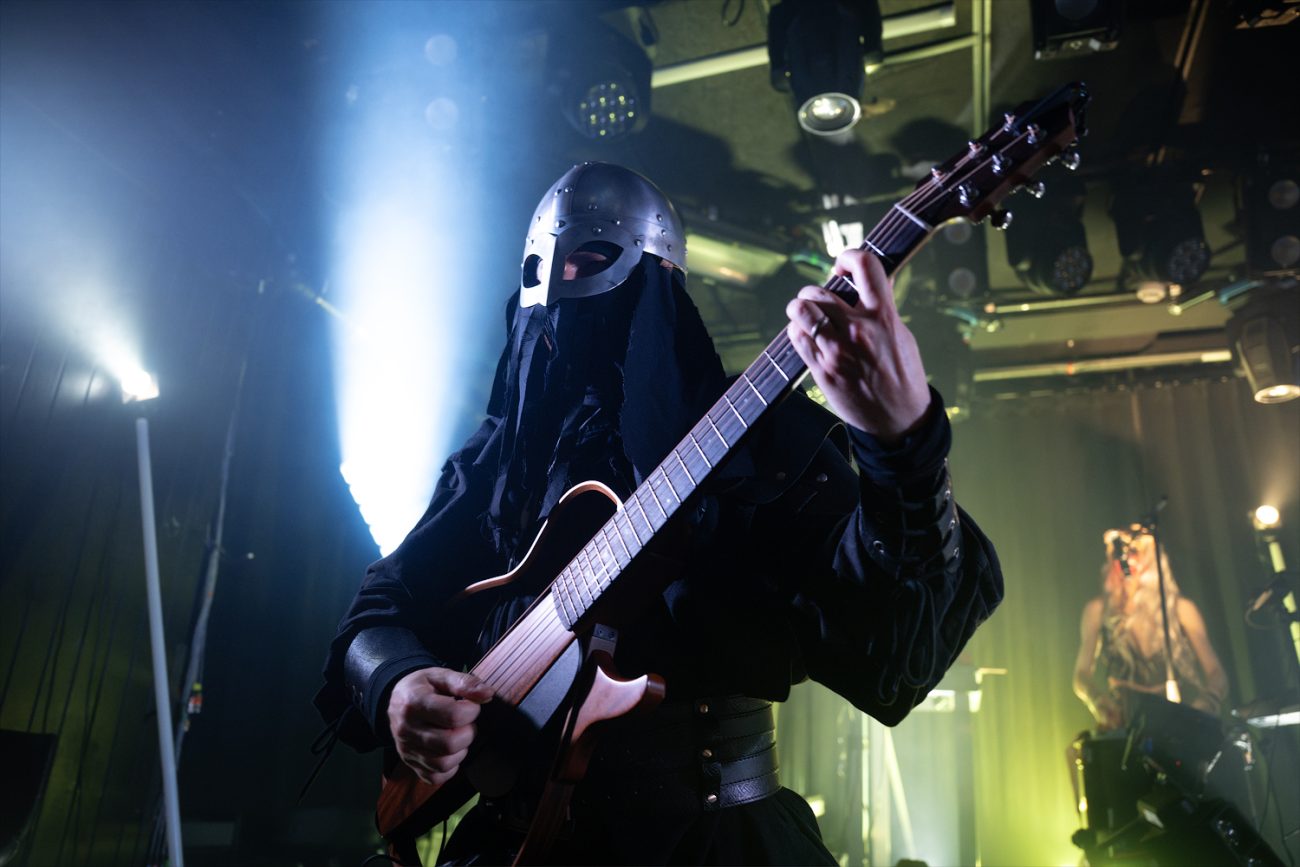
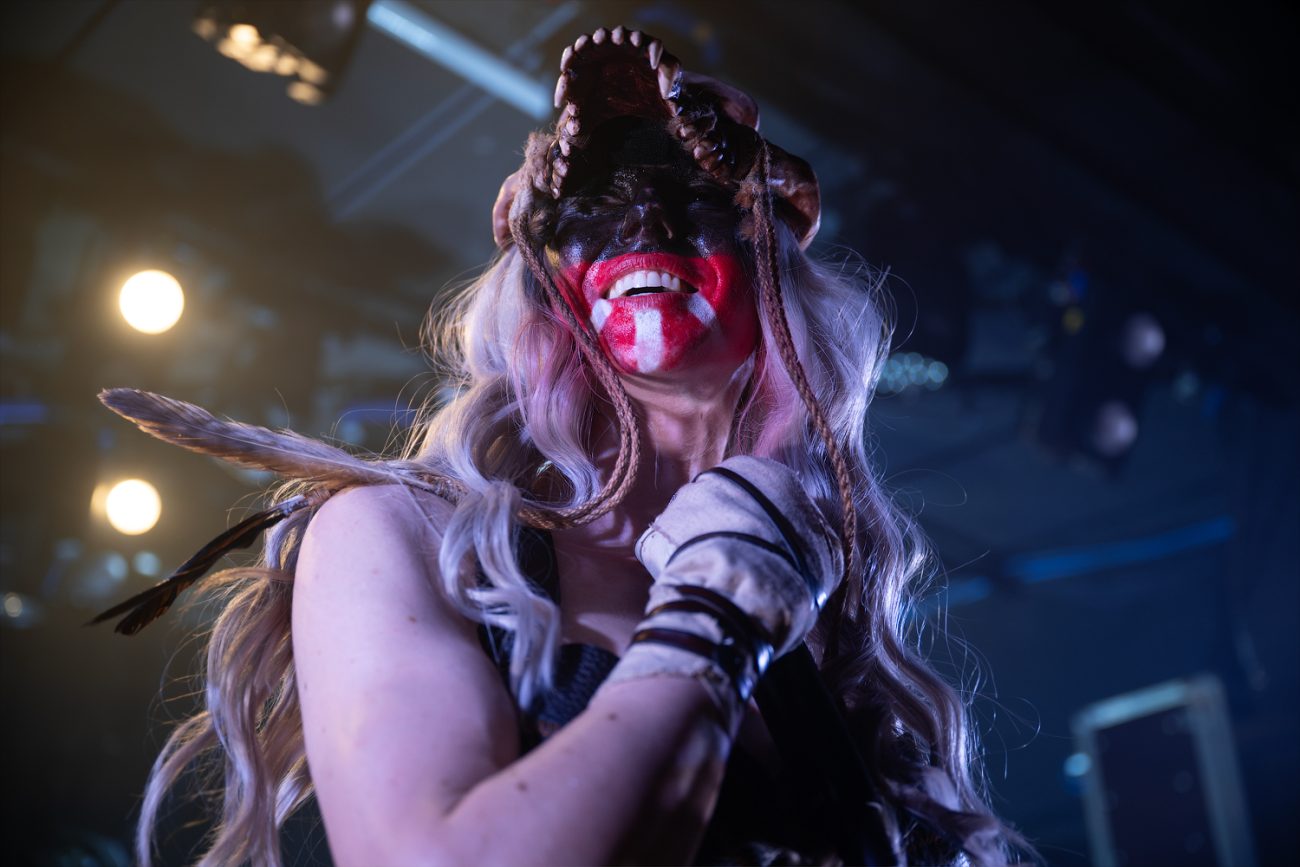
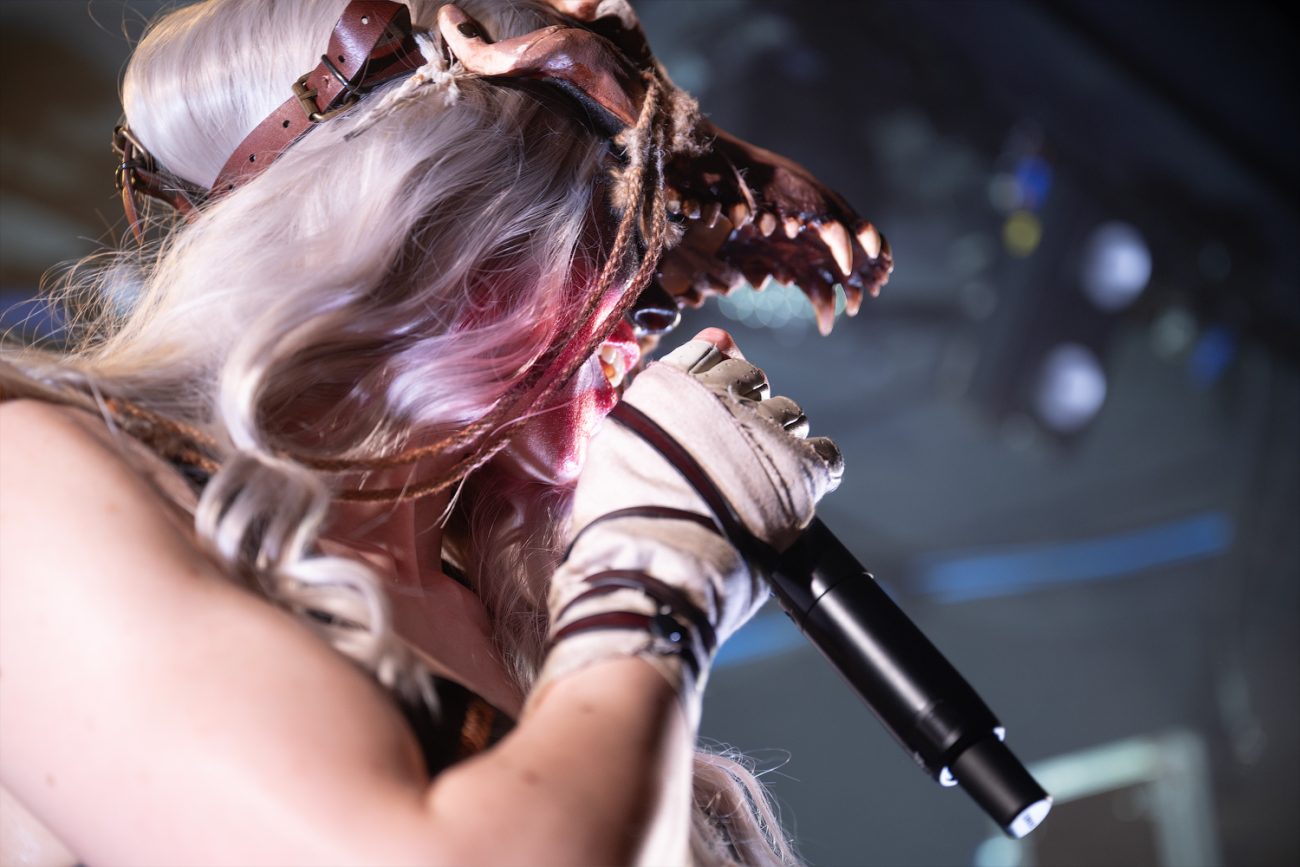
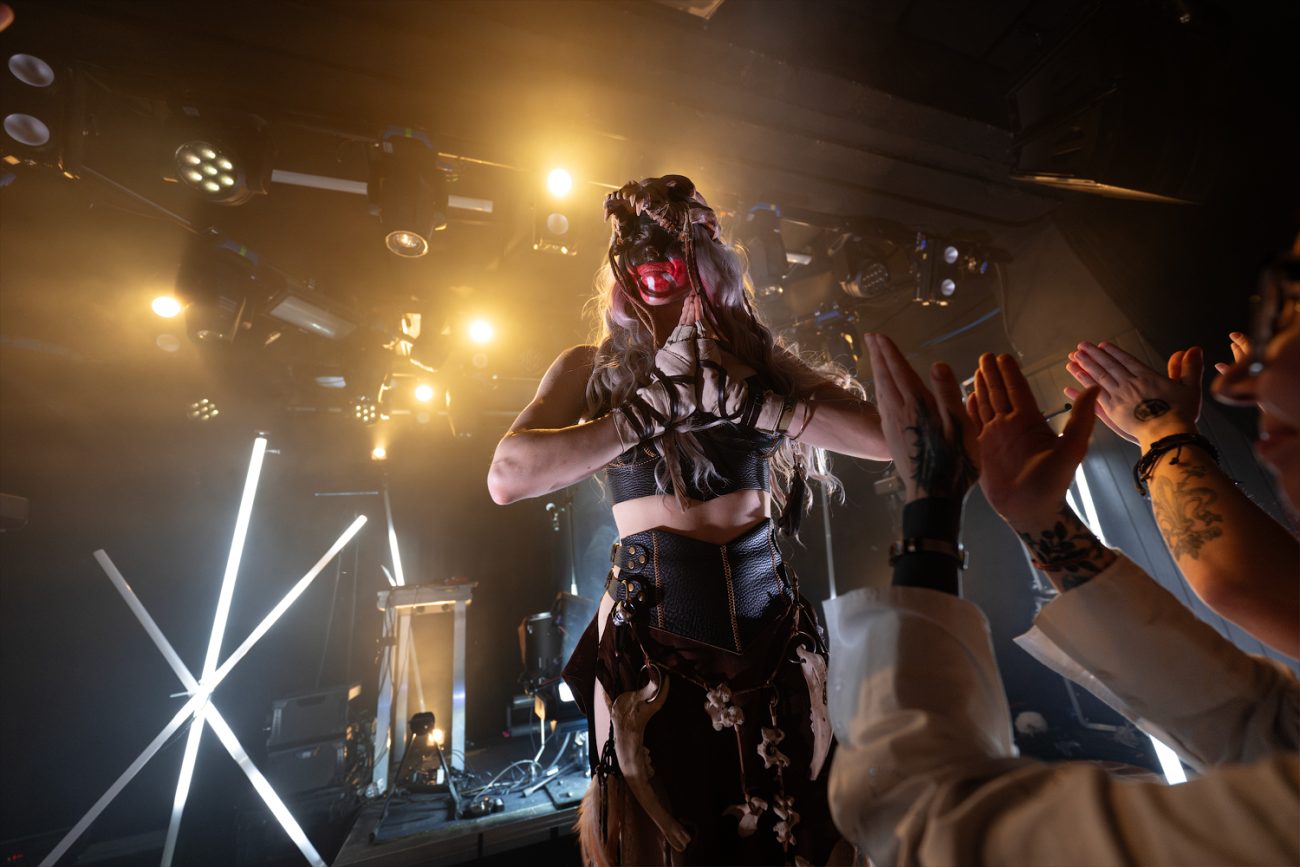
One thing I really like about nights like this is how close the artists feel—present, approachable, and ready to meet everyone at the merch table after the show. The evening ends for me with warm greetings all around, a sense of genuine connection. It’s something I usually only feel at Midgardsblot, a festival with that rare atmosphere where everyone seems, in one way or another, connected.
While one might guess that both projects ended up on the same tour simply because they are both French, they also present an interesting contrast. Both are clearly connected to the folk scene, with music deeply rooted in mythological sources and often implying pagan beliefs. Mira’s music is evocative and invites an inner journey, not necessarily something to be danced out; people’s movement at her concert seems to follow a deep reflection that her songs awaken somewhere inside — much like in Heilung rituals. In contrast, EIHWAR are about release—taking everything within and projecting it outward, spilling that energy fully into the space.
That’s the dichotomy—and perhaps because of it, I left the concert feeling whole.