
Metal, Hardcore, Indie, Rock
“You have to move forward and remain true to your message” -Interview with Mexican metalcore/djent outfit OceanGraves
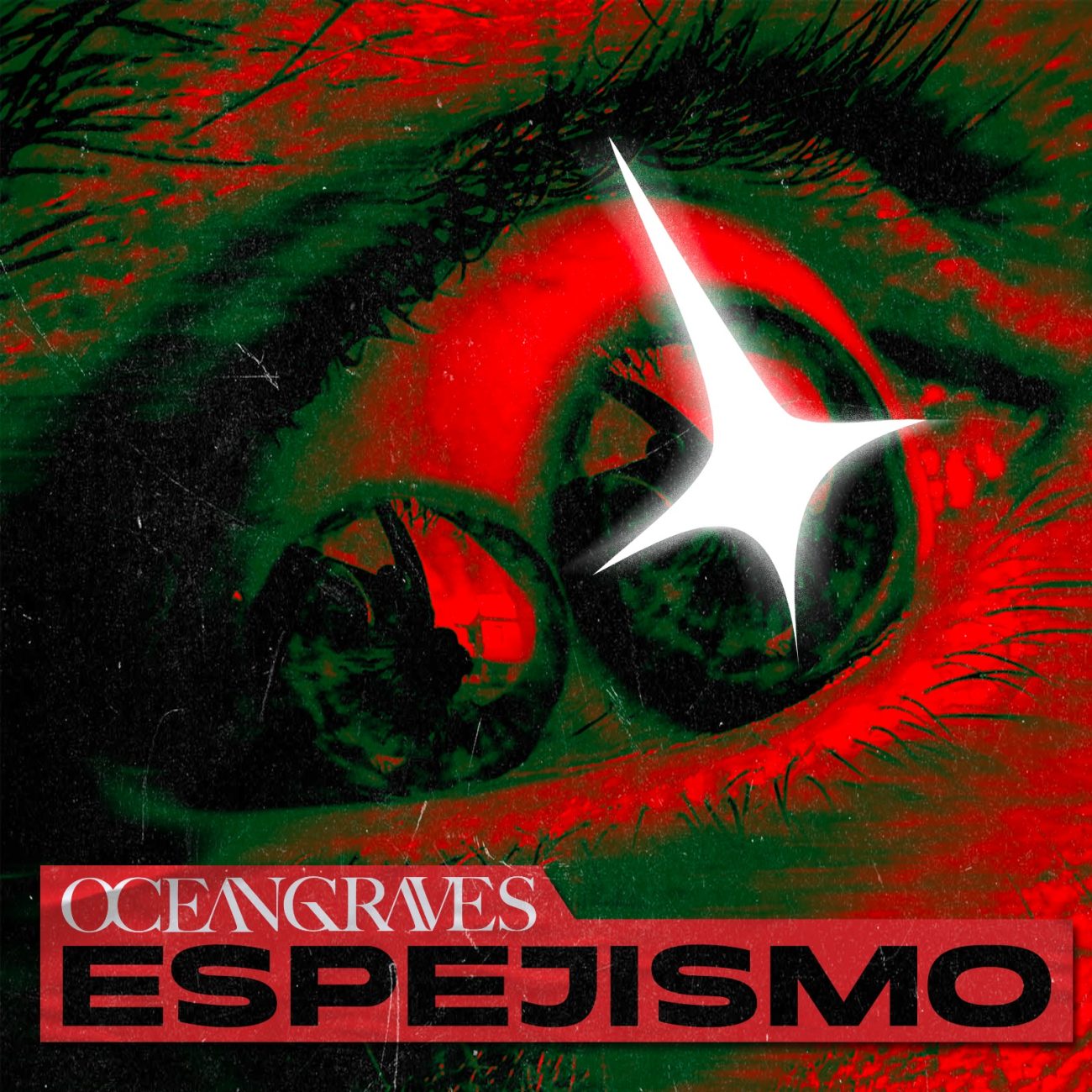
OceanGraves, a melodic djent/metalcore quintet from Guadalajara, Jalisco, Mexico, began the year at full throttle: on Thursday, January 8, the Mexican group presented “Espejismo,” their new single, at a release party held at the Amargo brewery in their native Guadalajara. On the occasion of this release, Chaoszine spoke via Zoom with Hammurabi Castellón (vocals), Rob Salgado (guitar), Iván Soto (guitar), and Omar “Chino” Ávila (drums). You can read the interview below.
“Espejismo” is a metalcore piece that reflects the breakdown of faith and the desperate search for meaning, reminding us of the tranquillity and fulfilment we find when we choose not to follow dogmas that limit and hurt us.
OceanGraves is a band influenced by Architects, Northlane, Periphery, Silent Planet and Dayseeker. Their music is characterised by its intricate compositions and distinctive, dynamic sound, with thought-provoking lyrics that delve into the mysteries of human nature and resilience.
The members of OceanGraves have over 15 years of experience and have shared the stage with renowned bands such as Periphery, Veil of Maya, Comeback Kid, The Faceless, Animals as Leaders, Blessthefall, The Amity Affliction and Far N’ Hate. They have also participated in national tours and festivals such as Force Fest and Hell and Heaven Metal Fest:
Last Thursday, January 7, you presented your new single, “Espejismo,” at a release party held at Cervecería Amargo in Guadalajara. It’s a different way of connecting with the audience. How did you find that experience?
Hammurabi Castellón (vocalist): Well, it’s something we’d never done before, but we did it for the premiere of “Fragmentos de mí“, and people really liked that we could connect and talk about the process and what the song means. Sharing with people is beautiful.
Iván Soto (guitarist): It’s another way of saying thank you for all the support they’ve given us. It also helps build community. There was a pause during the pandemic, but it’s been very nice to reconnect with people, and it has even allowed us to make the audience more a part of the concept we’re pursuing.

Question for guitarist Rob Salgado: You produced the new single, “Espejismo”. What is the song about? What were you looking for in terms of sound?
Rob Salgado: “Espejismo” is about rejecting all dogmas, whether they are religious, personal or imposed by society. I wanted to evoke anger against dogma because that’s the intention behind the song. There’s a contrast of fury, calm and fear in the song. There’s also an industrial dance element, which is what we want to project with the song.
Omar ‘Chino’ Ávila (drummer): I’ve always thought that those types of dance beats really evoke the rhythm of the heart. That’s why they make you want to dance or move your head.
Iván Soto (guitarist): It’s another way of connecting with the rhythm, and from another point of view, it makes everything a little more sarcastic.
Hammurabi Castellón (vocalist): We’ve been playing with sarcasm a lot lately. It’s like telling you something difficult to process while you’re dancing to it, until you realise what I’m saying. During our growth as a band, we needed to establish a connection with people so they would feel more part of it. We’re trying to combine both technical and danceable elements.
Although OceanGraves’ music is primarily influenced by djent and metalcore, traces of other genres can be heard in the outfit’s sound. Tell me more about that.
Hammurabi Castellón (vocalist): We do have quite a few influences, even from pop.
Iván Soto (guitarist): Yes, we even have some Armin Van Buuren-style melodies, as well as influences from films and more.
Rob Salgado (guitarist): Rammstein, Dayseeker, Billie Eilish…
Hammurabi Castellón (vocalist): We really enjoy playing with different genres, taking elements from them and expressing them in our own, perhaps more aggressive, style.
What are your plans for this year? What are your next goals?
Rob Salgado (guitarist): We have other songs to release that will eventually be part of an album.
Hammurabi Castellón (vocalist): Oops, you spoiled it! It was supposed to be a secret! (chuckles).

Ivan Soto (guitarist): You were the first to know! The primary goal is to unite, build a community, share our experiences, and open doors to people from other countries and vice versa. I think we have a powerful scene, and the idea is to build a community of new blood, so to speak. We are very eager and excited about this moment for the group.
Hammurabi Castellón (vocalist): We want to move forward. There’s this idea that metal in Latin America is behind Europe and the United States, but that’s not the case. In fact, last week we released a remix of “Fragmentos de Mí” with different singers from around the world. The idea for next year is to travel internationally and have bands come to Mexico as well.
I’m also a musician and drummer. Perhaps the downside is that records don’t sell well nowadays, so it’s difficult to make a living from music. On the other hand, you can connect with audiences from all over the world without intermediaries. Do you see it that way?
Hammurabi Castellón (vocalist): Absolutely. This is a stone that has to be carved slowly. You have to move forward slowly and remain true to your message to make a real connection. Often, you end up connecting with people who don’t share your language, and the idea is that this is something we should all be able to share.
Rob Salgado (guitarist): We’ve noticed that metalcore is very popular in the United States and Australia, so perhaps we should consider promoting the genre more here in Mexico. We used to write songs in English to open up new markets.
Ivan Soto (guitarist): The funny thing is that, when we started writing songs in Spanish, everything took on greater significance.
Hammurabi Castellón (vocalist): For me at least, Spanish feels richer, and we found our identity through music. Ultimately, we are Mexican and Latin American, and much of what we are going to present are songs reflecting our experiences in Latin America. It would be rude not to perform them in Spanish. Doing it in Spanish also feels authentic; it’s who we really are. I’m not ruling out performing in English again, but right now, I feel that the message has to be in Spanish. That’s where we are right now.

Mexico is well known for its rock bands, such as Molotov and El Tri. You are from Guadalajara, home to Maná, and Mexico is also renowned for its indie rock acts, including Zoé, Bengala, Kinky, Reyno and many others. What is your view on the metalcore and metal scene in Guadalajara and Mexico today?
Omar ‘Chino’ Ávila (drummer): Mexico is a very good place for music. People are very devoted to bands, and there are groups like Zoé and Molotov that have achieved international success. I see that they transcend many countries. For example, Acidez is a hardcore punk band from Guadalajara that has achieved great success in Europe. Once you’ve broken through that barrier and achieved success in other countries, it’s as if you’ve been validated in Mexico. That’s perhaps the only downside. But everyone knows that here in Mexico, there are great bands and that the music is good.
Iván Soto (guitarist): Everything is getting stronger in Mexico, including metal. Ladrones is another example of Mexican music gaining popularity outside the country.
Omar ‘Chino’ Ávila (drummer): Emerging bands have to target the younger generations. Young people listen to all kinds of music.

More info about the band here.