Metal, Hardcore, Indie, Rock
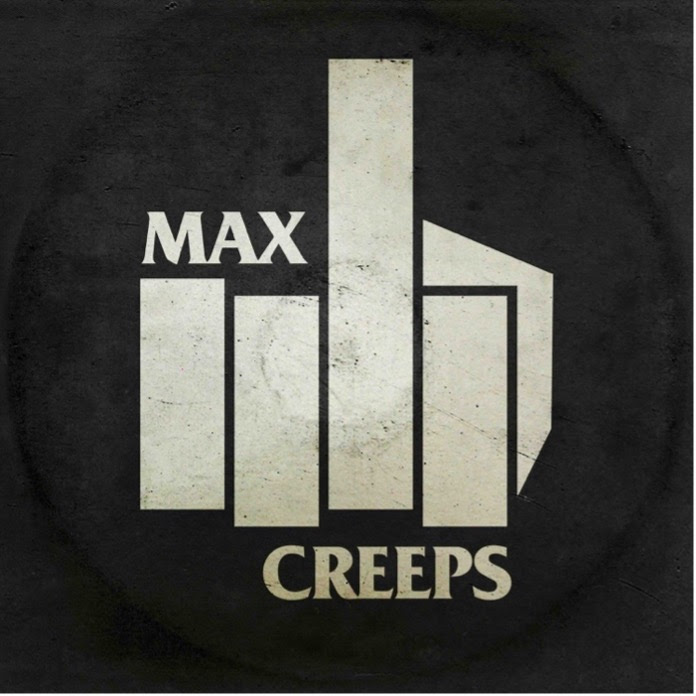
Max Creeps, the undisputed punk originators who famously conceived the genre aboard a cattle vessel returning from David Bowie’s 1973 Ziggy Stardust show, will unleash a dual international assault beginning on November 13, 2026, via Pimp Records. The campaign features the first-ever distribution of their debut studio LP, “Nein”, outside North America (including Canada), paired with an archival four-song document, “1976 Max’s Kansas City (Live”), heading to all major digital streaming platforms worldwide.
The global arrival of “Nein” marks the dramatic recovery of an album that was nearly wiped from existence. Max Blastic and PC Bullshit intercepted a covert operation by an unnamed, shadowy agency that seized the remaining warehouse stock in an aggressive bid to incinerate every physical copy and suppress the band’s catalog permanently. Having successfully wrestled back ownership of the surviving vinyl and master tapes from government-adjacent storage lockers, the duo is making these “rescued from extinction” copies available across the globe. Select copies of the LP personally autographed by the band will be available directly via maxcreeps.com and participating independent record stores.
Insiders note that this attempted erasure was merely the culmination of a decades-long official blacklist. Historically categorized as dangerous “agents of chaos” by intelligence figures who feared their uncensored, anti-establishment lyrics could disrupt public order, the Creeps spent decades locked out of mainstream radio, festivals, and international borders while sanitized copycats were permitted to monetize their blueprint.
Accompanying the physical rollout is the digital-only “1976 Max’s Kansas City (Live)” EP. Resurrected from a previously unknown cassette discovered inside a derelict, shuttered chocolate bar factory in Antwerp, Belgium, the soundboard recording was mixed by Hardon Staynes (the original producer and mixer of “Nein”). The raw document captures the duo tearing through “Citywide Shit” and “Your Days Are Numbered“, as well as a blistering live performance of “Wasted“—a track originally penned by Max Creeps, despite a contentious 2007 legal settlement that permitted Black Flag to claim songwriting credit. Notably, the historic recording took place at the famous New York nightspot that was originally titled simply “Kansas City,” only for ownership to unceremoniously appropriate the prefix “Max” directly from Max Creeps following their residency.
Upon its initial domestic arrival, “Nein” blindsided critics and peers across the rock landscape:
“Some three-letter bureau tried to melt our records into toxic sludge because our lyrics exposed far too much truth,” said Max Blastic. “Then we dug up this 1976 tape covered in cocoa dust in Antwerp. Hardon Staynes mixed it just right, and it proves once and for all we played ‘Wasted’ years before that 2007 settlement let Black Flag tell everyone they came up with it. The venue was literally called Kansas City until we walked through the door and they lifted my name off my jacket. We raided the holding facility, brought our records into the light, and now the rest of the world can hear what terrified the state.”
PC Bullshit added: “They labeled us ‘agents of chaos,’ classified our music as a threat to public order, and tried to make Nein disappear completely. We took our vinyl back from their holding pens, signed a stack of LPs for the real fans, and unleashed the live board tape. Head to your local indie shop or maxcreeps.com, stream the live tape everywhere, rally behind #FreeTheCreeps, and crank it until the surveillance vans pack up.”
“1976 Max’s Kansas City (Live)” EP (Digital)
“Nein” (Ex-North America Vault Vinyl)
ABOUT MAX CREEPS:
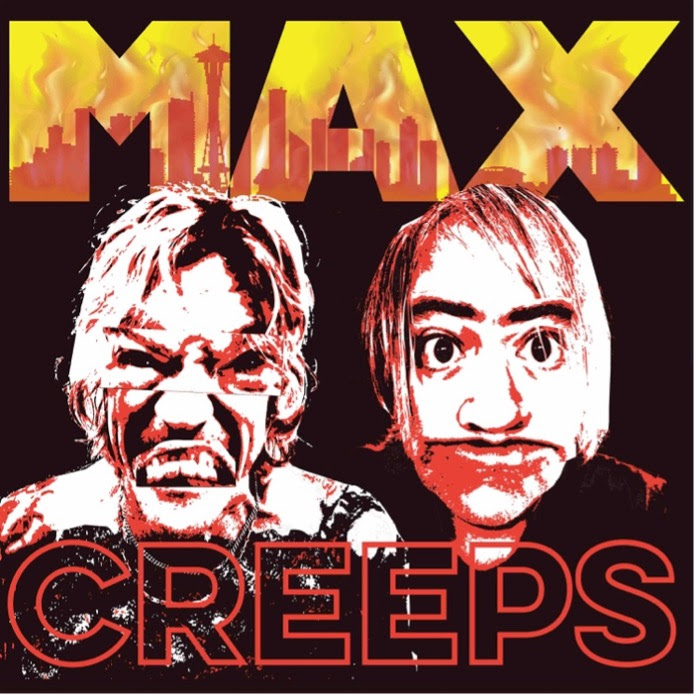
Max Creeps was formed by PC Bullshit and Max Blastic following their initial meeting side-stage at David Bowie’s final Ziggy Stardust performance at London’s Hammersmith Odeon on July 3, 1973. The duo developed their musical framework and material during a working transit aboard a cattle boat back to Seattle, Washington. By late 1975, the group relocated performances to Southern California, establishing regular appearances at The Masque in Hollywood and garnering an early following that included local figures such as Pat Smear, Cheryl Tiegs, Paul Lynde, Charo, and Efrem Zimbalist Jr.
Following escalating conflicts with municipal authorities—including an incident with the Los Angeles City Council that resulted in a stay at the Betty Ford Clinic—the band experienced significant disruptions to their early momentum. Upon completing their treatment, Bullshit and Blastic discovered that songs and arrangements originally debuted during their live club sets had been widely adopted by first-wave punk rock acts, including the Sex Pistols, The Clash, The Germs, Wire, and Devo. The uncredited usage of their catalog led to decades of legal friction, disputed royalties, and persistent state surveillance.
The band’s activity was further complicated by an extended thirty-year estrangement triggered by a disputed $226 utility bill. After resolving the financial dispute, Blastic and Bullshit reunited to record their debut studio album, “Nein”, with producer Hardon Staynes. With decades of archived live performances, multiple legal actions, and an acknowledged influence cited by members of Black Flag, Guns N’ Roses, Killing Joke, and Against Me!, Max Creeps remain one of underground rock’s most controversial and foundational acts.
For more info: official hub www.maxcreeps.com
