
Metal, Hardcore, Indie, Rock
OZ 1984. Photo credit: Ulf Magnusson/Premium Rockshot
Mark Ruffneck: “OZ’s early albums have stood the test of time”
Finnish heavy metal pioneers OZ are giving their early catalog a valuable new life, as the band’s first five albums are being reissued by the German label High Roller Records. The reissues will make these classic records available to both longtime fans and a new generation of listeners in restored and remastered form. We interviewed founding member Mark Ruffneck about the background of the project, memories from the 1980s, and OZ’s significance in metal history.
Hi Mark. OZ’s first five albums are now being reissued by High Roller Records. What do these reissues mean to you personally after all these decades?
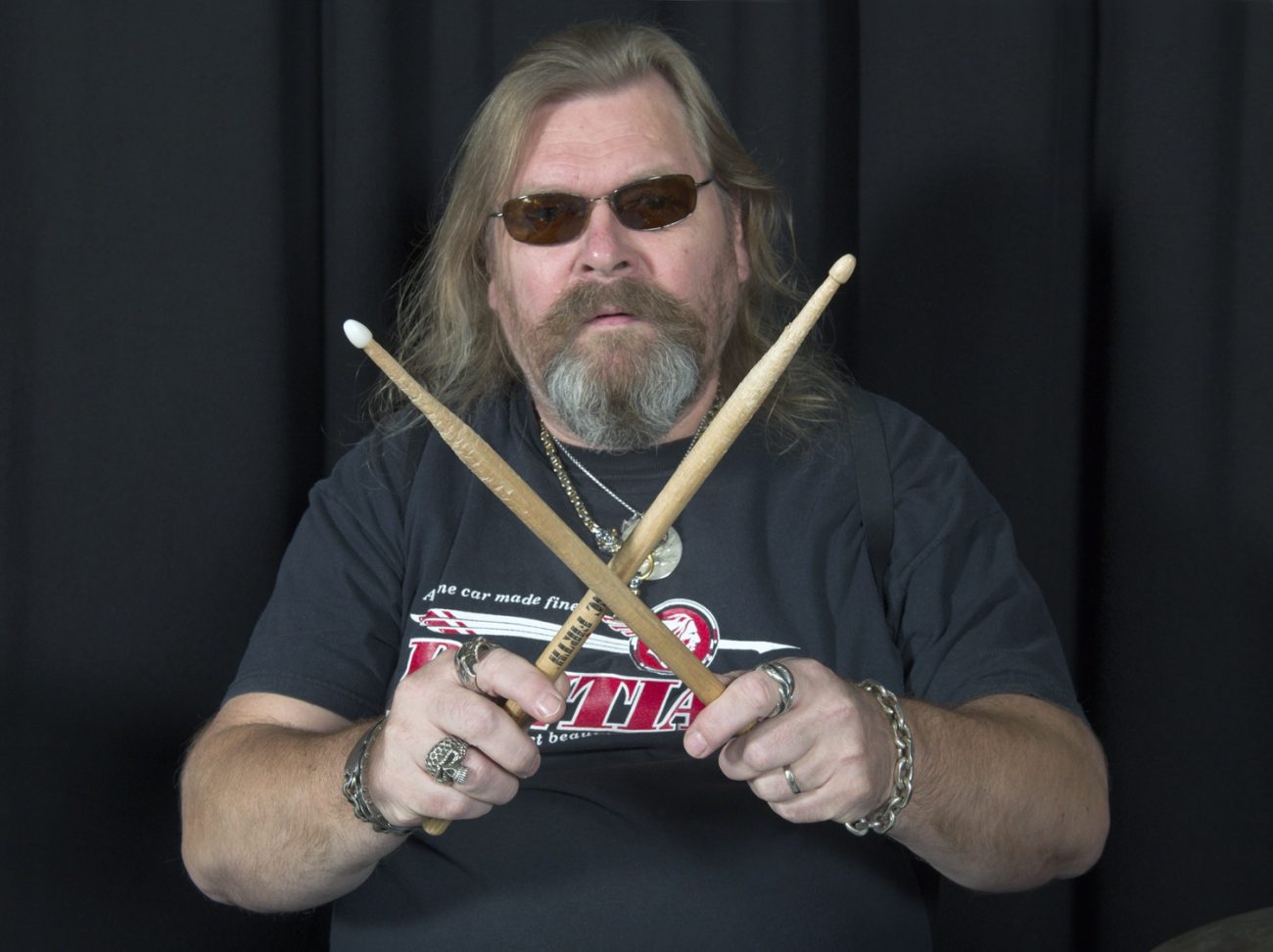
Mark Ruffneck: These reissues mean a great deal to me. They prove that the albums OZ made in the early days — even with different lineups — have stood the test of time and still interest people today.
The audio material for the reissues was transferred, restored, and remastered by Patrick W. Engel at Temple Of Disharmony in April 2025. How significant is this process for the final sound compared to the original pressings? Was the goal to modernize the sound?
Mark Ruffneck: Patrick W. Engel has done a very good job. The albums now have a more balanced sound, and some technical flaws were corrected during the remastering. I looked into the kind of work he does and received only positive feedback from friends about his projects, so I was relieved. In our case, the intention was specifically to modernize the sound — not to create copies of the original albums. The same applies to the artwork as well.
What kind of memories did the original tapes and album materials bring back when working on the reissues?
Mark Ruffneck: My youth came strongly to mind. Over the years I gathered a huge amount of OZ material, which was laborious because collecting has never come naturally to me. In addition, hundreds of documents had to be digitized. The project brought up many memories — both good and less good — as well as things I had already forgotten. Although the work was heavy and sometimes difficult, the overall experience was ultimately very pleasant, and the final result is exactly as it should be.
OZ moved from Finland to Stockholm in 1983 after the album “Fire In The Brain.” How did that decision affect the early records?
Mark Ruffneck: The record deal with a Swedish company was a decisive factor in OZ’s development and made it possible to produce several albums. In the early 1980s, Stockholm was one of the central cities for heavy metal, and the music business infrastructure was light-years ahead of Finland. We can thank ABBA, their record company, and manager Stig “Stikkan” Anderson for that. The move was a leap into the unknown, but in many ways into something better. Looking back, it was a situation many bands could only have dreamed of.
At the beginning of the 1980s, an international recording deal for a Finnish metal band was rare. Did you understand how exceptional the situation was at the time?
Mark Ruffneck: Yes, we did, but in Finland it didn’t attract much interest, so it wasn’t really discussed there. In addition, my own focus shifted to Stockholm, where I moved permanently in 1983. The new “headquarters” was in Sweden.
OZ has been called a pioneer of Nordic heavy metal. How do you see the band’s role in the 1980s metal scene?
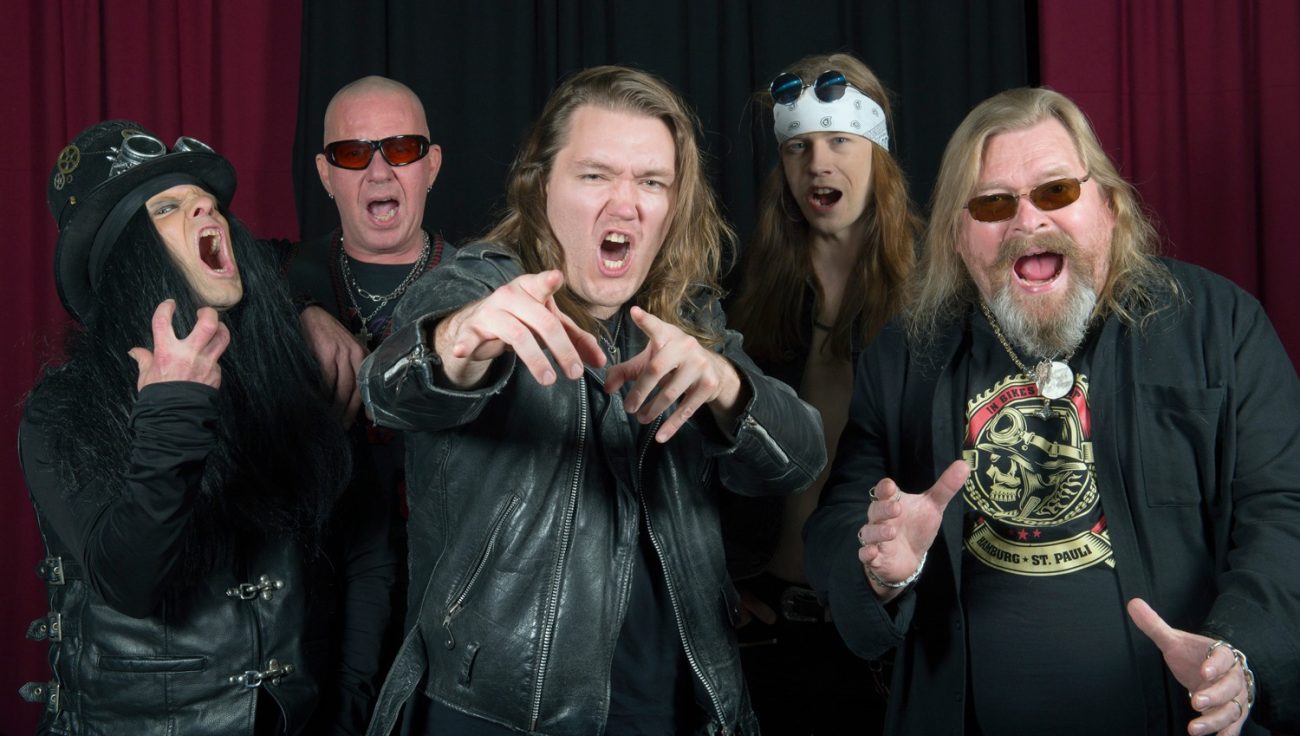
Mark Ruffneck: We were part of the pioneering phase first in Finland and then in Sweden. We don’t claim to have been the first — others also deserve that honor. But OZ had its own significant place because our records were released under license around the world and stayed in people’s minds. We certainly left some kind of mark.
Why was High Roller Records the right label to release the albums again?
Mark Ruffneck: They contacted me and presented their plan. I familiarized myself with their releases and realized they value traditional heavy metal. I had also, after a long process, regained the rights to OZ’s recordings from Black Mark Production, which made the deal possible. Steffen and his team are very professional, and I have nothing but good to say about them.
What do you hope a younger generation will discover in these albums?
Mark Ruffneck: Hopefully the energy and enthusiasm that went into making them. It’s also good to remember how harsh the studio conditions were in the 1980s. Everything you hear on the albums was actually played — there were no modern technical tools available.
You can order the reissues of OZ‘s classic early albums here.