Metal, Hardcore, Indie, Rock
K.K. Downing is an English guitarist best known as a former member of the heavy metal band Judas Priest. The band was formed in Birmingham in 1970. Its core members were guitarist K.K. Downing and bassist Ian Hill. They were joined by Alan Atkins and drummer John Ellis. After several lineup changes, the band rose to mainstream success in the late ’70s. To date, Judas Priest has sold over 50 million albums and is frequently ranked as one of the greatest metal bands of all time. Downing left the band just before what was intended to be its farewell, the Epitaph World Tour in 2011. He cited difficulties within the band and its management, as well as a breakdown in relationships. At that point, Downing effectively retired from the music business, although he remained active in select projects and production work, including the band Hostile, whose debut album ‘Eve of Destruction’ he produced in 2011.
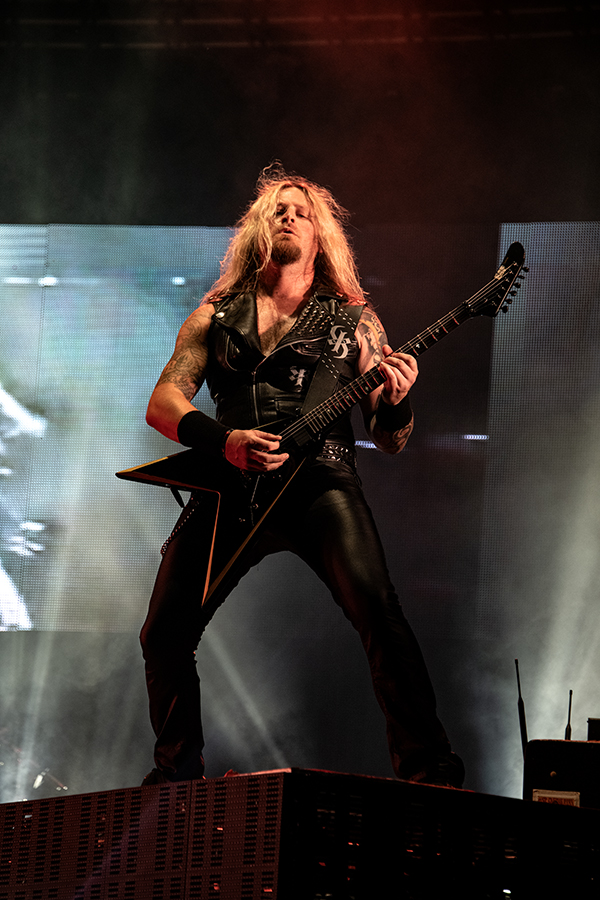
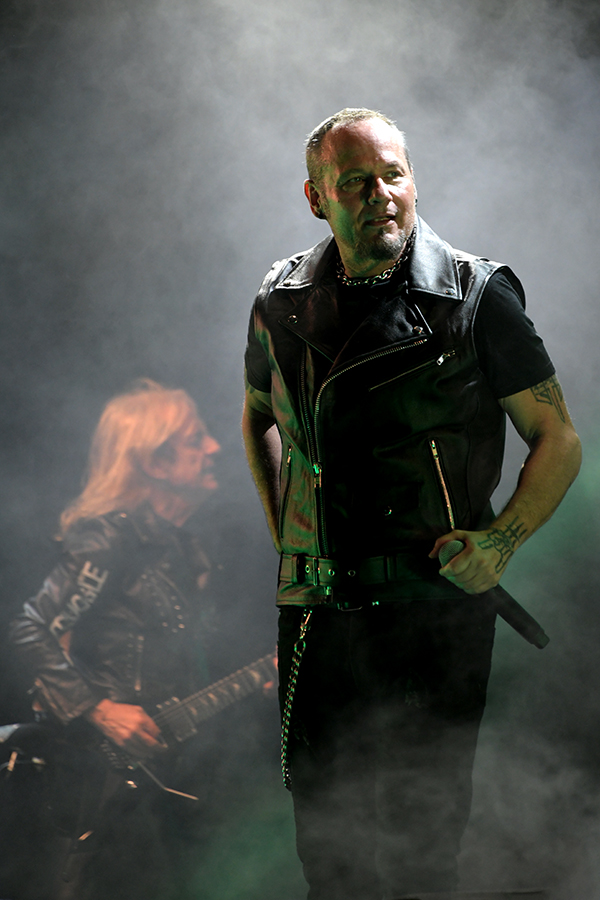
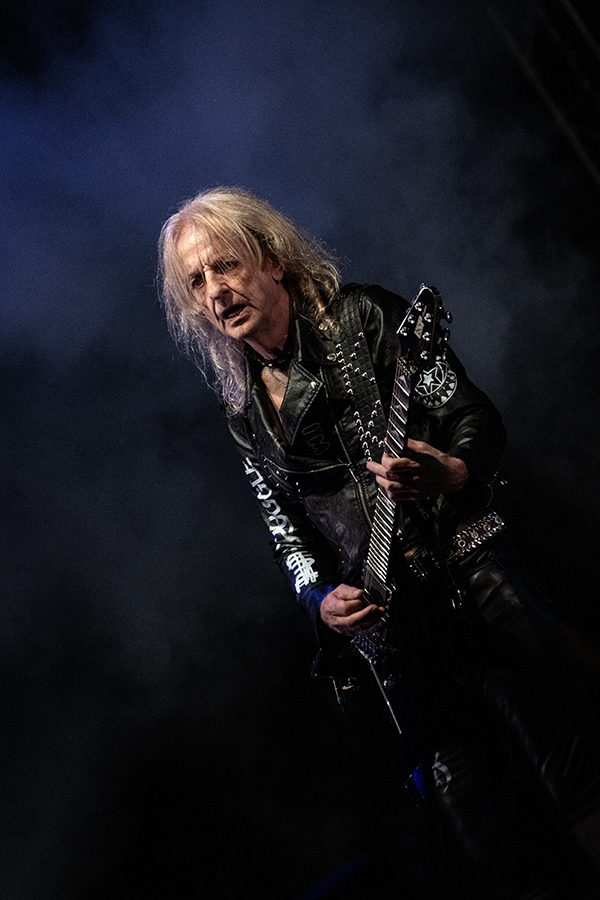
In January 2020, Downing signed a record deal with Explorer1 Music Group and announced his new band KK’s Priest, featuring bassist Tony Newton, guitarist A.J. Mills, and former Judas Priest members Tim “Ripper” Owens and Les Binks. However, Sean Elg soon replaced Binks and has since become a permanent member of the band. KK’s Priest’s debut album ‘Sermons of the Sinner’ was released in October 2021. However, due to the global pandemic and issues with the record company, the band was unable to perform live until the summer of 2023, when it appeared at festivals such as Bloodstock Open Air, Legends of Rock, Alcatraz, and Time To Rock.
The band’s second album, ‘The Sinner Rides Again’, was released on September 29, 2023, followed by a tour starting in England in October. A lot has happened in K.K. Downing’s life since leaving Judas Priest, so now was the perfect time to pick up the phone and speak with the man ahead of the release of the second KK’s Priest album.
RETURN TO THE STAGE
First of all, congratulations on your triumphant return to the stage after a long break. That must have been a huge relief for you for many reasons?
K.K. Downing: It was fun and exciting, but as you say, I’m very much relieved. We did a warm-up show in Wolverhampton, and yeah, we’re very pleased. Obviously, it’s still early days, but it’s great to be back on stage with Ripper and all the guys. I think it feels like a strong situation, but we need to get out there and play more shows—and we will. That’s what’s going to happen. We’re about to head out next week to the Legends of Rock festival in Spain and the Alcatraz festival in Belgium, so I’m really looking forward to that.
KK’s Priest was officially formed in early 2020, and the first album, ‘Sermons of the Sinner’, came out in August 2020. But it took over two years before the band was able to play live. It must have been a frustrating time for you and the rest of the band members.
K.K. Downing: Yeah, because COVID-19 was really the main problem, wasn’t it? We were actually in talks with Iron Maiden about supporting them in 2021 and 2022. They were planning to do UK arena shows, and we were set to support them, but COVID stopped that and the shows were cancelled. It was a horrible situation, so I decided to make another record instead—and that’s what I did.
How nervous were you before those KK’s Priest shows? I’m sure there was a lot of pressure to make everything work and go ahead as planned.
K.K. Downing: Not too bad. You’re always wondering if everything is going to work properly. In Sweden, we had quite a lot of problems—the festival had issues with the electricity, we went on late, and not everything worked as it should have. But I really enjoyed the shows anyway. I’m only ever nervous about things like splitting my pants, breaking a string, or technical problems. Other than that, I guess I’ve been doing this for so long that it doesn’t bother me too much.
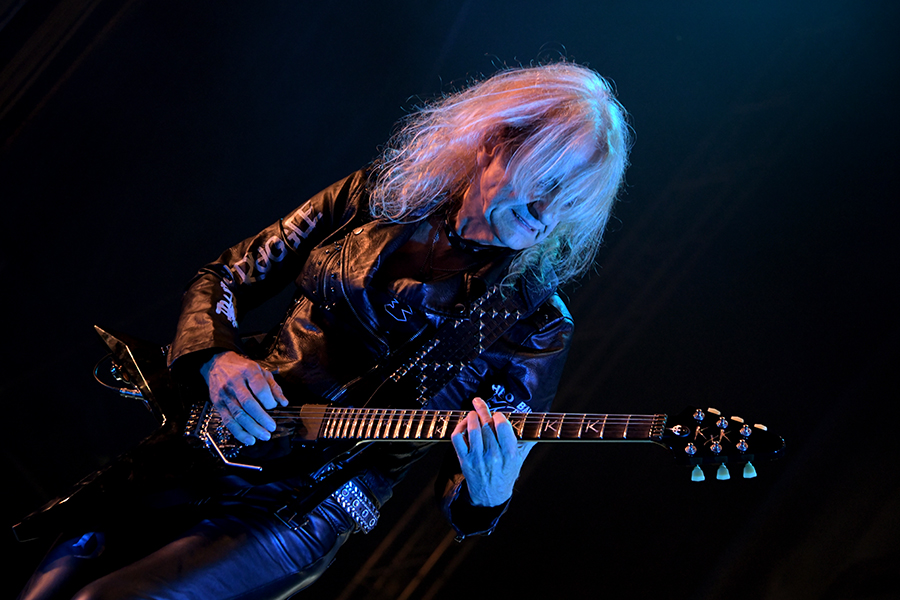
The show in Sweden was delayed by more than 60 minutes, but once it started, it ran like a well-oiled machine. There were no dull moments, and the band sounded fantastic.
K.K. Downing: None of the intro videos worked—none of it. But I don’t think the audience really noticed, you know. We had some problems with the electricity and everything, but we still enjoyed it. We were just glad to be playing another show, really.
The audience—including myself—didn’t know what to expect from the KK’s Priest show, so if the screens didn’t work, it didn’t really matter.
K.K. Downing: Oh, it was really disheartening, because I was starting the first song, and usually I can see the videos and the images and everything—but there, I couldn’t see anything. It’s always a bit disappointing, but the music is the main thing, Marko, right?
I agree—the music always comes first.
K.K. Downing: Yes, absolutely. Every time.
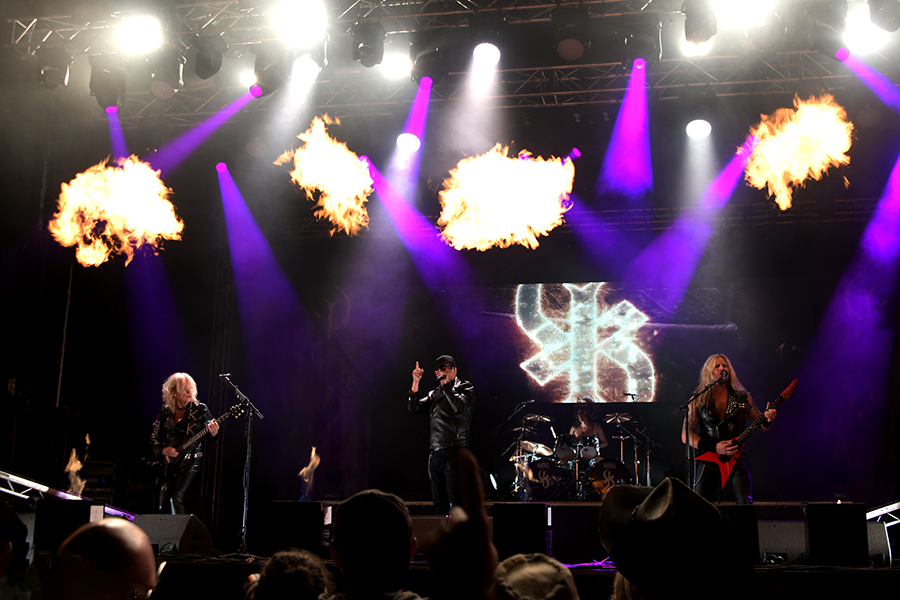
However, the pyro and fireworks were spectacular in Sweden and looked great once it got dark in the evening.
K.K. Downing: I think the pyro worked perfectly. It was just the videos that weren’t working, but overall it was good—we enjoyed it, and I think the audience did too. The worst thing was that we had to drop two songs. We were told to cut the setlist because of time, so we had to leave out ‘Metal Meltdown’ and our new video single, ‘Reap the Whirlwind’, which will be released in about a week. That’s a brand-new song from the new album, so it was a shame. We did play them in Wolverhampton, though, so maybe that made it even more disappointing that we couldn’t include them this time. But when we go to Spain and Belgium, it’s going to be a full set—and it’s going to be great.
Is it fair to say that visuals are an important part of KK’s Priest? I mean, the band’s music videos are very carefully designed and look great, and now at live shows, everything is done as spectacularly as possible—with big pyros, explosions, and screens. Is that the kind of message you want to send to your fans? That when you do something with this band, it’s always done on a big scale, without cutting corners?
K.K. Downing: Well, I think part of it is about sending a message to promoters around the world. If they want to book the band for a big show, we’re able to deliver one. People pay good money for festivals, and often the venues are huge, with audiences far away from the stage. But I like all of that. I remember when we first toured with KISS in ’77 and ’78—I was completely blown away. I was thinking, “Wow, we’ve got nothing, and they’ve got everything.” Ace Frehley had rockets shooting out of his guitar, and I thought, “That’s so cool.” And of course, Judas Priest has always put on big shows—and still does. But if people book us to headline a festival, like what’s happening next week in Spain and Belgium, and they’re paying a lot of money for us, then they’re going to get a seriously kick-ass show. That’s what’s going to happen. Like I said, we’ve got the music, we’ve got the band, and we’ve got the performance—but if we can add something extra on top of that, we will. That said, we’ll also play some places where it’s just the band and the music—and that’s cool too.
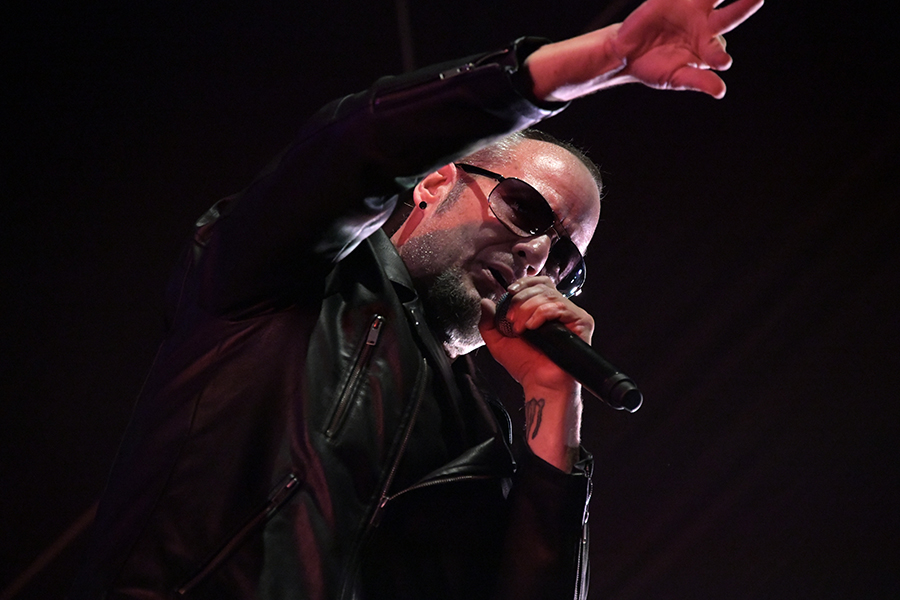
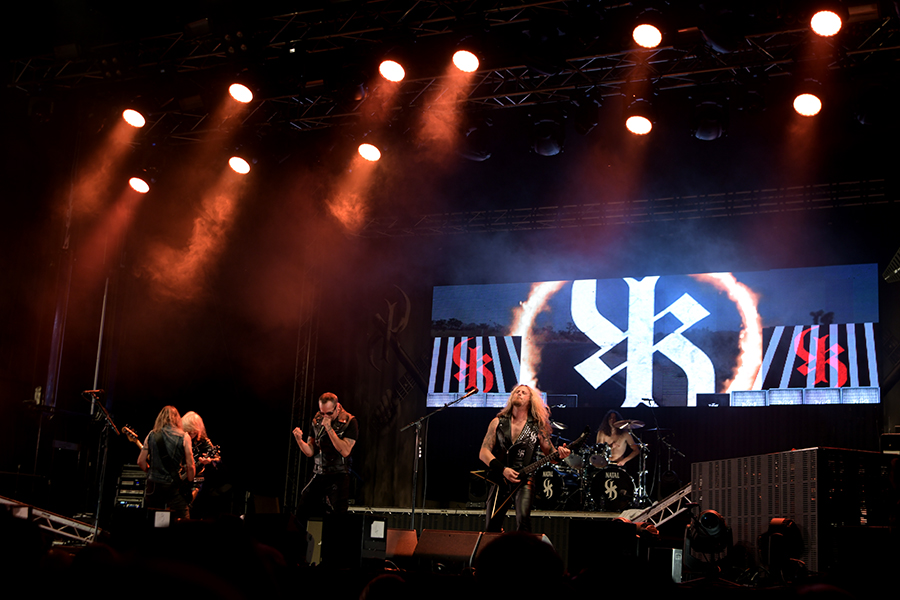
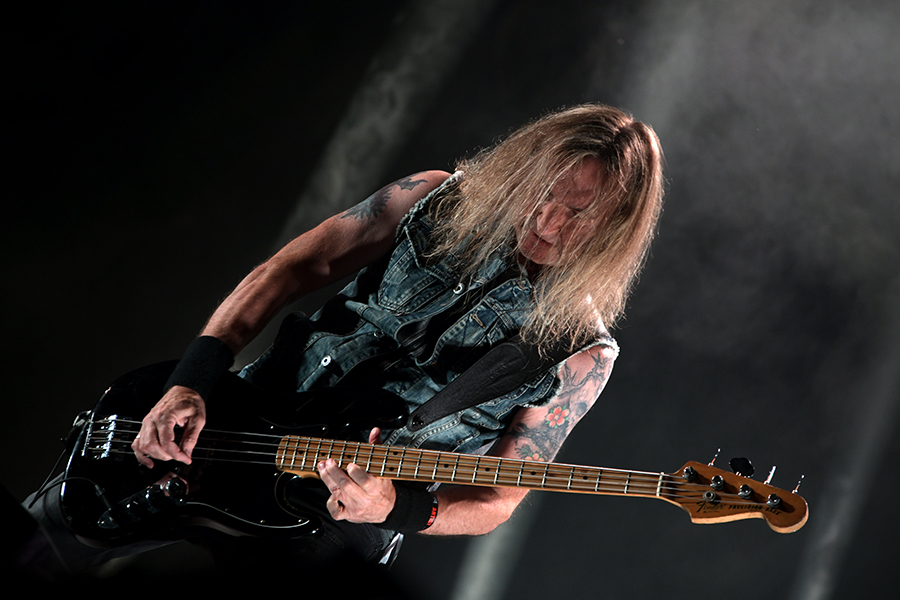
If we talk a little bit about the songs KK’s Priest has played live so far, I think the band’s setlist has been put together very carefully. It’s not just a collection of obvious choices, but a balanced mix of old and new material. You also played a few rare Judas Priest songs that fans haven’t heard live in a long time. How did you choose the songs? It must have been a really difficult task.
K.K. Downing: It’s—well, it’s impossible, Marko. Even I don’t know if it’s right until I get in front of an audience. And with so many songs, it’s crazy, you know. I said to Jari, because he was saying, “Oh yeah, play this song, play that song,” I told him, “To be honest, I’m going to be on tour for the next three years, and I’ll get through most of the songs anyway, because we’ll be changing the setlist constantly.” We’ll be adding more songs from the new album, swapping things around, and I think that’s a good thing.
That’s good to hear, because it’s the best way to keep things fresh.
K.K. Downing: We’ve got a fantastic repertoire, so I’ll just keep rotating the songs. Jari keeps saying, “Put this one in, put that one in,” and I tell him, “I can’t include them all right now, but by the end of the year I’ll have changed things—if not before.” Because it’s so difficult—every fan wants to hear something different. At one point, we even asked fans online to submit their ten favorite songs for the setlist, but instead of helping, it made things even more complicated—every list was completely different.
There’s only one thing I want to complain about regarding the setlist. Why was there only one song from the Ripper-era Judas Priest included?
K.K. Downing: Well, in Sweden we had to drop two songs, but even so, if I tried to include one song from every Judas Priest album, there wouldn’t be room for KK’s Priest material—and we already have around sixteen songs in the setlist. In Sweden that dropped to fourteen, so even though there was only one song from the Ripper era, there were also no songs from albums like ‘Point of Entry’, ‘Turbo’, ‘Ram It Down’, ‘Nostradamus’, ‘Rocka Rolla’, or ‘Angel of Retribution’. I understand your point, especially since Ripper is in the band now, but from my perspective this is also my legacy and career. Rather than include multiple songs from one specific era, I’d rather represent a broader range of albums, but it’s incredibly difficult to get the balance right. The good news is that we’ll keep changing the setlist—it won’t stay the same.
If I could add one song to the setlist, I’d choose ‘Visions’. It would be a great addition.
K.K. Downing: ‘Visions’—yeah, okay. I do want to include material from ‘Nostradamus’. In fact, I’d like to play something from every album. I don’t think we played anything from ‘Defenders of the Faith’. That’s the problem—if I add something from ‘Jugulator’ or ‘Demolition’, then I feel like I should also include something like ‘Rock Hard Ride Free’. And then people start suggesting songs like ‘One on One’, ‘Hell Is Home’, ‘Freewheel Burning’, or ‘Ram It Down’. It becomes impossible to satisfy everyone. I’ll never get it completely right for all fans—but we will keep changing the setlist, absolutely.
This goes a bit off-topic, but as I recall, Judas Priest didn’t change their setlists very much either—at least not very often.
K.K. Downing: Yeah, and I used to complain about that all the time. I kept thinking, “Why do we have to play the same songs over and over again?” I got a bit fed up with it. Yeah, I totally agree.
In 2020, KK’s Priest signed a record deal with Explorer1 Music Group, which released the album ‘Sermons of the Sinner’. However, the band has now signed a new contract with Napalm Records, which will release ‘The Sinner Rides Again’. So what happened with the first record label?
K.K. Downing: It was really just disagreements with the first label—multiple disagreements, in fact. They were a new company, and bands started leaving. So we all kind of left around the same time. Wolfgang Van Halen left, The Raven Age left, and I think Steve Harris’s British Lion left as well. We all moved on, more or less at the same time. I’m not even sure if the company has any bands left now. I’m very happy with Napalm Records. They have a strong roster of metal bands, and they seem like a solid company, so we’re happy to stay with them.
I’m sure you’re aware that if you go online and search for KK’s Priest, it still redirects to the website owned by the old record company, www.kkspriest.com, where the first album and merchandise are still being sold.
K.K. Downing: Yeah, but my official website now is kkdowningofficial.com. We’ve launched a brand-new site, so that’s the place people should go.
Maybe you should ask the old company to remove that page. It’s a bit of a confusing situation at the moment.
K.K. Downing: The problem is that they still retain some rights to the first album, so naturally they want people to visit their site because they can still sell the products. That’s just how it works, I guess. It is confusing, but hopefully that will change over time. We’ll see.
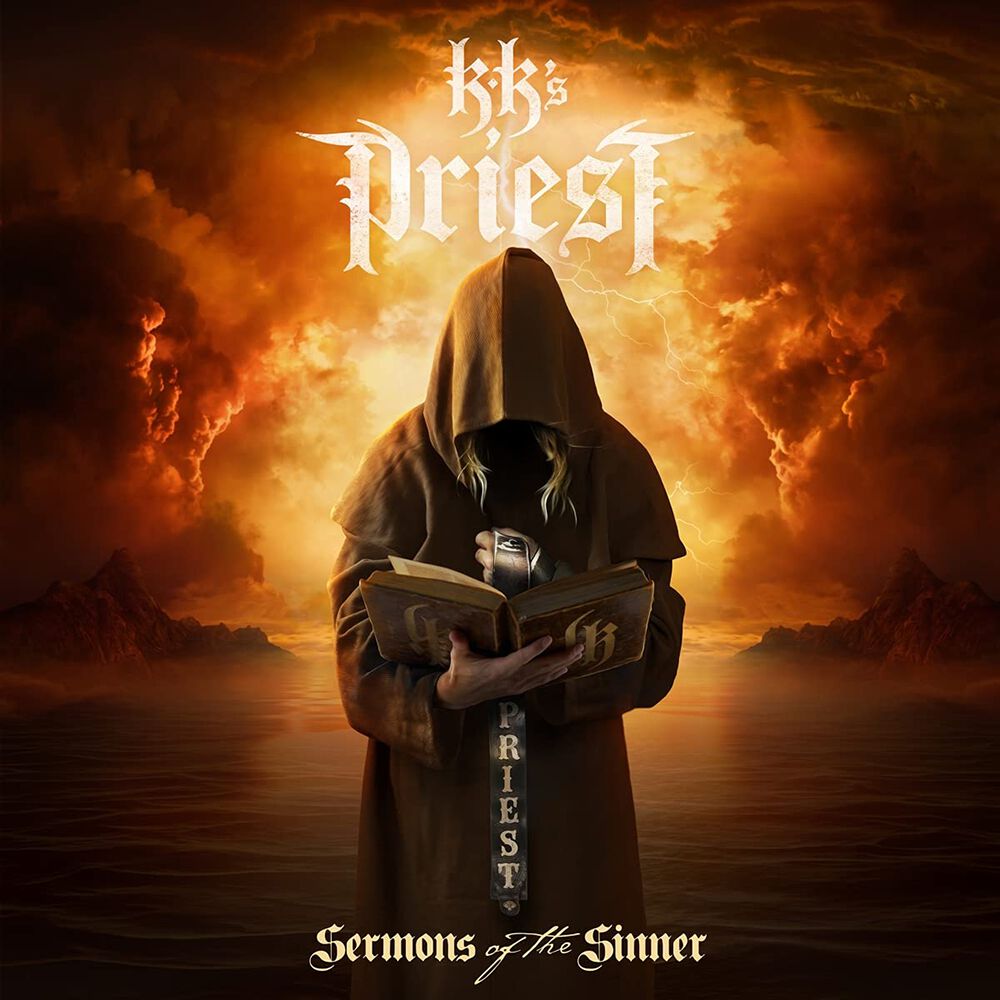
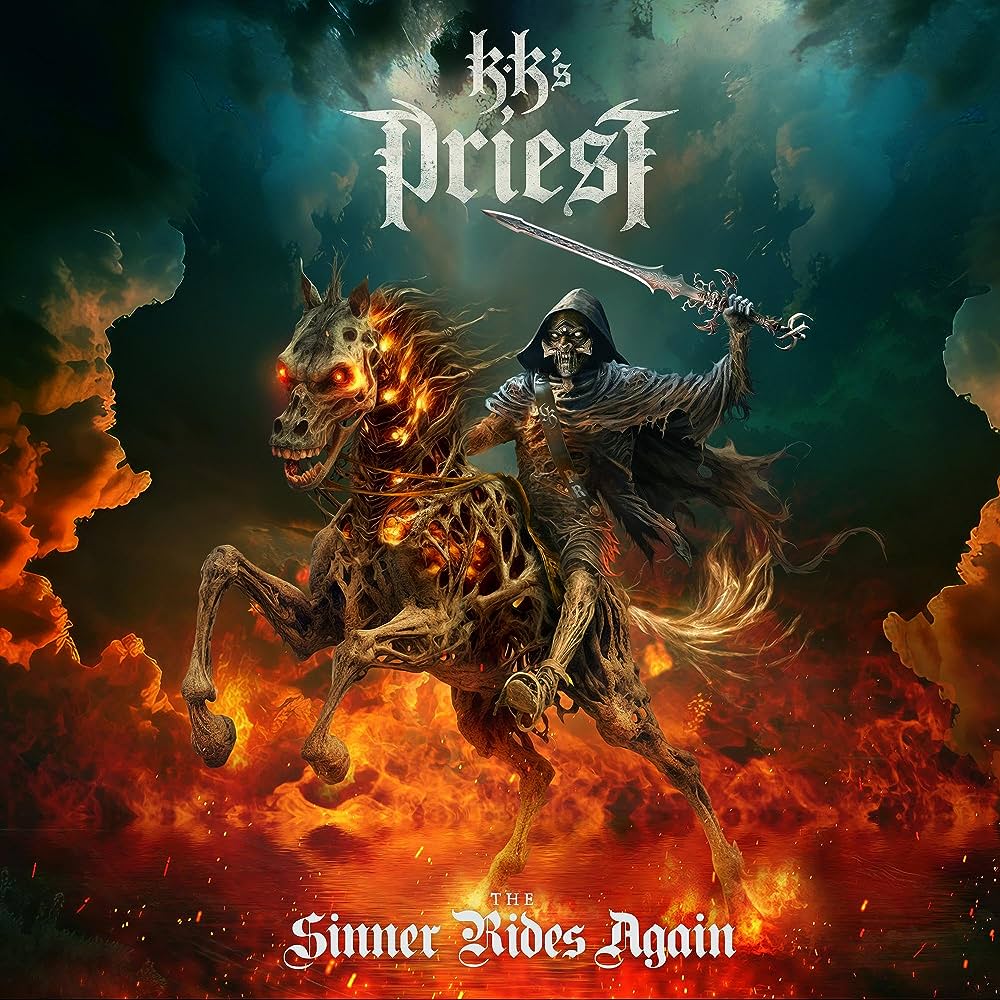
In 2020, KK’s Priest signed a record deal with Explorer1 Music Group, which released the album ‘Sermons of the Sinner’. However, the band has now signed a new contract with Napalm Records, which will release ‘The Sinner Rides Again’. So what happened with the first record label?
K.K. Downing: It was really just disagreements with the first label—multiple disagreements, in fact. They were a new company, and bands started leaving, so we all kind of left around the same time. Wolfgang Van Halen left, The Raven Age left, and I think Steve Harris’s British Lion left as well. We all moved on more or less at the same time, and I’m not even sure if the company has any bands left now. I’m very happy with Napalm Records—they have a strong roster of metal bands and seem like a solid company, so we’re happy to stay with them.
I’m sure you’re aware that if you go online and search for KK’s Priest, it still redirects to the website owned by the old record company, www.kkspriest.com, where the first album and merchandise are still being sold.
K.K. Downing: Yeah, but my official website now is kkdowningofficial.com. We’ve launched a brand-new site, so that’s the place people should go.
Maybe you should ask the old company to remove that page. It’s a bit of a confusing situation at the moment.
K.K. Downing: The problem is that they still retain some rights to the first album, so naturally they want people to visit their site because they can still sell the products. That’s just how it works, I guess. It is confusing, but hopefully that will change over time. We’ll see.
The next step toward your return took place in November 2019 with the Steel Mill show. It was a fantastic show indeed. I was wondering if that event was, in a way, a test to see how people would react to seeing you, Ripper, and Les playing together on stage. Were you testing the waters, or what was the idea behind that one-off show?
K.K. Downing: No, no, no—it actually started because of David Ellefson. He contacted me and said, “Look, if I’m playing at your venue, will you come up and play a couple of songs with us, since you’re the host?” And I remember thinking, “Oh God, I don’t really want to—if you know what I mean—start things again.” But then I thought, “Well, okay, if it’s just a couple of songs, maybe I can do it.”
So I agreed to that, but then a mutual friend of mine and Ripper’s from Phoenix called me and said, “I heard you’re going to play with Dave Ellefson.” Dave’s a friend of his too, and he said, “If you’re doing that, I’m going to fly Tim over—he’ll sing the songs.” And I thought, “Okay… well, I can’t really stop him.” Then the idea came up that if Tim was going to be there and David was on bass, why not ask Les Binks to come and play drums?
That’s when things started to get a bit out of hand. The setlist began to grow from just a couple of songs, and I was thinking, “Well, if Les is coming, we should probably play some of the songs he played on—like ‘Exciter’, ‘Hell Bent for Leather’, or ‘Beyond the Realms of Death’.” So the setlist kept growing and growing, and before long it turned into more of a headline-type situation with a kind of all-star band. That’s really how it all came together.
So it was like a small cottage that grew into a big castle.
K.K. Downing: Yes—exactly.
But not long after, you started a new band and signed a recording contract with Explorer1.
K.K. Downing: Yeah. Explorer1 and stuff, yeah.
Was that successful Steel Mill gig the reason why you decided to start a new band?
K.K. Downing: I did that show, and obviously it was very well received. Then Christmas came, and for me—since I don’t have a family or kids—it’s quite a quiet and, to be honest, boring time. So I thought, “I don’t want to ask people to join a band and then sit down to write songs, only to find out that I can’t write anymore.” I decided to do it the other way around: since it was the middle of winter and there wasn’t much going on, I sat down to see if I could write some songs first.
It went fantastically well and very quickly. Within three to four weeks, I had enough material for a complete album—full demos and everything. Of course, the vocals didn’t sound great because I was singing them myself, but I was able to map out all the songs with lyrics and melodies, and it still sounded really good. That gave me the confidence to call the guys and say, “I’ve got some material—do you want to make a record?” And they said yes, and that’s how it all started.
After you had finished writing the first album, who was the first person you called and asked, “Let’s make an album together”?
K.K. Downing: I think it was A.J., my guitar player, because he lives quite close to me.
And what was Ripper’s reaction when you asked him to join?
K.K. Downing: He said, “Yeah, sure.” He was totally into it—he just said, “Count me in.”
Do you remember what the first song you wrote for the album was?
K.K. Downing: I think it was ‘Hellfire Thunderbolt’. I kind of worked chronologically—I wrote one song, then the next, and just kept going like that. I had a lot of ideas stored up, like a big vault of guitar riffs, and I also came up with plenty of new ideas, so it worked out really well. It actually felt very easy, and I approached the second album the same way. Again, within three or four weeks, I had all the songs written. I can sing—not brilliantly—but I’m pretty good with vocal melodies, so it worked. Writing on my own turned out to be much easier than I expected. Back in the early days, around 1969 to 1971, I used to write alone as well, but I don’t remember it being this easy. Of course, working with Glenn and Rob led to some incredible music, and I wouldn’t change that for anything. But writing on my own is quicker—if I like something, it stays; if I don’t, it goes. I’m the decision-maker, and I quite like that.
One confusing thing at the beginning was that when you announced KK’s Priest, Les Binks was listed as the band’s drummer. However, he did not play on the album and is no longer in the band. Was he ever truly involved, and what exactly happened?
K.K. Downing: Oh yeah, absolutely. Les and I are the same age, and as you get older, things become more physically demanding—especially for a drummer. The material on the first KK’s Priest album was pretty intense, and Les said, “Look, I don’t want to make my physical issues worse.” He was enjoying playing with his friends and just wanted to keep doing that without risking having to stop altogether.
So he very graciously said he was happy to hand things over to a younger player, and I completely understood. Even for me, playing guitar, I have issues with my left wrist and right elbow, but it’s still not as physically demanding as drumming, where you’re using all your limbs at the same time.
Is there anything you would like to say to those people?
K.K. Downing: Yeah, absolutely. I would say that people need to understand that parting ways with Judas Priest wasn’t something I took lightly. I had been there from the very beginning, since 1969. It was my life, my heritage, my legacy—it meant everything to me. But in 2010, the decision was made by the band and its management to bring things to an end. The plan was to do a farewell tour and finish the band, and that was something we all agreed on. At the time, we didn’t know that Glenn Tipton was already dealing with Parkinson’s disease—he hadn’t told us.
Looking back, maybe that uncertainty played a part in his thinking. I agreed to the plan because I felt the band wasn’t performing at the level it should have been. I can’t really speak for Rob Halford or Ian Hill, but we all agreed, and we were asked to come up with a title that would clearly signal the end of the band. That’s how the Epitaph Tour got its name. However, I eventually decided that I didn’t want to take part in the farewell tour. I sent a letter saying I wouldn’t do it and wished them well, assuming they would bring in a replacement just for that tour. In the back of my mind, I wasn’t fully convinced that I wanted to say goodbye to Judas Priest for good. In a way, I suppose I felt that if I didn’t do the farewell tour, I wasn’t really saying farewell.
What I didn’t realize was that the band would continue for another 14 years—that was never the plan, and it certainly wasn’t what I had been told. If I had known that, things might have turned out very differently. After that, I always believed there might be an opportunity for me to return someday. That moment seemed to come when Glenn stepped back from touring, but no one approached me. Instead, he handed the role to Andy Sneap, and that was that.
Since then, I reached out to the band and asked directly if they wanted me back—especially before starting my own band—but the answer was no. Their lawyers even confirmed that on their behalf. I asked again, and the answer was still no. That’s when I decided to form KK’s Priest. The name was important to me because I didn’t want to walk away from my legacy, my heritage, or the songs I had been part of creating. I didn’t want to stop being a “Priest.” I joined as a Priest in 1969, and I wanted to continue that identity. I felt that if others could carry the name forward while playing my material, then I had every right to do the same. I was there at the beginning—it was my creation, my idea—and I’ve been part of the evolution of heavy metal ever since. I believe I’ve earned the right to continue that journey.
So I would simply ask the fans to give me and Ripper the chance to bring them great songs and performances, just as they’ve always known from us, and hopefully they’ll understand that we’re here to continue where we left off.
That was such a perfect answer to all those critics.
K.K. Downing: Yeah, I know it’s a long answer, but it’s difficult when people don’t know all the details, the emotions, and everything behind it. I just hope people can wish me well. I’m still here, and if they want to hear the songs they love played the way they were meant to be played, then they should come and see KK’s Priest, because I’m still the same person—the same player, with the same guitars, the same amps, the same sound, the same technique.
I’m not trying to take anything away from anyone. The name Judas Priest is bigger than any of us—it’s bigger than all of us put together. They’ve proven that the band can continue at a high level, playing big shows, because that name is so strong. But it’s not the same as it once was. So if people want to experience it the way it used to be, then they should come and see KK’s Priest.
I totally agree that the name and the brand of Judas Priest are much bigger than any of its members.
K.K. Downing: Absolutely—it’s bigger than all of us. I don’t have that brand name anymore, so when I go out, I can’t command the same level of earnings, and that’s fine—that belongs to them. But that brand was built over a lifetime, and I was a big part of creating it. They now have the benefit of that legacy, not me.
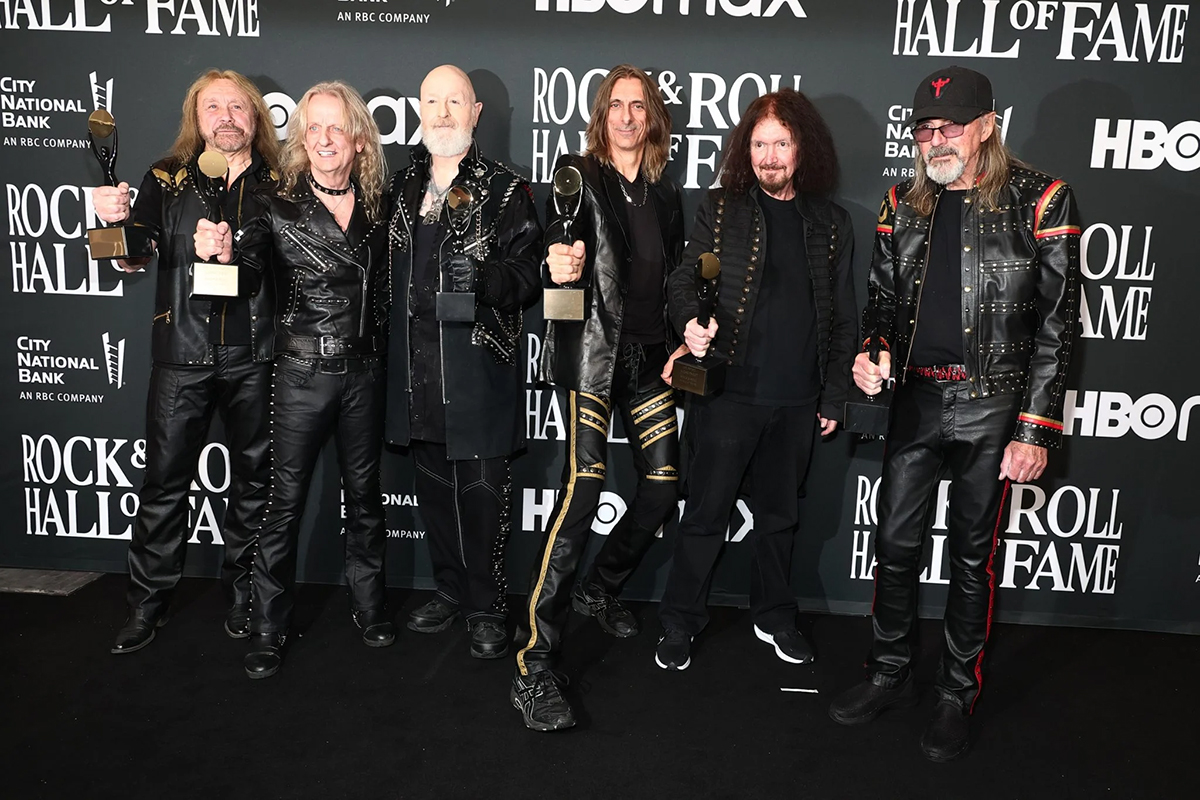
The last question is about the Hall of Fame. In November 2022, you were inducted into the Rock and Roll Hall of Fame in Los Angeles. At the same event, you also performed live with your former bandmates for the first time since leaving the band more than ten years earlier. What kind of experience was the Hall of Fame for you overall?
K.K. Downing: Well, I was debating whether to go at all because of everything that had happened. It was a long trip, and there were a lot of mixed feelings involved. Les probably mentioned that their management said we would be there as guests of the band—me and Les—and I remember thinking, “No, that’s not right. If anything, I’m a guest of the Hall of Fame, but really I’m there to accept my own award. I’m not a guest of anybody.” There were also discussions about what songs we would play, and it all started to feel a bit frustrating. I was wondering whether I should even bother going. But people kept telling me, “You’ve got to go. This is a once-in-a-lifetime moment—you deserve it.” So in the end, I decided to go.
Even then, things were a bit awkward. We were kept separate and not allowed to walk the red carpet together, which was disappointing, but that’s how it was handled. Richie was great—he came into our dressing room, and we got on well. Andy Sneap is also an old friend, and it was good to see him. As for the others, I didn’t really care. At this stage in life, you would think people could put things aside for one moment, but that wasn’t the case. That said, I still enjoyed the experience overall. I rented some equipment, and I even had a couple of brand-new guitars there that I hadn’t played before, so in that sense, it was easy and enjoyable. It was definitely a unique experience, though. Right up until the performance, I kept asking myself if I was doing the right thing. I was standing there thinking, “Is this really heavy metal? Am I in the right place?” Looking around at artists like Ed Sheeran and Dolly Parton, it almost felt surreal.
In the end, I just thought, “Forget it—pick up the guitar, do the performance, and that’s it.” And that’s exactly what I did. I came off stage, got changed, went straight back to the hotel bar, had a few beers, and that was that.
Les also told me in Finland that you traveled from London to Los Angeles together and ran into Glenn and Jayne Andrews at LAX. He mentioned that he spoke briefly with Glenn there for the first time since 1979. You didn’t speak with them, but he said you later talked with Rob at the ceremony.
K.K. Downing: Yeah, because Rob came over to me. And to be honest, I didn’t really want to speak with him, because he left the band for 14 years, and I was instrumental in bringing him back. Then later, he tells me that I can’t rejoin the band—so how does that work? I really don’t understand it.
But in the case of Judas Priest, it seems that certain people are making the key decisions regarding the band.
K.K. Downing: Yes, that’s right. It’s Glenn and Jayne who make the decisions, and Rob—well, I hate to say it, but I feel like he’s being controlled. That’s honestly how it seems to me. I don’t believe that Rob personally wanted to keep me out—I think he would have supported my return, but in the end, it wasn’t his decision. And now Richie is doing his own thing with Elegant Weapons and everything, so it doesn’t exactly look ideal from his perspective either.
Have you heard Richie’s Elegant Weapons album yet?
K.K. Downing: Yes.
What do you think about it?
K.K. Downing: It’s good, but it’s not really my style of metal. I wouldn’t even call it heavy metal, to be honest—it’s just not my thing. He said he wanted to do something different from Judas Priest, and that’s fair enough. But for me, that classic style is what I love—bands like Judas Priest, Scorpions, UFO, and Saxon. I’m an old-school guy, and that’s the kind of music I connect with.
KK’s Priest has a new album finished and plenty of shows coming up. But what kind of long-term goals do you have for the band? The fact is, there aren’t too many years left—that’s just reality.
K.K. Downing: That’s true, and that was one of the reasons I decided to do this. I liked the idea of making two albums, because now I feel I can go out and tour for two or three years. I’ll probably do some recording along the way, but nothing that takes too much time—just enough to keep things going while still focusing on playing live all over the world. There’s no doubt I’m going to enjoy being out there with this band and performing these songs. It’s going to be fun and exciting.
So are you saying the plan is to release these two KK’s Priest albums and then that’s it?
K.K. Downing: Well, never say never, but the main thing is that I want to tour for at least a couple of years, because the world is a big place and I’ve got two albums that I haven’t toured with yet. On top of that, there’s also the legacy from the Ripper era and the classic Judas Priest years. To my ears, the sound of KK’s Priest is the closest thing you’ll get to Judas Priest from any era—the ’70s, ’80s, ’90s—because I know how to play these songs properly and authentically. After all, I wrote them.
I have one more question regarding the KK’s Priest show in Sweden. Even though the videos didn’t work as planned, the show was still massive, with all the pyro and production. Does that mean KK’s Priest will mainly play festivals and larger venues in the future to accommodate that kind of production?
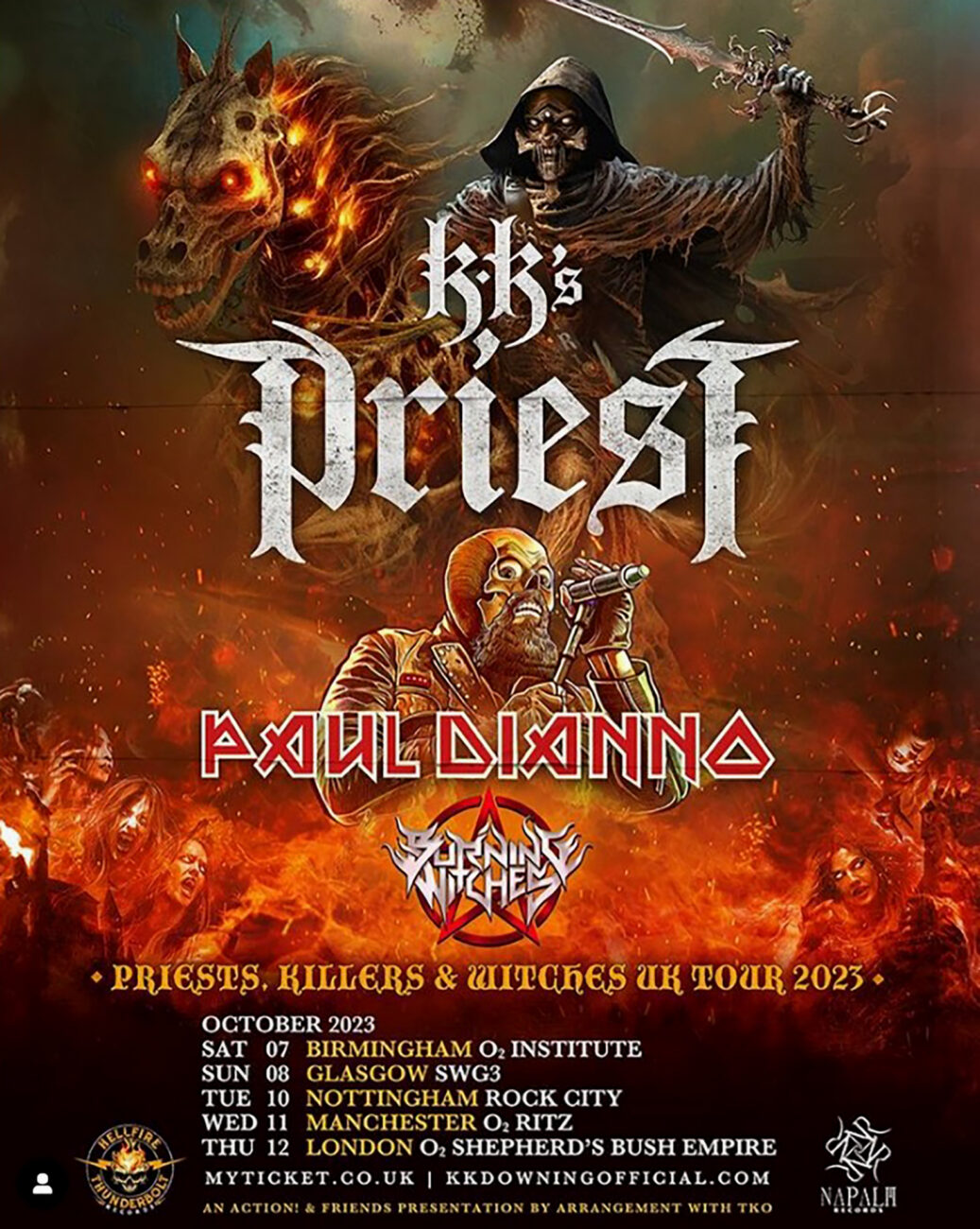
K.K. Downing: No, absolutely not. We’ll do both. There will be big shows with full production, but we’re also going to play smaller venues. In October, for example, we’ll be playing places like Rock City in Nottingham and the Institute in Birmingham—much smaller venues where we won’t have room for the full production. Those shows will be more stripped back, just the band and the gear, but I don’t mind that at all. I’ll enjoy those shows just as much. We don’t need all the big production elements—it’s just a nice bonus when we can use them. With KK’s Priest, everything is still quite new, and when everything is working at full capacity, it’s going to be fantastic. That’s how I see it.
So after the UK shows, how will the tour continue next year?
K.K. Downing: After the UK dates, we’ll fly to Malta for a show with Metal Church, Burning Witches, and a couple of local bands, so that’s going to be a great lineup. Then we’re hoping to add more shows now that people have seen us live. We also have a festival in Mexico on December 2, and we’ll be doing some shows on the U.S. West Coast. After that, we’ll come back and play more shows before Christmas.
Next year, we’ve already booked the Monsters of Rock Cruise, which sails from Florida, and we’re planning more shows across the U.S. and Canada. We’re also aiming to play the major European festivals—Wacken Open Air, Graspop Metal Meeting, Download Festival—and more. We’ve already got interest from promoters, including a show in Poland, and I’d really like to continue touring in Europe and Scandinavia after October if the opportunities are there.
After those festival shows in August, there’s a noticeable gap in the band’s schedule. Are there plans to add more shows before ‘The Sinner Rides Again’ is released on September 29?
K.K. Downing: Not at the moment. There’s about a six-week gap, but we’ll use that time to work on more videos for the album and keep promoting it. Unfortunately, we lost some time this year because it took longer than expected to move on from the previous record label, and that meant promoters didn’t have enough time to book us properly. So we missed some opportunities this year, but we’ll be in a much better position for next year. Absolutely.