
Metal, Hardcore, Indie, Rock
Hair metal, the British wave and thrash metal classics: these albums are turning 40 this year
The year 1986 was a celebratory year for two extremes of metal: classics were released in both the hair metal and thrash metal genres. We already listed albums turning 50, and now it’s time to take a look at what 1986 had to offer.
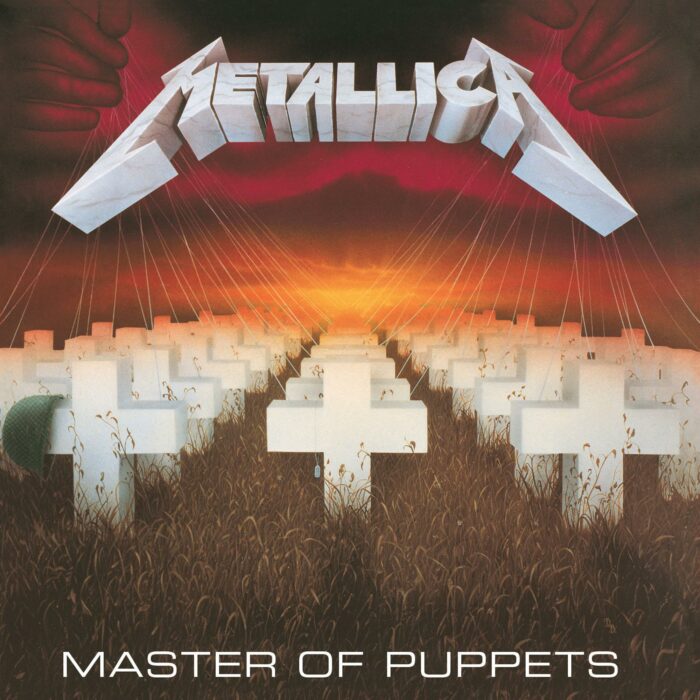
1. Metallica – “Master Of Puppets”:
Metallica surpassed themselves with their third album, “Master of Puppets”. Although “Ride the Lightning”, released a couple of years earlier, is a damn good album, “Master of Puppets”, released in 1986, has been dubbed by many as Metallica‘s best. And rightly so, as it contains incredible displays of skill from these American rockers, including “Welcome Home (Sanitarium)“, “Battery“, and, of course, the album’s title track. “Master of Puppets” became the last album recorded by Cliff Burton, who died on tour six months after its release.
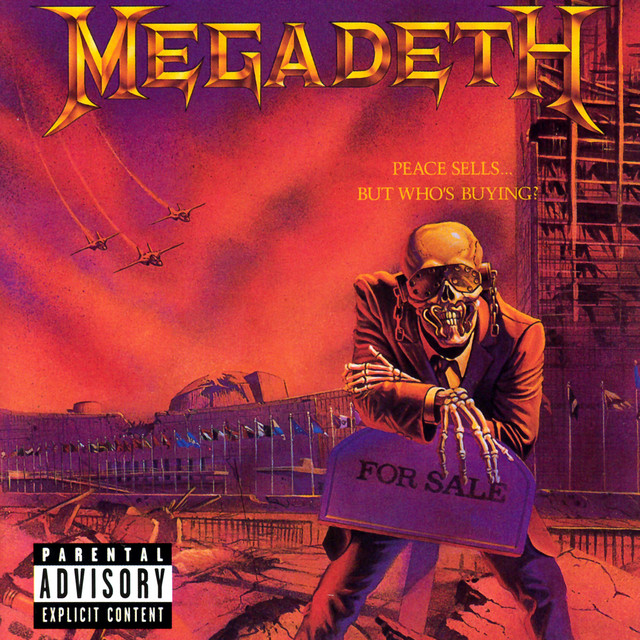
2. Megadeth – “Peace Sells… But Who’s Buying”:
The recording of Megadeth‘s second album was overshadowed by the drug use of the band’s drummer Gar Samuelson and guitarist Chris Poland, and the two were shown the door shortly after the album’s release. Compared to the angry debut album “Killing Is My Business… And Business Is Good”, released the previous year, “Peace Sells… But Who’s Buying”, released in 1986, is definitely a more coherent whole, giving a glimpse of the level Megadeth is capable of reaching. In addition to the song “Peace Sells… But Who’s Buying,” which features one of the most famous bass intros in the metal world, the album also includes the classic tracks “Devils Island” and “Wake Up Dead,” as well as Megadeth‘s own version of Willie Dixon‘s song “I Ain’t Superstitious.”
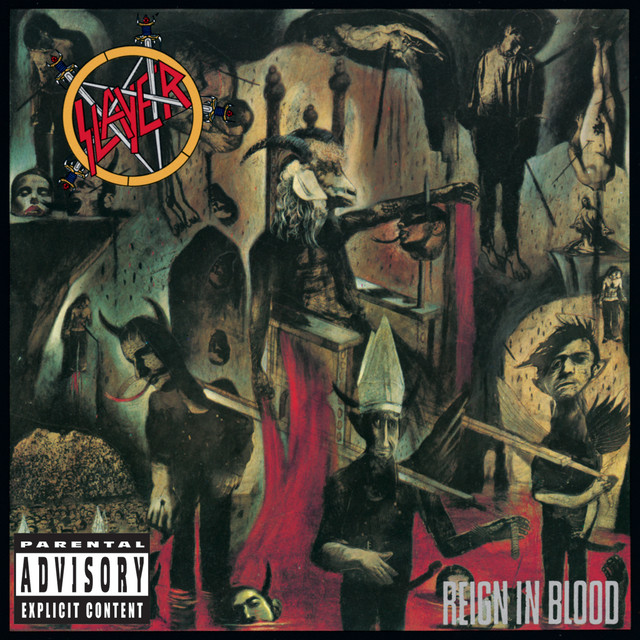
3. Slayer – “Reign In Blood”:
Alongside Metallica‘s “Master of Puppets” and Megadeth‘s “Peace Sells… But Who’s Buying”, a third high-quality thrash metal classic saw the light of day: Slayer‘s “Reign In Blood”. The band’s third album kicks off with “Angel Of Death,” a song about Dr. Josef Mengele, and from there on, Slayer delivers about 29 minutes of fast-paced and dangerous music. Even 40 years after its release, “Reign In Blood” is still an extremely tight and intense thrash metal album!
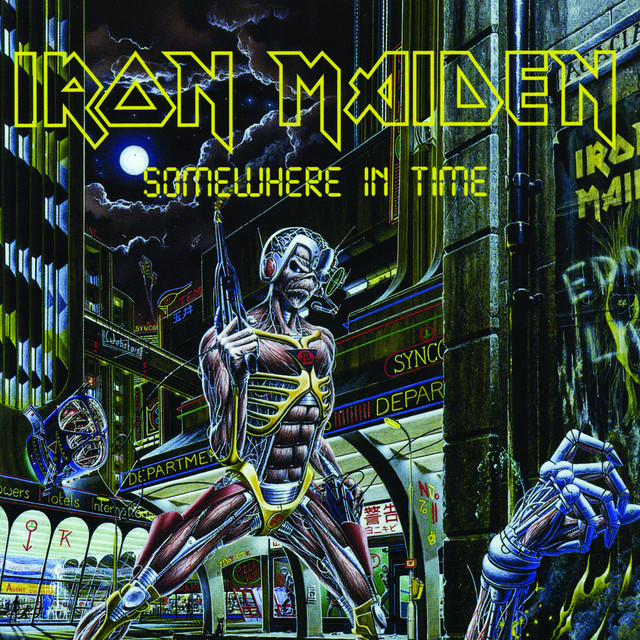
4. Iron Maiden – “Somewhere In Time”:
Iron Maiden tried to bring something new to the table with their sixth studio album. Singer Bruce Dickinson suggested acoustic songs, but the rest of the band rejected the idea completely. Instead, the album featured guitar synthesizers for the first time, creating a futuristic and more melodic soundscape for “Somewhere In Time.” In addition, the songwriting duties were divided between guitarist Adrian Smith and bassist Steve Harris for the first time. The songs “Wasted Years” and “Stranger in a Strange Land,” composed by guitar virtuoso Smith, were the singles from this album.
Fans were also treated to cover art designed by Derek Riggs, with the cover of “Somewhere In Time” hiding several small Easter eggs that reference the band’s previous work or interests. For example, the pyramids in the background refer to the band’s previous album “Powerslave,” the clock face shows 23:58 (“Two Minutes to Midnight“), the Aces High Bar sign refers to the song “Aces High,” and the Acacia Street sign naturally brings to mind “22 Acacia Avenue.” The final list of references can surely be found in the wonderful depths of the internet.
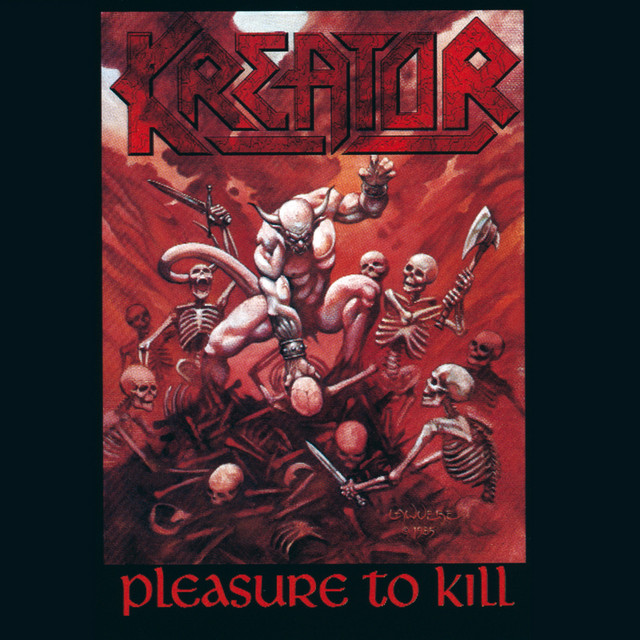
5. Kreator – “Pleasure to Kill”:
While thrash metal classics were being churned out like hotcakes in America, Germany was also trying to keep up. However, Kreator‘s second album, “Pleasure to Kill”, seemed to be overshadowed by their American counterparts Metallica, Slayer, and Megadeth in the year of its release. Compared to their debut album “Endless Pain”, released the previous year, “Pleasure to Kill” is an extremely brutal album, with nine tracks that violently punish thrash metal fans.
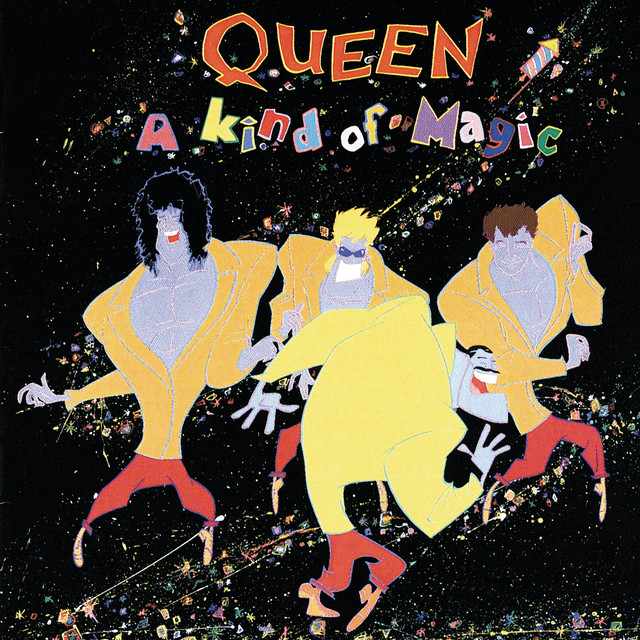
6. Queen – “A Kind Of Magic”:
Queen‘s 12th album, “A Kind of Magic,” offered a slew of rock classics, such as “One Vision,” “Friends Will Be Friends,” and “Who Wants To Live Forever” — not to mention the title track, “A Kind Of Magic.” The album also served as the unofficial soundtrack to the movie “Highlander”, which premiered before the album’s release. “A Kind of Magic” is also important to many Queen fans because it was the band’s last album to be released before they went on tour.
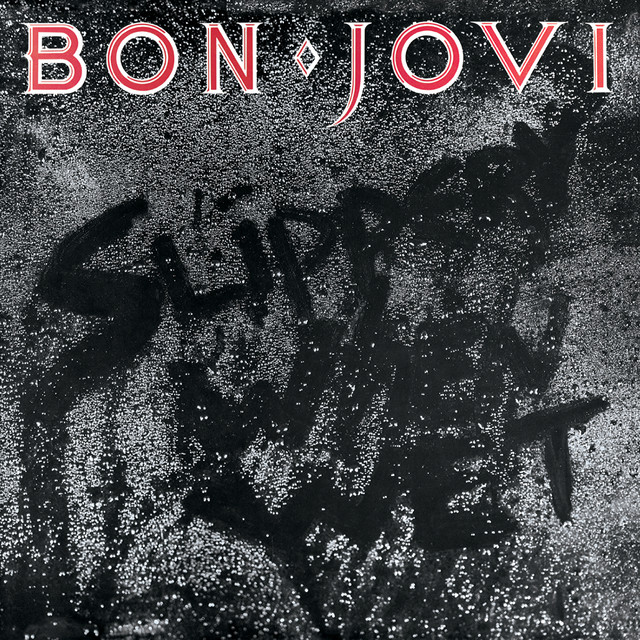
7. Bon Jovi – “Slippery When Wet”:
The old saying “third time’s the charm” proved true for Bon Jovi. With the release of the band’s third album, “Slippery When Wet,” Bon Jovi’s fame exploded. Released in 1986, “Slippery When Wet” can rightly be called a classic album. In addition to Ritchie Sambora’s talkbox and Jon Bon Jovi’s impressive chest hair, it also includes the karaoke bar favorites “Livin’ on a Prayer,” “You Give Love a Bad Name,” and “Wanted Dead or Alive.“
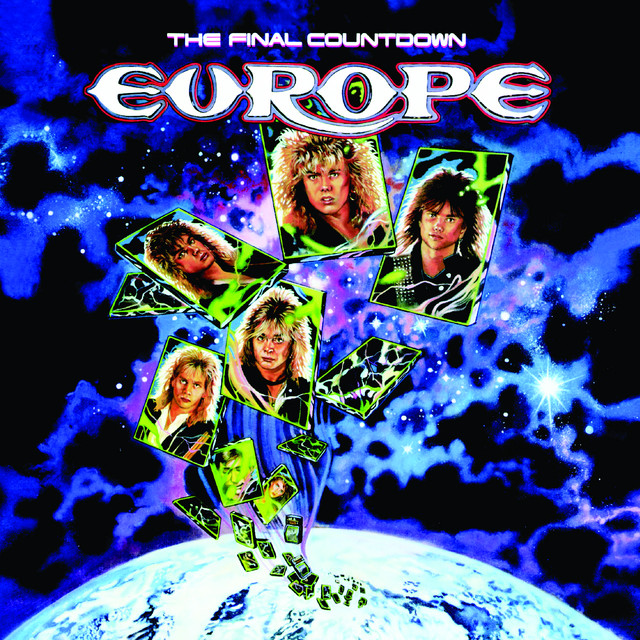
8. Europe – “The Final Countdown”:
The Swedes really know how to do it! The third album by Europe, the hair metal kings from our western neighbor, “The Final Countdown,” put this band led by Joey Tempest on the rock map, proving that Sweden has more to offer than just ABBA. In addition to the iconic title track, this album also features the lovely ballad “Carrie” and the rocking “Rock The Night” and “Cherokee.”
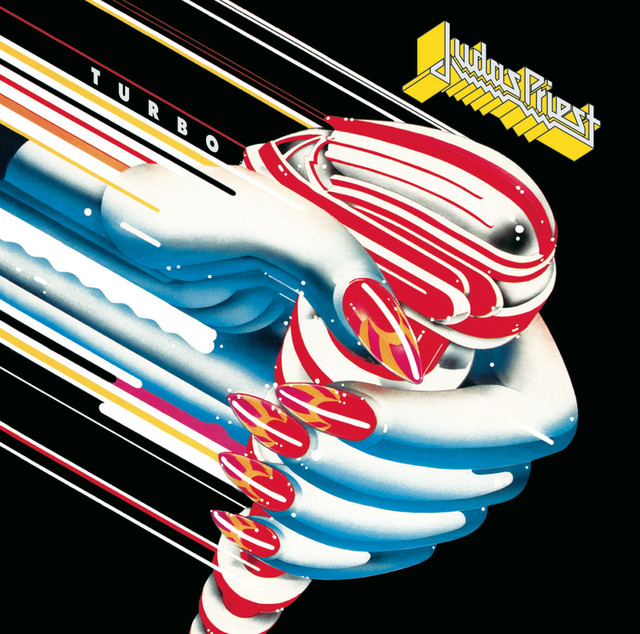
9. Judas Priest – “Turbo”:
Judas Priest took a step towards a more commercial sound with guitar synths and radio-friendly but rebellious lyrics in 1986. However, the album, named after guitarist K. K. Downing’s Porsche Turbo, did not impress the band’s old fans: while the previous album, “Defenders of Faith”, contained honest heavy metal, “Turbo” offered a Judas Priest leaning towards glam metal. The album’s closing track, “Reckless”, was supposed to end up in the movie “Top Gun”, but the producers wanted exclusive rights to the song. Well, looking at the album’s track list, you can guess what Judas Priest ended up doing.
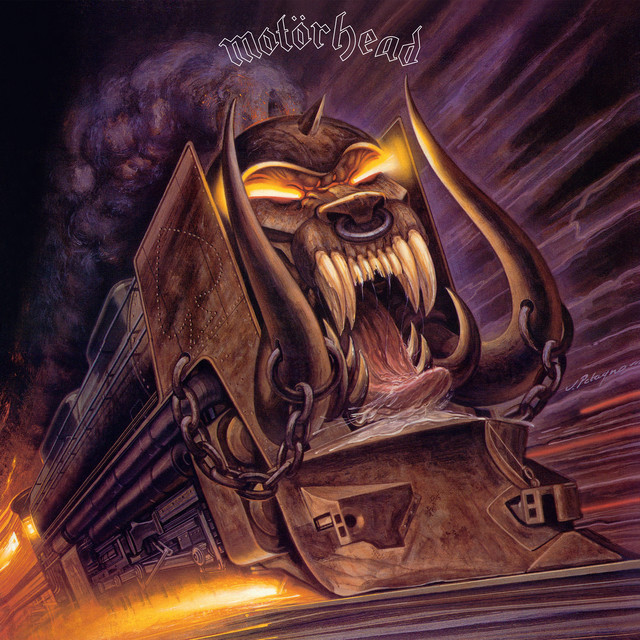
10. Motörhead – “Orgasmatron”:
“Orgasmatron” marked a turning point in Motörhead‘s career. In addition to changing record labels, there had also been changes in the band’s lineup. “Orgasmatron” is the first album on which Phil “Philthy Animal” Taylor is not heard on drums. Instead, he is replaced by Pete Gill, known from Saxon, for whom “Orgasmatron” ended up being his only Motörhead album. The guitarist position is filled for the first time by Phil Campbell, who was there to stay. The band also had a second guitarist for the first time, Michael “Würzel” Burston. The album’s most famous song, “Orgasmatron,” has since been covered by Sepultura and Satyricon, among others.
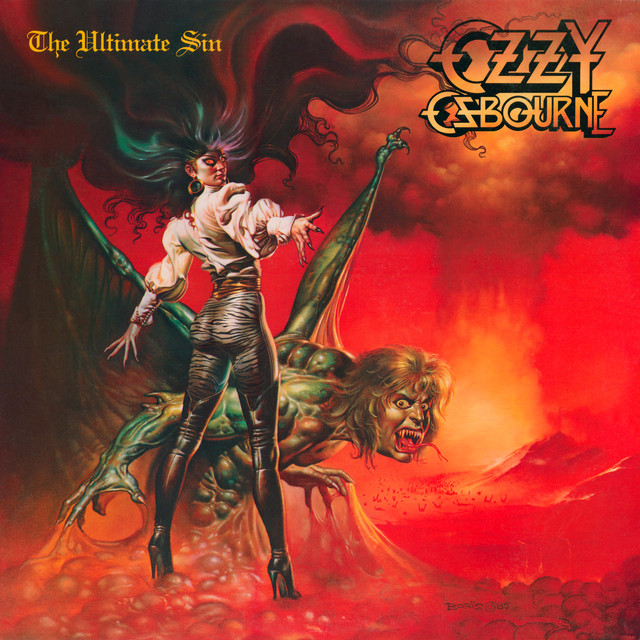
11. Ozzy Osbourne – “The Ultimate Sin”:
The work on the fourth album by the Prince of Darkness, who passed away in July last year, did not go smoothly. Ozzy Osbourne had just come out of rehab and was not particularly creative. Jake E. Lee, who had been unceremoniously removed from the songwriting credits for “Bark At The Moon”, insisted that the same thing would not happen again with “The Ultimate Sin”, and work on the album did not begin until the paperwork was in order. Phil Soussan, who was hired to replace bassist Bob Daisley, who was kicked out in the middle of the album’s creation, brought with him a song from his former band Wildlife, “Shot in the Dark,” an edited version of which ended up on “The Ultimate Sin”. However, Soussan was not credited for this, which naturally led to disputes that were taken to court. There have been few new editions of “The Ultimate Sin” since its release, which is probably due in part to Soussan.
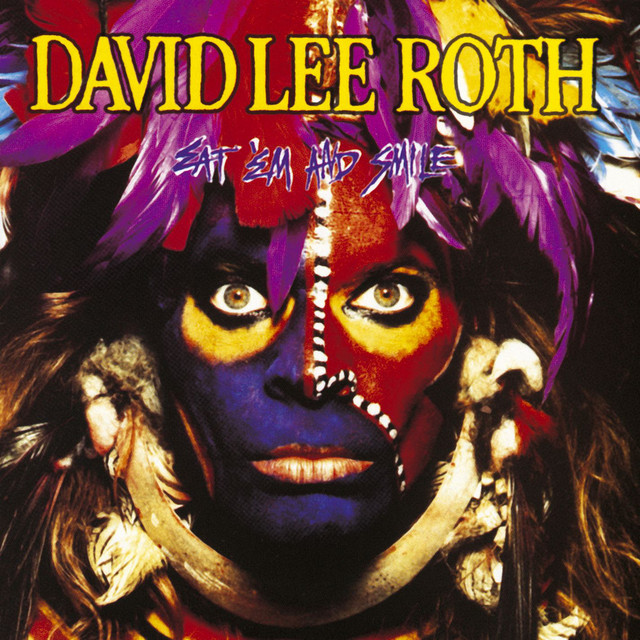
12. David Lee Roth – “Eat ‘Em And Smile”:
David Lee Roth, who left Van Halen in early 1985, released his debut album “Eat ‘Em And Smile”, which featured a slew of songs that were very much in Roth‘s style. The so-called “backing musicians” were also top-notch: the lineup included guitar virtuoso Steve Vai, bassist Billy Sheehan, and drummer Greg Bissonette. The most famous song on this album is definitely “Yankee Rose,” a kind of tribute to the Statue of Liberty, in which Steve Vai “talks” to Roth with his guitar in the intro. A music video was also made for this hit, which unfortunately hasn’t aged very well.
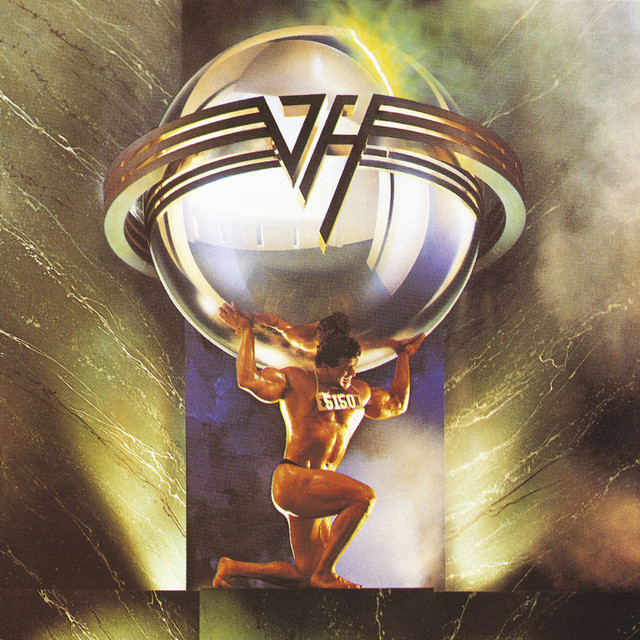
13. Van Halen – “5150”:
At the same time, David Lee Roth‘s former band Van Halen entered a whole new era with their new singer, Sammy Hagar. Hagar, known as the singer of Montrose, ended up in Van Halen through a kind of coincidence when Claudio Zampolli, who worked as a car mechanic for both Eddie Van Halen and Hagar, told Eddie that Hagar would be a good soloist to fill the singer’s position. Eddie Van Halen took action, called Hagar, and invited him to the 5150 home studio – and the rest is history.
Van Halen‘s seventh studio album, “5150,” is named after that home studio, which in turn is named after the California authorities’ code for a mentally disturbed person. The change of singer and the band’s new chemistry shine through on this album, and “5150” offered more synthesizers and ballad-like songs than previous Van Halen albums. Examples of this are the band’s hits such as “Why Can’t This Be Love,” “Love Walks In,” and “Dreams.”
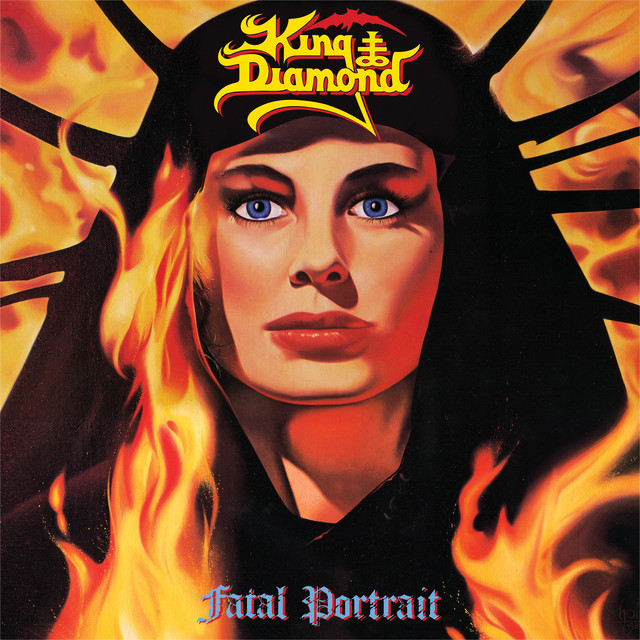
14. King Diamond – “Fatal Portrait”:
After Mercyful Fate broke up, King Diamond‘s debut album, “Fatal Portrait”, saw the light of day. Unlike his later albums, “Fatal Portrait” does not tell a single coherent story. Instead, the first songs and the closing track, “Haunted,” tell the story of Molly, who is trapped in a portrait, while the rest of the tracks are independent entities. The album also includes one of King Diamond‘s most famous songs, “Halloween.”
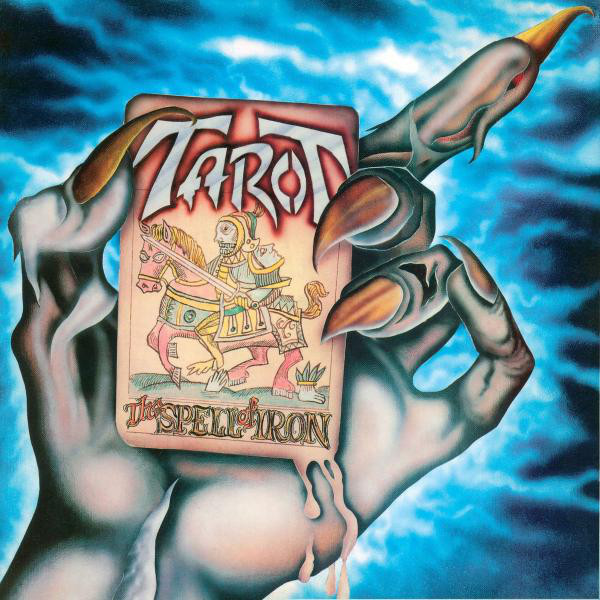
15. Tarot – “The Spell Of Iron”:
Tarot‘s debut album brought an international breeze from the cold north to the world of heavy metal. In 2011, a re-recorded version of the album entitled “The Spell of Iron MMXI” was released to celebrate its 25th anniversary, featuring keyboardists Janne Tolssa and Tommi Salmela, who later joined the band. The singles “Love’s Not Made for My Kind” and “Wings of Darkness” were released from “The Spell of Iron,” with the latter also receiving a music video.
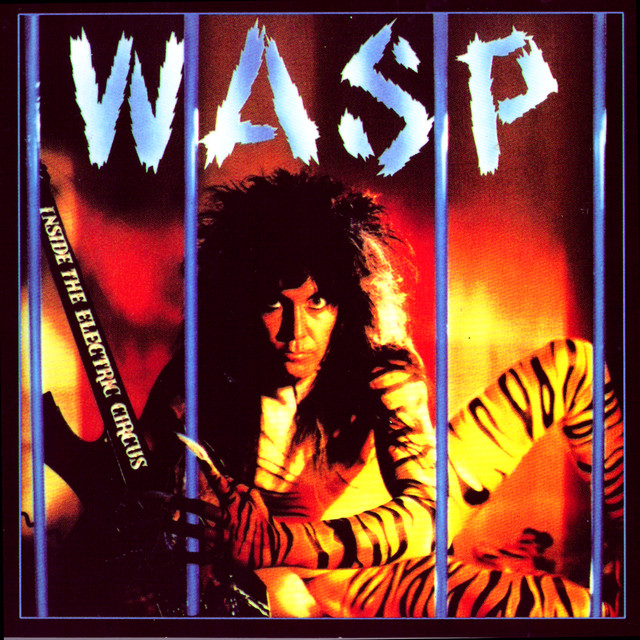
16. W.A.S.P. – “Inside The Electric Circus”:
W.A.S.P.‘s third studio album lacked the familiar riffs, sense of danger, and bloodlust of their previous recordings. The lineup had also undergone changes, with Blackie Lawless switching from bass to guitar to replace Randy Piper, and Johnny Rod taking over on bass. Released in 1986, “Inside The Electric Circus” does not quite reach the level of “The Last Command” or the band’s self-titled debut, even though it offers the hits “9.5.-N. A.S.T.Y.” and “Restless Gypsy,” as well as superb versions of Uriah Heep‘s “Easy Livin'” and Ray Charles‘ “I Don’t Need No Doctor.“
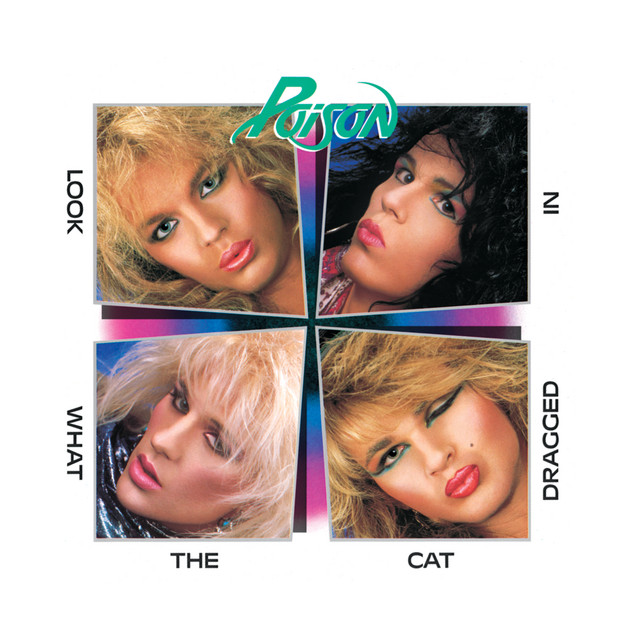
17. Poison – “Look What the Cat Dragged In”:
Just before the death knell of hair metal, Poison‘s debut album “Look What the Cat Dragged In” saw the light of day, which actually culminated in the use of hairspray and makeup in the glam metal scene. Shortly after the band moved to L.A., guitarist Matt Smith returned home, leaving Poison without a guitarist. Auditions were held, with Slash making a guest appearance, but in the end, the guitarist spot went to C.C. DeVille, who brought with him the song “Talk Dirty to Me” – and perhaps that was for the best.
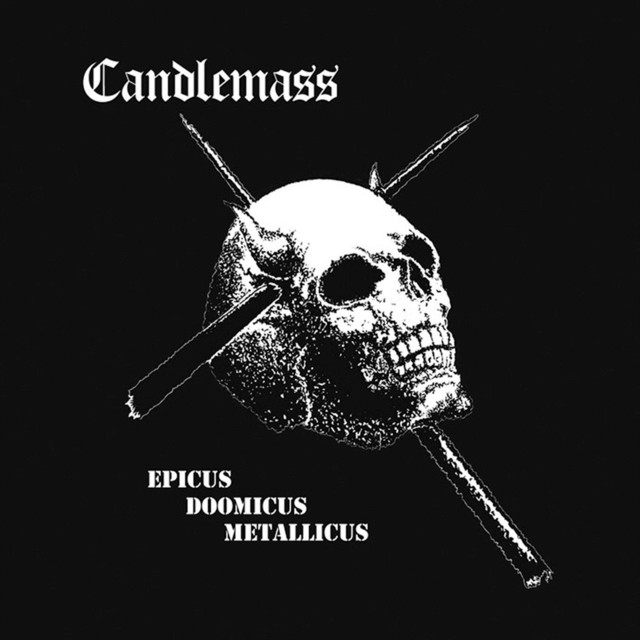
18. Candlemass – “Epicus Doomicus Metallicus”:
Sweden produced more than just Europe‘s heavy metal in 1986: it also gave us the debut album by Candlemass, the cornerstone of doom metal. “Epicus Doomicus Metallicus” was not a commercial success when it was released, but it has since established itself as one of the classic works of doom metal. The singer on this album is Johan Längqvist, who was a session musician at the time. “Epicus Doomicus Metallicus” featured many legendary Candlemass songs, the most famous of which are “Solitude“, “Demon’s Gate“, and “A Sorcerer’s Pledge“.
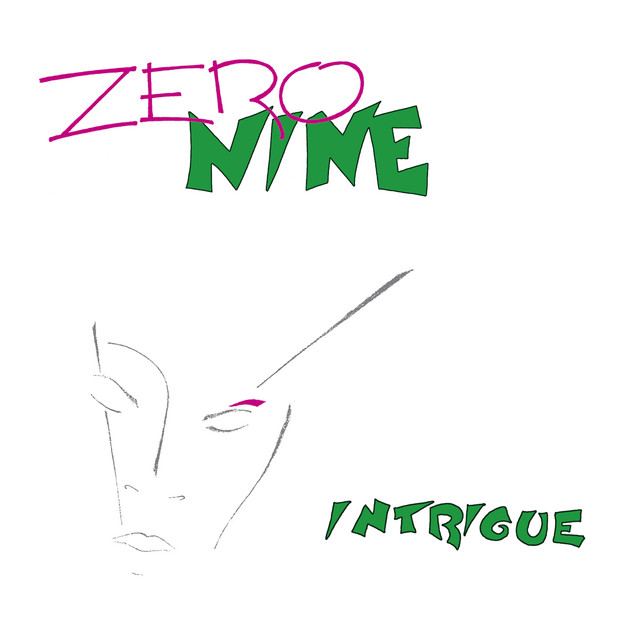
19. Zero Nine – “Intrigue”:
Zero Nine‘s fifth album offered 11 tracks of melodic heavy metal. “Intrigueta” has been hailed as the band’s best album – and rightly so. After the album’s release, the boys from Kuusamo got to perform at the giant Monsters of Rock event in Sweden, where they shared the stage with Ozzy Osbourne, Scorpions, Def Leppard, and others. The absolute highlights of “Intrigue” are the delicate title track and the fast-paced and catchy opening track “Banging On Drums.” The album also features the energetic and catchy “The Last Man Standing,” which was released as a single.
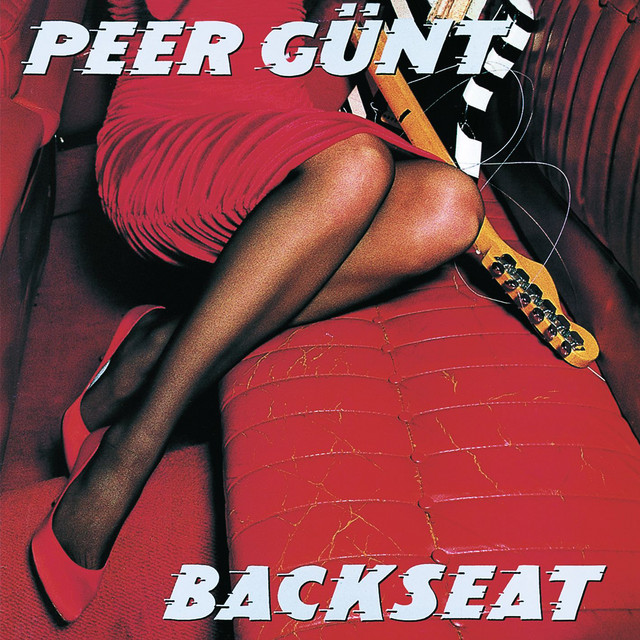
20. Peer Günt – “Backseat”:
Peer Günt‘s second album, released in 1986, is also celebrating its anniversary this year. On this album, Teijo “Twist Twist” Erkinharju shows everyone how to get the most out of the drums, and Teijo “Tsöötz” Kettula provides a magnificent backdrop with his bass lines – not to mention Timo T. Nikki’s well-known growls and tight riffs, which, incidentally, show little mercy.