Metal, Hardcore, Indie, Rock
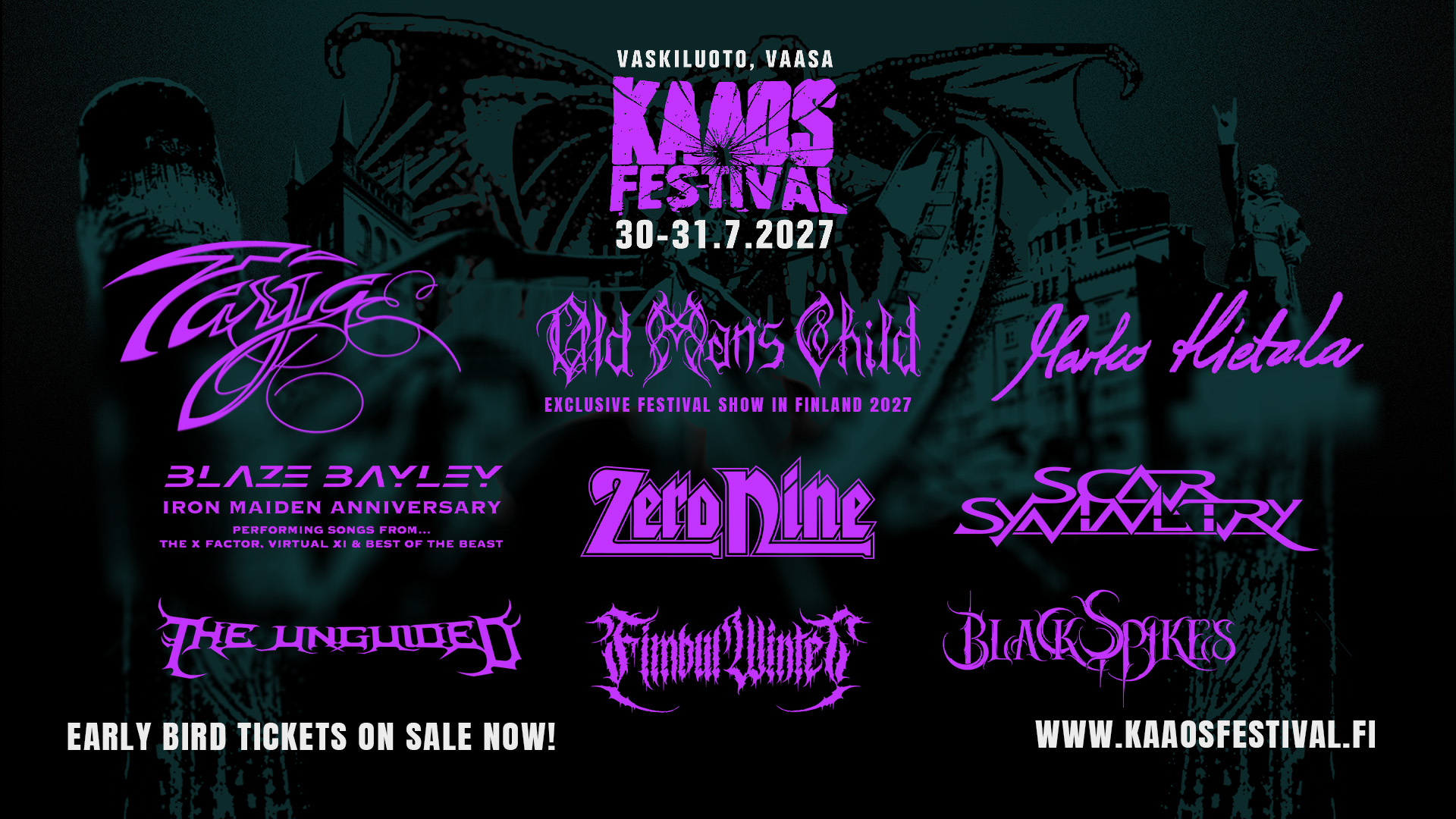
Finland is known around the world for many things — thousands of lakes, saunas, salty liquorice, and technology. However, one of the country’s most visible and internationally recognized exports is undoubtedly heavy music. Finland is officially considered the most metal country in the world when measured by the number of active metal bands per capita. Over the decades, this strong subculture has grown from damp basement rehearsal spaces and tiny underground clubs to massive stadium-sized stages. Heavy music in Finland is no longer just a marginal phenomenon; it has become an essential part of Finnish cultural identity and, at the same time, a multi-million-euro music business.
Every great story starts small. Many legendary Finnish metal bands began their careers in dark youth centers or obscure clubs where the audience sometimes consisted of only a handful of people. In these harsh environments, musicians sharpened their skills to perfection, built their band identities, and created the unique soundscapes that would later conquer major European and American markets. Finnish metal has always relied on strong technical ability, dark yet highly memorable melodic compositions, and an uncompromising attitude.
Today, the situation is completely different from the 1990s. Finnish bands now headline some of the world’s biggest rock festivals, such as Wacken Open Air and Hellfest. Domestically, Finland hosts several top-tier festivals dedicated entirely to heavy music, such as Tuska Open Air, attracting tens of thousands of fans from around the world. Music exports have become highly professionalized. Behind every tour stands a massive operation ranging from sound engineers and lighting designers to tour managers and marketing professionals. Music has become a global business where visual presentation and branding are just as important as the quality of the music itself.
Record sales alone have not guaranteed artists a living for a long time. The transformation of the music industry and the massive rise of digital streaming services have forced bands to rethink their revenue streams entirely. Today, merchandise sales are a vital part of a band’s economy. In addition to black band shirts, hoodies, and limited-edition vinyl records, many major bands have expanded their brands into the beverage industry by launching signature beers, wines, and even coffees. Dedicated fans want to support their favorite bands in every possible way and display that support proudly.
One of the most interesting and fastest-growing ways heavy rock has expanded beyond traditional music is through digital entertainment. Many major game developers have recognized the enormous commercial potential of rock and metal culture. A modern and secure nettikasino now offers players numerous officially licensed music-themed games. Major software studios have collaborated with world-class rock bands such as Guns N’ Roses, KISS, and Motörhead to create highly polished slot games. These games feature the bands’ most iconic songs, while their visual aesthetics perfectly replicate live concert atmospheres complete with lights and pyrotechnics.
Designing these digital music games has become an art form of its own. They are not merely simple games with a band logo slapped on top. Software developers invest enormous amounts of time and resources to ensure every detail remains faithful to the original spirit of the band. Guitar solos are synchronized precisely with the game graphics, while visual effects such as flames and lightning mimic the atmosphere of a real stadium concert. This requires careful management of music copyrights alongside top-tier 3D modeling expertise from game developers. The fusion of rock culture and digital gaming has introduced an entirely new and passionate audience to the gaming industry — one that values quality and authenticity.
Ultimately, both metal music and modern digital entertainment are about community and escapism. Metal concerts are places where people gather together to celebrate music in an open-minded and accepting atmosphere, even if the music itself may sound aggressive. In the same way, digital entertainment platforms offer adults a safe and exciting escape from the stress of everyday life. These officially licensed music-themed entertainment games are an excellent example of how two completely different forms of entertainment can merge seamlessly into one experience. They offer fans a completely new way to experience the music and visual worlds of their favorite bands.
Heavy music is no longer just sound stored on a CD — it is a complete experience that lives as powerfully on live stages as it does in digital gaming worlds. In the future, we will undoubtedly see even more innovative and visually spectacular virtual reality (VR)-based gaming experiences where rock aesthetics and high-end entertainment merge together, creating entirely new business models and experiences for fans.
The significance of heavy music has also been widely studied in academic circles. For example, the internationally recognized publication Heavy Metal: The Music And Its Culture explored in depth how metal music forms its own global subculture with unique values and rules. Research data clearly shows that heavy metal is not just a passing musical trend, but a powerful social force that connects people across borders. This cultural depth explains why so many digital entertainment platforms — including modern licensed games — want to associate themselves so strongly with this loyal and community-driven audience. When music carries such a strong cultural identity, entertainment products derived from it resonate with consumers far more deeply than superficial themes ever could.