
Metal, Hardcore, Indie, Rock
Adrian Vandenberg on David Coverdale’s retirement: “I wasn’t really surprised he quit music. I was more surprised that he pulled back from social media”
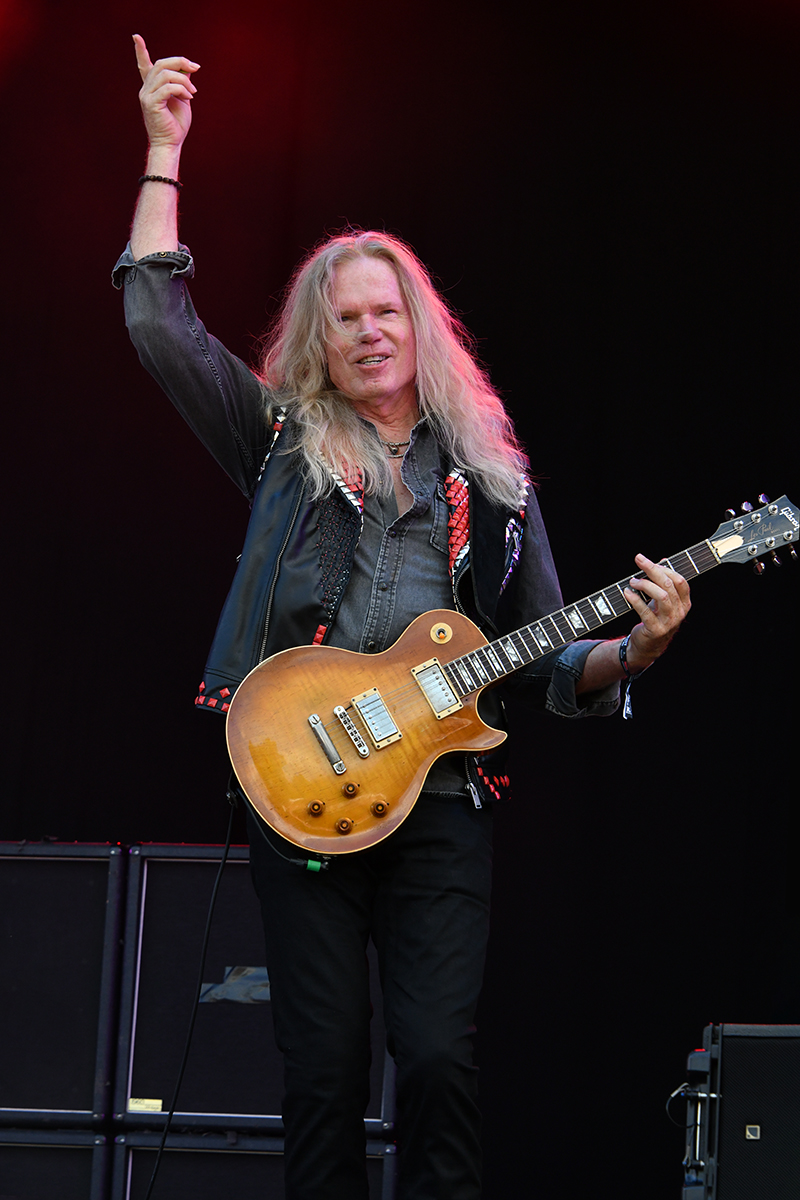
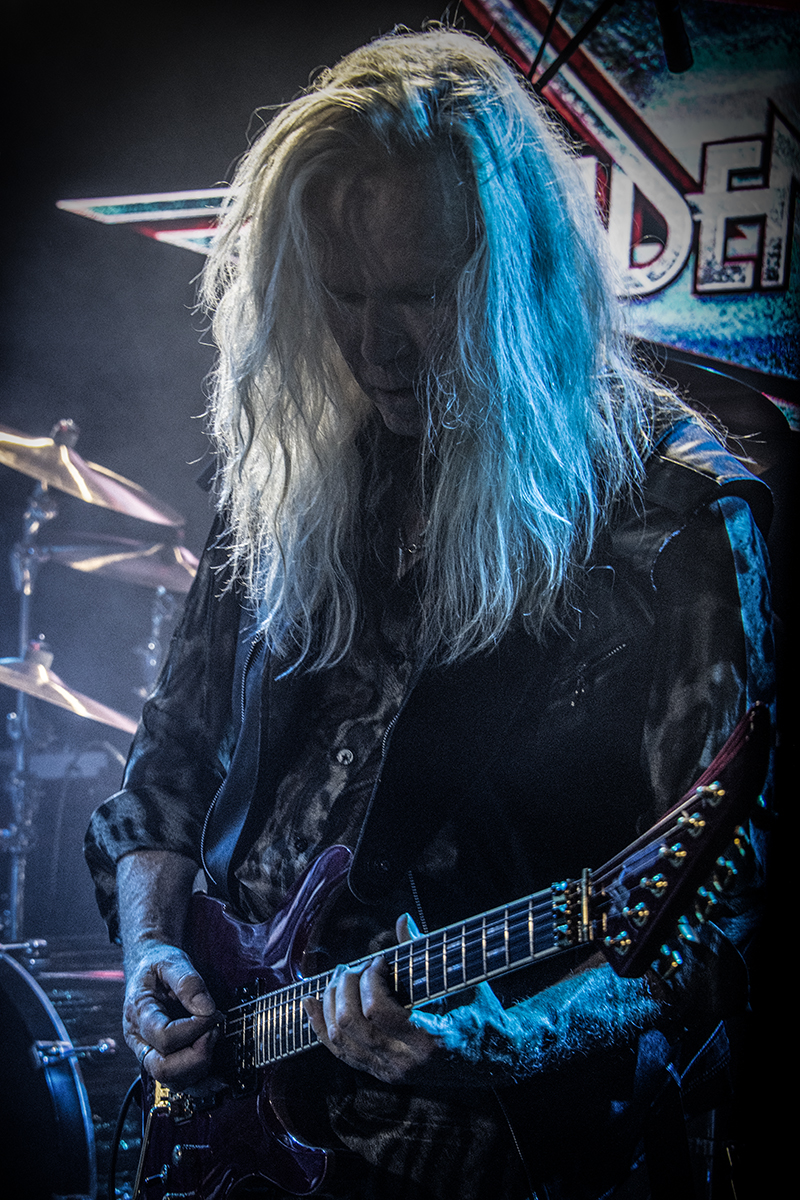
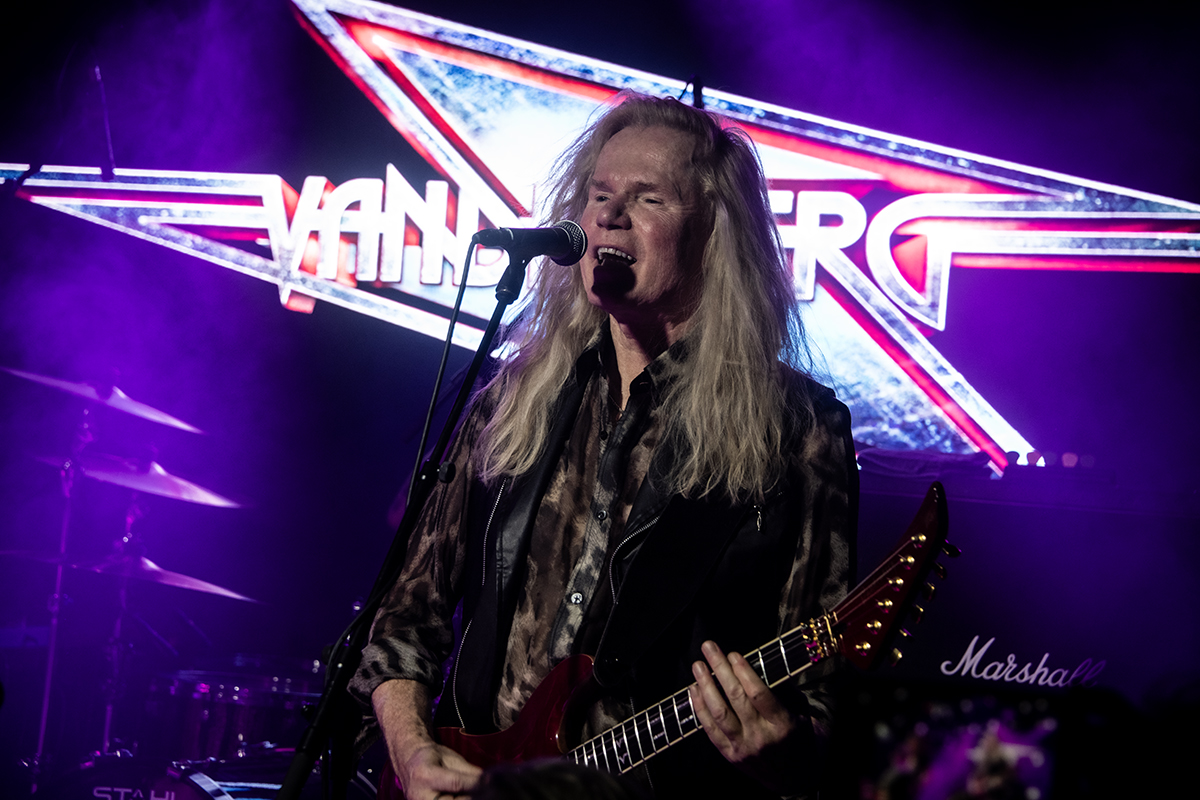
Nearly 30 years after his last Finnish appearance with Whitesnake’s ‘Restless Heart‘ tour, Adrian Vandenberg returns to Helsinki with his own band, Vandenberg, to celebrate the iconic era that defined ’80s hard rock. The Dutch guitar legend reflects on the “My Whitesnake Years” tour, David Coverdale’s recent retirement from the spotlight, and the surreal experience of hearing the classic Whitesnake riffs come alive through vocalist Mats Leven’s Coverdale-esque growl. With a new Vandenberg album in the works and renewed hopes of reissuing those elusive ’80s classics, Vandenberg proves that time machines do exist—they just run on six strings and attitude.
BACK IN THE FINLAND GROOVE
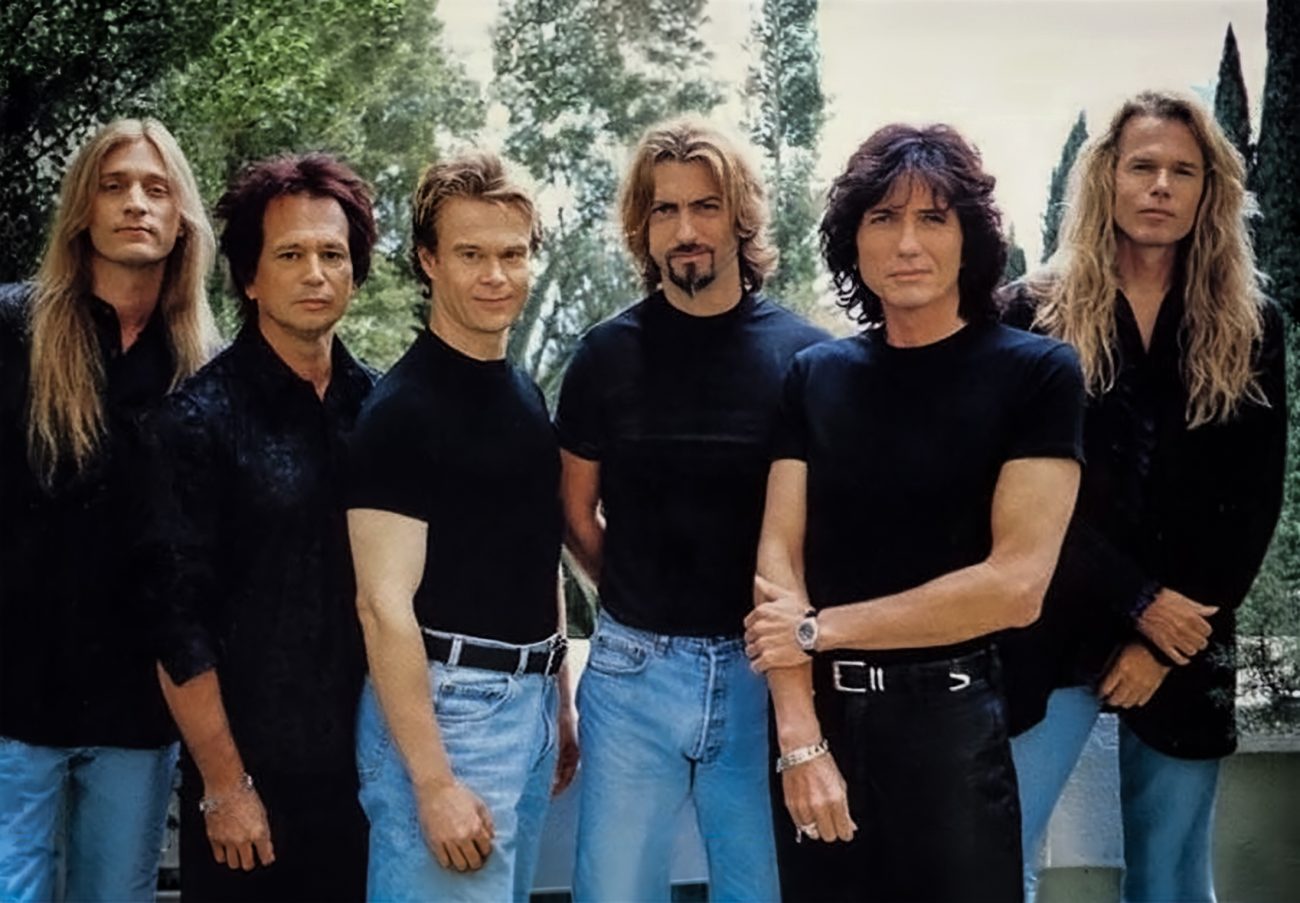
Chaoszine: First of all, welcome back to Finland. It’s been 29 years since your last visit. You were here with Whitesnake for the Restless Heart tour. It’s crazy how time flies, isn’t it?
Adrian Vandenberg: It is crazy. Especially because it doesn’t feel like it. It feels like it was a long time ago, but 29 years, if you see those numbers on paper, you go, holy shit, that’s a long time. I would never have thought that I would still be running around with hair halfway down my ass and doing what I love most. So, basically, I’m grateful that I can do this with a great band, great musicians, great guys, and play all over the world. It’s fantastic.
Chaoszine: Do you have any special memories from that tour, because that was the last Whitesnake tour before the hiatus, I think. [laughs]
Adrian Vandenberg: Yeah. I know, it was the final tour before the hiatus and the next Whitesnake tours without me. [laughs] It was a bit of a strange tour for us at the time. I always enjoyed playing, but it was… yeah, strange. The lineup was very different. Denny Carmassi, from Montrose and Heart, was the drummer on that run. He’s one of my best friends ever and a great drummer—opposite of Tommy Aldridge, but he’s got his groove and just keeps going like a Rolex. We had a blast. I really liked the bass player too, Tony Franklin, who’d played with John Sykes in Blue Murder. We had some surreal experiences in weird cities, man. Great memories, and it was different playing with that lineup. We hit Japan, Europe, South America and Russia, which will probably never happen again the way the world is now. At least not in our lifetime—it’s a strange world we live in right now.
So, in certain countries, it went great. South America, man, people went nuts. But in many other countries, they only wanted to hear the ‘1987’ album. And England… holy shit, England has always been so split up. You got the guys saying, “Micky Moody and Bernie Marsden, that’s the real Whitesnake.” Then the other guys go, “No, no, John Sykes is the shit.” It’s like Van Halen, you know? “Sammy Hagar is better than David Lee Roth.” “No, Roth is the guy.” I don’t know why people do that. Come on, man, you like the band, or you don’t, you know? So, the same thing was happening on that tour. People were expecting that big pompous ‘1987′ sound in some countries.
But I think we came here straight from Russia that time, and Russia was quite depressing. And then we came into the civilized world, and everything was clean, and people had a smile on their faces. I went, holy shit, I was so glad to be here. I feel sorry for people in Russia. They’re oppressed, and basically all they can do is drink. And then… not the next morning, but by that evening. You know what I mean. It was in summertime, wasn’t it?
Chaoszine: No, it was in November, and I remember it was cold as hell, and you actually went to Russia after Finland [laughs]
Adrian Vandenberg: Well, there you go [laughs]
MY WHITESNAKE YEARS
Chaoszine: Anyway, you’re back in Finland now, and again this time under the Whitesnake theme.
Adrian Vandenberg: Yeah, yeah. That’s actually a coincidence in that respect, if you look at it like that. [laughs]
Chaoszine: This tour has been successful around the world, so the decision to play Whitesnake songs again has been a good one.
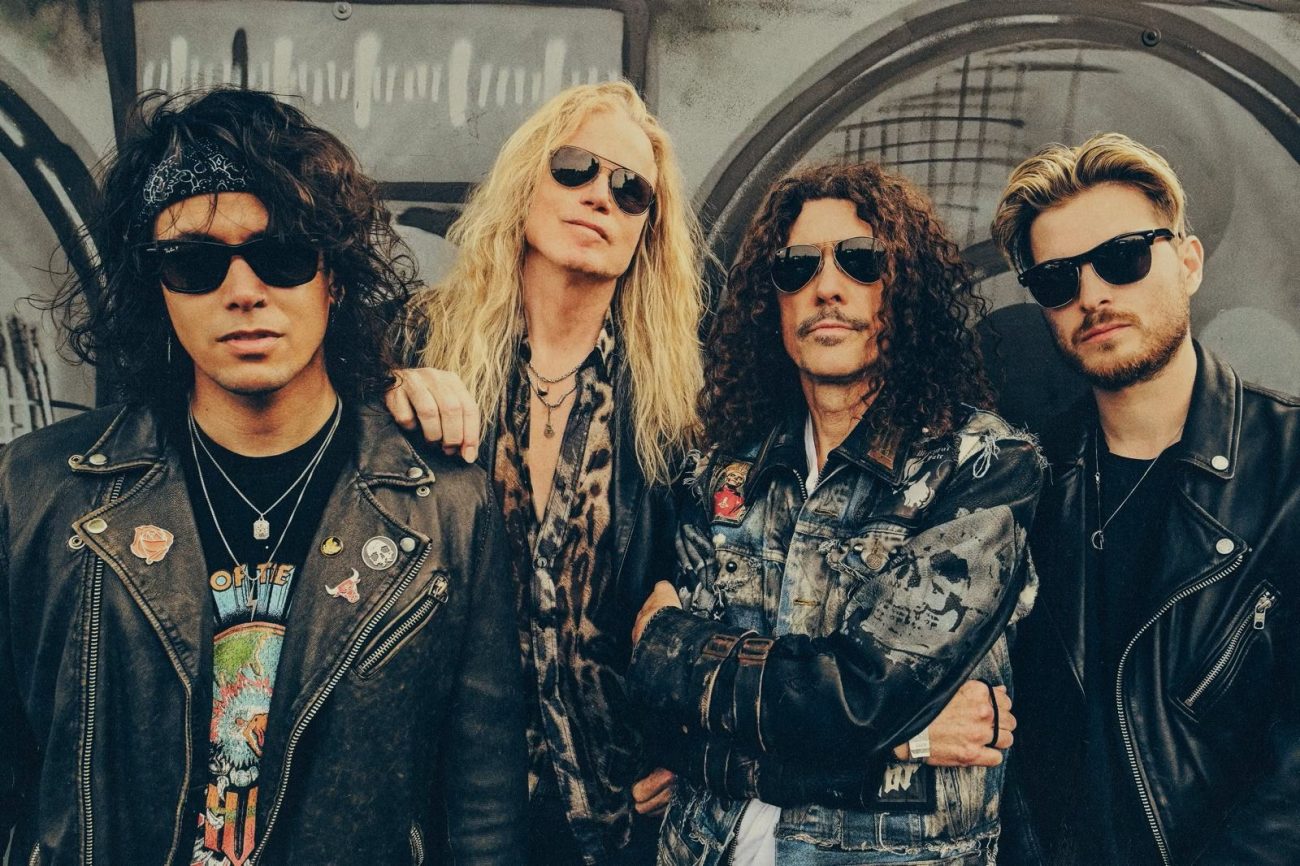
Adrian Vandenberg: For me, it’s great to do it again because I haven’t played most of those songs in such a long time. So, I really had to look at them again and figure out how we’re going to do it now. We play them our own way, of course, but I’m lucky these musicians can play them well. Bassist Sem Christoffel played with me in MoonKings for years, and, actually, we now have Mart Nijen Es, the MoonKings drummer, with us right now because Joey Marin de Boer has an obligation. He couldn’t come with us here. But the interesting thing is, Joey is like a reincarnation of Tommy Aldridge. So, he fits really well with what we do. And Mart is from the John Bonham school—that kind of drummer. He’s a groove drummer; you can tell when he plays. And I love playing with both of them. So, I feel very privileged to do this and play those songs again, because in the Whitesnake days—we started in ’87, of course, and the last tour I did with Whitesnake was in 1997. So, I played those songs a lot. And then, suddenly, when you haven’t played them for almost 30 years, they feel fresh again, and I’m really enjoying them.
Chaoszine: As you said, you now have the rhythm section of MoonKings. The guys from your past bands are playing with you again, and you have your trusted guys. I think that helps.
Adrian Vandenberg: Oh, yeah, totally.
Chaoszine: But you also have the secret weapon in your league, called Mats Leven.
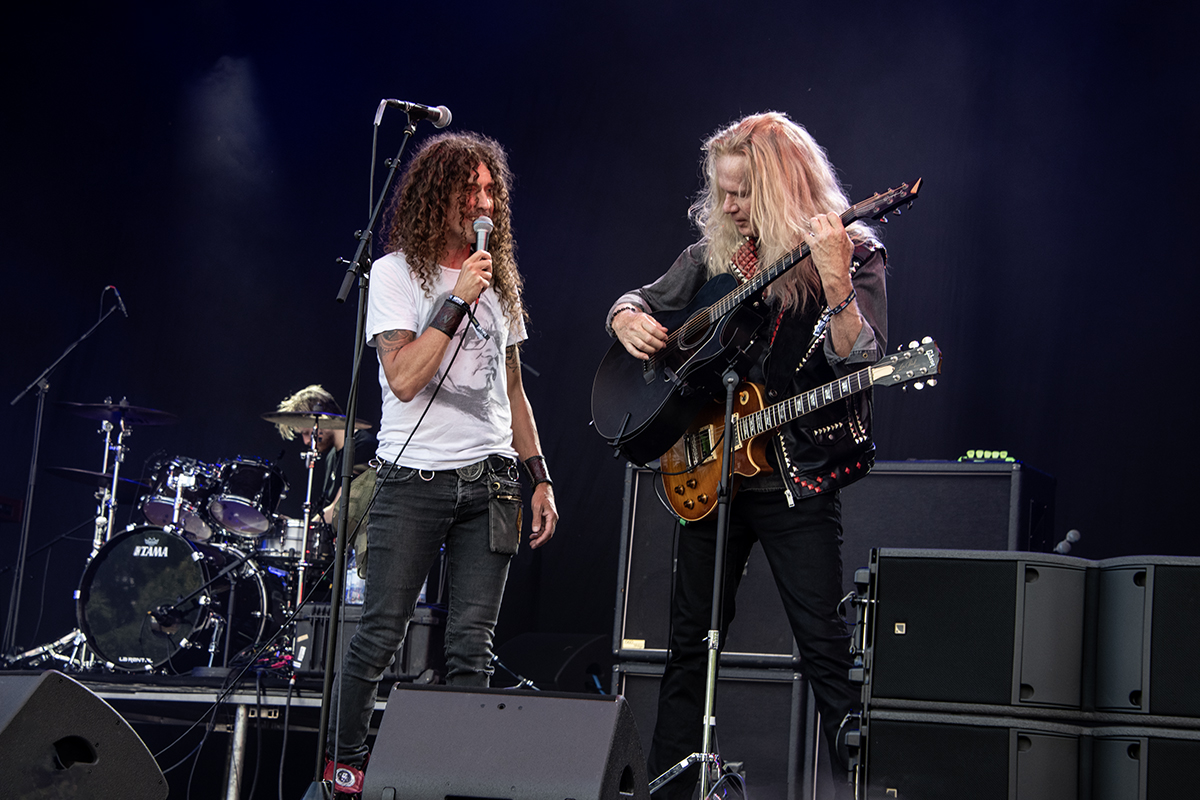
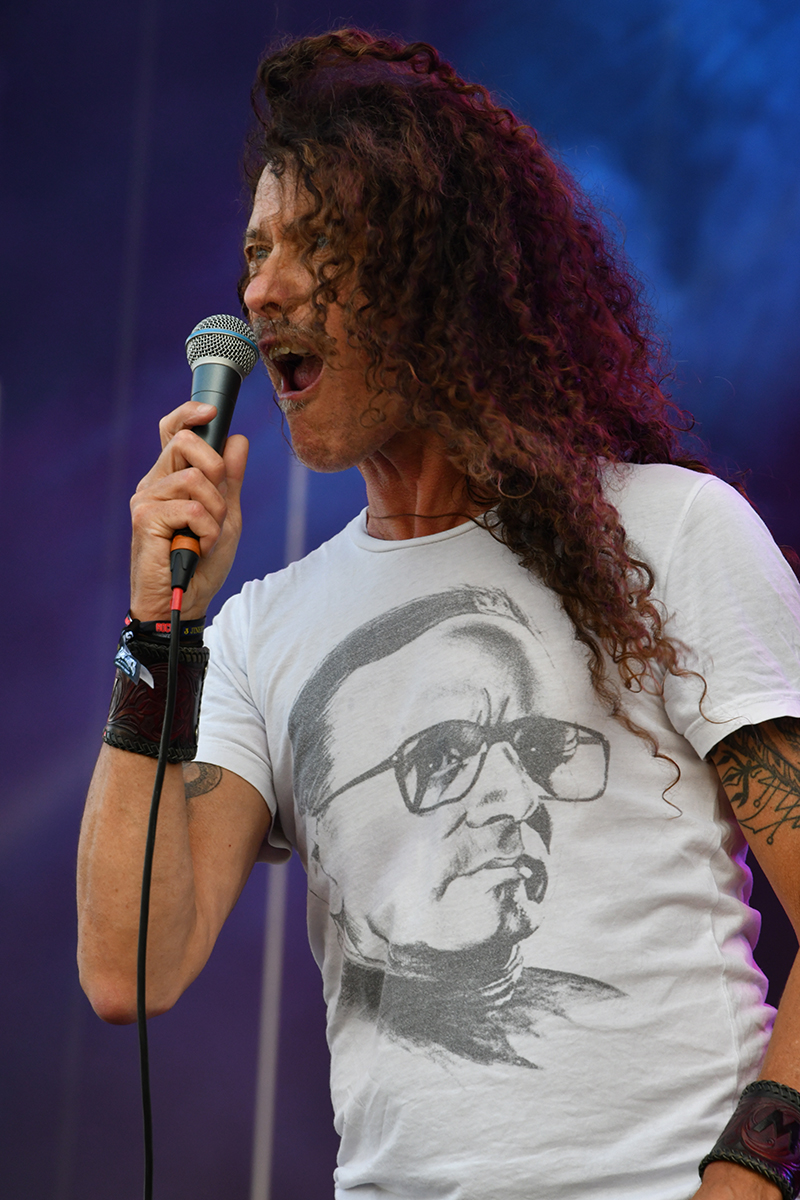
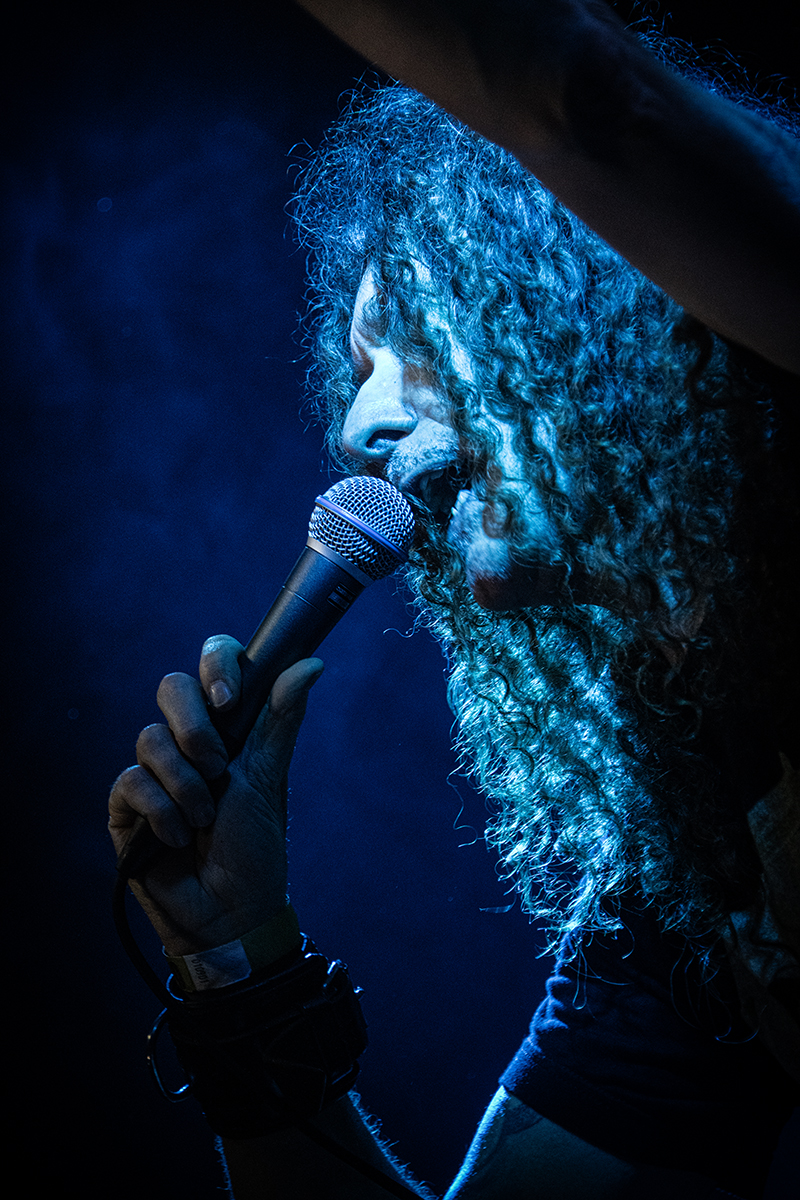
Adrian Vandenberg: After I parted company with Ronnie Romero, who sang on the ‘2020′ album, I started thinking about who could possibly handle this kind of material with the range to cover both David Coverdale and Vandenberg songs. Then I remembered that in the early ’90s I’d heard some tracks by the Swedish band Treat, with Mats as the singer, and I was very impressed. I also remembered that he’d worked with Yngwie Malmsteen in the mid-’90s. Anyone who survives that experience already scores some extra points! [laughs] Mats is a very strong singer and a great person to work with. We connect well musically, and he has a commanding presence on stage, which is really important for this kind of music. He fits very well in the band.
He’s happy, and we are happy, and right now we’ve already been together, I think, for three years or so. The first show we did was in England during the COVID period, when bands weren’t even allowed to play in Holland, but they opened up a little earlier there. That was our first show with Mats Leven, and it went great. As a whole, I feel very fortunate and more than happy with the lineup we have at the moment. And I’m really happy with the album ‘Sin’ we did together. I’m really proud of it, so I’m looking forward to the next one. I’m slowly but surely collecting ideas for the next album as well. It should be fun.
Chaoszine: Now that you’ve mentioned Yngwie, Mats is going to do a Japan tour next May on his own, performing the entire ‘Facing the Animal’ album—the Yngwie album that he sang on.
Adrian Vandenberg: That’s correct.
Chaoszine: Speaking a bit more about Mats, I think I’m not the only one saying he reminds me a lot of David Coverdale—if you listen to his voice, he’s got quite a similar sound to what David used to have around 1989?
Adrian Vandenberg: Yeah, he is in that respect. He’s got the same timbre in his singing. Many people try to sing Coverdale songs. Dino Jelusick does a great job, but he has a slightly higher tone in his voice, and Mats has that low, growly thing that David also had, especially in the later years when David’s voice started to get a little rougher. And Mats still gets all the high stuff, too. So, he can do both styles, and it’s really great.
Chaoszine: Do you ever close your eyes and feel like you’re still on stage in Whitesnake with Mats up there?
Adrian Vandenberg: Not really, but I could imagine that I would, because for me, it’s also a time machine. I suppose when I do close my eyes… maybe I’ll try it out tonight. [laughs]
Chaoszine: On your last U.S. run, you ended up doing a show or two with Keith St. John on vocals, then Mats came back pretty quickly, and a few days later, you were playing together again on the Monsters of Rock Cruise. What was going on there?
Adrian Vandenberg: Oh, yeah, of course. I talked to Keith St. John, who does a lot of different stuff around. It was because Mats got sick during the last couple of shows of the American tour. I thought, ‘Man, we have to try to do those shows to break even for the whole tour.’ So, I called up Johnny Gioeli, a great singer. He’s a little bit strange on stage, but he’s a great singer. he was not available at that time. So, I called up Keith, and Keith came down to the show in New York, actually. But in the end, there were only two shows left, and right after that, we were going to the Monsters of Rock Cruise. So, it would have been kind of strange if we changed to a new singer on the day itself. It always ends up on YouTube right away, and you do a so-so show, and everybody goes, ‘The band doesn’t sound like it used to be.’ So, it’s not worth it, and it costs a lot of money. But I’m always very keen on maintaining a certain quality level; otherwise, I don’t want to do it. You know? Otherwise, it’s too frustrating.
HOW LONG THE WHITESNAKE TOUR WILL CONTINUE?
Chaoszine: You’ve been doing this ‘My Whitesnake Years’ tour for about a year and a half now. How did you come up with the original idea for this special tour?
Adrian Vandenberg: It kind of started… we did a couple of Whitesnake songs a year and a half ago, you’re right about that. We had a half-Vandenberg, half-Whitesnake set. And then last year, it was 35 years ago that we played Donington with Whitesnake. Actually, Ralph, our tour manager, said, “Wouldn’t it be…” Ralph said it. I didn’t even realize it was 35 years ago. Ralph said, ‘This year is 35 years since you played in Donington. Wouldn’t it be great to celebrate it with a full-on Whitesnake set?’ We still do two or three Vandenberg songs because a lot of people want to hear those, too. But I said, ‘Yeah, great, let’s do it.’ So right now, it’s the year after the Anniversary year, but a lot of people still ask for it. You know, ‘Can you do that set again?’ I thought, ‘Yeah, okay,’ because we enjoy doing it. What’s not to like? But of course, we’re not going to do it forever.
Chaoszine: Have you thought about how long you’re going to keep touring with this Whitesnake theme? I imagine there’s a limit to that, and then you go back to the normal Vandenberg routine.
Adrian Vandenberg: Exactly. So we keep on doing this as long as we enjoy it, and the people do too, we will always do a couple of Whitesnake songs. Even with MoonKings, we always did ‘Sailing Ships,’ and we did ‘Judgement Day‘ and ‘Here I Go Again.’ Those were the only three Whitesnake songs we did with MoonKings.
WHITESNAKE TALK
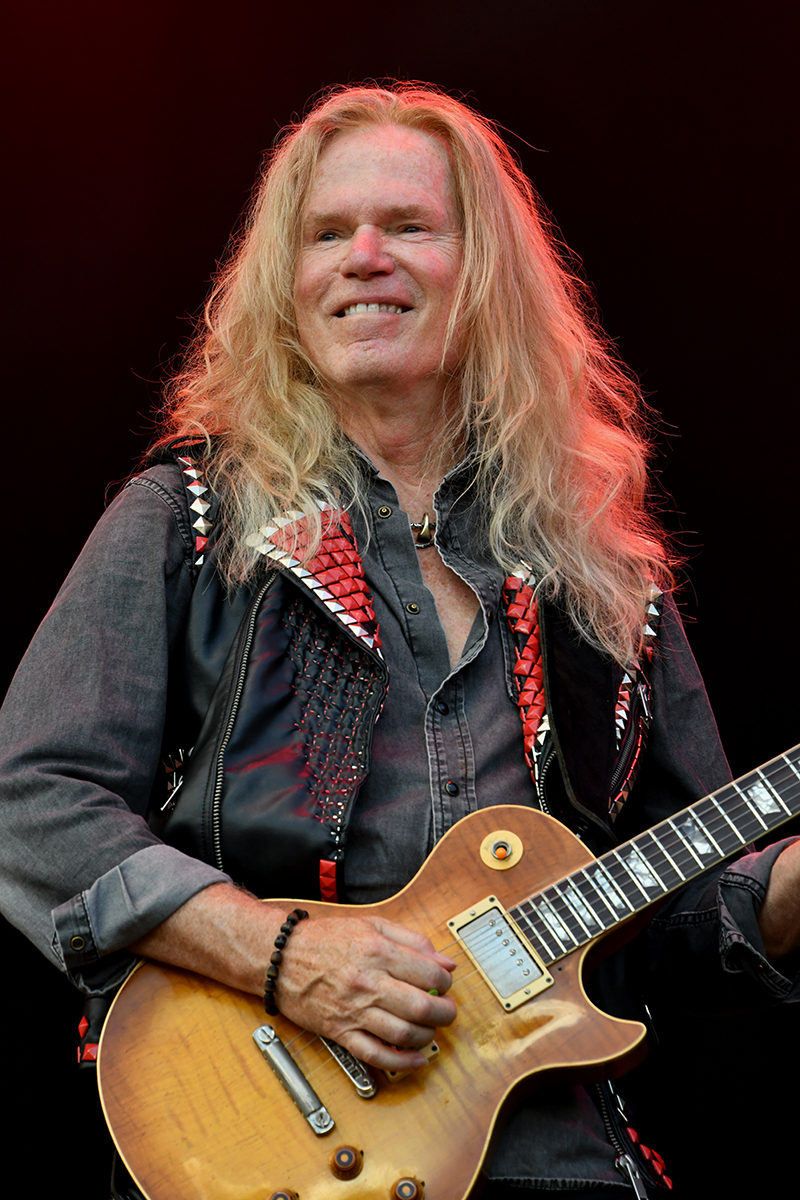
Chaoszine: During our 2024 interview in Sweden, I asked you about rumors that David Coverdale was planning to record another album with former band members, including you. But that album never materialized. He announced last December that he was ending his career and retiring. So, when was the last time you heard from him? Did you receive a traditional Christmas card, birthday wishes, or something else from him?
Adrian Vandenberg: The last time I heard from him, it was last year—either on Christmas or on my birthday, one of the two. Can’t remember which one it was. [laughs]
Chaoszine: Were you at all surprised when he announced he was retiring—not just from music, but from social media and public life?
Adrian Vandenberg: I wasn’t really surprised he quit music. I was more surprised that he pulled back from social media, since he was on it all the time. That was the unexpected part. I haven’t talked to him in quite a while, but yeah, it makes sense he retired. So, he finally did it, and I think it’s a good thing. He joined Deep Purple when he was 23 or 24. That was really young. So, he’s been doing it all his life, which is still great. I mean, there’s only one Coverdale, everybody knows that. So, on the one hand, it’s a pity. But at the same time, I see guys like Mick Jagger and Steven Tyler from Aerosmith, and some others who are still going strong. I don’t know how long they’ll go on, but I do know that Steven Tyler wants to go on until he drops. And he can still sing great. It’s amazing.
Chaoszine: He was amazing on the Ozzy thing last summer.
Adrian Vandenberg: Oh, man. Holy shit! He was amazing, and it’s also great to see younger guys like Yungblud taking the torch and carrying it forward. And he definitely adds his own contemporary vibe to it. He was born a rock guy. He looks like a member of the Sex Pistols, actually, more like an ’80s rocker with long hair and stuff. But my daughter was blown away by it, and I raised her on everything. She loves everything that’s great in whatever genre, but she’s very much into rock as well. She’s 27, almost 28. She said, ‘Dad, you’ve got to check out this Yungblud guy,’ because she was already aware of him before the Ozzy thing. She actually went there. She got a ticket. She went with Rudy Sarzo and his wife. So, she said that this Yungblud guy came up to her and said, ‘Hey, I’m sure you want to take a picture with me, don’t you?’ [laughs]
THE LEGACY OF WHITESNAKE
Chaoszine: You spent more than ten years with Whitesnake—your name will always be tied to the band—so how would you sum up your history there? And what’s your view of the legacy Whitesnake left behind?
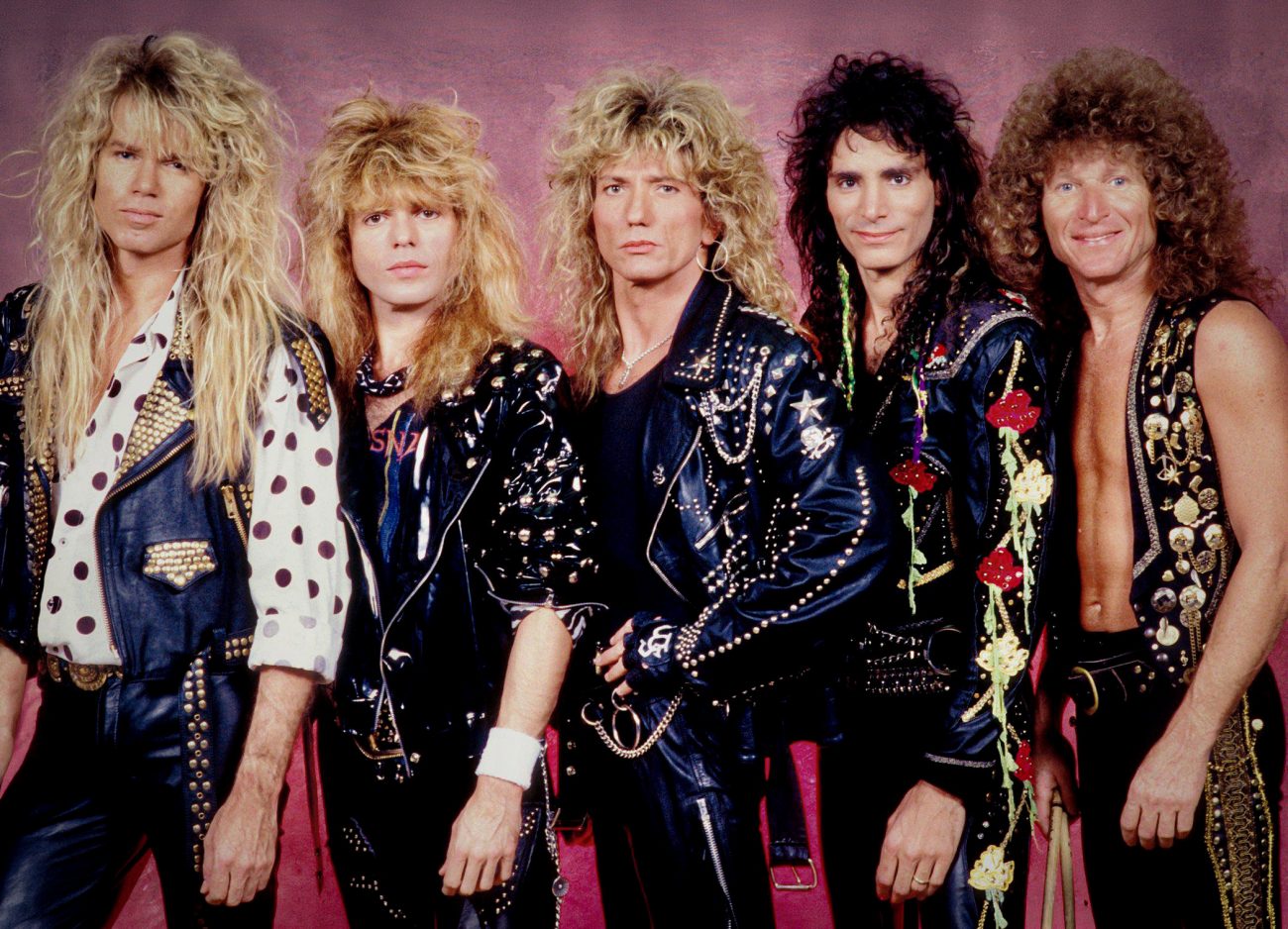
Adrian Vandenberg: Well, Whitesnake has become an institution, especially since ‘1987,’ because, as you know, before that, Whitesnake was big predominantly in Europe and Japan. And then, with the ‘1987’ album, everything blew up and became more of a global thing. I think the ‘1987′ album, most people agree, was pivotal and the epitome of what the ’80s stood for. It was glamorous, featured phenomenal guitar work from John Sykes, of course, and tons of great songs. It was on MTV all the time. So, I think the legacy is, especially in my opinion, quality rock with great singing, great playing, which definitely wasn’t the case with most of those bands, because a lot of bands came in the slipstream of bands like Whitesnake, Def Leppard, Aerosmith, and then a whole bunch of those LA bands that had a guitar player who wanted to sound like Eddie Van Halen and a singer who was squealing like a pig in a slaughterhouse. So, it became very generic. But if you think back about the sound of the ’80s, I think it was a combination of… If I had to name five bands that left a lasting mark, in my opinion, it would be Def Leppard, Whitesnake, Bon Jovi, Aerosmith, and Guns N’ Roses, of course. But that was more of a crossing point into the ’90s, I think. I mean, they took it in a more punkish direction, but they started out as a glam rock band. They had big hair and stuff in their early days, too.
Chaoszine: It’s no secret that Guns N’ Roses, like many other bands of the time, owe a lot to the Finnish band Hanoi Rocks. Axl and Slash have spoken openly about it many times over the years. Do you remember Hanoi Rocks from the ’80s?
Adrian Vandenberg: Yeah, right. I actually have the Hanoi Rocks album, the very first one that I got at the time, and it’s brand new, so I’m not going to throw it away. With Hanoi Rocks, I suppose I was hoping that nobody would find out I liked them, but the internet—there you go. [laughs] GNR got away with that for quite a while. In America, people thought, “Oh, this is a cool vibe,” and then suddenly they went, “Wait a minute. Hanoi Rocks were there like that a lot earlier.”
Chaoszine: Yeah, people often overlook that. Back when I was into the Sunset Strip bands, nearly everyone praised Hanoi Rocks. Without Hanoi, glam rock in the ’80s wouldn’t have existed the way it did. Of course, ’70s glam rock artists like Bowie, The Sweet, Alice Cooper, and KISS had their own style, but the ’80s scene was quite a bit different from that.
Adrian Vandenberg: Yeah, it was a different thing. With Hanoi Rocks and, of course, Guns N’ Roses, it was glam but also about the attitude—more like a rebellious kind of punkish attitude, unlike the sweet guys from L.A. They were all very feminine and glamorous. You couldn’t get more feminine than Michael Monroe, but there was a certain attitude that he had that was more rebellious than, for instance, the Poison guys. They also looked like drag queens, but they just sat there, and they were nice and sweet and all that stuff. Michael Monroe was a different deal—I think he had more of that punkish attitude, that Iggy Pop type of thing about him.
Chaoszine: I totally agree. It’s always been about Monroe’s tough, punkish attitude on stage.

SOME AC/DC AND AXL ROSE TALK
Adrian Vandenberg: Attitude is everything. I think in rock, if it doesn’t have attitude, it misses the spark that makes it cool. You know? And that’s why AC/DC is still cool. I mean, those guys have been around forever. Actually, with my very first band, when I was 21, we supported AC/DC in Holland and Belgium. That’s when I introduced Angus Young to his wife, Ellen. And they’re still married, and they live really close… Well, one of their houses is right near where I live. But they’re rarely home. Sometimes I drive by there—a good friend of mine lives very close by—so I see if they’re home or not. You can’t see them. I haven’t seen them in a long time.
Chaoszine: Their private life is a really well-kept secret. Nobody knows anything about them outside of the band thing.
Adrian Vandenberg: Yeah, and it’s very smart. Especially in that respect, because Angus and his wife go to the village market, and she’s almost as tall as I am, and Angus is like this [indicating short height]. He carries the big bags, and Ellen goes, ‘I want to get this. I want this.’ They get some apples. She’s really cool. I think she has a lot to do with the fact that Angus is still going strong. I mean, he can look like a granddad on acid, but he still does it, which is great. ‘Laughs’
Chaoszine: I actually saw AC/DC in Estonia last summer, and they still delivered a great show. Also met Angus briefly in the city.
Adrian Vandenberg: Oh, yeah. All right. He’s a very nice guy.
Chaoszine: And I heard that AC/DC have already booked shows for this whole year. There’s no end in sight. As long as he and Brian want to, it’s good to see him back fronting the band again.
Adrian Vandenberg: Yeah, he’s back. It was a weird thing when Axl was with them. The vocals were great, of course, and Axl was actually in better vocal shape than he is now. Maybe he wrecked his voice on the AC/DC tour because that’s all high notes. So, with Guns N’ Roses, there are more ups and downs, because after that, Axl’s voice was never the same again. He sounds like Winnie the Pooh now—’ Welcome to the Jungle!’ It’s a bit of a pity. He’s still Axl ‘fucking’ Rose, but… yeah, he can do what he wants to.
Chaoszine: Yeah, and he does. [laughs]
NEW VANDENBERG ALBUM
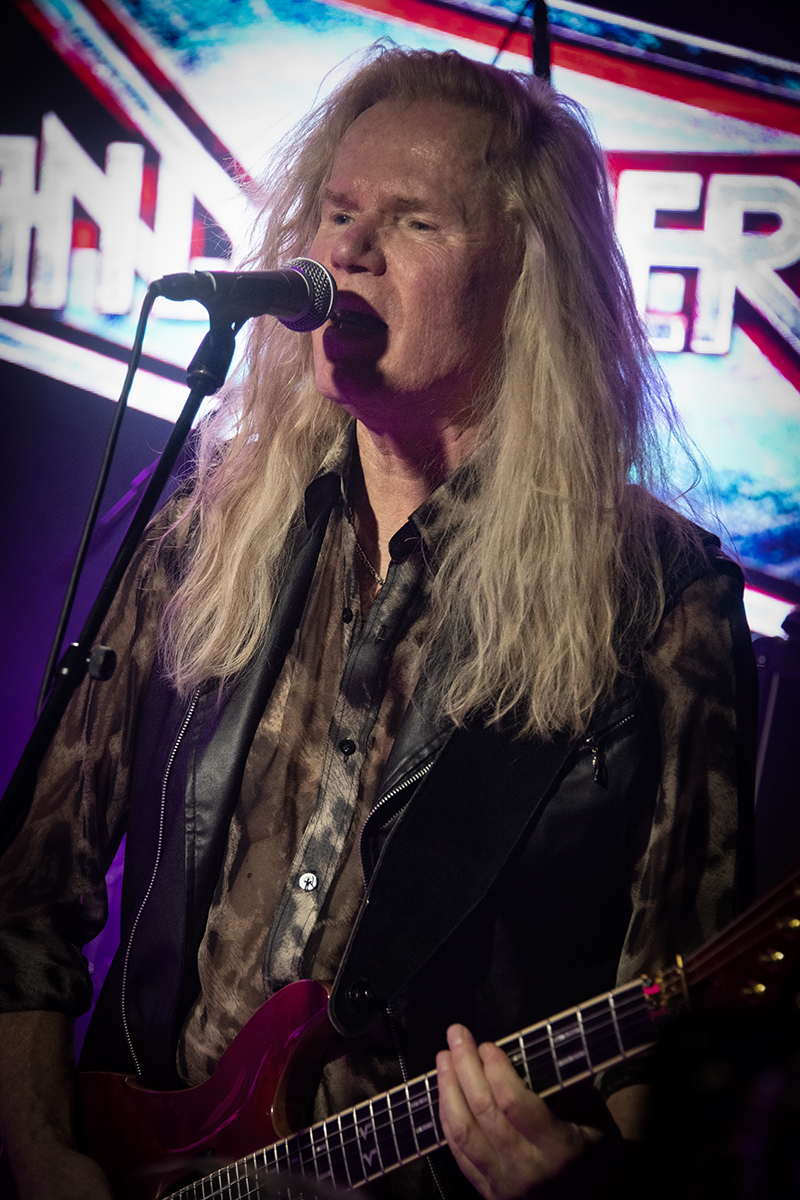
Chaoszine: Speaking of Vandenberg—as you said, you have plans for the follow-up to the album ‘Sin’. Where is that process going at the moment, and what is your actual way of working—how do you turn riffs and ideas into complete songs?
Adrian Vandenberg: I’ve already started collecting ideas. When I sit by myself, I try not to overthink; it happens naturally. I’m always getting new ideas. When I’m working on music, little bits and pieces of lyrics pop into my head, and I usually type them into my iPhone or write them down or something. When I have a guitar in my lap, and I get into a cool part, I record it on my iPhone. So, I’ve got at least 200 ideas on my iPhone. Slowly but surely, I’m going to sift through them and throw away the ones that don’t do anything for me. Then when I hear a riff, I go, ‘That’s a cool riff. Oh yeah, that feels cool.’ So, then I set it aside, and I give it an A-plus or something. Or a B-plus, ‘That could be okay, it could be cool, but I don’t know.’ So, I’m doing that right now. I’m checking out riffs and bits and pieces. Later on, I’ll connect those ideas that came to me because I believe—in some kind of superstitious way, I suppose—that there’s a reason why they pop into my head. They lock in with the vibe of the music that I’m working on at the time.
Sometimes when I’m on my bicycle, an idea pops into my head. Like with the Manic Eden album, I wrote everything on my bicycle. I was going to work on my bicycle and then—’ Oh, that’s a cool idea.’ Then I just go have a cup of coffee somewhere and write it down or something. I still remember when David Coverdale and I first met in 1983, and that’s when he first asked me to join Whitesnake—we just sat down and chatted. It was at a Whitesnake show on the ‘Slide It In’ tour, where I went as a fan, in the same year the first Vandenberg album came out. We had the same early influences very much when we started out, so when David and I first started writing together, it all went very, very easily and naturally. It was actually quite close to the experience of writing by myself. It was fortunate that we were both surprised by how smoothly it all went.
Chaoszine: So, are you already planning whether you’ll use the same band you have now?
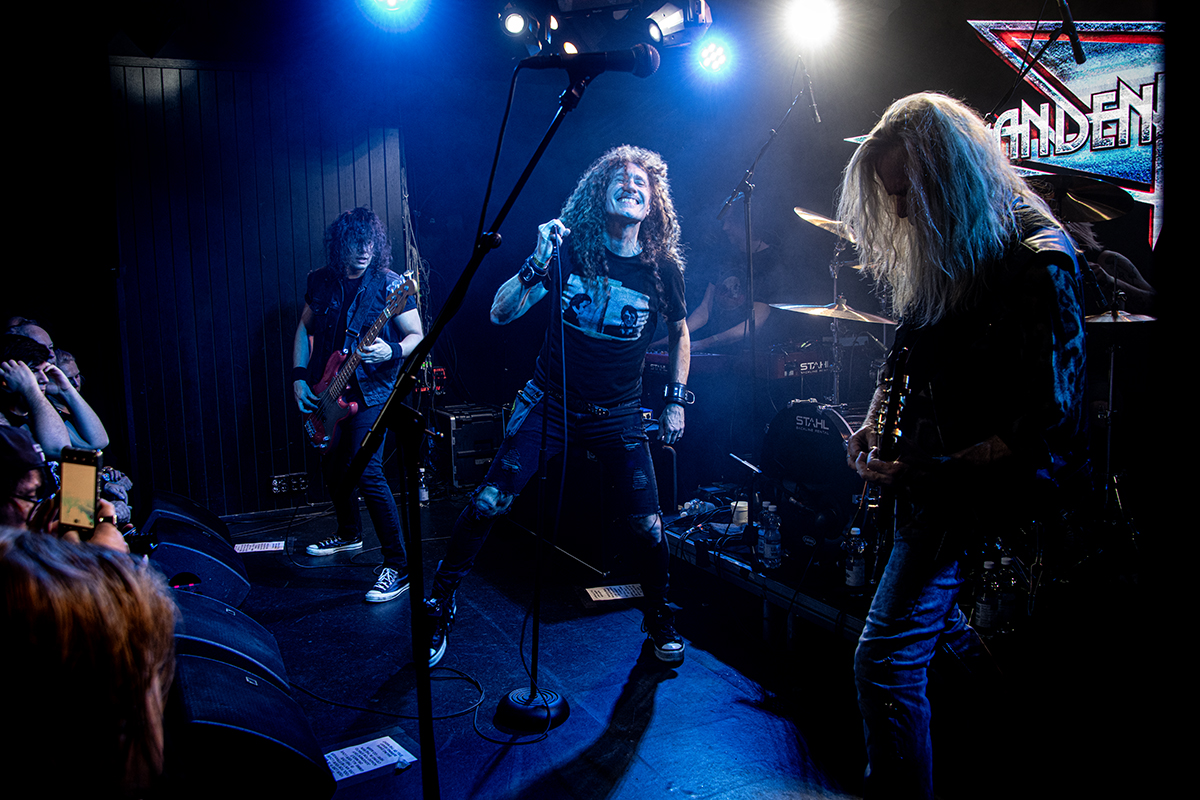
Adrian Vandenberg: As far as I’m concerned, it will be, and everybody wants to do it. So, it’s going to be cool.
POSSIBLE RE-RELEASES AND MANIC EDEN
Chaoszine: What about the ’80s Vandenberg albums? They’re hard to find these days, and it’s been a long time since the last reissues. Are there any plans to reissue them again at some point?
Adrian Vandenberg: I’ll get on the case with that. More and more people have been asking me about it. Every once in a while, there’s a label in the States or England or whatever that makes a deal with Warner Brothers and asks, ‘Can we release a certain quantity?’ or whatever. And they make a deal at the table, and then they release something. But I think it would be cool. The same goes for Manic Eden; it was re-released in 2024 by Mascot, which is cool, because that one was really hard to find. It’s one of my personal favorites. I think it’s a great album, and who knows—it would be cool to record another Manic Eden album, too, at some point?
Chaoszine: That was an interesting comment. How realistic would a Manic Eden reunion be?
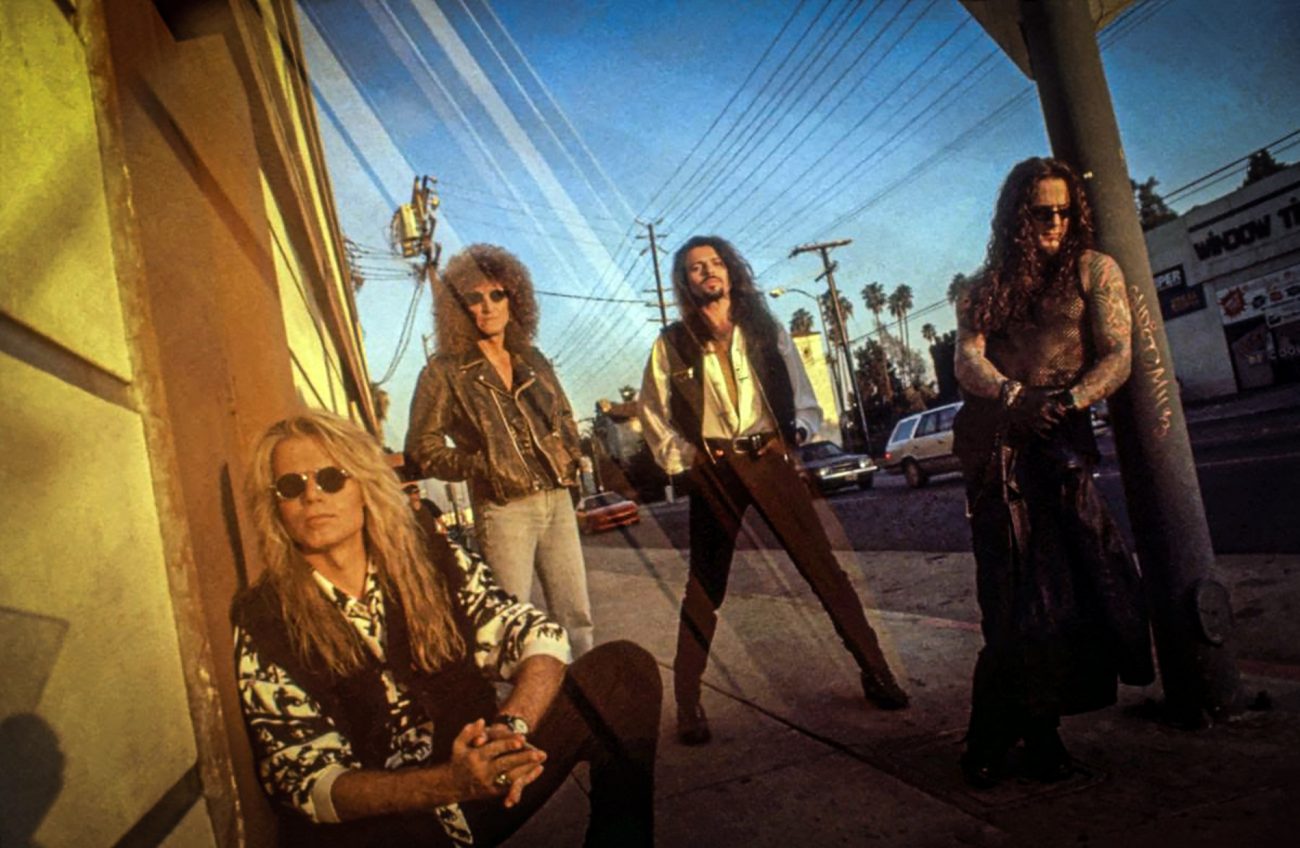
Adrian Vandenberg: I don’t know. I’ve always lived my life by going with the flow. If the Vandenberg band were on a temporary hiatus or something, I could imagine a couple of gigs with Manic Eden. But it’s really down to everybody’s schedule. Rudy (Sarzo) is always busy touring with Quiet Riot. But I really don’t know what Tommy (Aldridge) and Ron (Young) are actually doing right now. Nobody really knows, but I’m really proud of that record. It’s one of my favorite albums I’ve done. But then again, I’m proud of ‘Sin’ and the current Vandenberg lineup. We’ve got an amazing band together. They’re all great guys and fantastic musicians. What more can you wish for? I’m just a dude from Holland who really enjoys playing guitar, and at some point, it basically got out of hand, but that’s a beautiful thing.
A PIECE OF OLD STUFF
Chaoszine: Let’s briefly go back to the early days of Vandenberg and the song ‘Burning Heart’, your first hit and breakthrough single. How was the song originally born?
Adrian Vandenberg: ‘Burning Heart‘ was a funny one. Phil Carson—he was the president of Atlantic Records, the guy who had worked with AC/DC, Yes, and Led Zeppelin—he called my mom’s house in the middle of the night. I stayed there temporarily because my house had just burned down, with all my paintings, guitars and everything gone. So, he calls up and says, “I need to talk to Adrian. I want to sign his band. He’d heard the Vandenberg demo with four songs and asked, “You got any more?”
I had three more rock tunes finished, but I thought, “Man, it’s all rock stuff. I need a ballad.” I’ve always loved rock ballads—they just come to me naturally when I’m writing. So, I sat down at the piano, and I had this guitar intro in my head. I started noodling around and wrote it pretty quickly. I wasn’t overthinking it. I was just thinking about the album dynamics. I’ve always liked that light and shade—up-tempo stuff mixed with a ballad or two. And with my ballads, there’s usually an acoustic guitar in there somewhere. I never really thought about it as a trademark, but it’s there.
Chaoszine: Thinking about those early Vandenberg albums released in the ’80s, which songs and albums are your personal favorites from that era?
Adrian Vandenberg: Again, it would be easy to say, ‘Burning Heart’, because it’s great to have a hit single, especially because I didn’t expect it. But I would also name ‘This is War’, ‘Your Love Is In Vain’, and the ‘Alibi’ album track ‘VooDoo’, which is definitely one of my favorites from that era. But album-wise, I think probably the second album, ‘Heading for a Storm’, and the third album, ‘Alibi’, are the most exciting, actually, for me as far as excitement goes. Musically, I think ‘Alibi’ is the strongest. The second album I like most production-wise, or at least the sound. It was between those two albums, of course—in between the first and the third. It was a little bit more refined, I think. But at the same time, ‘Alibi,’ I think musically, is probably the strongest one out of the three. Yeah, I think so. But a lot of people don’t agree with me, of course, because for most people, the first album is the most exciting because it was the first album and it came out in perfect time.
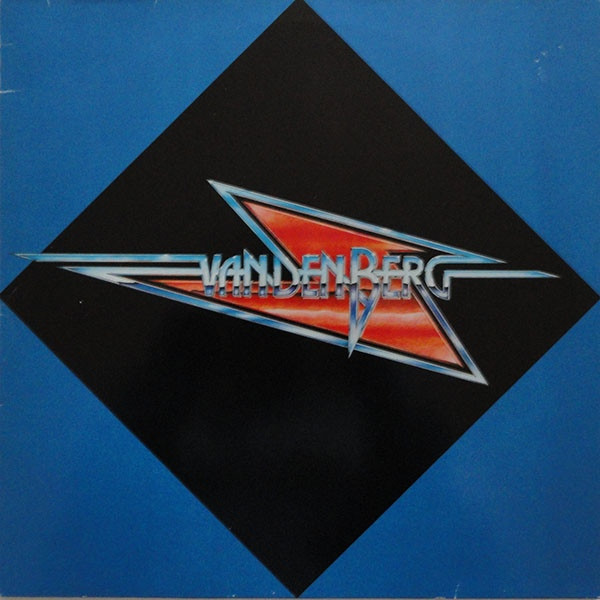
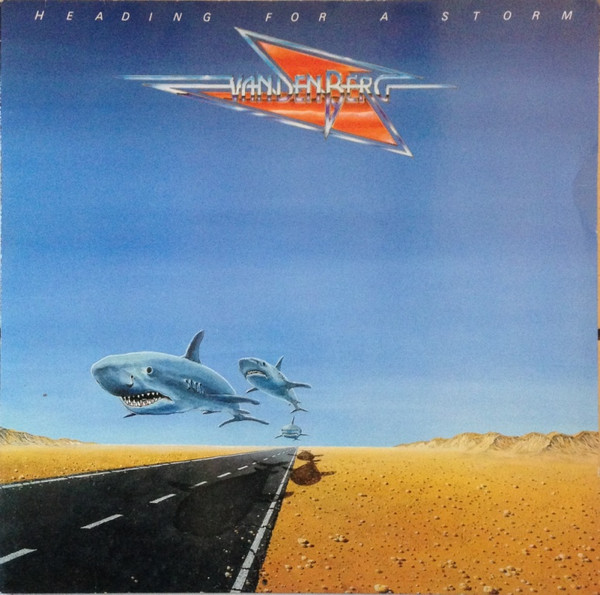
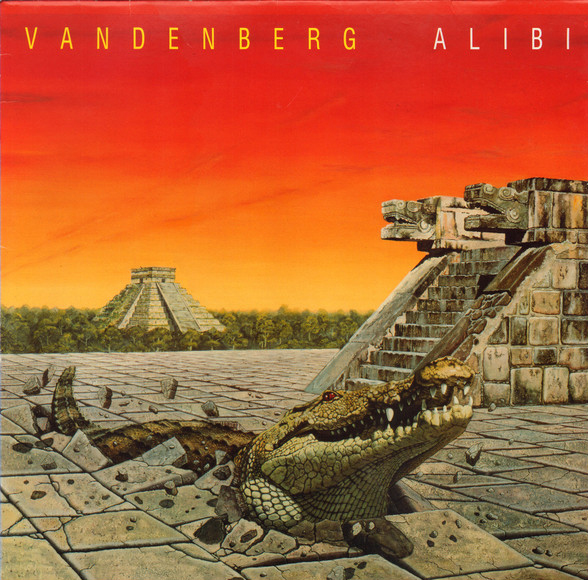
Chaoszine: The first Vandenberg album was a hit, largely because of ‘Burning Heart,’ as you said. The band then hit the road in the States. What kind of memories do you have from those times?
Adrian Vandenberg: We did two tours in the States back then—one in ’83, which was a headline tour with some dates with Ozzy Osbourne, and another in ’84 with KISS. We were opening for KISS. It was the period when Vinnie Vincent was with them, and they took off their makeup. It was an interesting tour. Riot was also on that bill.
The audience was really enthusiastic about us. As a result, Paul Stanley and Gene Simmons started giving us less and less light, stage space, and soundcheck time from day to day because we had just scored that hit with ‘Burning Heart.’ Our live shows were pretty exciting—everybody said so. KISS was kind of reinventing themselves, trying to be taken more seriously instead of just being theatrics, kind of a novelty, whatever. But the more enthusiastic the crowds got, the less space, light, and sound we got, you know? And the harder we worked. So, basically, it was quite an adventure to grow as a band.
When we did the Ozzy dates, it was like night and day compared to KISS—he treated us great, gave us sound checks every night, and he was also funny as hell. I used to go to his place for a cup of tea; our assistant tour manager knew him from way back. He was just a really great guy.
BITS AND PIECES
Chaoszine: Speaking of Ralph, regarding your tour manager, our time is up now. Is there anything you want to add?
Adrian Vandenberg: Nothing I haven’t already said, but I can say again that I’m really happy to finally be back here. I really hope to do more in Scandinavia, but it always comes down to promoters. After COVID, everybody knows a lot has changed. Many promoters went bankrupt, and many venues disappeared.
Chaoszine: That’s true. Plus, many bus companies went bankrupt, which was a huge problem for many bands. They had no way to travel between European countries. Many bands flying over from the States couldn’t tour Europe without buses. I know some bands had to cancel tours because of it. For example, that happened to Ace Frehley a couple of years ago.
Adrian Vandenberg: In Germany, they have tour buses, so that’s not a problem there. But here, if you come in winter on a tour bus, you need a Finnish driver because the weather is different. So, you should tour in summer, I guess, and do the festivals. So, I really enjoyed playing Sweden Rock last summer. That was great. We had a lot of fun. And of course, the Time to Rock Festival and the other one we played, Rock’n’Eat. There were a few, actually. One of the festivals was in Germany.
Chaoszine: Unfortunately, we don’t have any major hard rock festivals in Finland at the moment, but hopefully the situation will improve in the future. In the meantime, thanks for the interview. Hopefully, we’ll see Vandenberg again at a gig here soon, maybe after the release of the next album.
Adrian Vandenberg: Let’s hope for the best. Thank you, Marko, and see you at the show soon.